
Last updated September 23, 2026
Free visual inspection and a written scope of work before any mitigation begins - photos, moisture readings, and drying logs go in your claim file
The scope we write is the scope we bill. Anything new gets shown to you, in writing, before we touch it.
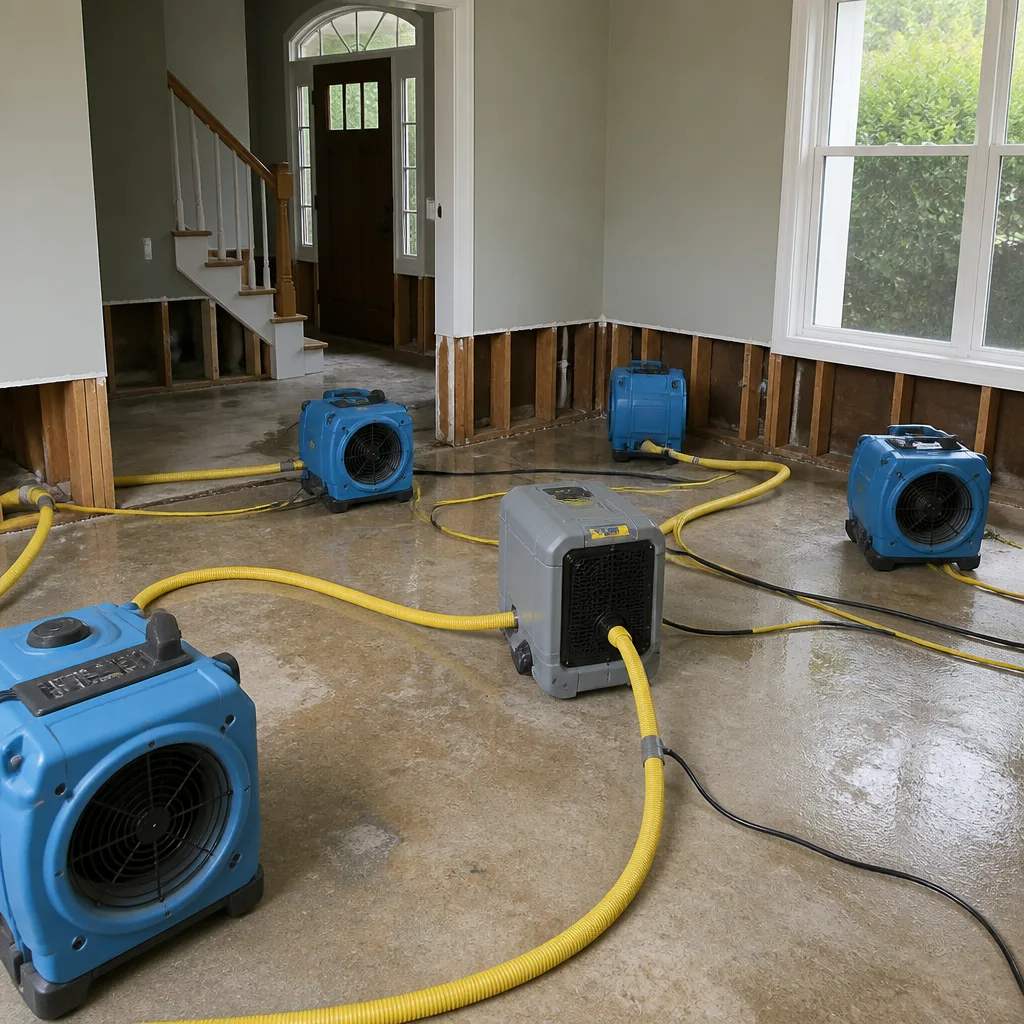
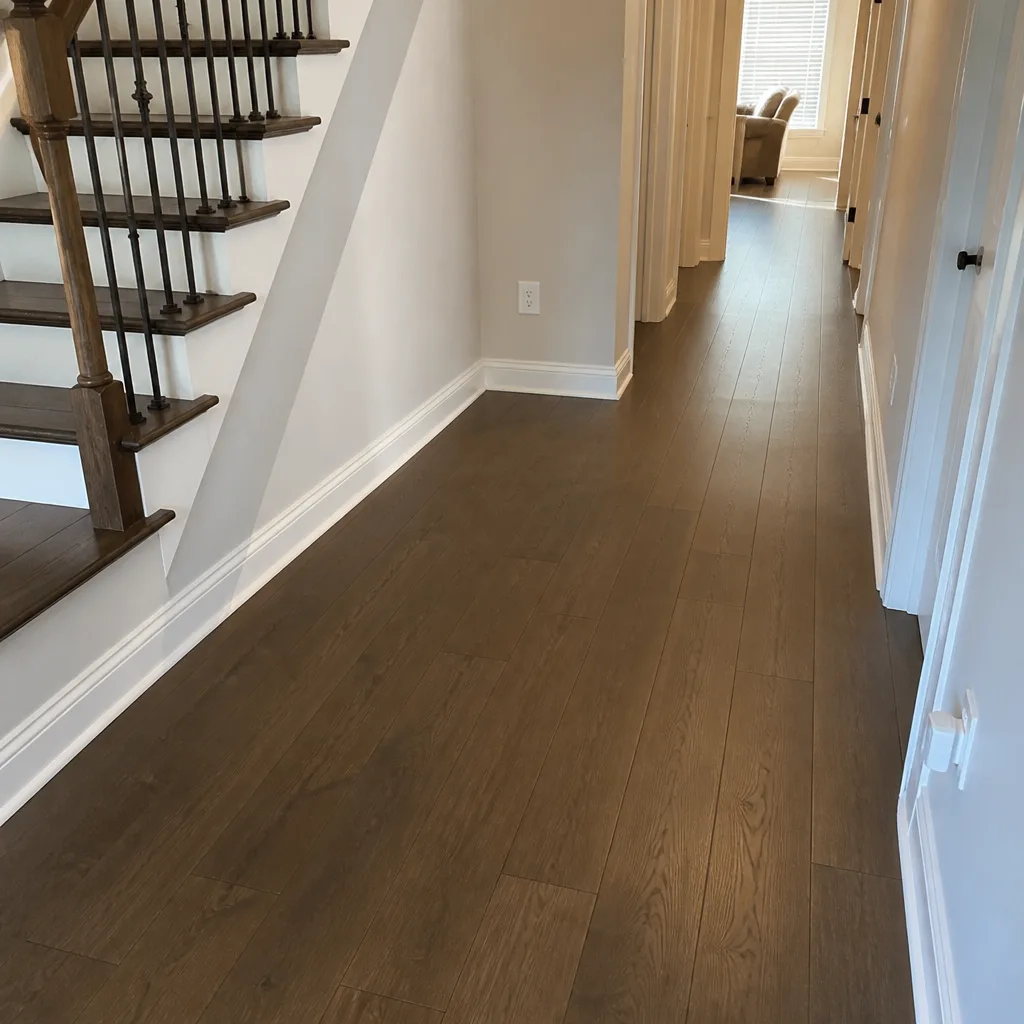
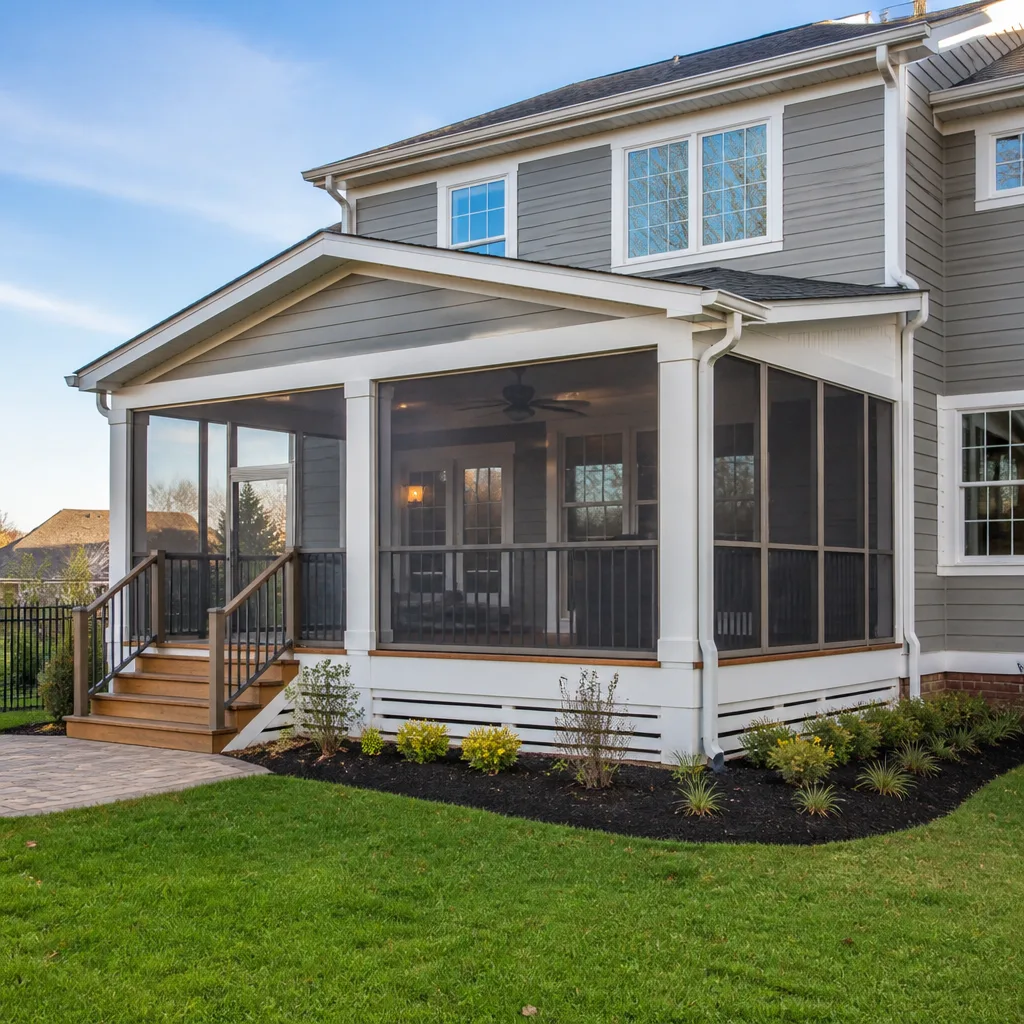
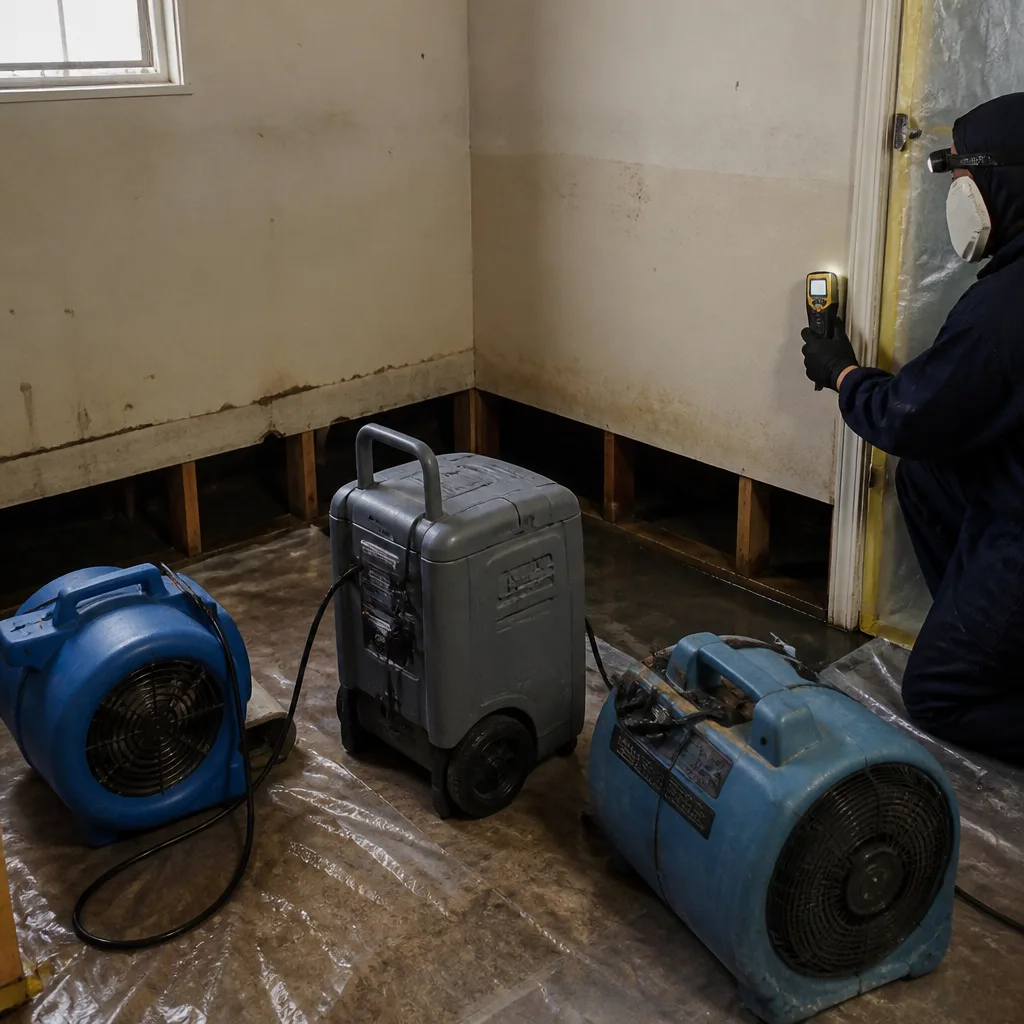 Before
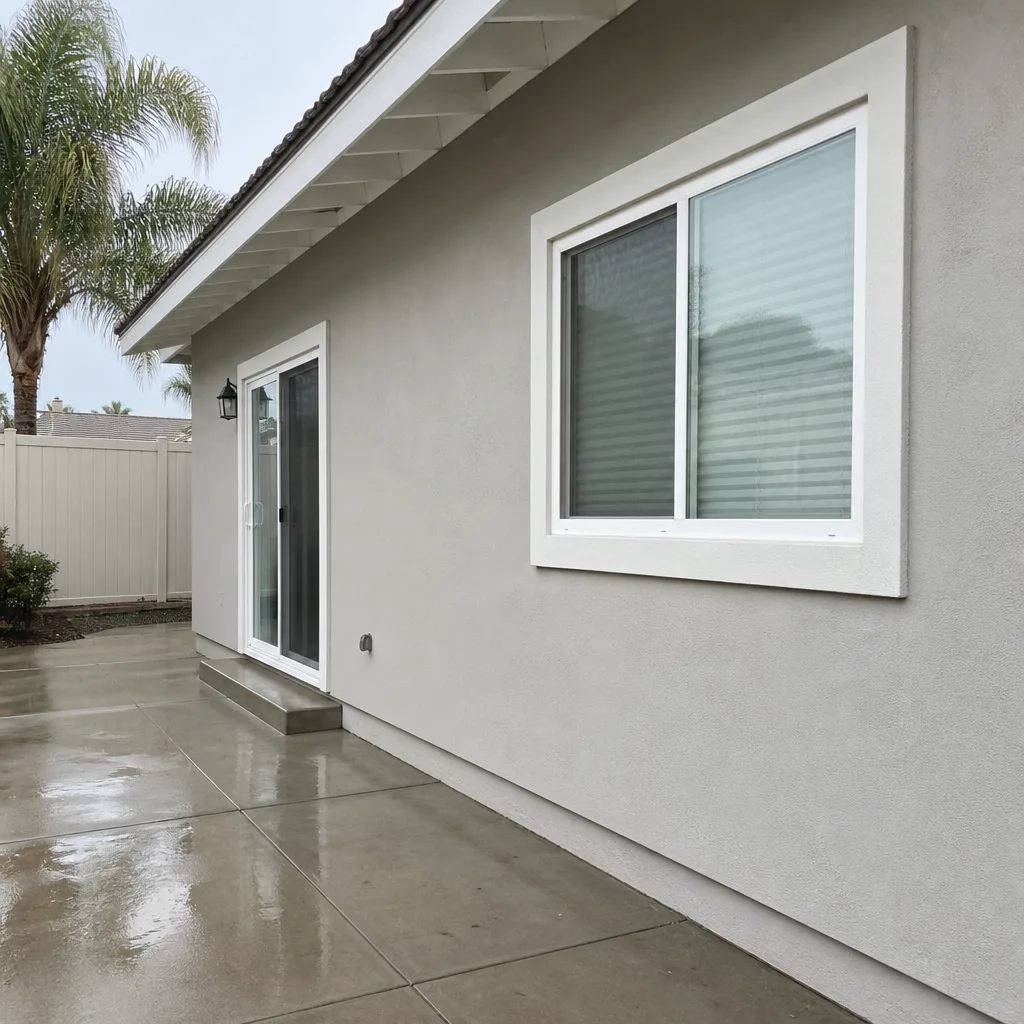 After
After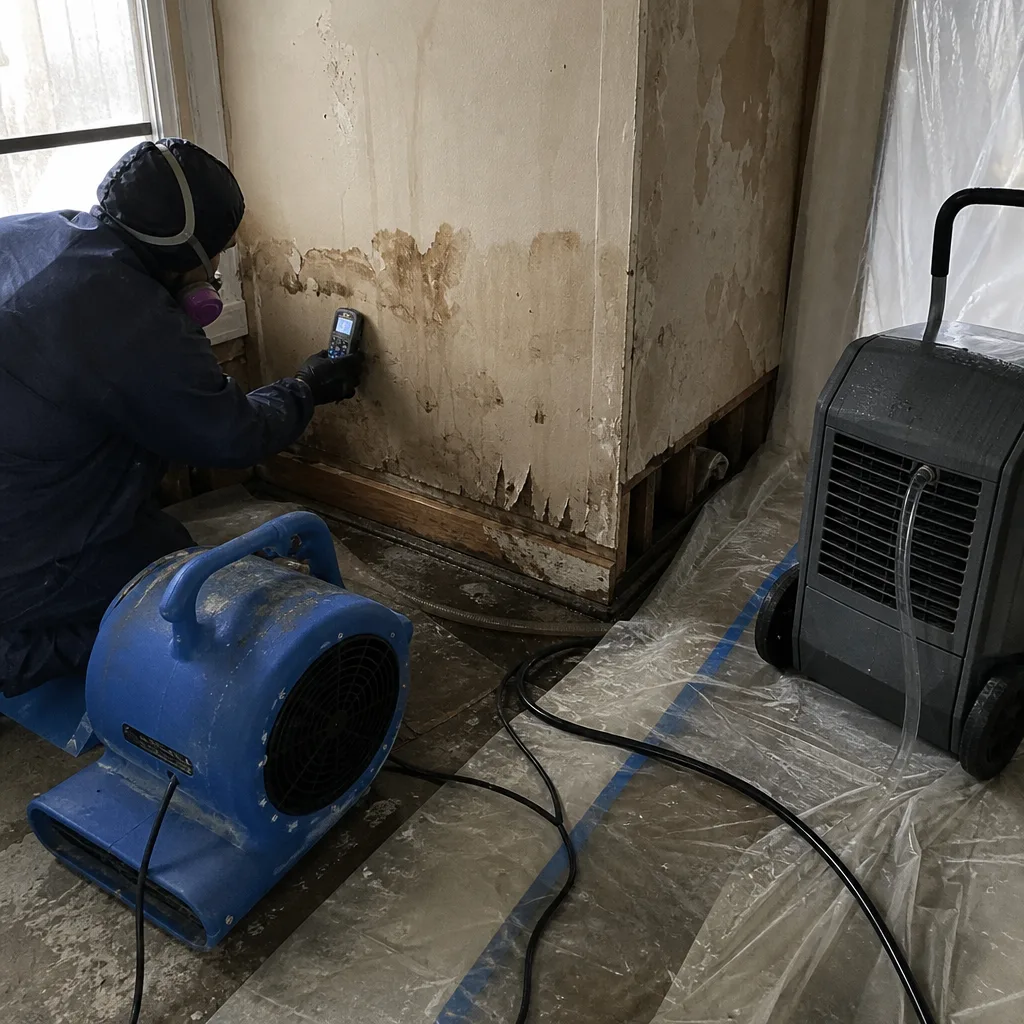 Before
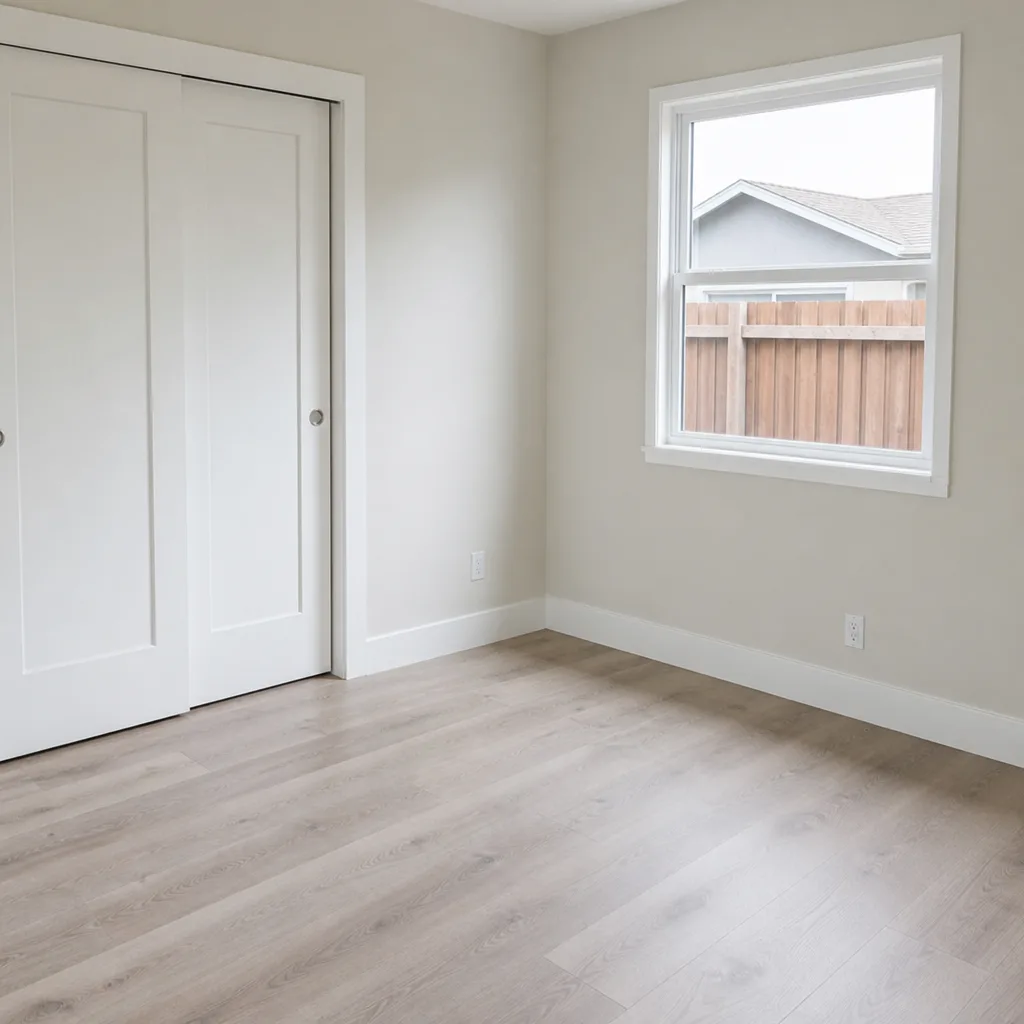 After
After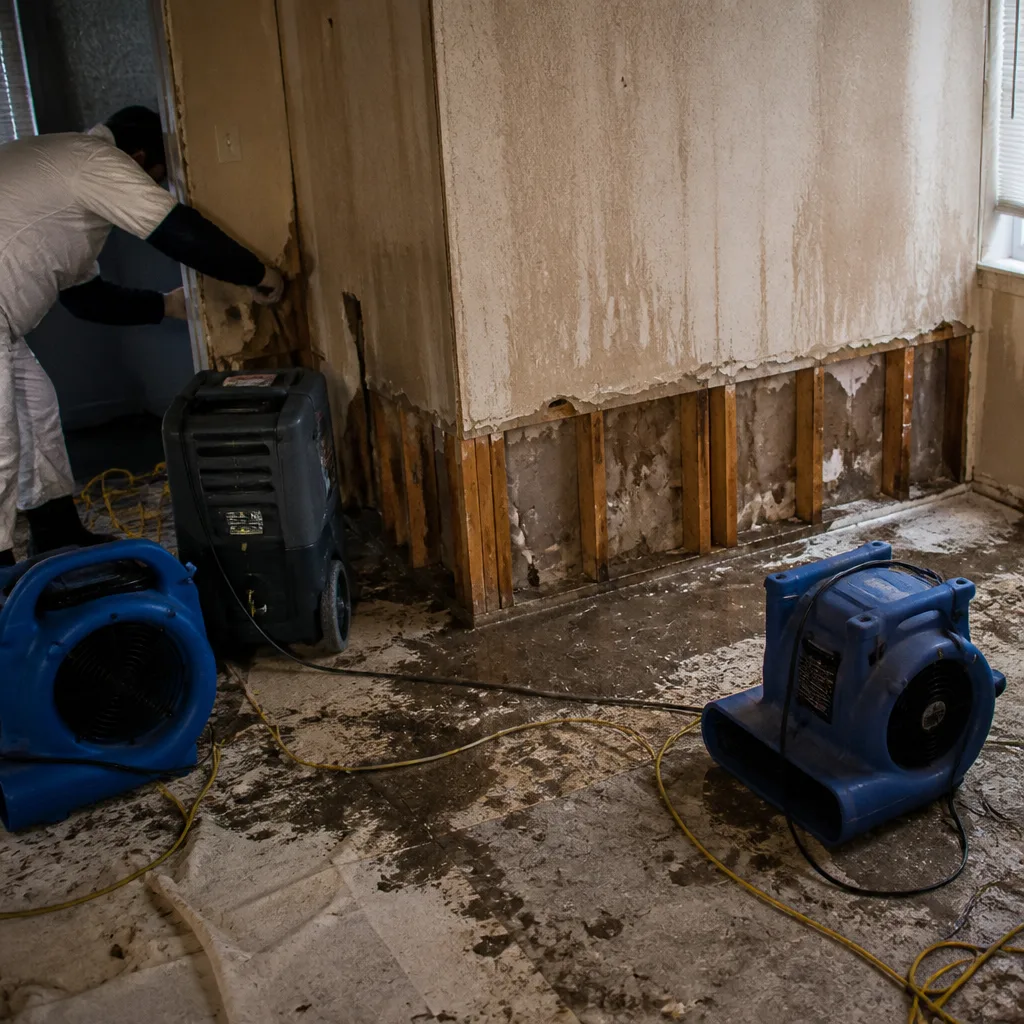 Before
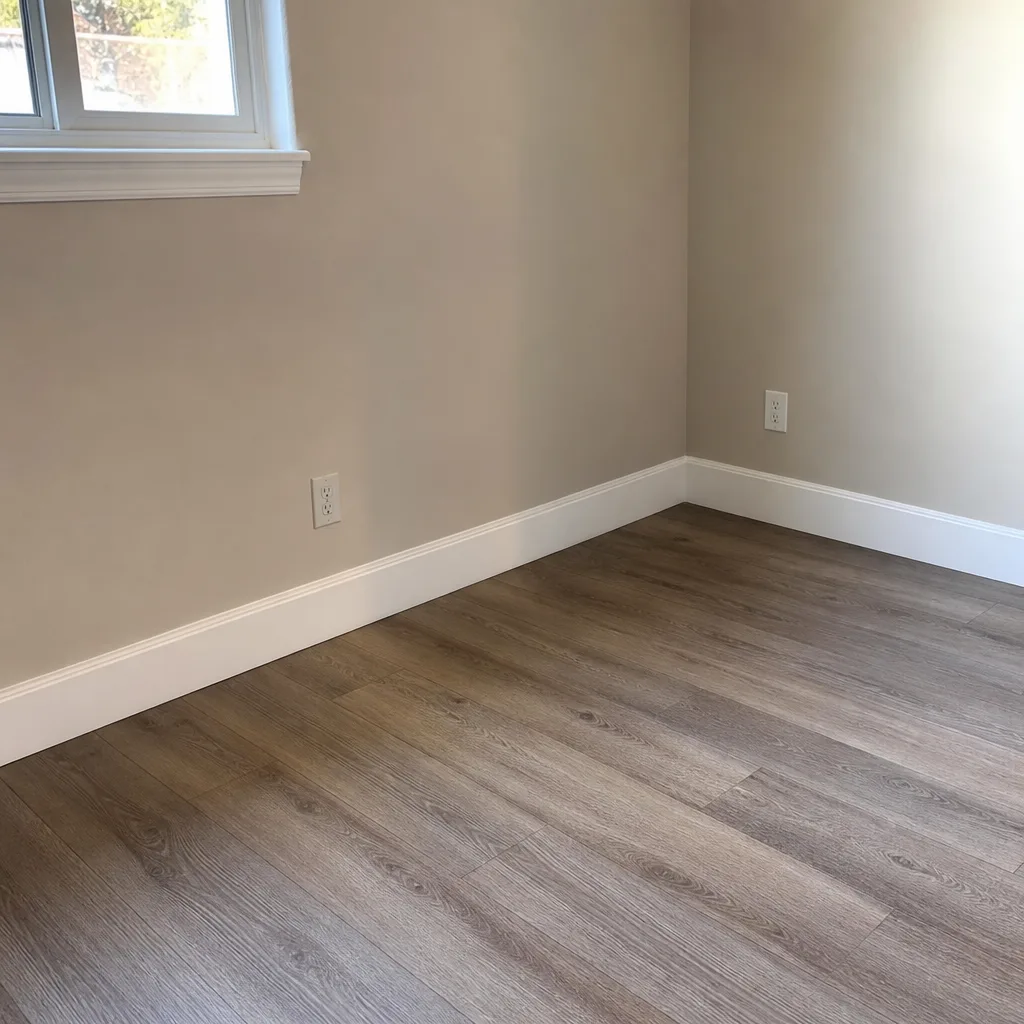 After
AfterDIY vs Professional Damage Restoration: The Santee Homeowner’s Decision Guide
A homeowner in Santee who rents a shop vac and a box fan to dry what looks like a simple water loss has not restored their home. They have created a documentation gap that their insurer will use to argue the mold that follows was caused by improper drying, not the original loss. In our experience reviewing claims across 12,000 homes since 2011, the DIY-versus-professional question is rarely about skill or effort. It is about whether the damage category, affected materials, and claim status create legal and health thresholds that make self-remediation an actionable mistake rather than a money-saving one. This guide will walk you through the IICRC decision tree, California’s regulatory boundaries, the true cost comparison when equipment and disposal are itemized, and the specific Santee scenarios where doing it yourself is actually defensible. For how to hire a damage restoration contractor in Santee, see our step-by-step companion guide.
Quick Answer
DIY damage restoration is only advisable for Category 1 clean water losses under 10 square feet on non-porous surfaces with no wall cavity penetration and no concurrent insurance claim. For Category 2 or 3 water losses, mold exceeding 100 square feet, fire or smoke damage, sewage backup, or any loss with an active insurance claim, professional restoration is required to meet IICRC standards, satisfy policy conditions, and avoid liability exposure under California OSHA and EPA guidelines.
Table of Contents
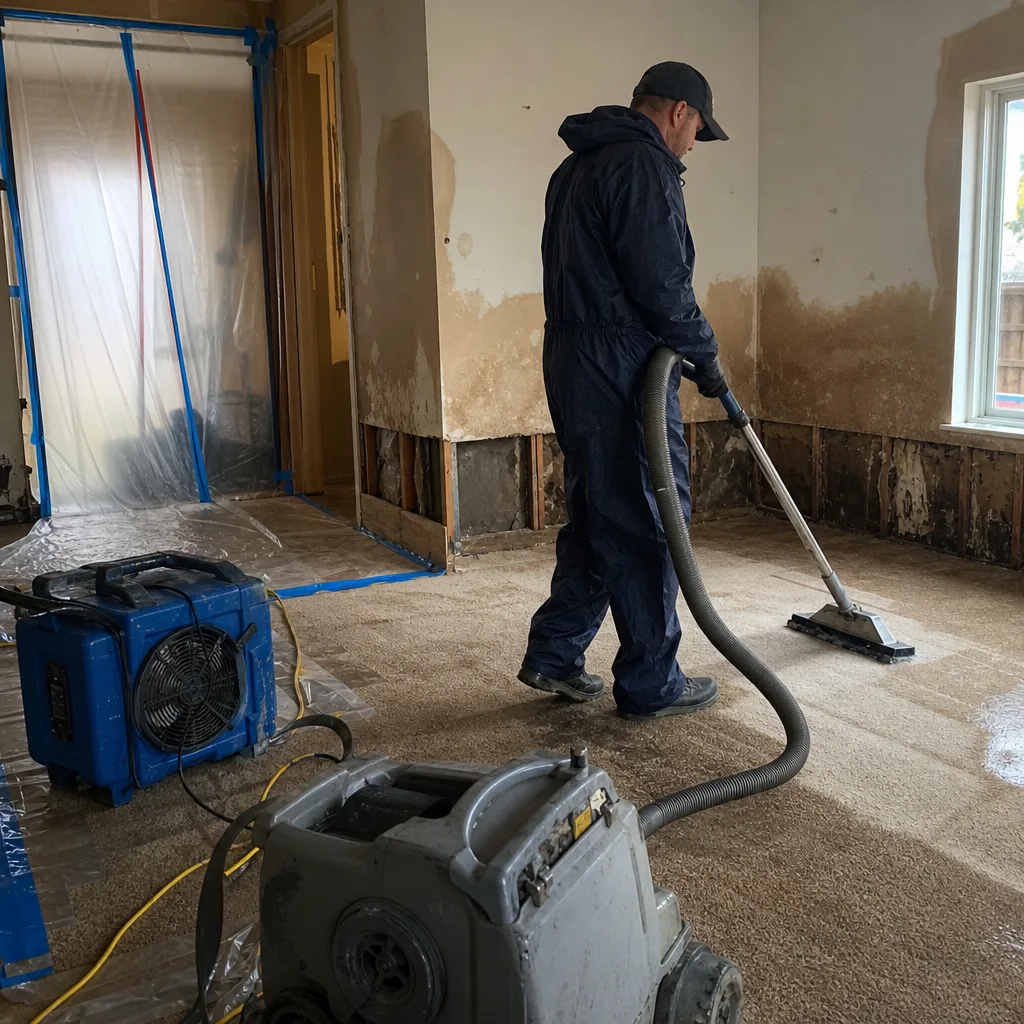
- The IICRC S500 Category System: Your Hard Decision Tree
- California Regulations That Restrict DIY Restoration
- How DIY Drying Destroys Insurance Claims
- The True Cost of DIY vs. Professional Restoration
- Santee-Specific Scenarios: When DIY Is Defensible
- What Professional Equipment Actually Does That Rentals Cannot
- Health Risks and Liability Exposure for Santee Homeowners
- Common Mistakes to Avoid
BeforeAfterThe IICRC S500 Category System: Your Hard Decision Tree
The Institute of Inspection, Cleaning and Restoration Certification (IICRC) publishes the S500 Standard and Reference Guide for Professional Water Damage Restoration. This is not a suggestion. It is the standard that insurers, courts, and California contractors reference when determining whether mitigation was performed properly. The category system divides water losses into three types, and the category determines whether DIY is legally and practically viable.
Category 1: Clean Water
Category 1 water originates from a sanitary source and does not pose substantial risk from dermal, ingestion, or inhalation exposure. Examples include broken supply lines, tub or sink overflows with no contaminants, and melting ice or snow. Under IICRC S500, Category 1 losses under 10 square feet on non-porous materials such as tile, sealed concrete, or vinyl plank flooring may be reasonable DIY candidates if caught within 24 hours and if no wall cavity, subfloor, or insulation is affected.
But the category degrades with time. Category 1 water left for more than 48 hours becomes Category 2. In Santee’s warm, dry climate, homeowners sometimes assume faster evaporation means less risk-one reason we recommend seasonal damage restoration care for Santee homes. The opposite is true. Rapid surface drying can leave trapped moisture in wall cavities, creating the exact conditions for hidden mold growth that Category 1 status was meant to prevent.
Category 2: Gray Water
Category 2 water contains significant contamination and has the potential to cause discomfort or sickness if contacted or consumed. Sources include dishwasher discharge, washing machine overflow, flush from sink drains, and sump pump failures. The IICRC S500 explicitly requires professional remediation for Category 2 losses because:
- Organic loading from detergents, food waste, or soil creates microbial growth conditions within 48 hours
- Disinfection requires EPA-registered antimicrobial agents applied at specific concentrations and contact times
- Porous materials such as carpet pad, drywall, and insulation must be removed, not dried in place
- Technicians require personal protective equipment (PPE) including respirators with organic vapor cartridges
No rental equipment configuration addresses these requirements. A homeowner with a wet-dry vacuum and box fans has not restored a Category 2 loss. They have relocated contaminated water and accelerated evaporation of pathogens into breathable air.
Category 3: Black Water
Category 3 water is grossly contaminated and can contain pathogenic, toxigenic, or other harmful agents. Sources include sewage backup, flooding from rivers or streams, and wind-driven rain from hurricanes. The S500 mandates full professional remediation with:
- Containment barriers with negative air pressure to prevent cross-contamination
- Hepa-filtered air scrubbers (typically 500-2000 CFM units from manufacturers like B-Air or Phoenix)
- Removal of all porous structural materials within the affected area
- Application of biocides followed by thorough cleaning and drying verification
- Post-remediation verification testing by an independent third party
DIY remediation of Category 3 water is a health hazard and, in California, may violate OSHA’s General Industry Safety Orders if conducted without proper training and equipment. The liability exposure extends beyond personal injury to potential criminal negligence if occupants or subsequent buyers are harmed.
California Regulations That Restrict DIY Restoration
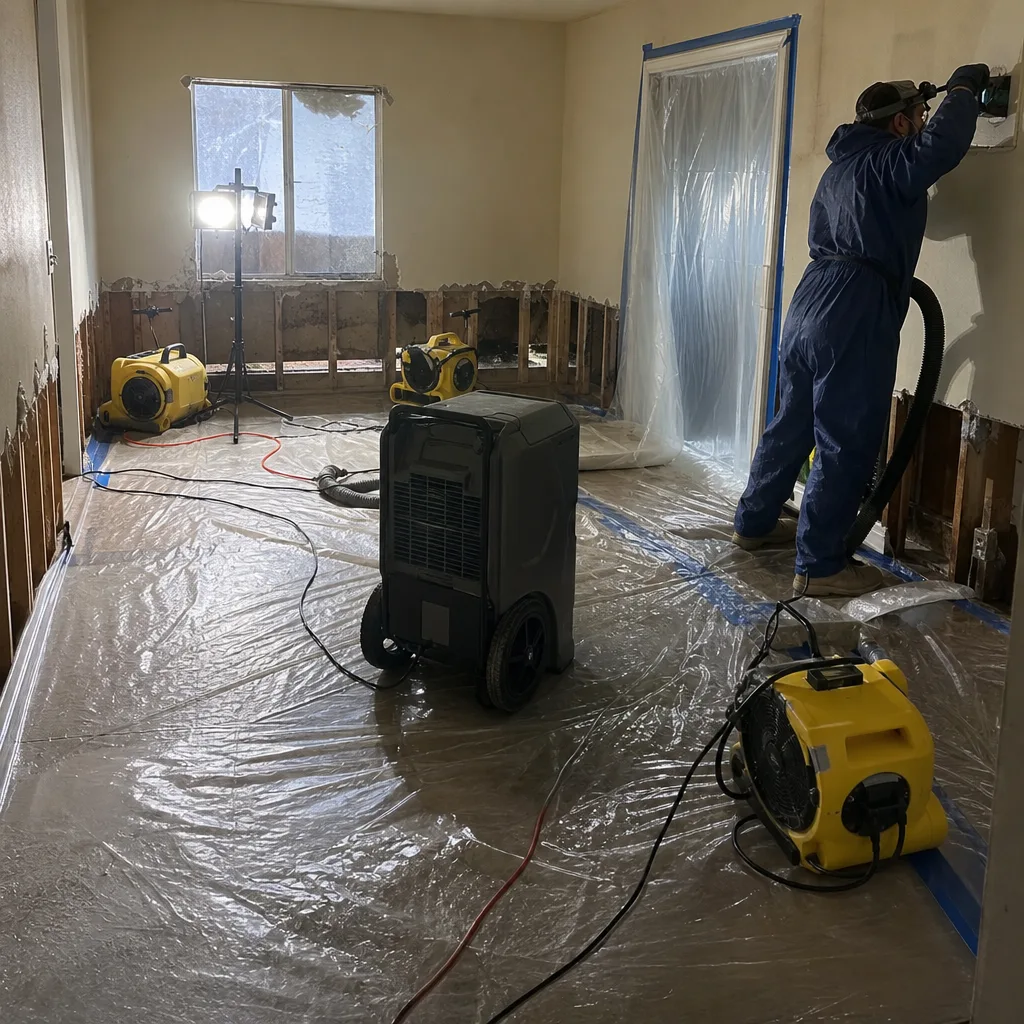
California law creates specific thresholds where DIY restoration transitions from inadvisable to unlawful. Santee homeowners need to understand these boundaries because crossing them affects not just health but property value, insurance coverage, and legal liability.
Cal/OSHA Mold Remediation Requirements
California’s Division of Occupational Safety and Health (Cal/OSHA) requires employers to protect workers from mold exposure under the General Industry Safety Orders. While these regulations technically apply to workplaces, they establish the standard of care that courts apply to residential remediation. The California Department of Public Health recommends professional remediation for mold contamination exceeding 100 square feet of contiguous surface area. Above this threshold, the work requires:
- Containment with polyethylene sheeting and sealed seams
- Negative air pressure maintained with HEPA-filtered exhaust
- Respiratory protection (minimum N-95, typically half-face respirator with P100 filters for remediation)
- Protective clothing that prevents dermal contact
- Proper disposal of contaminated materials as regulated waste
A Santee homeowner who ignores the 100-square-foot threshold and later sells their property faces disclosure requirements under California Civil Code Section 1102.6. If mold returns or is discovered by a buyer, the lack of professional documentation becomes evidence of inadequate remediation. We have reviewed claims where sellers were sued for nondisclosure because their DIY mold cleanup left no drying logs, no photo record, and no third-party verification.
EPA Renovation, Repair and Painting Rule
While primarily addressing lead-based paint, the EPA RRP rule illustrates how federal standards increasingly restrict DIY work on older Santee homes. Many properties in the Carlton Hills and Sky Ranch areas were built before 1978 and contain lead-based paint. Disturbing painted surfaces during water or fire damage restoration without EPA certification creates federal liability. Professional restoration firms maintain RRP certification and document compliance, a protection no DIY approach provides.
Santee Municipal Code and Permitting
The City of Santee requires permits for structural repairs, electrical work, and plumbing modifications that often accompany damage restoration. A homeowner performing their own reconstruction after a water loss must still pull permits, schedule inspections, and demonstrate code compliance. Professional restoration companies coordinate this process as part of their scope. DIY restorers frequently skip permitting, creating title issues and insurance complications when the work is discovered during a future sale or claim.
How DIY Drying Destroys Insurance Claims
This is where the documentation-first approach matters most. Most homeowner insurance policies contain a “duty to mitigate” clause requiring the insured to take reasonable steps to prevent further damage after a loss. What “reasonable” means is defined by industry standards, not by what the homeowner believed was sufficient.
The Documentation Gap Problem
When Back to Dry Restoration reviews a claim that has been denied or underpaid, the most common factor is inadequate documentation of the initial mitigation. A DIY dry-out produces no moisture logs, no psychrometric data, no photo record, and no written scope. Without these, the insurer can argue that:
- The homeowner failed to mitigate promptly, allowing secondary damage to occur
- The mold or structural damage resulted from improper drying, not the covered peril
- The claimed damages are speculative because no professional assessed the full extent
Psychrometric data, for those unfamiliar, is the measurement of temperature, relative humidity, and vapor pressure that determines whether a structure is actually dry. Surface dryness is not structural dryness. A wall can feel dry to the touch while maintaining moisture content above 16 percent in the studs, the threshold where mold colonization accelerates. Professional-grade equipment from Dri-Eaz and Phoenix produces daily readings that document progressive drying to below 12 percent moisture content, the IICRC standard for wood structural materials.
Policy Conditions and IICRC Compliance
Many policies now explicitly reference IICRC standards as the benchmark for proper mitigation. A homeowner who deviates from these standards, even with the best intentions, may breach their policy conditions. We have seen insurers in the Santee market deny mold claims totaling $15,000 to $40,000 because the homeowner’s DIY drying left no proof that walls were dried within the 72-hour window that prevents mold growth.
The Haven Standard, Clause 1, exists precisely to prevent this outcome: a written price before work starts, yes, but also a written scope that documents the full extent of damage, the equipment deployed, the daily readings taken, and the completion criteria. This documentation turns a restoration invoice into a payable claim. DIY restoration cannot produce it.
Concurrent Claims and Adjuster Coordination
If you have an active insurance claim, every action you take is subject to adjuster review. Professional restoration firms coordinate directly with adjusters, providing the photo documentation and written scopes that support claim approval. DIY restorers must manage this coordination themselves, often without understanding what adjusters need to see. The result is delayed payment, disputed scope, or outright denial.
The True Cost of DIY vs. Professional Restoration
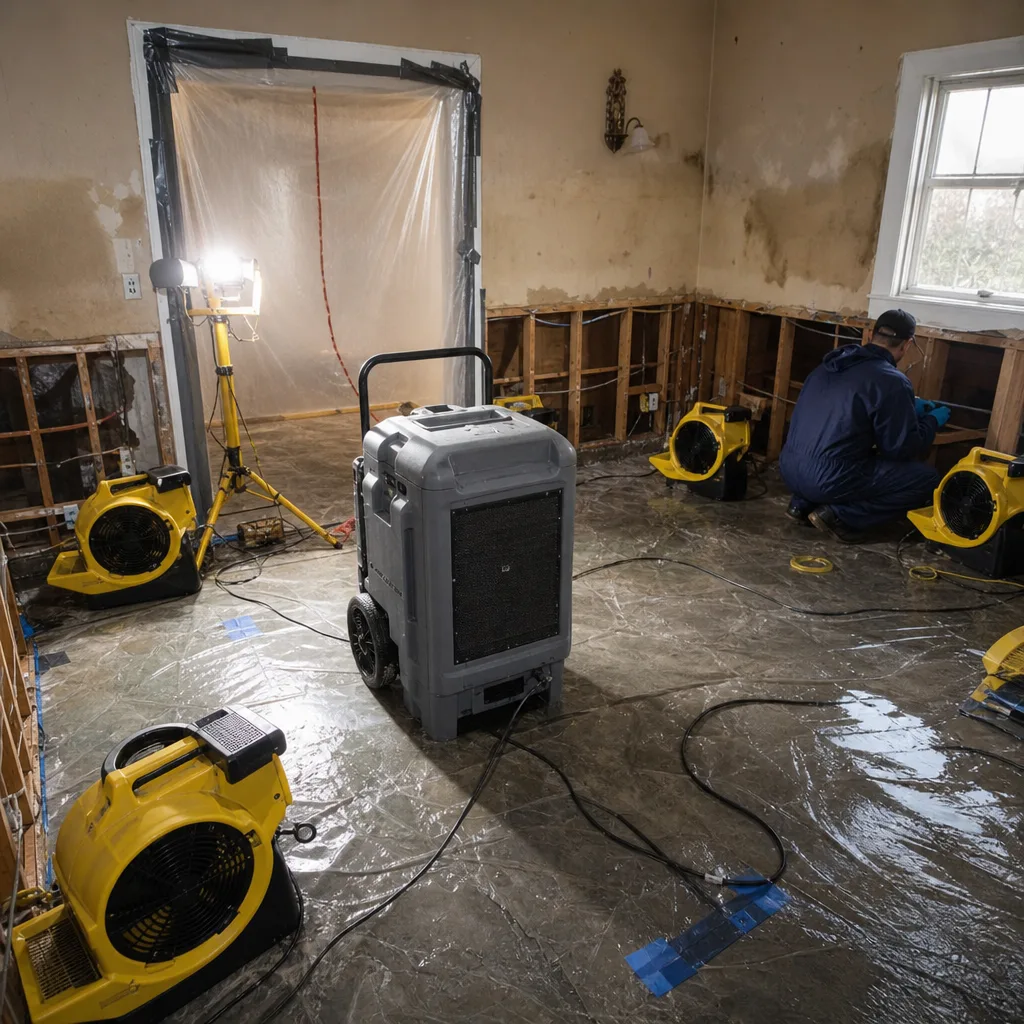
Homeowners considering DIY restoration typically compare the rental cost of equipment against a professional estimate. This comparison is incomplete and usually wrong. The true cost of DIY includes equipment, materials, disposal, time value, error correction, and the uncapped risk of claim denial.
DIY Cost Breakdown: Category 1 Water Loss, 150 Square Feet
| Item | Cost Range |
|---|---|
| Commercial dehumidifier rental (7 days) | $280 – $420 |
| Air mover rental (4 units, 7 days) | $168 – $280 |
| Wet-dry vacuum rental | $45 – $75 |
| Moisture meter (purchase) | $35 – $120 |
| Antimicrobial solution, PPE, cleaning supplies | $80 – $150 |
| Drywall, insulation, fasteners (if needed) | $120 – $300 |
| Waste disposal (self-hauling to Miramar Landfill) | $65 – $120 |
| Time value (16-24 hours at median Santee income) | $480 – $960 |
| Total DIY Cost (no errors, no claim complications) | $1,273 – $2,425 |
Professional Cost with Insurance: Same Loss
A professionally documented Category 1 water loss of 150 square feet typically runs $1,800 to $3,200 before insurance. With a standard homeowner policy and proper documentation, the out-of-pocket cost is the deductible, typically $1,000 to $2,500. The professional scope includes moisture mapping, thermal imaging, daily psychrometric logs, photo documentation, and a signed completion certificate, all of which support full claim payment.
The break-even analysis changes dramatically when errors occur. A DIY restorer who misses hidden moisture, fails to disinfect properly, or disturbs asbestos-containing materials faces costs that escalate rapidly:
- Mold remediation from failed drying: $2,500 – $8,000
- Asbestos abatement if discovered: $1,500 – $5,000
- Structural repair from undetected rot: $3,000 – $15,000
- Claim denial for improper mitigation: uncapped, potentially full replacement cost
Under The Haven Standard, our written price before work begins includes all equipment, labor, materials, disposal, and documentation. There are no scope-creep additions once the crew is inside. This allows Santee homeowners to make an informed comparison against true DIY costs, not against an equipment rental quote that omits half the necessary work.
Santee-Specific Scenarios: When DIY Is Defensible
Santee’s climate, housing stock, and geography create specific conditions where DIY restoration is genuinely reasonable, and others where it is not. Understanding the difference requires local knowledge, not generic advice.
Scenario Where DIY Is Defensible
A slow-drip supply line under a kitchen sink in a Santee home built after 1990, discovered within 2 hours, affecting only vinyl plank flooring with no wall cavity penetration, on a property with no active insurance claim. The water is Category 1, the area is under 10 square feet, the flooring is non-porous and floating (not glued), and the homeowner owns a moisture meter to verify subfloor dryness below 12 percent within 48 hours.
Even here, documentation matters. Photograph the source, the affected area, and the moisture readings. Keep receipts for any supplies. If mold appears within 30 days, this documentation supports a future claim that the loss was properly mitigated.
Scenario Where DIY Is a Mistake
A washing machine overflow in a Santee Hills home built in 1975, affecting carpet and pad in a downstairs bedroom with suspected wall cavity intrusion. The water is Category 2 due to detergent and soil loading. The home’s age raises RRP and possible asbestos concerns. The carpet pad must be removed, the wall cavity inspected with a borescope, and drying verified with professional-grade meters. DIY here creates health risk, documentation failure, and potential federal violation.
Santee Climate Considerations
Santee’s warm, dry climate east of San Diego proper accelerates surface evaporation, which homeowners misread as faster drying. In our experience, this actually increases hidden moisture risk because surfaces dry while cavities remain wet. The Santa Ana winds that sweep through Santee in fall and winter create rapid exterior drying that masks interior problems. Professional restoration uses injectidry systems and wall cavity drying equipment to address this specifically, equipment no rental yard stocks for homeowner use.
Neighborhood-Specific Factors
Homes in the Rio Vista area, built on hillside lots with crawl spaces, face unique moisture dynamics. Groundwater intrusion and drainage issues are common. A water loss in these homes almost always requires subfloor and crawl space inspection that DIY cannot perform safely. Conversely, slab-on-grade homes in central Santee with modern construction and no history of moisture issues present simpler scenarios where the defensible DIY threshold is slightly higher.
What Professional Equipment Actually Does That Rentals Cannot
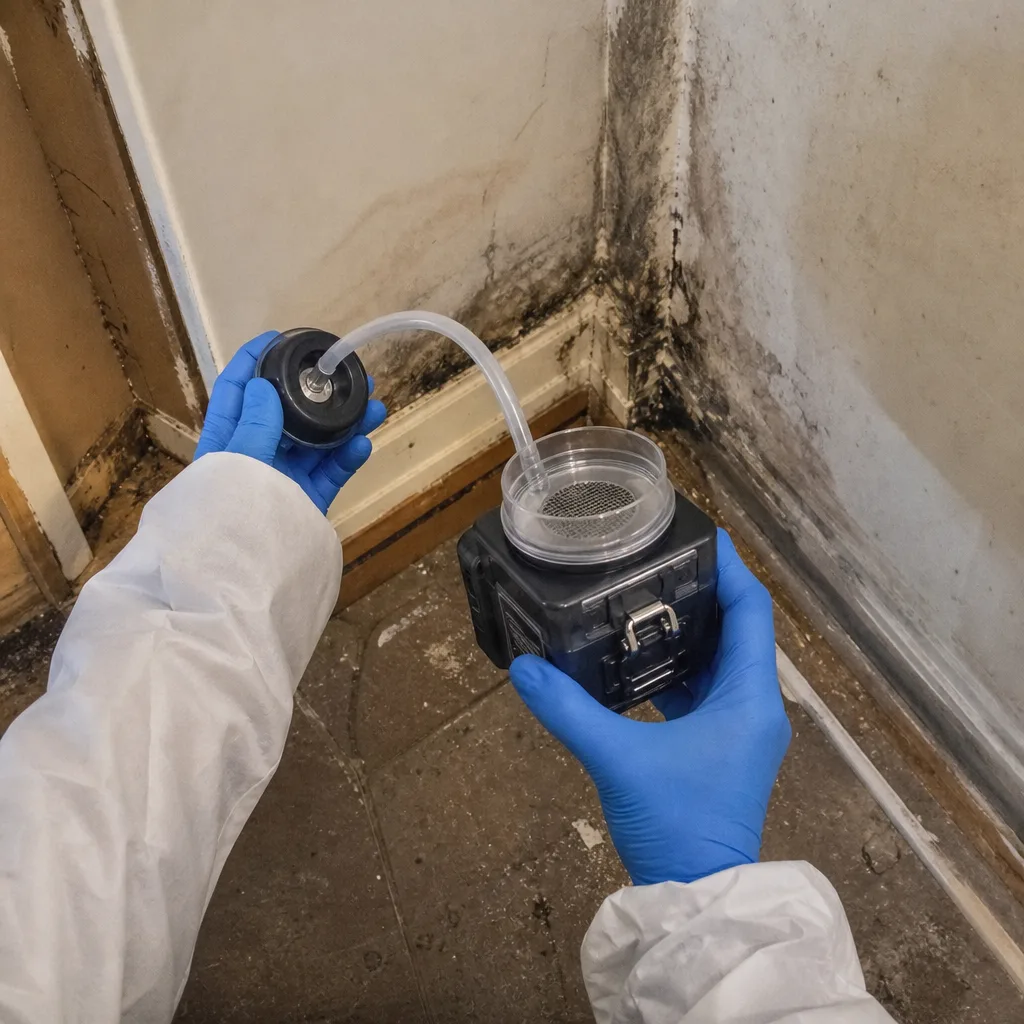
Rental equipment is designed for water removal, not structural drying. The distinction matters because restoration is measured by return to pre-loss condition, not by absence of standing water.
Dehumidification Capacity
A standard rental dehumidifier removes 50-70 pints per day under ideal conditions (80°F, 60% relative humidity). Professional-grade LGR (low-grain refrigerant) dehumidifiers from Dri-Eaz or Phoenix remove 130-235 pints per day and maintain performance as humidity drops, which is when drying actually matters. At 40% relative humidity, a rental unit’s efficiency collapses while an LGR unit continues extracting moisture from deep within materials.
Air Movement Engineering
Professional air movers are not fans. They are engineered to create laminar airflow across wet surfaces at velocities that maximize evaporation without driving moisture into unaffected areas. Rental fans typically move air at insufficient velocity or in turbulent patterns that create uneven drying. In Santee’s climate, this means some wall sections dry while others remain wet enough for mold.
Specialized Drying Systems
Wall cavity drying requires injectidry systems that introduce filtered, dehumidified air into wall cavities through small injection ports. Hardwood floor drying requires mat systems that apply suction and airflow simultaneously across the entire surface. These systems are not available for rental and require training to deploy without causing additional damage.
Monitoring and Documentation
Professional restoration includes daily monitoring with calibrated moisture meters, thermal hygrometers, and infrared cameras. The data is recorded in drying logs that become part of the job file. This documentation is what insurers pay on. No rental equipment package includes it.
Health Risks and Liability Exposure for Santee Homeowners
The health risks of improper restoration are not theoretical. They are documented in peer-reviewed literature and California public health records. The liability exposure is not remote. It is created by specific actions that homeowners take without understanding the consequences.
Mold-Related Health Effects
Exposure to mold in water-damaged buildings is associated with respiratory symptoms, allergic sensitization, asthma exacerbation, and in immunocompromised individuals, invasive fungal infections. The risk is not limited to visible mold. Hidden mold in wall cavities releases spores and microbial volatile organic compounds (mVOCs) that migrate through building materials. A DIY restorer who dries surfaces but leaves cavity moisture has not eliminated the health risk. They have concealed it.
Category 2 and 3 Pathogen Exposure
Gray and black water contain bacteria, viruses, and parasites that require specific disinfection protocols. Pseudomonas, E. coli, Salmonella, and enteric viruses are common in Category 2 water. Category 3 water may contain hepatitis A virus, rotavirus, and adenovirus. Professional restoration uses EPA-registered disinfectants at concentrations and contact times proven effective. DIY restorers typically use consumer products at inadequate concentrations for insufficient time.
Liability to Future Occupants
California law requires disclosure of material defects, including water damage and mold, in residential real estate transactions. A homeowner who performs DIY restoration without documentation cannot demonstrate that the issue was properly resolved. If a subsequent occupant develops health problems attributed to residual mold, the original homeowner faces liability for inadequate remediation. Professional restoration with documented photo records, drying logs, and completion certificates provides defensible proof of proper mitigation. You can find more guides & resources on protecting your Santee home in our blog.
Workers’ Compensation and Injury
DIY restoration involves physical hazards: electrical shock in wet environments, falls from ladders, lacerations from damaged materials, and ergonomic injury from lifting wet carpet and pad. A homeowner injured during DIY restoration has no workers’ compensation coverage. Medical costs and lost income are entirely their own.
Common Mistakes to Avoid
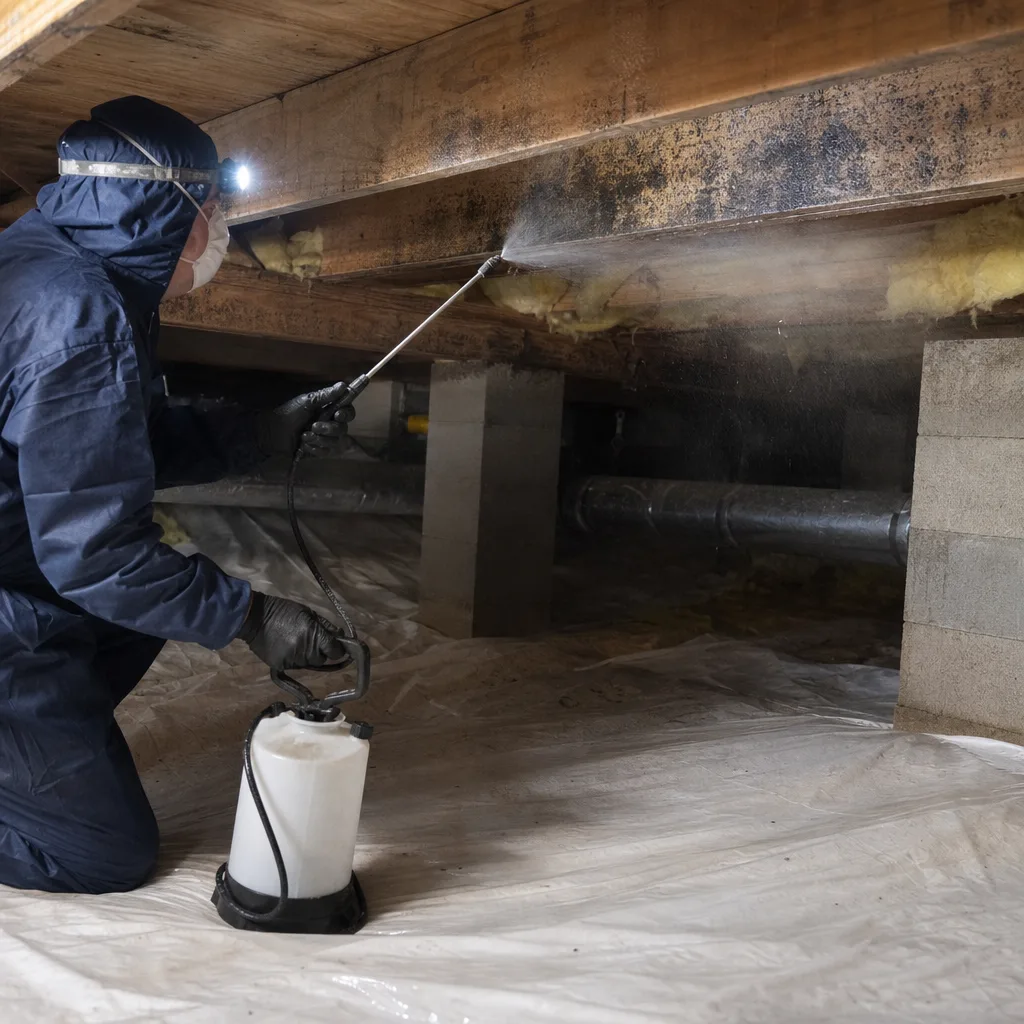
- Assuming clean-looking water is Category 1. A supply line that has been leaking for days, or that passed through a wall cavity with insulation, may have picked up enough contamination to qualify as Category 2. When in doubt, test or treat as Category 2.
- Drying carpet without removing pad. Carpet pad is a reservoir that holds gallons of water and cannot be dried in place. Drying the carpet surface while leaving wet pad underneath guarantees mold within 72 hours, especially in Santee’s warm conditions.
- Using bleach on mold. Bleach does not penetrate porous materials and can actually feed mold by adding moisture. It also produces toxic chloramine fumes when mixed with ammonia-containing cleaners, a common DIY error.
- Skipping permit requirements for reconstruction. Santee requires permits for electrical, plumbing, and structural repairs. Unpermitted work must be disclosed in a sale and can trigger insurance issues if the work is later involved in a loss.
- Failing to document before, during, and after. Without dated photographs and moisture readings, a homeowner cannot prove proper mitigation to an insurer, adjuster, or subsequent buyer. Documentation is not optional; it is the product that professional restoration delivers.
- Ignoring the 48-hour mold window. Mold colonization begins within 24-48 hours of water intrusion. In Santee’s climate, the shorter end of this range applies. Delaying professional response to attempt DIY drying often means crossing the threshold where professional remediation becomes more extensive and expensive.
- Mixing personal and claim funds without documentation. Homeowners who start DIY work and later involve insurance must account for all spending. Commingled funds and missing receipts create audit problems and can reduce claim payment.
When to Call a Professional
Call a professional restoration company when: the water is Category 2 or 3; the affected area exceeds 10 square feet or involves wall cavities, insulation, or subfloors; mold is visible or suspected; the loss involves sewage, fire, smoke, or chemical contamination; the property was built before 1990 and may contain asbestos or lead; an insurance claim is active or anticipated; or the homeowner lacks time, equipment, or training to document the mitigation properly. In Santee, where warm temperatures accelerate microbial growth and hillside construction complicates drainage, the threshold for professional involvement is lower than in cooler, drier climates.
Water Damage Restoration in Santee from DryMark Restoration Santee includes a written price before work begins, documented photo records on every visit, and daily moisture logs that support insurance claim payment. We offer free estimates and a free second opinion on any competitor’s written quote. Call (619) 604-5535 to speak with a live person, 24 hours a day, 7 days a week.
Frequently Asked Questions
Professional restoration for a typical Category 1 water loss of 150 square feet runs $1,800 to $3,200 before insurance, with out-of-pocket cost limited to the deductible, typically $1,000 to $2,500. DIY costs for the same loss range $1,273 to $2,425 when equipment rental, materials, disposal, and time value are fully accounted for, but carry uncapped risk of error correction and claim denial. Call (619) 604-5535 for a written estimate with no obligation - estimates are free under Haven Standard, Clause 1.
Insurance companies often pay less or deny claims entirely when DIY drying lacks documentation. Most policies require mitigation to IICRC standards, and “proper” is defined by documented moisture logs, not by the homeowner’s belief that the area feels dry. Without professional documentation, insurers argue that secondary damage resulted from inadequate mitigation, not the original covered peril. A professionally documented claim with daily drying logs and photo records is more likely to be paid in full.
DryMark Restoration Santee maintains live phone coverage 24 hours a day, 7 days a week with no voicemail on emergency lines. For active water losses, we dispatch background-checked, uniformed technicians with documented license verification. Response time varies by current demand and Santee traffic patterns, particularly during morning and evening rush on SR-52 and Mission Gorge Road. Call (619) 604-5535 for current availability and a realistic arrival window.
For mold under 10 square feet on hard, non-porous surfaces with no hidden growth, cleaning with detergent and water may be adequate. For mold exceeding 10 square feet, involving porous materials, or located in wall cavities, California public health guidelines recommend professional remediation. Above 100 square feet, professional containment, negative air pressure, and respiratory protection are required by Cal/OSHA standards. DIY cleaning of extensive mold without documentation creates liability if the mold returns or is discovered during a future property sale.
Professional restoration firms coordinate directly with adjusters, providing the photo documentation, written scopes, and daily drying logs that support claim approval. At DryMark Restoration Santee, this coordination is standard on every job, not an additional service. We document to IICRC, RIA, and IFA standards specifically because these are the standards adjusters recognize and pay on. Homeowners who DIY must manage adjuster communication themselves, often without understanding what documentation is required for claim approval.
The 365-Day Done Right Promise is a written guarantee under The Haven Standard: if our work is not done right, we make it right within one year of completion. This is not a marketing line. It is a signed warranty on every job, backed by 12,000 homes restored since 2011 with documentation that supports enforcement. The promise exists because documentation-first work is defensible work, and defensible work can be guaranteed.
The Bottom Line
The DIY-versus-professional decision is not about capability or cost savings in the abstract. It is about whether the specific loss category, affected materials, and claim status create thresholds that make self-remediation a documented mistake. Category 1, under 10 square feet, non-porous materials, no insurance claim, proper equipment, and verified drying: these conditions make DIY defensible in Santee. Everything else - Category 2 or 3 water, mold above 10 square feet, fire or smoke damage, active claims, older construction, or any uncertainty about hidden moisture - requires professional restoration with documented compliance to IICRC standards. The cost of professional work is known, written, and insurable. The cost of DIY error is uncapped and uninsured. That is the decision tree. Use it precisely.
Written by Alicia Brennan, Owner at DryMark Restoration Santee, serving Santee since 2011.