
Last updated September 23, 2026
Free visual inspection and a written scope of work before any mitigation begins - photos, moisture readings, and drying logs go in your claim file
The scope we write is the scope we bill. Anything new gets shown to you, in writing, before we touch it.
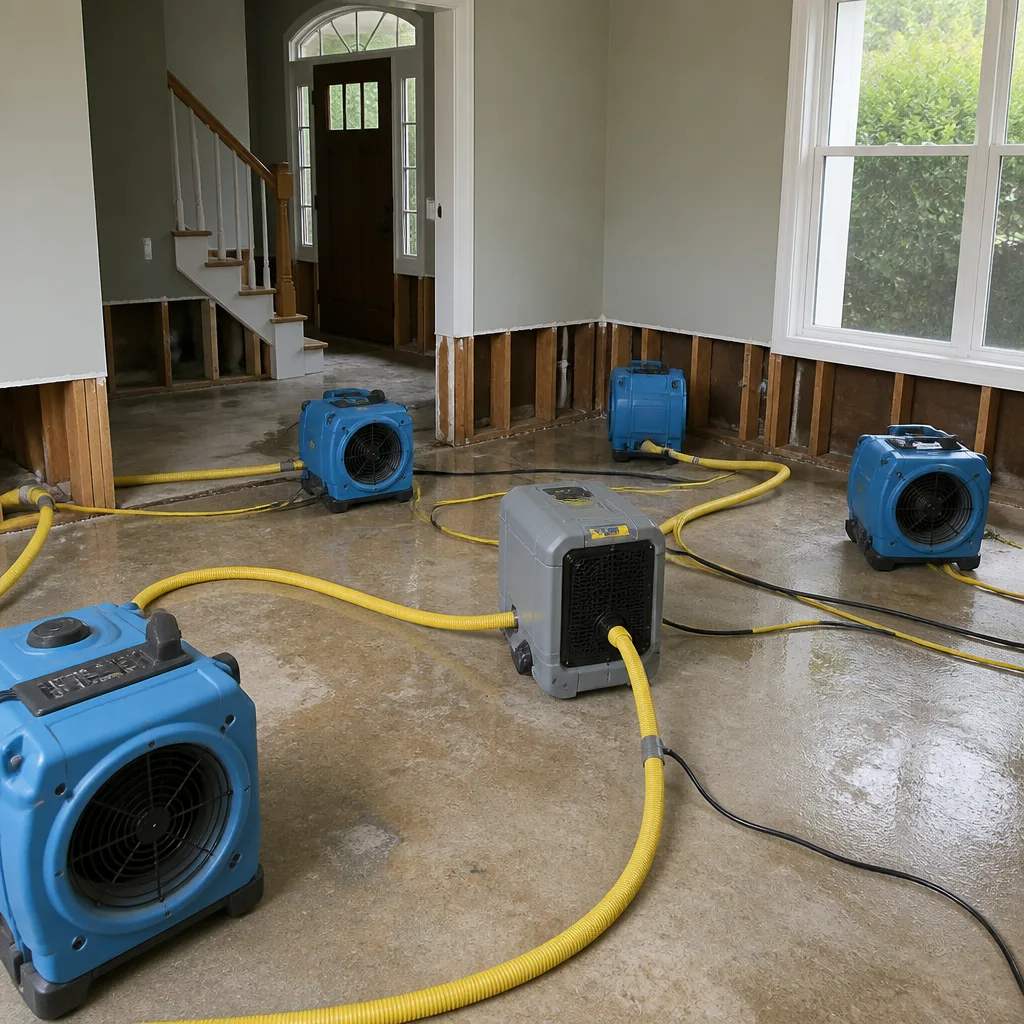
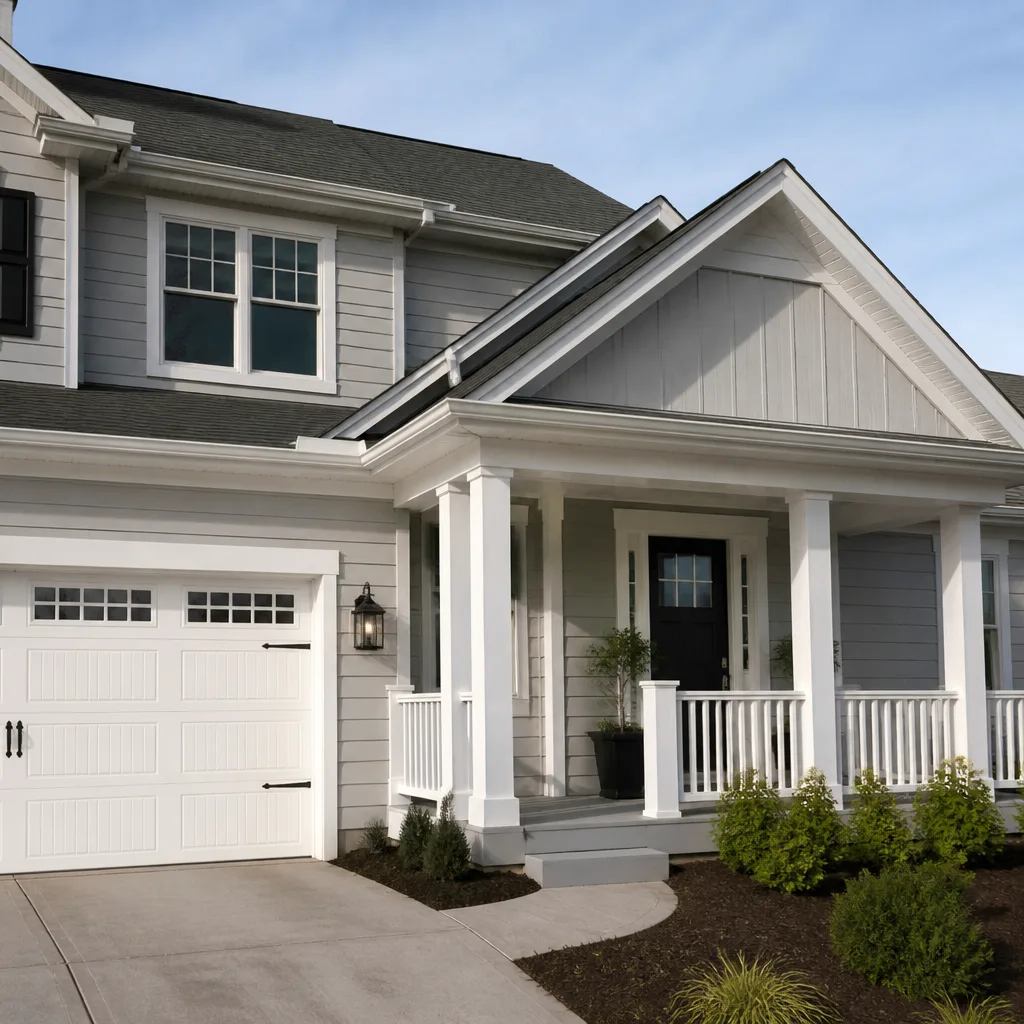
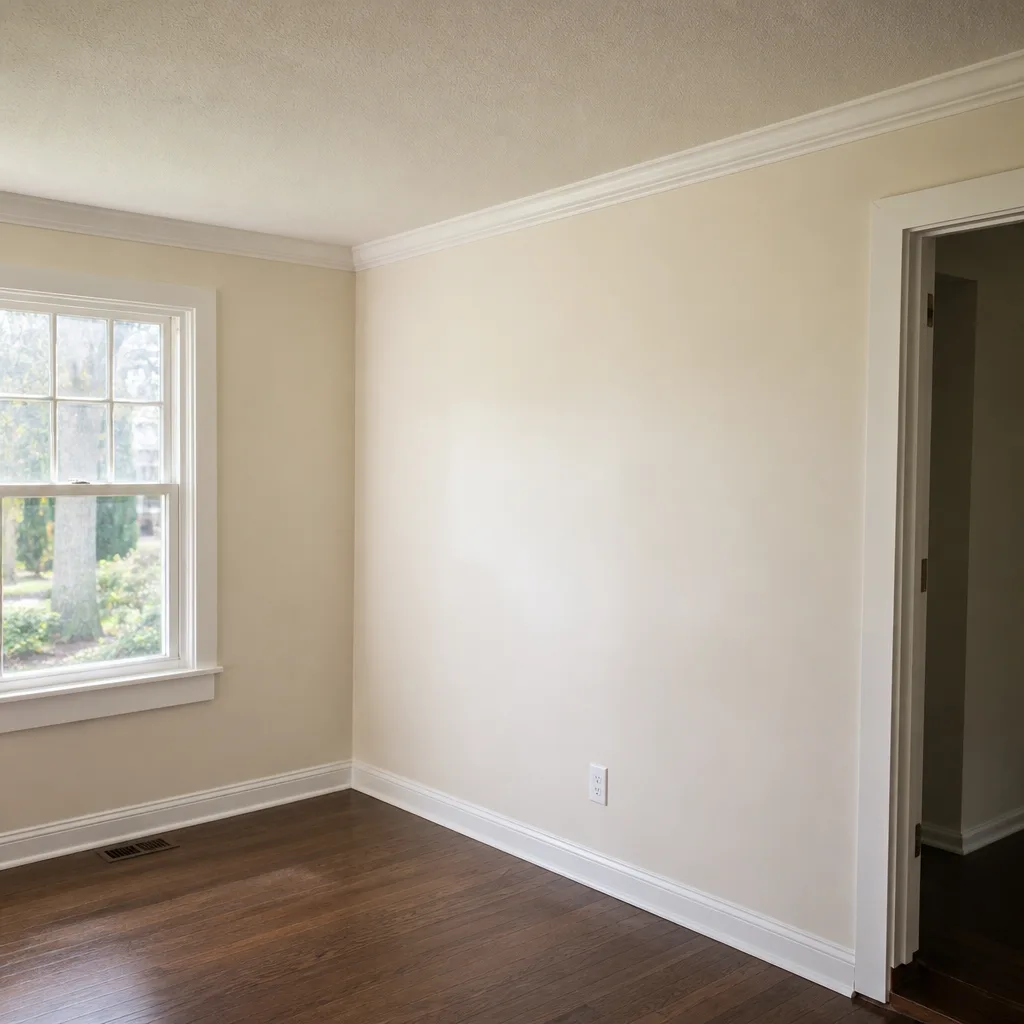
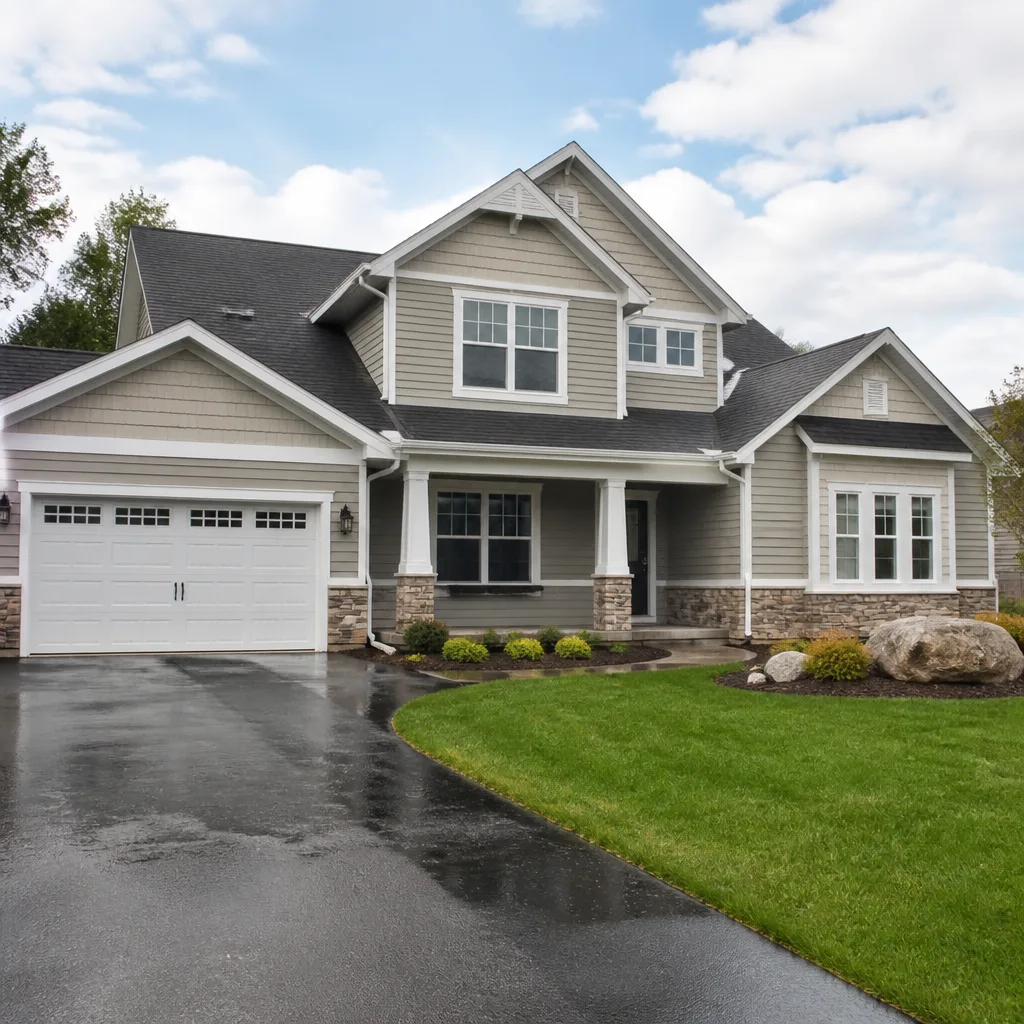
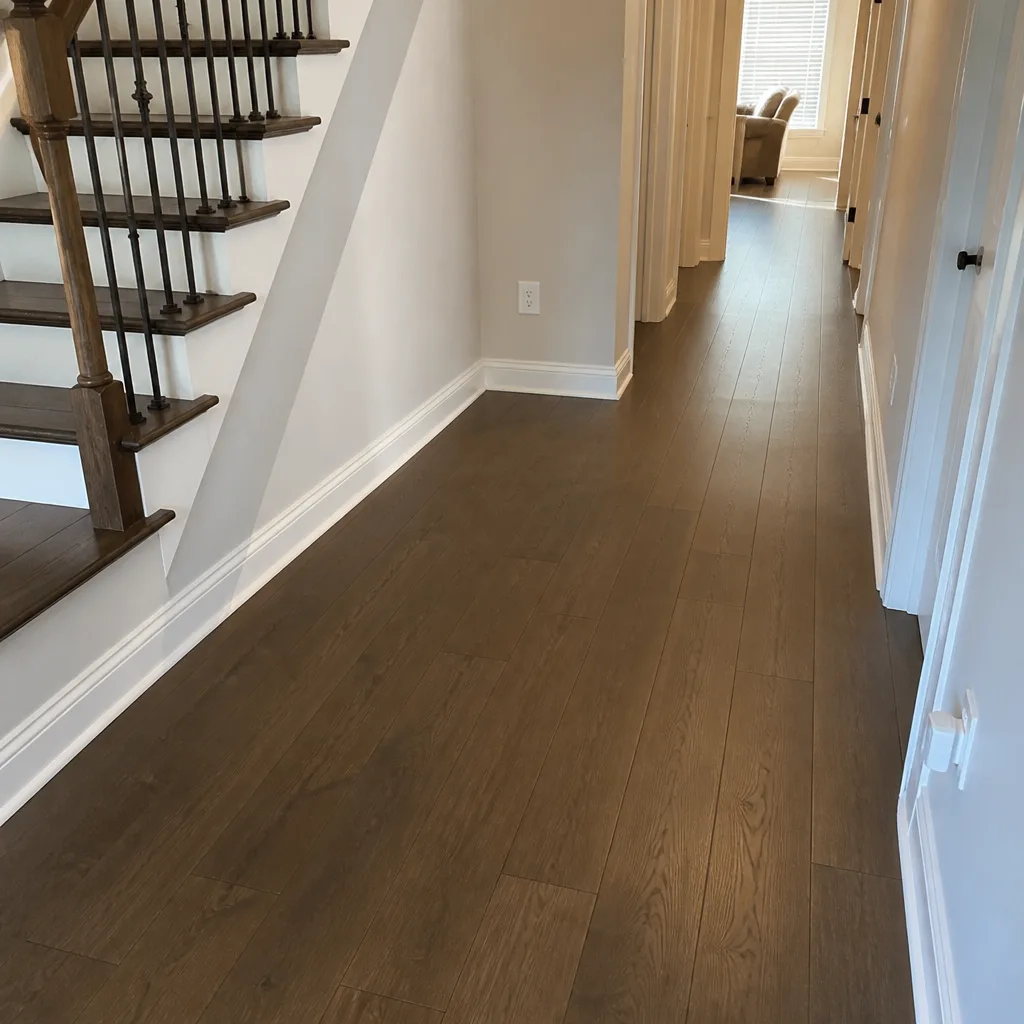
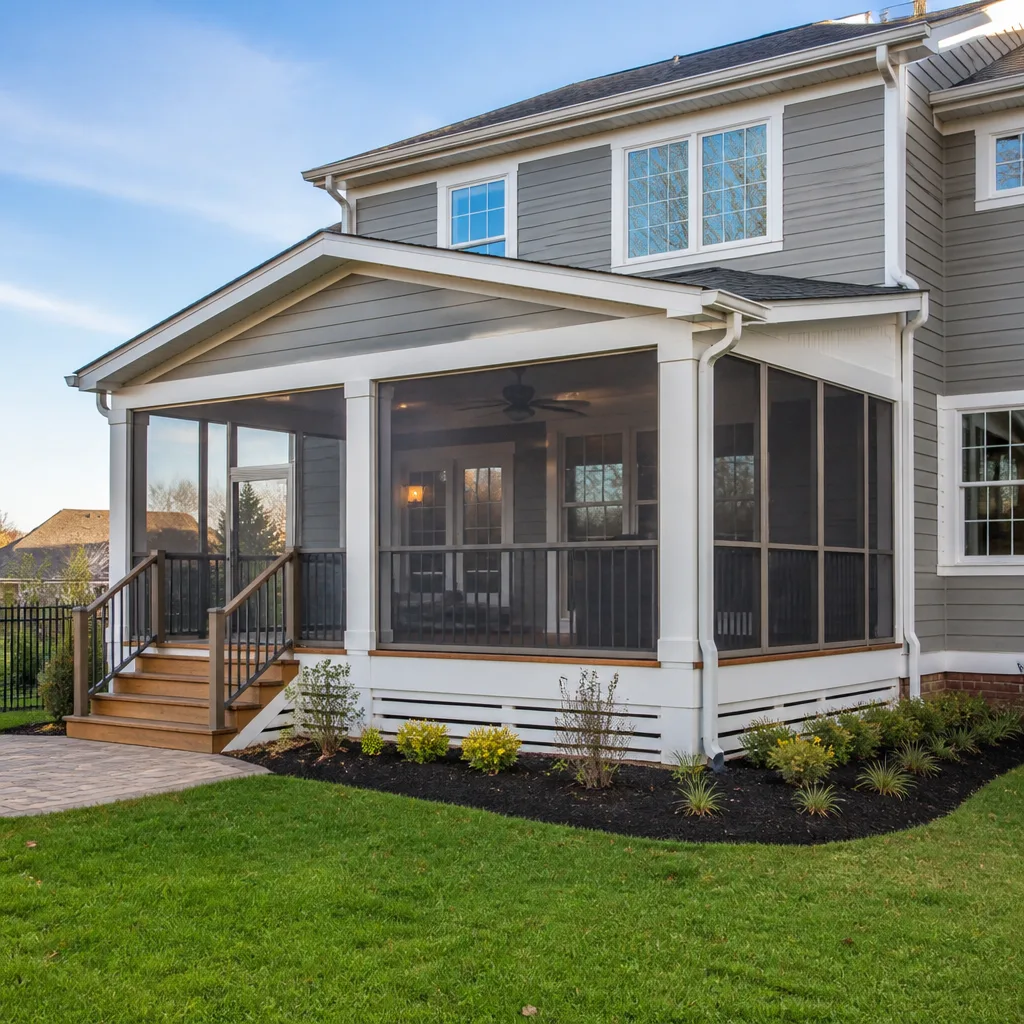
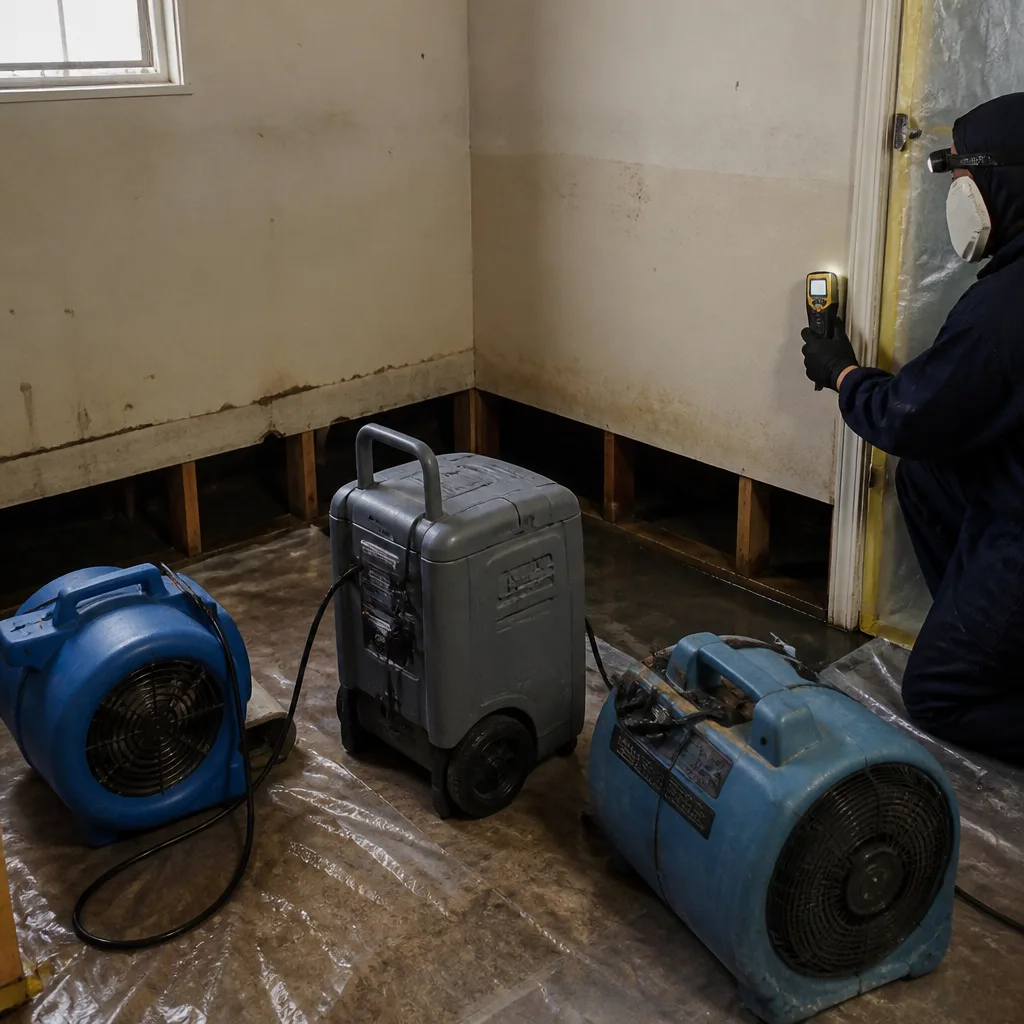 Before
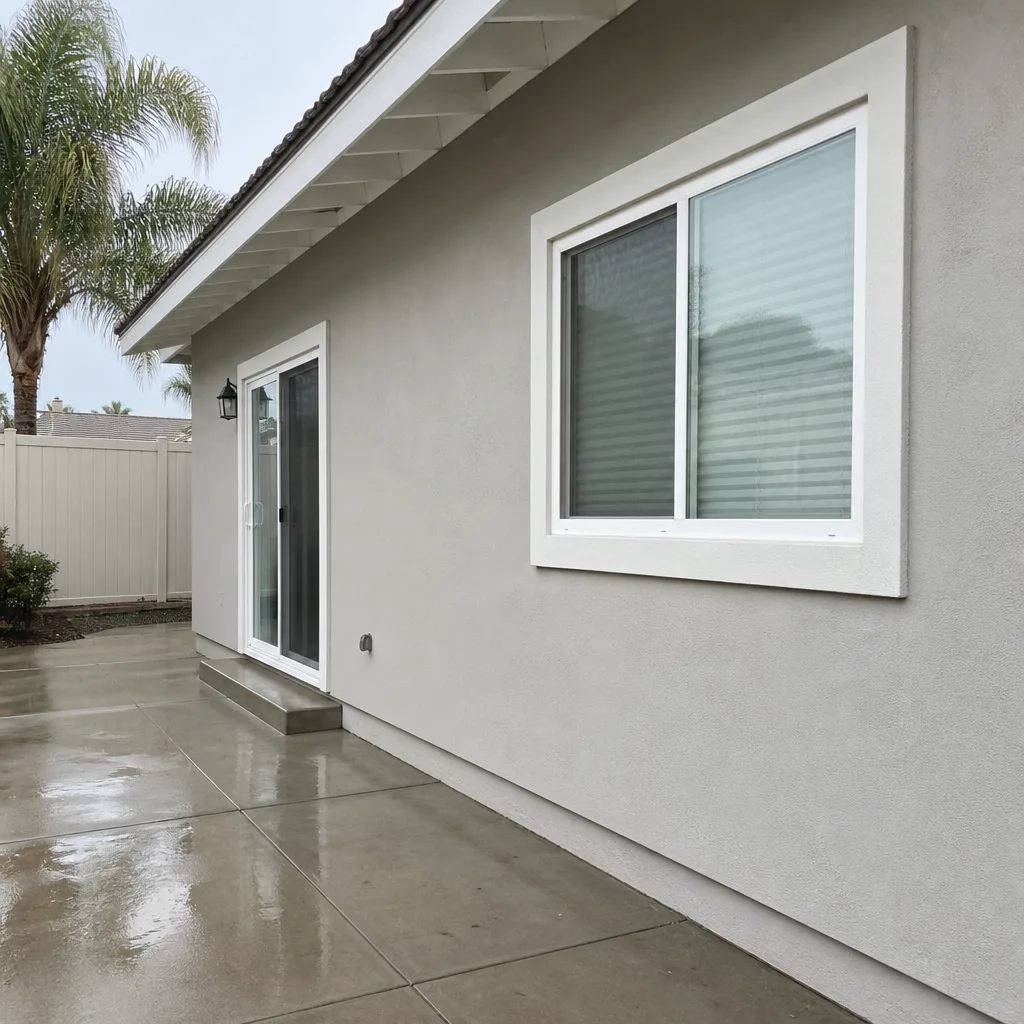 After
After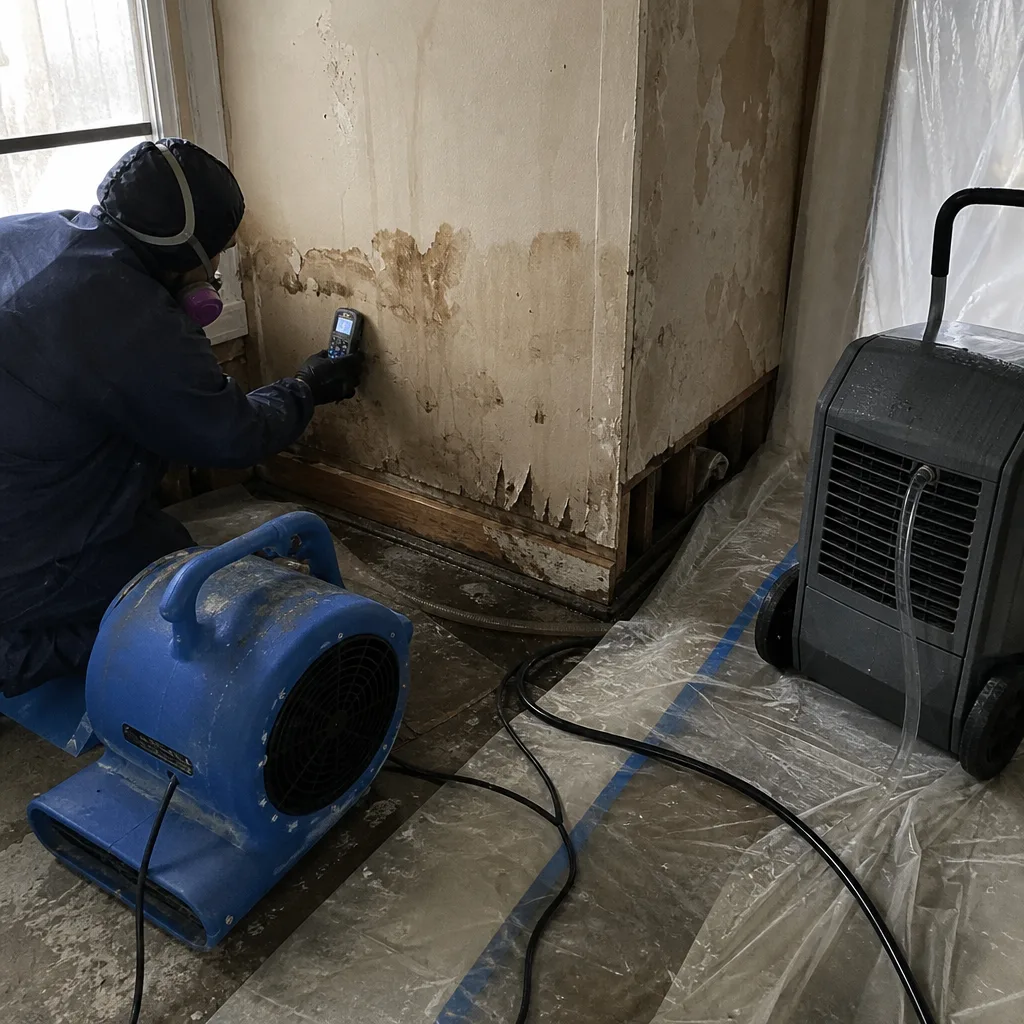 Before
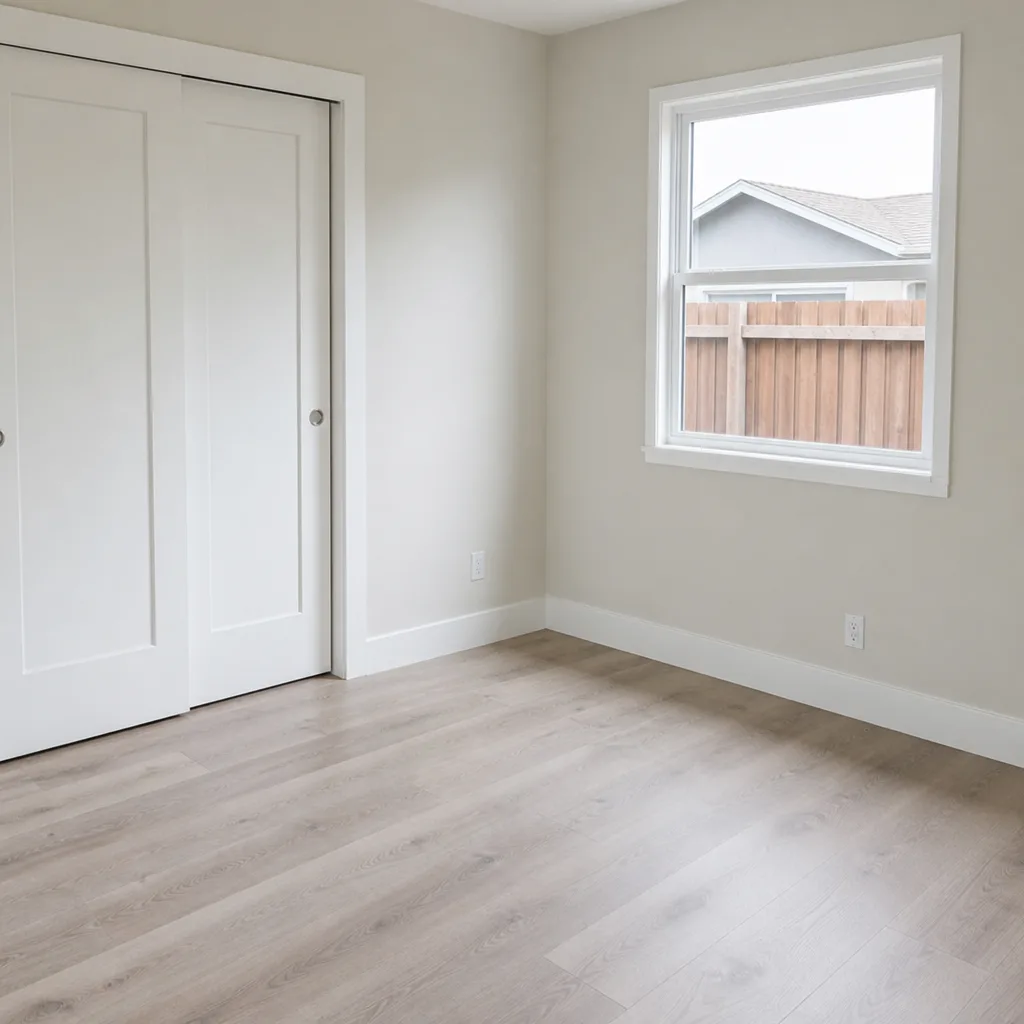 After
After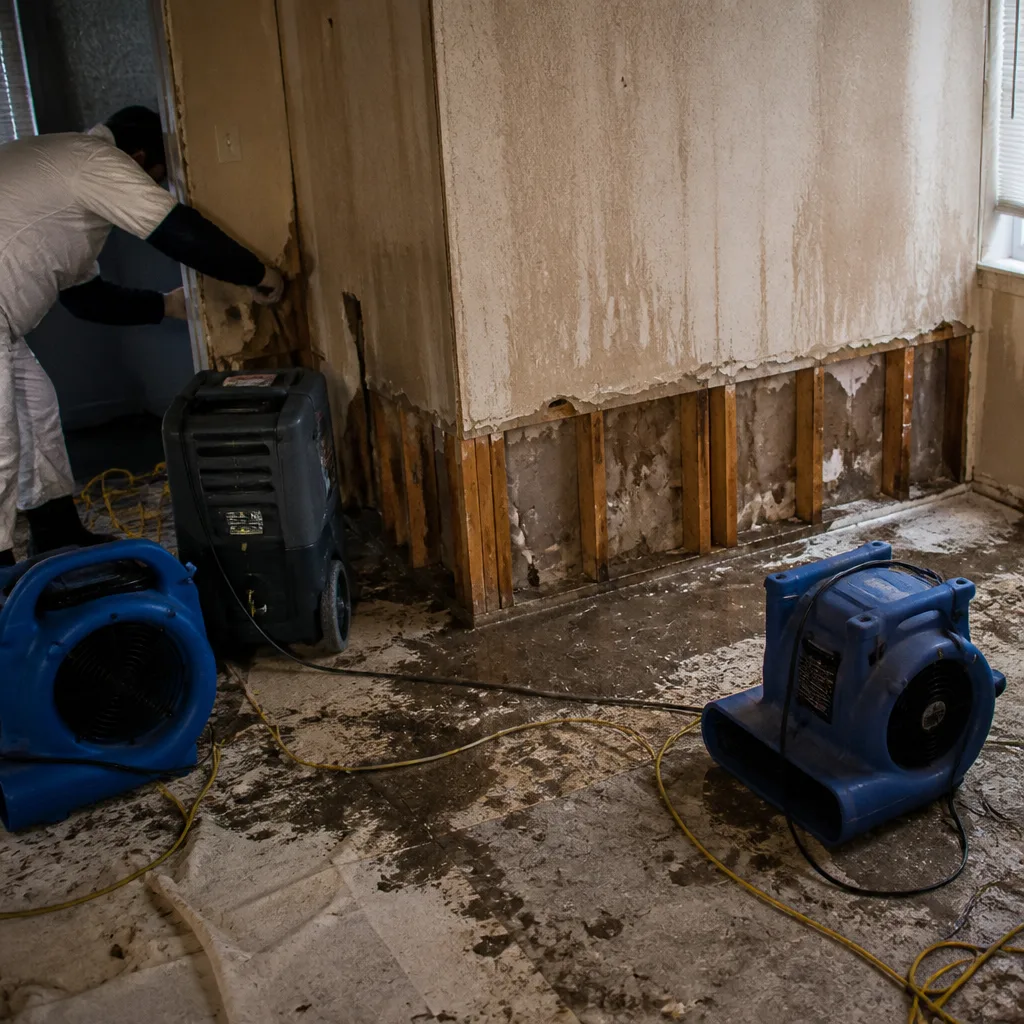 Before
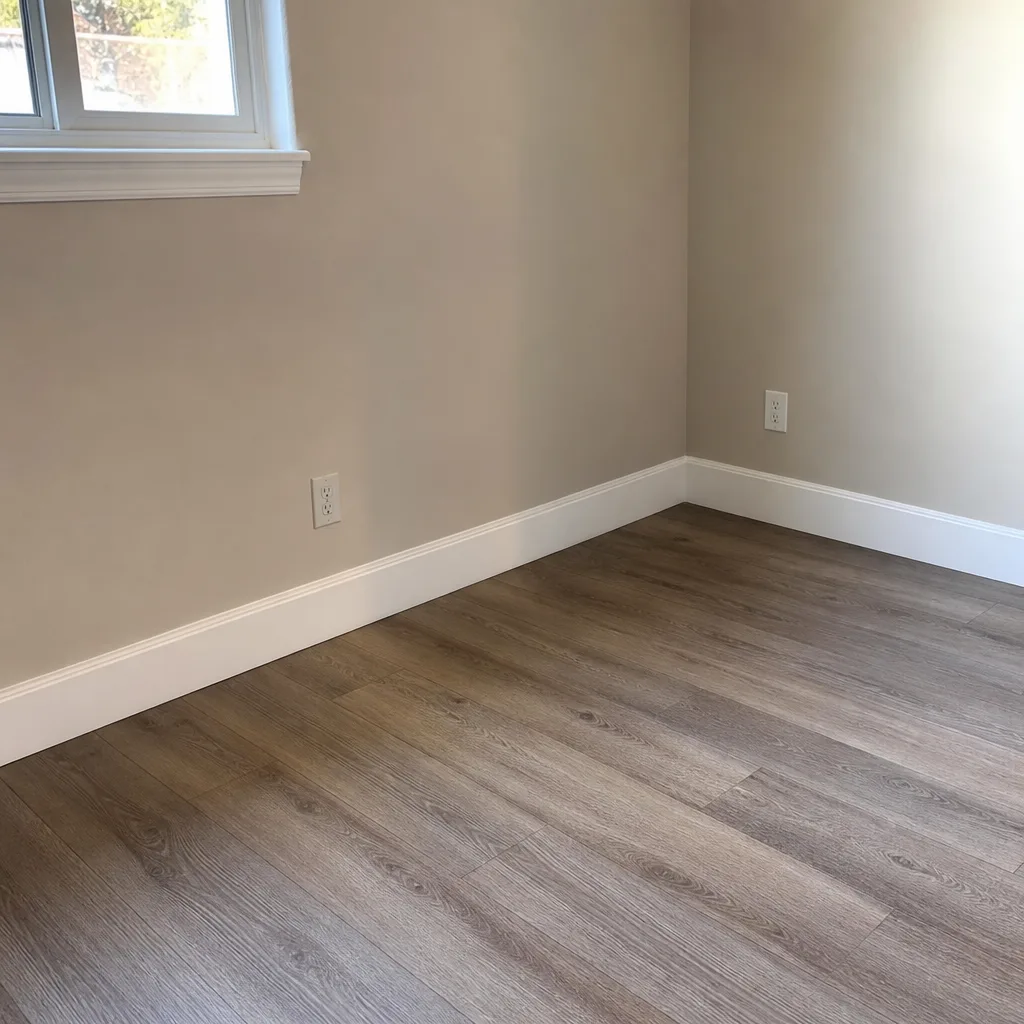 After
AfterHow to Hire a Damage Restoration Contractor in Santee: A Step-by-Step Guide
Signing an Assignment of Benefits form before reading it has cost some California homeowners their right to negotiate their own claim - yet it’s handed over at the door in the first 10 minutes. In Santee, where summer Santa Ana winds push wildfire risk east from Scripps Ranch and winter storm drains back up in the lower Mission Gorge corridor, the contractor who arrives fastest isn’t always the one who leaves your claim intact. This guide turns contractor selection into a credential-and-process audit, building on our Complete Guide to Damage Restoration in Santee. You’ll learn the five documents to demand before work starts, how to read an Xactimate estimate line by line, and the specific red flags that separate legitimate Santee restoration companies from storm chasers working hotel rooms off Highway 52.
Quick Answer
To hire a damage restoration contractor in Santee, verify five documents before signing anything: an active CSLB license, current IICRC certification, certificate of insurance with general liability and workers’ comp, a written scope of work, and a written price. Request Xactimate line-item estimates rather than lump-sum bids, refuse Assignment of Benefits pressure until your insurer has been notified, and confirm the contractor’s equipment inventory matches your job size. In Santee, legitimate contractors maintain documented drying logs and photo records as standard deliverables, not upsells - a practice we cover in our Water Damage Restoration Maintenance Checklist for Santee Homeowners.
Table of Contents
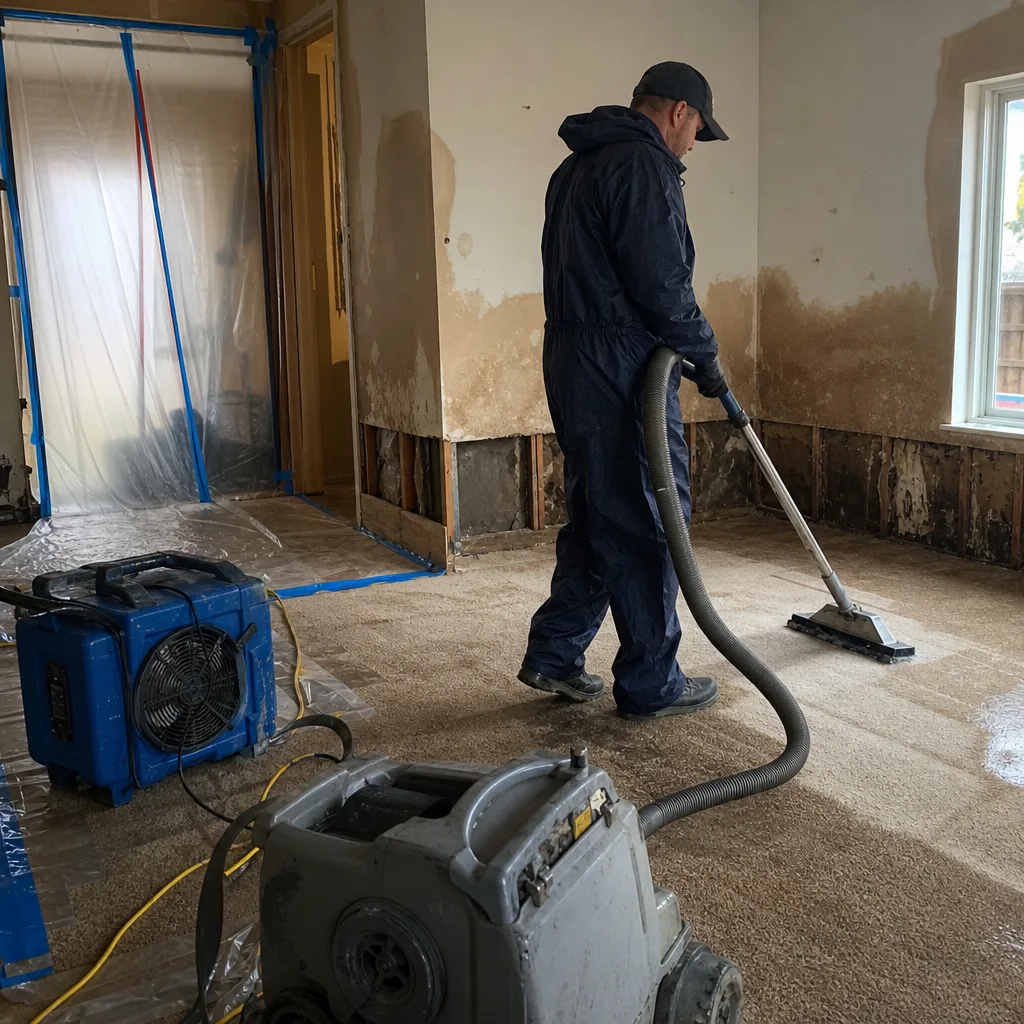
- The Five Documents to Request Before Work Begins
- Understanding Assignment of Benefits: What You’re Actually Signing Away
- How to Compare Bids Using Xactimate Line Items
- Verifying Equipment Inventory Against Job Size
- Red-Flag Contractor Behaviors in Post-Disaster Santee
- Coordinating with Your Insurance Adjuster
- Common Mistakes to Avoid
- When to Call a Professional
- Frequently Asked Questions
- The Bottom Line
 Before
 After
AfterThe Five Documents to Request Before Work Begins
Every restoration contractor in California must produce five documents on request. No exceptions. If any are missing, the conversation ends.
1. CSLB License Verification
California requires a CSLB (Contractors State License Board) license for any water, fire, or mold remediation work exceeding $500. The license number should be printed on every proposal, business card, and vehicle door. Verify it at cslb.ca.gov. In Santee, we’ve seen unlicensed operators use a relative’s number or claim “pending” status for months. A pending application is not a license. Check the classification: B-General Building permits structural work, while C-61/D-49 allows limited specialty work. For full-service restoration after significant water or fire damage, the contractor needs appropriate classifications or qualified subcontractors with documented relationships.
2. IICRC Certification
The Institute of Inspection, Cleaning and Restoration Certification sets the industry standard for water damage (WRT), fire and smoke (FSRT), and mold remediation (AMRT). Certification isn’t a one-time event - it requires continuing education. Ask when the lead technician’s current certification expires. A technician certified in 2019 with no renewal has missed significant protocol updates, including the 2021 S500 revision on psychrometric monitoring. At DryMark Restoration Santee, our technicians maintain current WRT and AMRT certifications, with documentation available before mobilization.
3. Certificate of Insurance
Request a certificate showing general liability (minimum $1 million per occurrence) and workers’ compensation. The certificate should name you or your property address as certificate holder if work is imminent. Verify the policy dates: some contractors maintain annual policies that lapse for 30-60 days to save premiums, then restart coverage. In Santee’s hilly terrain, with crews working on multi-level homes in neighborhoods like Sky Ranch and Carlton Hills, workers’ comp isn’t optional. An uninsured worker injured on your property becomes your liability.
4. Written Scope of Work
This document defines exactly what will be done, in what sequence, with what materials, and to what standard. It should reference IICRC S500 (water), S520 (mold), or S740 (fire) protocols by section. Vague language like “dry affected areas” or “treat for mold” is unacceptable. A proper scope specifies: square footage of affected materials, classification of water loss (Category 1, 2, or 3), dehumidification capacity in pints per day, and drying goals expressed as specific moisture content percentages for each material type.
5. Written Price
Haven Standard, Clause 1: written price before work begins. Every time, with no exceptions. The price should be line-itemed, not lump-sum, and should reference Xactimate pricing codes where applicable. Verbal estimates, “ballpark” figures, or “we’ll bill your insurance” without a written cap expose you to scope creep. We’ve reviewed competitor invoices where a $3,200 initial estimate became $11,700 with no change order documentation. That doesn’t happen with a written price under The Haven Standard.
Understanding Assignment of Benefits: What You’re Actually Signing Away
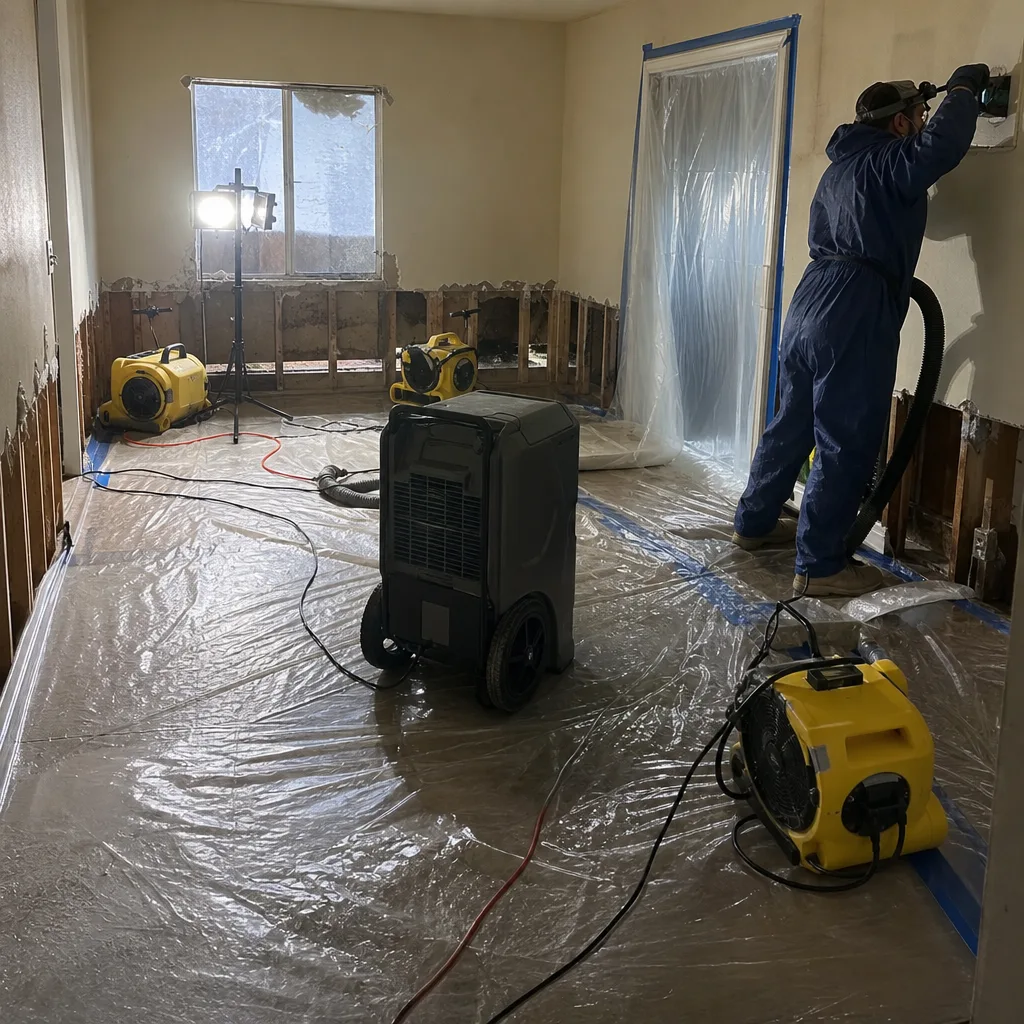
An Assignment of Benefits (AOB) transfers your right to receive insurance payments directly to the contractor. In Florida, AOB abuse became so widespread that the legislature restricted its use. California hasn’t gone that far, but the risks remain identical.
When you sign an AOB, the contractor bills your insurer directly and collects payment without your review. You lose the ability to dispute charges, negotiate settlements, or even know what was billed until it’s too late. Some contractors combine AOBs with direction-to-pay clauses that give them legal standing to sue your insurer directly - with your policy potentially cancelled as a result.
Here’s when an AOB might be appropriate: never in the first 24 hours. Before considering any assignment, you should have notified your insurer, received a claim number, and understood your coverage limits and deductible. Your adjuster needs to inspect before work begins where possible, or at minimum be aware that emergency mitigation is underway. The contractor should document every action with photos and written logs that you - not just the contractor - can provide to your insurer.
In Santee, where many homeowners carry policies with Citizens or other carriers sensitive to AOB litigation, we’ve seen claims delayed six months while insurers dispute contractor charges that the homeowner never reviewed. The alternative is simple: pay your deductible directly, let the contractor bill you for the balance, and submit documentation to your insurer for reimbursement. You maintain control. The contractor still gets paid. Your claim stays clean.
At DryMark Restoration Santee, we do not require AOB signatures to begin emergency work. Our documentation package - photo record, drying log, written scope - is designed for direct homeowner submission to any insurer.
How to Compare Bids Using Xactimate Line Items
Xactimate is the pricing engine used by most U.S. insurers, including State Farm, Allstate, Farmers, and USAA. When contractors use Xactimate line items, they’re speaking the same language as your adjuster. When they don’t, someone pays the difference - and it’s usually you.
Why Lump-Sum Bids Fail
A lump-sum bid of $8,500 for “water damage restoration” tells you nothing. Is that for extraction, drying, or reconstruction? What equipment? For how many days? Without line items, you can’t verify that the bid matches your actual loss. Worse, insurers routinely reject lump-sum invoices or apply arbitrary depreciation, leaving you to cover the gap.
Reading an Xactimate Estimate
Every Xactimate line item includes a code, description, quantity, unit price, and total. Here’s what to verify:
- Equipment codes: DRYD (dehumidifier), AIRM (air mover), INJP (injection drying). Check quantities against your affected square footage. A 2,000 square foot home with Category 2 water damage typically needs 4-6 air movers per affected room plus 1-2 large dehumidifiers per 1,000 square feet.
- Labor codes: WTRMIT (water mitigation labor), MLDREM (mold remediation labor). Hours should be reasonable for the scope described. 40 hours for a 10×10 bathroom suggests either excessive demolition or inflated billing.
- Material codes: DRYWL (drywall), INSUL (insulation), FLRCL (floor covering). These should match your pre-loss materials, not upgrades you didn’t request.
- Overhead and profit (O&P): Typically 10% overhead plus 10% profit on trades where the contractor coordinates multiple subcontractors. Single-trade jobs may not qualify. Question O&P added to a simple drying job with no reconstruction.
The Santee Pricing Context
Xactimate pricing varies by ZIP code. Santee falls within the San Diego pricing region, which runs 15-20% above national averages due to labor costs and material transport. A contractor using Phoenix or inland Empire pricing for a Santee job is either inexperienced or deliberately underbidding with plan to supplement later. Request that the estimate specify San Diego region pricing.
At DryMark Restoration Santee, every estimate is line-itemed in Xactimate with San Diego regional pricing. Our water damage restoration in Santee estimates include equipment codes, daily rates, and drying day projections based on psychrometric calculations - not guesses.
Verifying Equipment Inventory Against Job Size
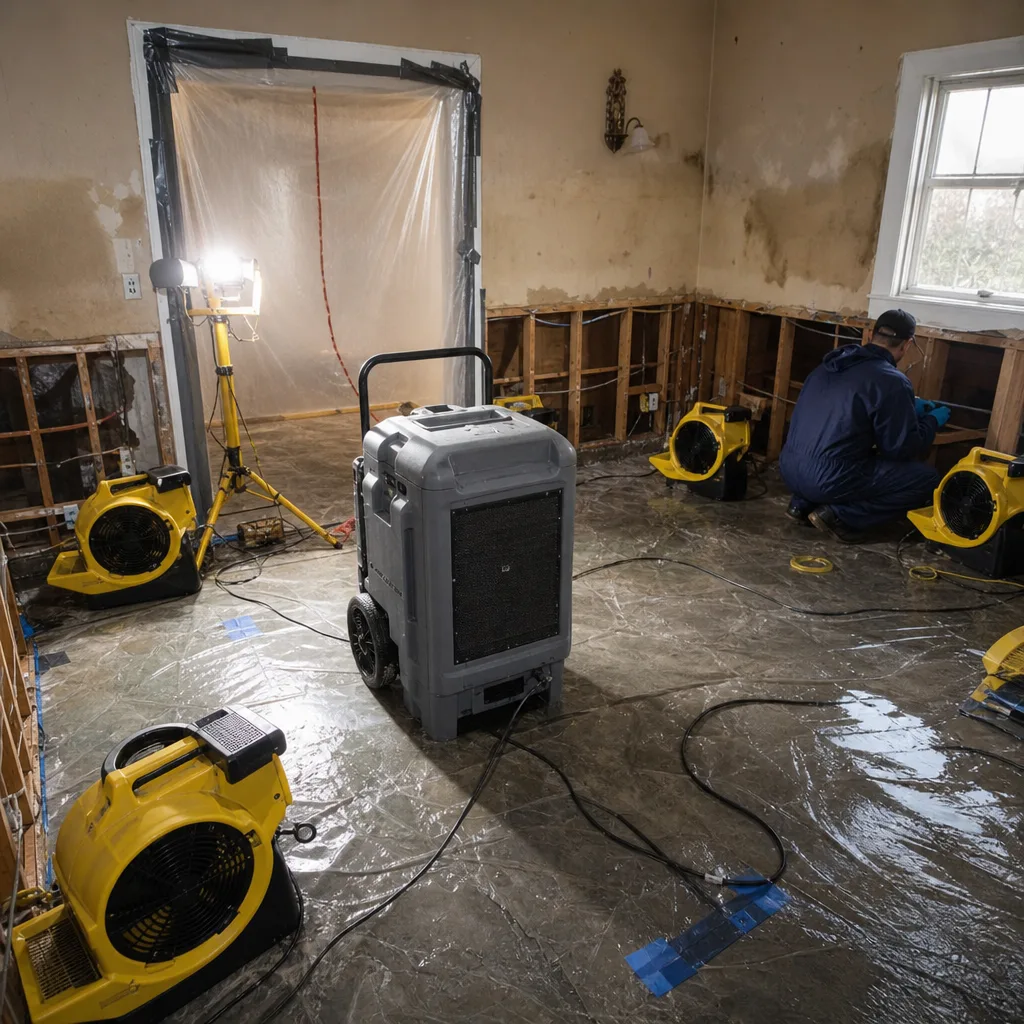
A contractor’s equipment inventory determines whether your home dries properly or incubates secondary damage. In Santee’s climate, where summer humidity drops to 40% but winter marine layers push it past 80%, drying strategy must adapt to conditions - a topic we detail in our Seasonal Damage Restoration Care for Santee: Year-Round Homeowner’s Guide - not just apply a standard protocol.
Essential Equipment Categories
- LGR dehumidifiers: Low-grain refrigerant units remove moisture below 40 grains per pound, essential for structural drying. A typical Santee single-family home needs 100-150 pints per day capacity for Category 2 losses. Ask for the specific model: Dri-Eaz LGR 7000XLi or Phoenix R200 are industry standards.
- Air movers: Axial or centrifugal fans create airflow across wet surfaces. Quantity should equal one per 50-70 square feet of affected floor area, plus corner and wall cavity units.
- Thermal imaging cameras: FLIR or equivalent infrared cameras detect moisture behind walls and under flooring that visual inspection misses. If a contractor doesn’t own one, they can’t verify drying completeness.
- Moisture meters: Pin and pinless meters for different materials, calibrated annually. Ask when the technician’s meter was last calibrated.
- Negative air machines and HEPA filtration: Required for mold remediation and Category 3 water losses. Verify HEPA certification (99.97% at 0.3 microns).
- Injection drying systems: For hardwood floors and wall cavities. Injectidry systems allow targeted drying without full demolition, preserving original materials when possible.
The Equipment Audit Question
Ask this directly: “How many LGR dehumidifiers and air movers do you have in your current inventory, and how many are deployed on other jobs right now?” A contractor with two dehumidifiers total cannot handle multiple Santee losses during a winter storm event. We’ve seen companies rent equipment from Home Depot and bill it at professional rates. Equipment should be owned, maintained, and documented with serial numbers in your job file.
At DryMark Restoration Santee, our inventory includes Dri-Eaz and Phoenix LGR units, B-Air and XPOWER air movers, and Injectidry systems for hardwood preservation. Equipment deployment is logged with serial numbers and initial moisture readings at setup.
Red-Flag Contractor Behaviors in Post-Disaster Santee
Disaster creates opportunity for operators who wouldn’t survive normal market scrutiny. After the 2023 storms that flooded lower Santee near the San Diego River, we documented specific patterns that homeowners should recognize immediately.
Storm Chasers: The Out-of-State Plate Problem
Legitimate Santee contractors have California license plates, local business licenses, and crews who know that Carlton Oaks Drive floods at the Mission Gorge underpass. Out-of-state plates on work trucks, generic “24/7 Restoration” magnets over permanent signage, and crews sleeping in extended-stay hotels off Highway 52 are indicators of transient operators. These companies often collect insurance checks and disappear before warranty issues surface. Verify the business address: a UPS store mailbox or virtual office is not a restoration company headquarters.
Verbal-Only Pricing
Any contractor who won’t put a price in writing before starting work is planning to adjust it later. The pressure line is usually “we need to start now to prevent mold” or “insurance will cover it.” Both statements may be true, but neither justifies bypassing Haven Standard, Clause 1. Written price before work begins. Every time.
Pressure to Sign Before Insurer Contact
The contractor who discourages you from calling your insurer first is protecting their billing practices, not your interests. Your policy likely requires prompt notification. Delayed reporting can reduce or void coverage. A legitimate contractor assists with insurer notification, doesn’t prevent it.
AOB Push at the Door
If the first document presented is an Assignment of Benefits, not a scope of work, the contractor’s business model is built on claim volume, not restoration quality. In Santee’s competitive insurance market, where many homeowners carry high-deductible policies, AOB pressure is particularly profitable for contractors who inflate emergency service charges.
No Documentation Commitment
Ask: “Will I receive daily drying logs, a photo record of every visit, and a final moisture reading report?” A contractor who hesitates, offers these as “optional upgrades,” or claims “we’ll have it ready at the end” is not running a documentation-first operation. These aren’t extras. They’re the evidence your insurer needs to pay your claim and your warranty needs to prove completeness.
Coordinating with Your Insurance Adjuster
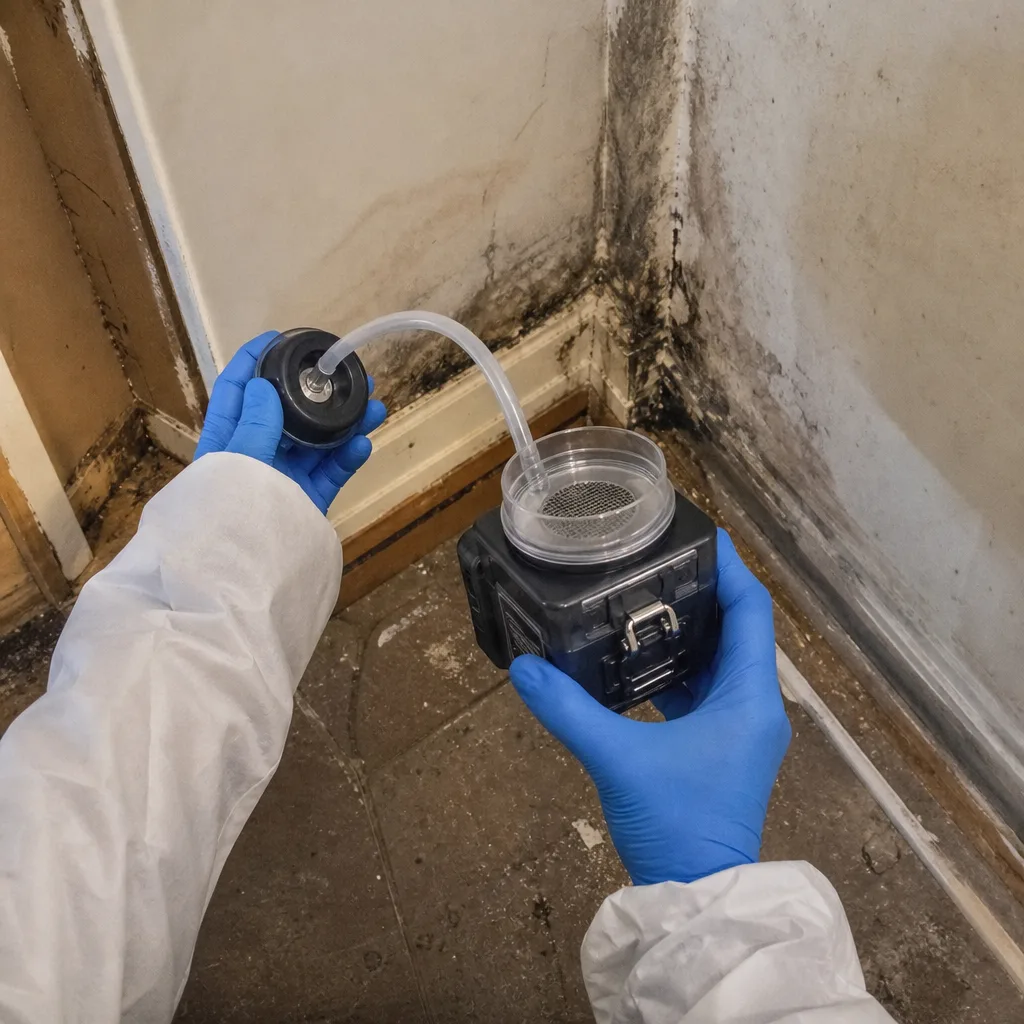
The best restoration outcome occurs when contractor documentation and adjuster expectations align before work starts. Misalignment costs homeowners thousands in uncovered charges.
Document Before You Dry
Photograph everything before any equipment runs or materials are removed. Your contractor should do this as standard practice, but backup documentation protects you. In Santee’s hillside homes, where water travels along foundation lines and appears far from the original leak, pre-mitigation photos establish the full extent of loss.
Understand Your Coverage Type
Actual Cash Value (ACV) policies pay depreciated value, meaning you’ll receive less than replacement cost unless you complete repairs and submit receipts. Replacement Cost Value (RCV) policies pay full replacement, but only after work is documented and completed. Know which you carry before work begins - it affects your out-of-pocket exposure and the contractor’s billing sequence.
The Supplement Process
Even precise initial estimates require supplements when hidden damage is discovered. The difference between legitimate supplements and billing abuse is documentation. A legitimate supplement includes: photos of the newly discovered damage, written explanation of why it wasn’t visible initially, Xactimate line items with codes, and adjuster approval before work proceeds. Contractors who perform work first and seek approval later are gambling with your coverage.
At DryMark Restoration Santee, we coordinate directly with adjusters using the same Xactimate platform, providing photo documentation and moisture logs that support efficient claim processing. Our fire and smoke damage restoration in Santee includes detailed scope revisions with adjuster pre-approval for any structural repairs beyond initial estimates.
Common Mistakes to Avoid
- Choosing by response speed alone. The first truck to arrive isn’t necessarily the best equipped. A 30-minute delay for a contractor with proper documentation practices beats immediate mobilization by an operator who’ll leave your claim unsupported.
- Accepting a “verbal authorization” start. California law doesn’t require written contracts for emergency work, but your insurer does. Without a written scope and price, you have no claim documentation.
- Signing documents while in distress. Homeowners facing water pouring through ceilings or smoke damage throughout their home are vulnerable to pressure. Ask for documents to review privately, or with a trusted advisor, before signing. Any legitimate contractor will allow this.
- Ignoring neighborhood-specific risks. Santee’s Sky Ranch area sees different mold patterns than river-adjacent properties near Mast Park due to elevation and airflow. A contractor who treats every Santee home identically hasn’t assessed your specific conditions.
- Failing to verify equipment on site. Count the dehumidifiers and air movers deployed. Check serial numbers against the estimate. Mismatches between promised and actual equipment indicate either sloppy management or intentional understaffing.
- Neglecting the final walkthrough. Before final payment, verify moisture readings meet drying goals, photo documentation is complete, and all warranty documents are in hand. The Haven Standard 365-Day Done Right Promise requires a signed completion certificate - anything less is incomplete.
When to Call a Professional
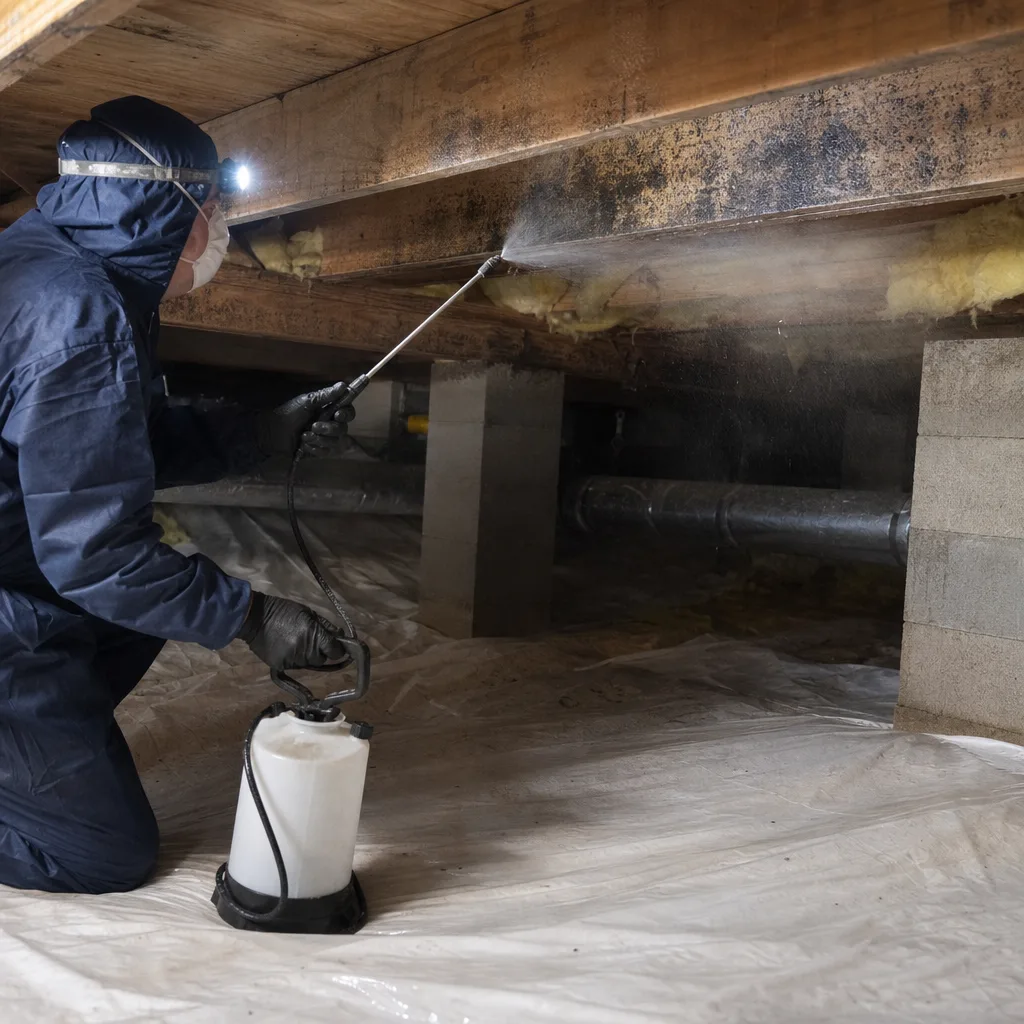
Some situations demand immediate professional response regardless of your DIY comfort level. Mold remediation in Santee requires containment and negative air pressure when affected areas exceed 10 square feet, per EPA guidelines and California Department of Public Health protocols. Category 3 water losses - sewage backup, river flooding, or any water standing more than 48 hours - contain pathogens requiring professional PPE and disposal permits.
Fire damage presents hidden structural risks: compromised roof trusses, damaged electrical systems, and toxic combustion byproducts that standard cleaning won’t address. In Santee’s older neighborhoods near the original town center, homes built before 1980 may contain asbestos in flooring or insulation disturbed by fire or water damage - requiring certified abatement before reconstruction.
DryMark Restoration Santee offers free estimates in Santee and surrounding communities. Call (619) 604-5535 to schedule assessment, request a free second opinion on any competitor’s written estimate, or discuss documentation requirements for your specific insurance policy.
Frequently Asked Questions
Water mitigation typically ranges from $1,200 for limited extraction and drying to $6,500+ for whole-home Category 2 losses with hardwood floor injection drying. Mold remediation averages $15-$30 per square foot of contained area, with containment and air scrubbing adding $800-$1,500 per zone. Fire and smoke restoration starts around $3,000 for limited structural cleaning and can exceed $25,000 for full reconstruction. These ranges reflect San Diego regional Xactimate pricing. For an exact quote on your specific loss, call (619) 604-5535 - estimates are free, and Haven Standard, Clause 1 requires a written price before any work begins.
Coverage depends on your policy type, cause of loss, and documentation quality. RCV policies cover full replacement cost after completion; ACV policies pay depreciated value. Most homeowner policies cover sudden and accidental water damage but exclude long-term leaks, flooding without separate flood coverage, and maintenance-related issues. The single biggest factor in full reimbursement is documentation: photo records, moisture logs, and Xactimate line-item estimates that map directly to your policy language. Contractors who provide this as standard practice, not upsells, maximize your recovery.
Emergency mitigation response should be within 1-2 hours for active water losses, as every hour of delay increases secondary damage risk. However, speed of arrival and quality of documentation are separate variables. A contractor who arrives in 45 minutes with no moisture meters and no photo documentation protocol is not prepared to protect your claim. For reconstruction and non-emergency work, scheduling typically ranges 3-10 days depending on scope and permit requirements. Call (619) 604-5535 for current emergency response availability.
DIY cleaning is appropriate for Category 1 water losses under 10 square feet, with no porous materials affected, and no delay beyond 24 hours. Beyond those parameters, professional intervention protects both health and insurance coverage. Self-performed mold remediation without containment can spread spores throughout HVAC systems. Category 2 or 3 water losses require antimicrobial application and disposal documentation that insurers require for coverage. Most importantly, DIY work voids your ability to document pre-loss condition for your claim.
You retain final responsibility for your claim, but a documentation-first contractor should coordinate directly with your adjuster using shared platforms and formats. At DryMark Restoration Santee, we provide adjusters with Xactimate estimates, daily drying logs with psychrometric data, and timestamped photo records through every phase. This direct coordination reduces claim processing time and dispute frequency. You remain informed and in control, but not burdened with technical translation between trades.
Stop the conversation. Legitimate contractors in Santee understand that emergency decisions still require verification. Request the five documents listed in this guide, take photographs of your damage independently, and contact your insurer for claim guidance. Any contractor who cannot wait 30 minutes for you to verify credentials or who claims “your insurance requires my signature today” is misrepresenting standard practice. The California Department of Insurance maintains a consumer hotline for contractor pressure complaints: use it if needed.
The Bottom Line
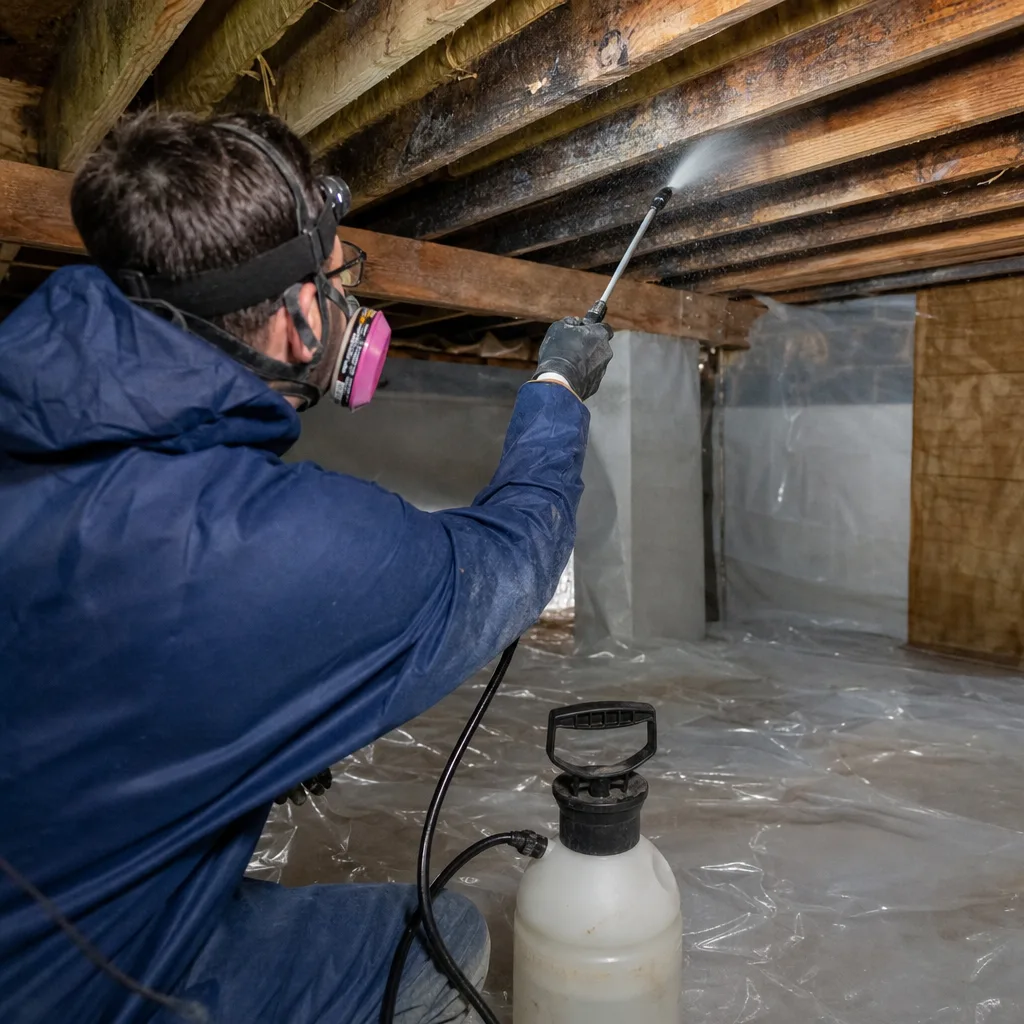
Hiring a damage restoration contractor in Santee is not a personality decision or a speed contest. It’s a documentation audit with five required checkpoints: verified license, current certification, valid insurance, written scope, and written price. The contractor who treats these as standard practice, not obstacles to rapid mobilization, is the contractor who’ll leave your home dry, your claim supported, and your warranty enforceable. Demand Xactimate line items, refuse Assignment of Benefits pressure until your insurer is informed, and verify that equipment inventory matches your job’s actual requirements. The flood or fire was the emergency. Choosing your contractor is the decision that determines whether that emergency becomes a resolved claim or a six-month dispute.
Written by Alicia Brennan, Owner at DryMark Restoration Santee, serving Santee since 2011.