
Last updated September 23, 2026
Free visual inspection and a written scope of work before any mitigation begins - photos, moisture readings, and drying logs go in your claim file
The scope we write is the scope we bill. Anything new gets shown to you, in writing, before we touch it.
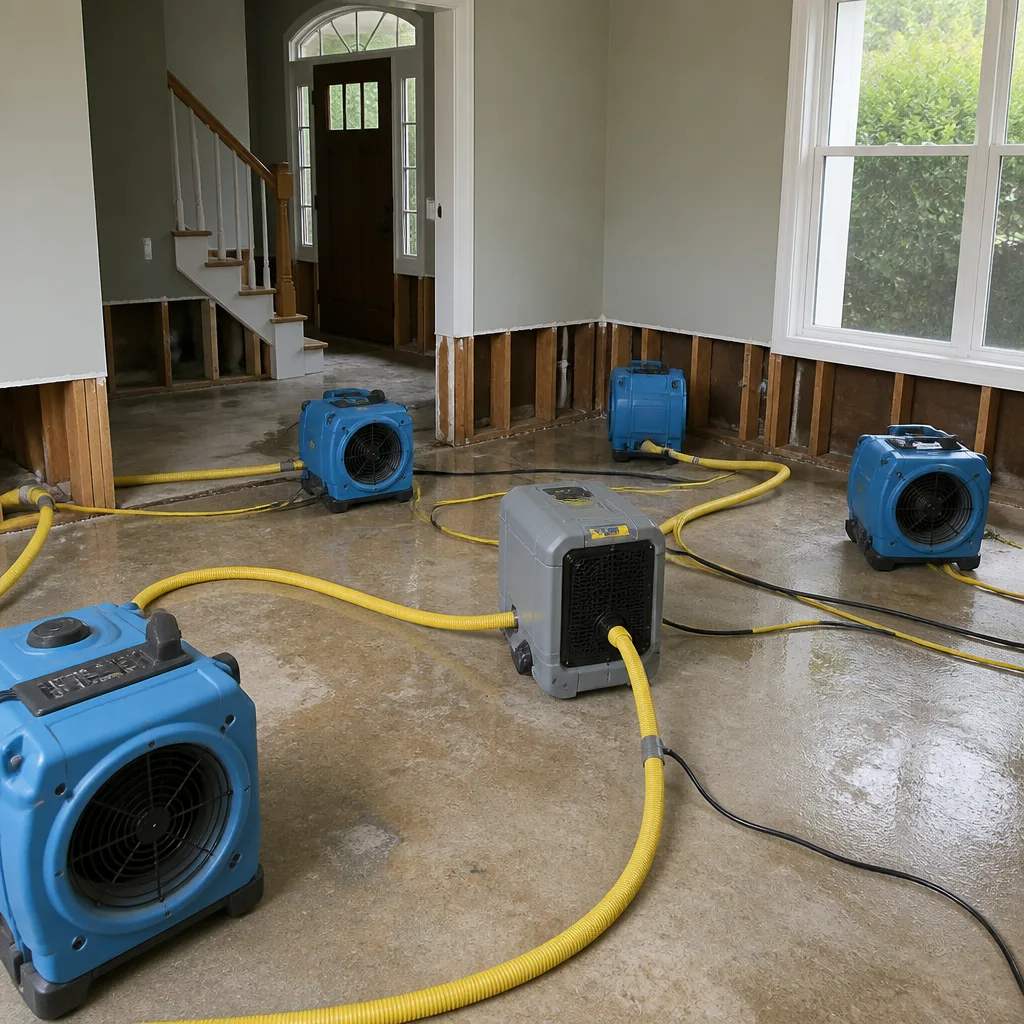
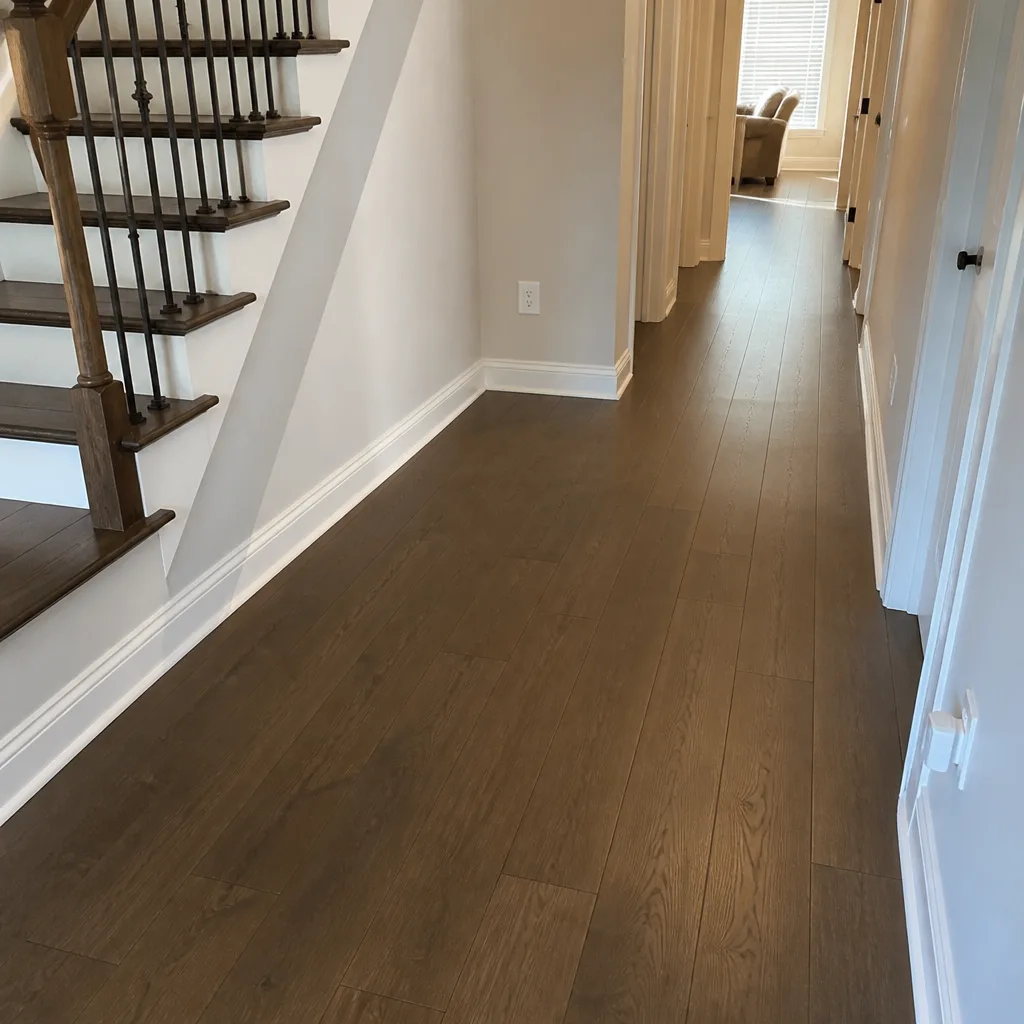
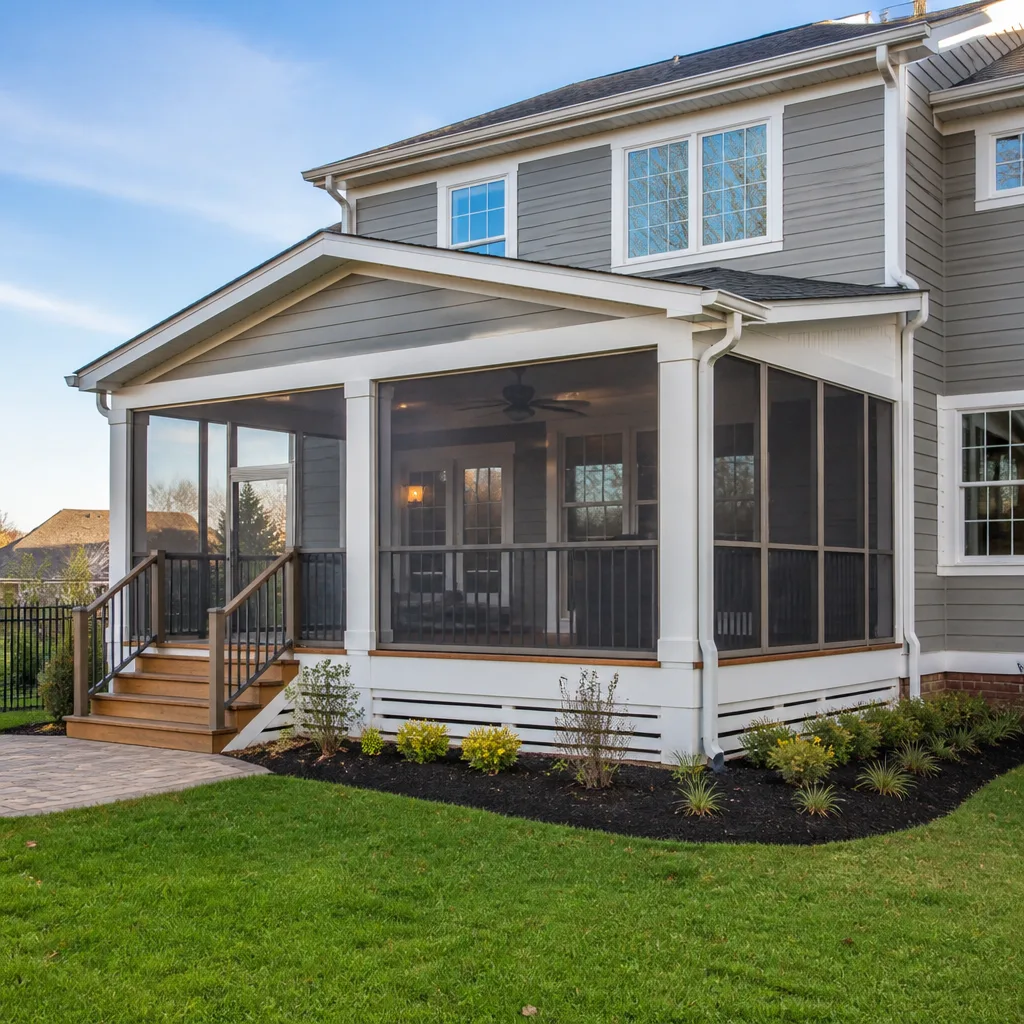
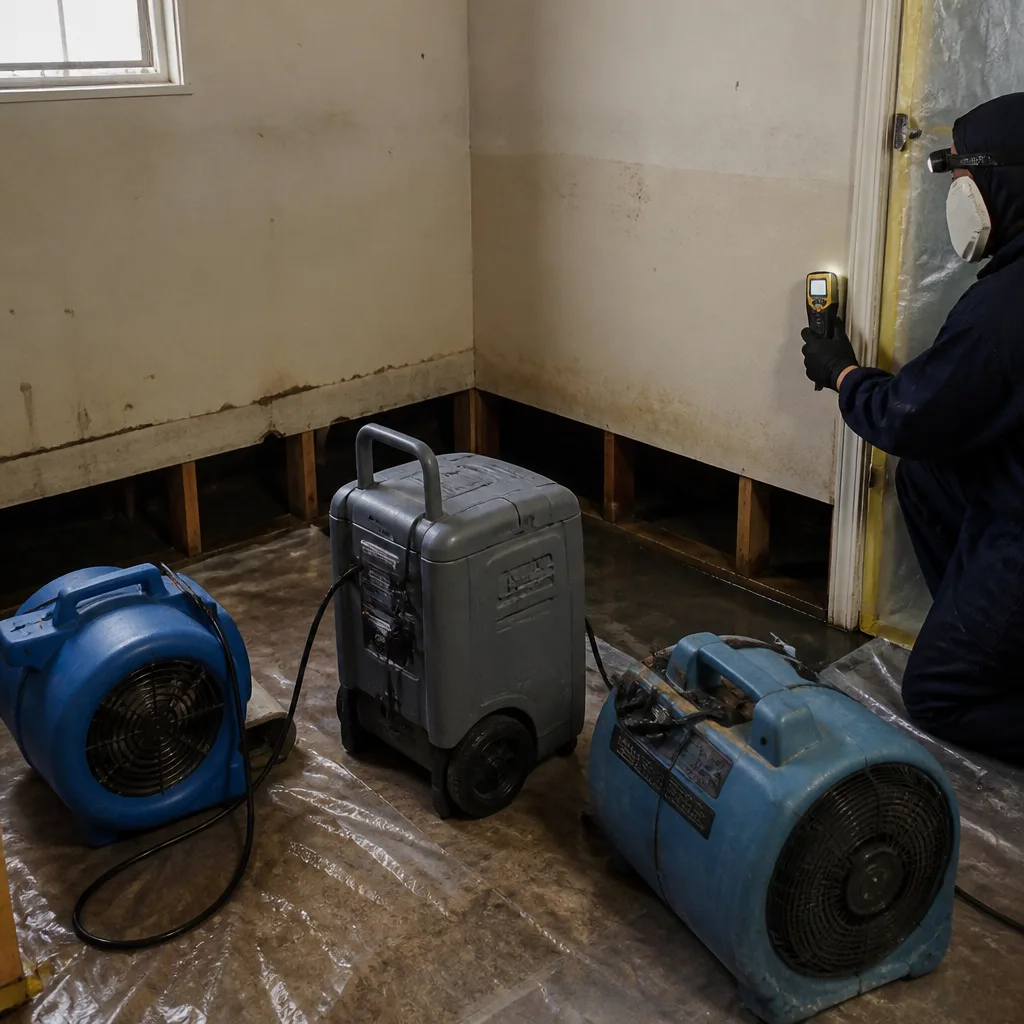 Before
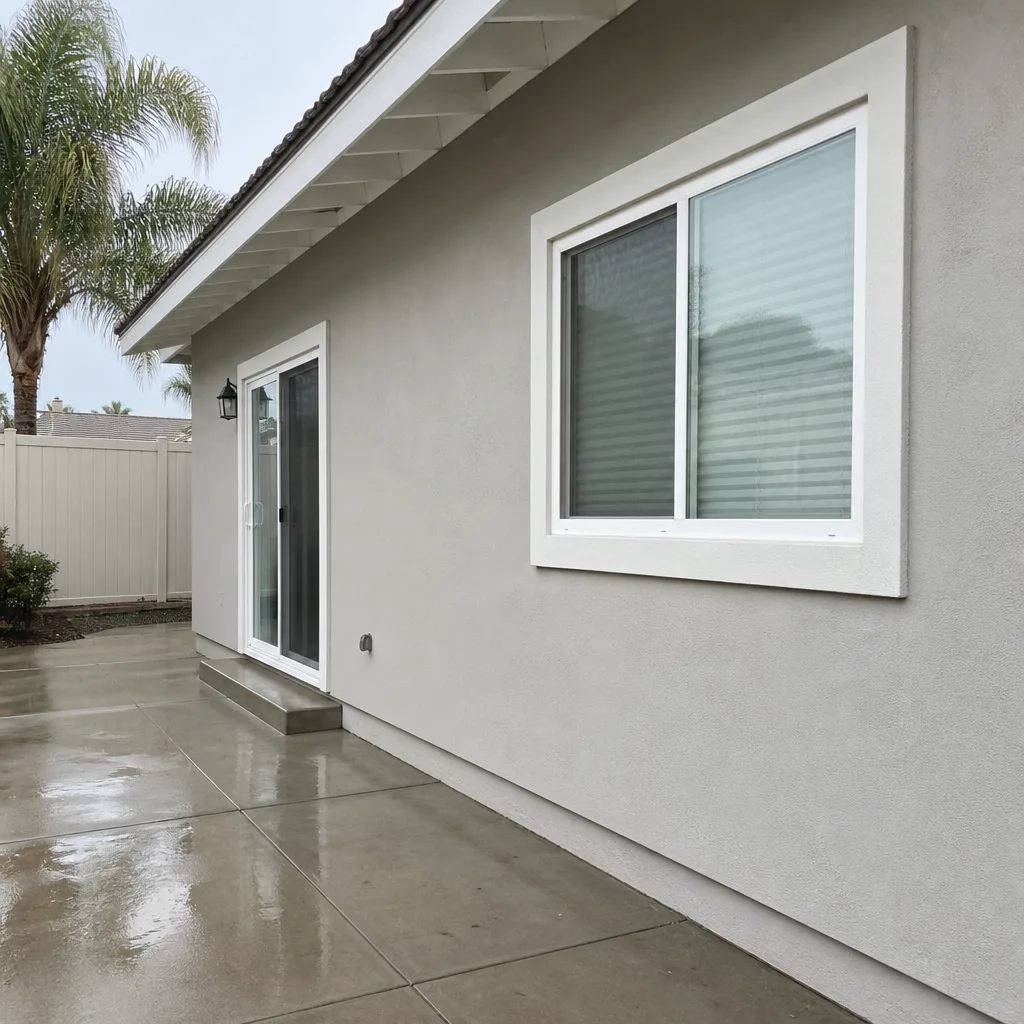 After
After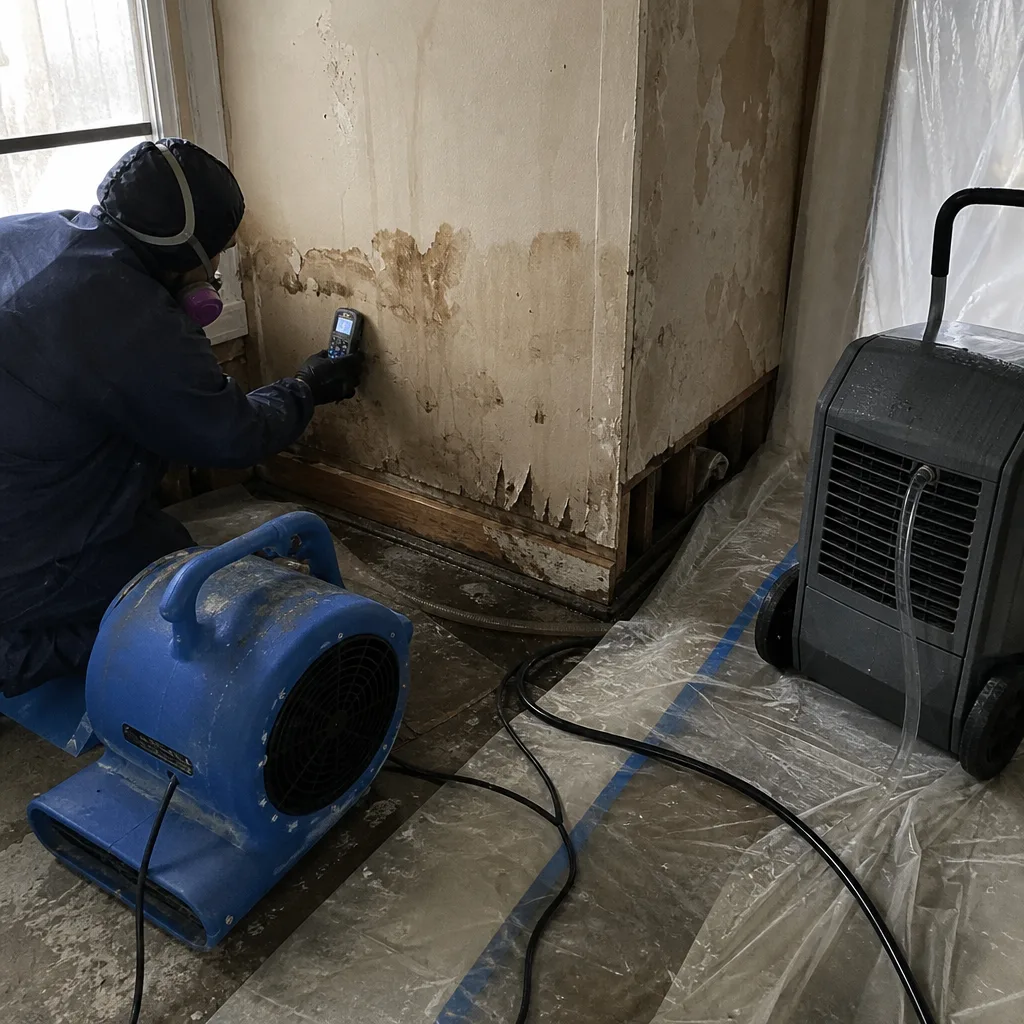 Before
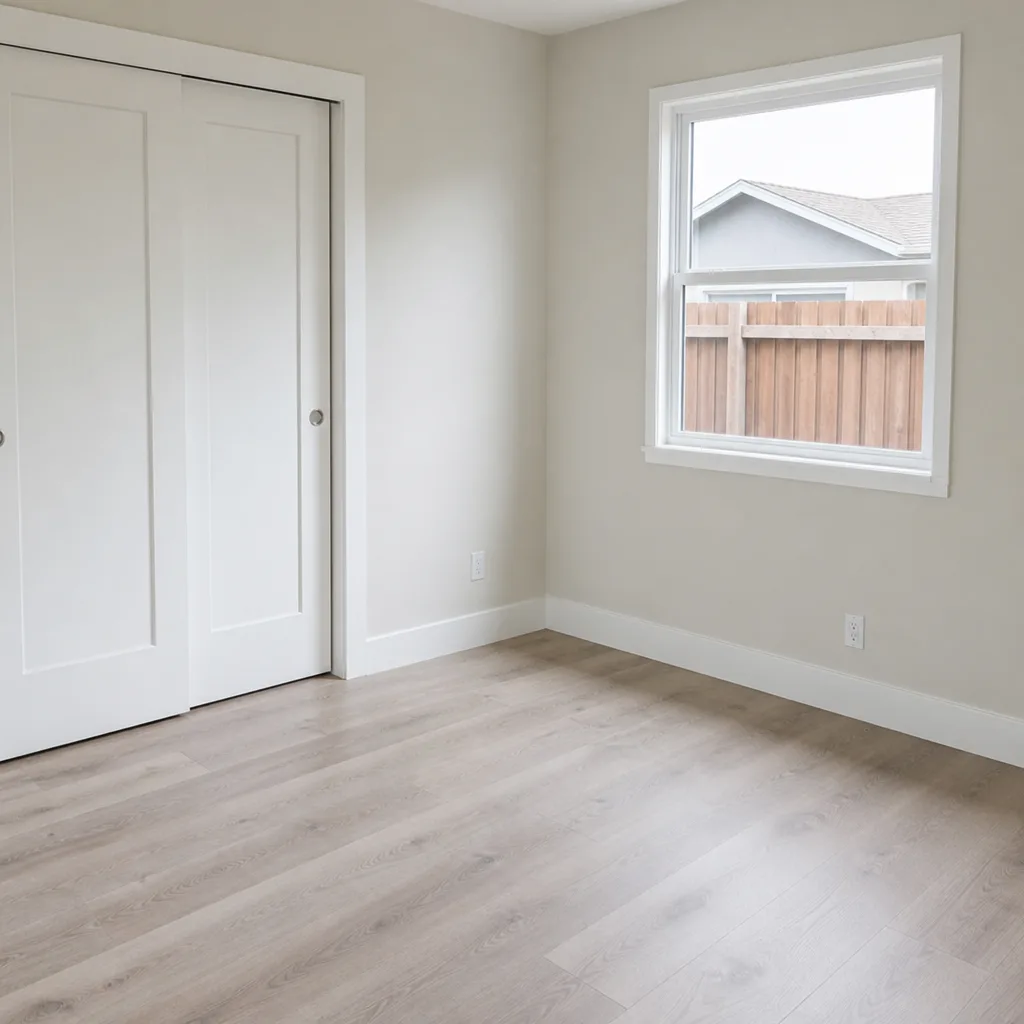 After
After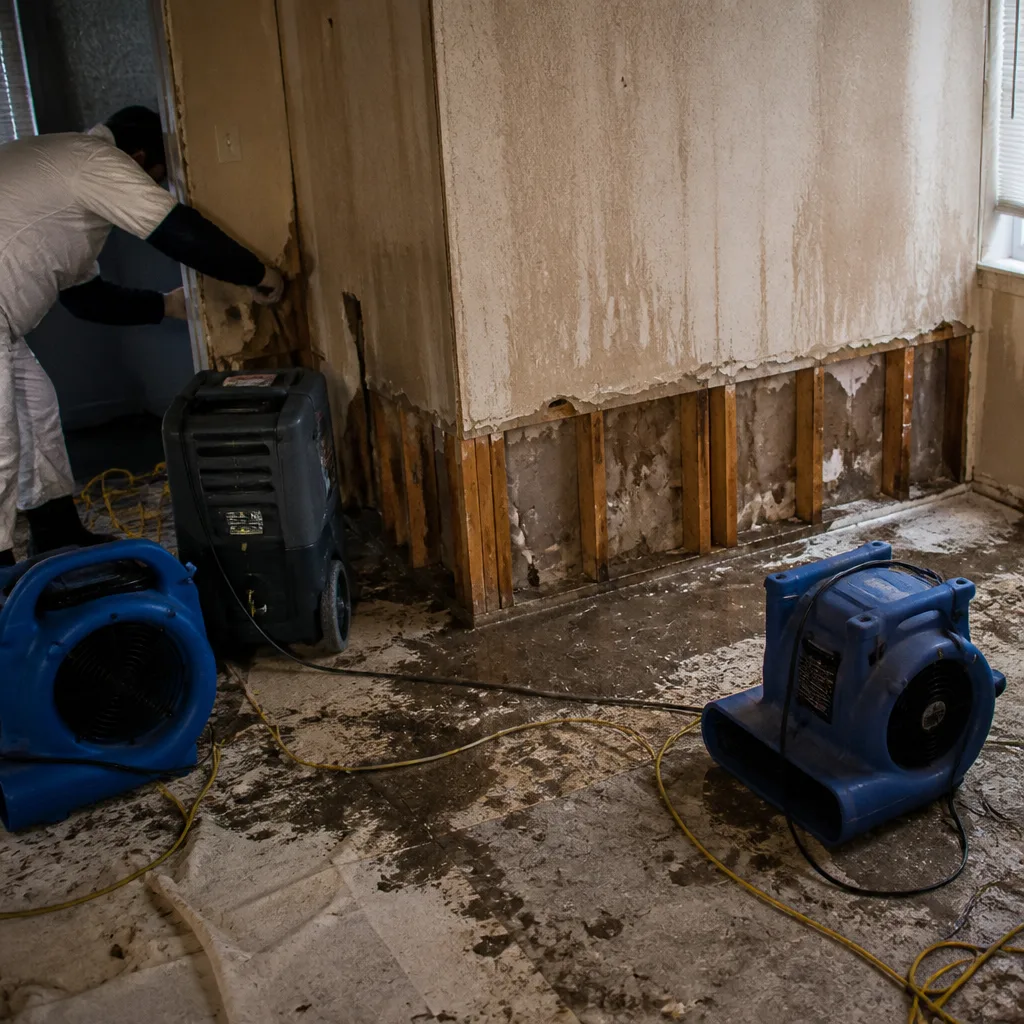 Before
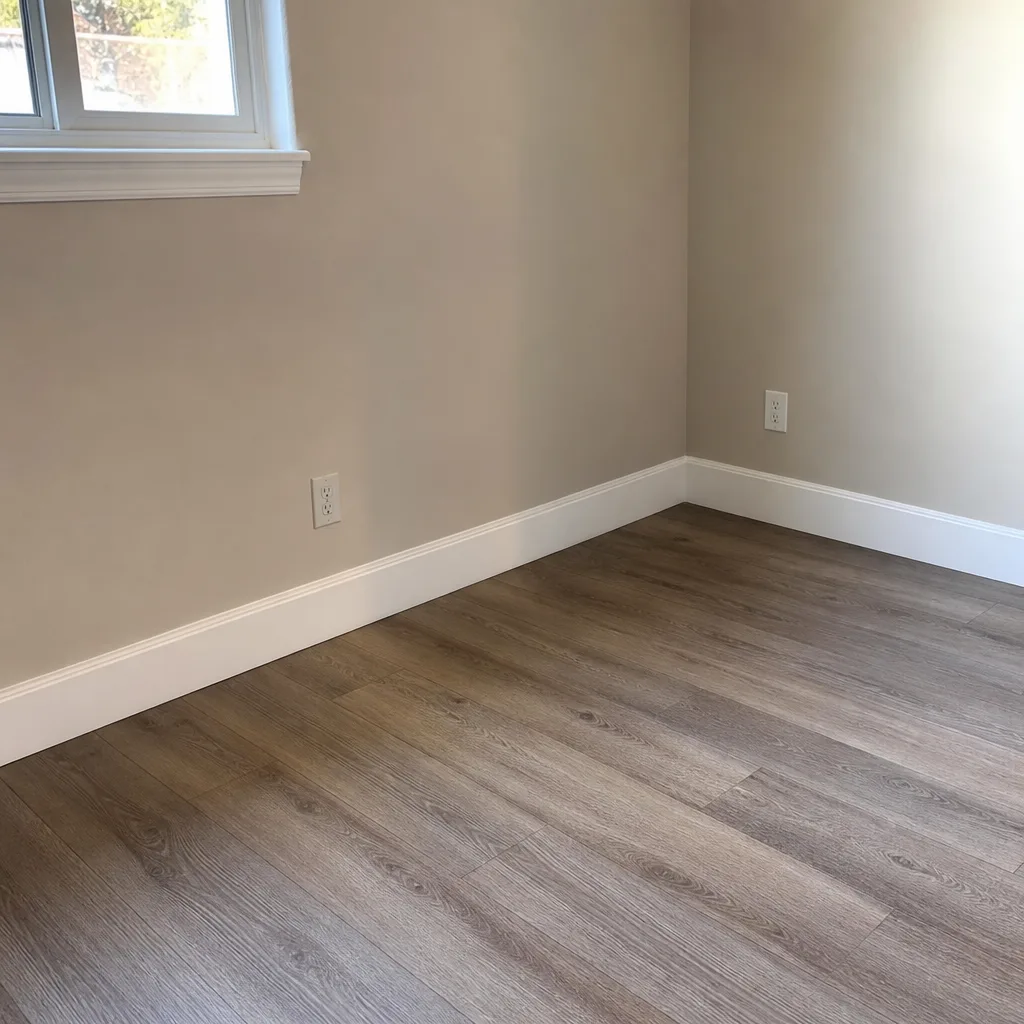 After
AfterWater Damage Restoration Maintenance Checklist for Santee Homeowners
Insurance adjusters call it “long-term seepage,” and a single photo of a rust-stained cabinet base can shift your burst-pipe claim from covered to denied. In Santee, where summer crawlspace temperatures routinely climb past 110°F and Santa Ana wind events strip ridge caps from Mission Gorge-adjacent roofs, the gap between routine home care and claim-ready documentation is where homeowners lose thousands. This guide-along with The Complete Guide to Damage Restoration in Santee-is built around what adjusters actually examine: dated photo baselines, licensed maintenance invoices, and annual moisture readings that prove a loss was sudden, not gradual. We’ll show you how to create documentation that mirrors an adjuster’s own inspection report, before you ever need to file one.
Quick Answer
Our Water Damage Restoration services show that prevention in Santee requires quarterly visual inspections of supply lines and pan drains, annual moisture readings in crawlspaces and attics (targeting RH% below 60%, GPP below 80, and dew point spreads above 5°F), and a dated photo baseline of all high-risk areas updated every spring after Santa Ana season. Maintenance tasks involving pressure testing or supply line replacement require a licensed plumber’s invoice to satisfy insurer maintenance-history requirements. Document everything in a format that matches adjuster inspection fields: date, location, condition, action taken, and next due date.
Table of Contents
- Why Documentation Beats Reaction: The Adjuster’s View
- Santee Climate Triggers That Accelerate Hidden Damage
- Creating Your Dated Photo Baseline
- Quarterly Inspection Checklist
- Annual Moisture Readings: RH%, GPP, and Dew Point
- Maintenance Requiring Licensed Professionals
- Documenting Like an Adjuster
- Common Mistakes to Avoid
- When to Call a Professional
- Frequently Asked Questions
- The Bottom Line
 Before
 After
AfterWhy Documentation Beats Reaction: The Adjuster’s View
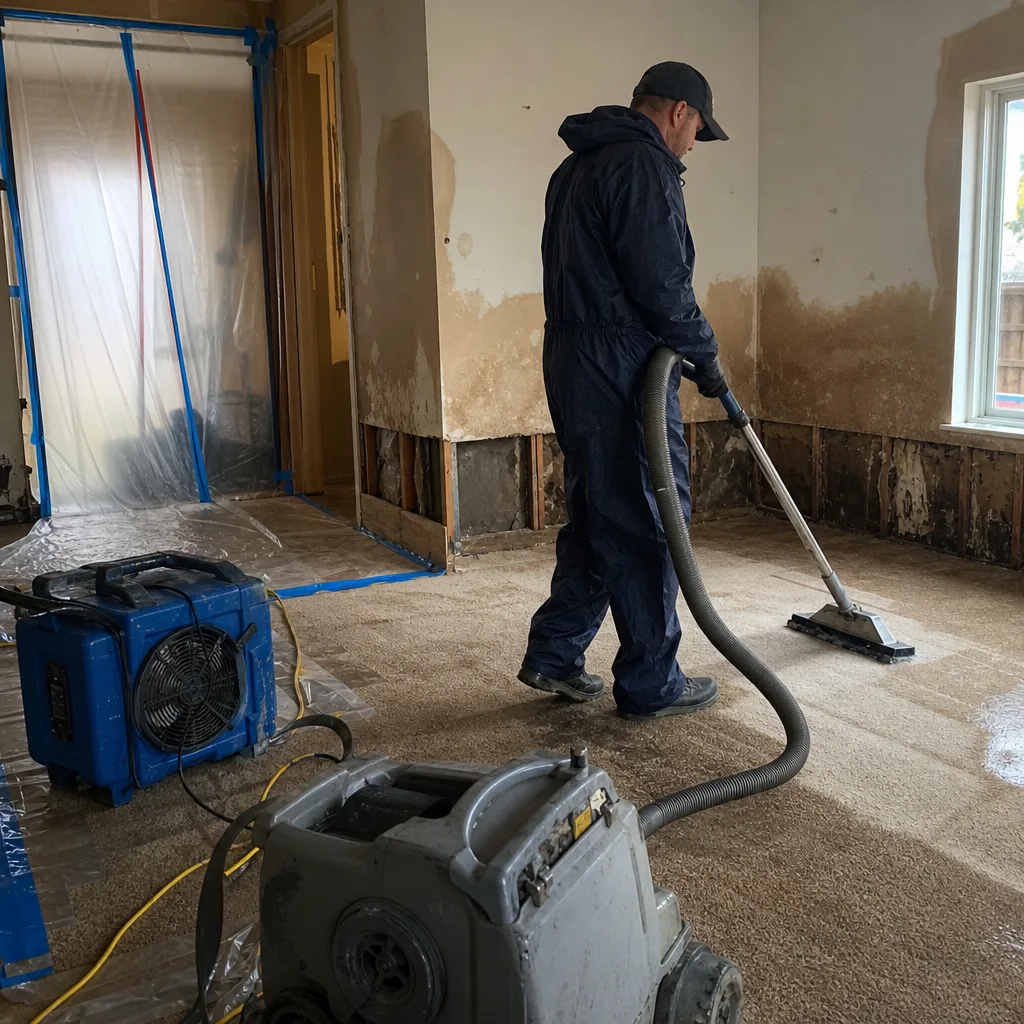
We’ve restored over 12,000 homes since 2011, and the pattern is consistent: the homeowner with a file wins, the homeowner with a story negotiates. Insurance policies cover sudden and accidental water damage. They exclude damage from “long-term seepage,” “continuous or repeated leakage,” and “lack of reasonable maintenance.” The burden of proving which category applies falls on the policyholder, not the carrier.
An adjuster’s first action on a water claim is to photograph the loss area and look for evidence of pre-existing conditions: rust stains, mineral deposits, warped substrates, mold growth patterns, and material degradation that predates the reported date of loss. In Santee’s older neighborhoods near Fanita Ranch and the original Santee townsite, homes built between 1960 and 1990 present particular challenges. Galvanized supply lines, original pan drains, and unconditioned crawlspaces with dirt floors create conditions where gradual damage is easy for an adjuster to assert and hard for a homeowner to disprove.
The maintenance checklist below is designed to produce documentation that addresses each field an adjuster completes. Date stamps establish timeline. Photo baselines establish pre-loss condition. Licensed professional invoices establish that maintenance was not neglected. Moisture readings establish that hidden spaces were monitored, not ignored.
Our Water Damage Restoration in Santee team sees the difference daily. A homeowner with a 2023 photo showing a clean cabinet base under the kitchen sink, a 2024 plumber’s invoice for supply line replacement, and a 2025 moisture log showing normal crawlspace readings has a defensible position. A homeowner with none of these faces a coverage fight on top of a water emergency.
The Haven Standard, Clause 1 requires a written price before work begins on every job we perform. We’ve built our company around documentation because we’ve seen what its absence costs. This checklist extends that principle to prevention.
Santee Climate Triggers That Accelerate Hidden Damage
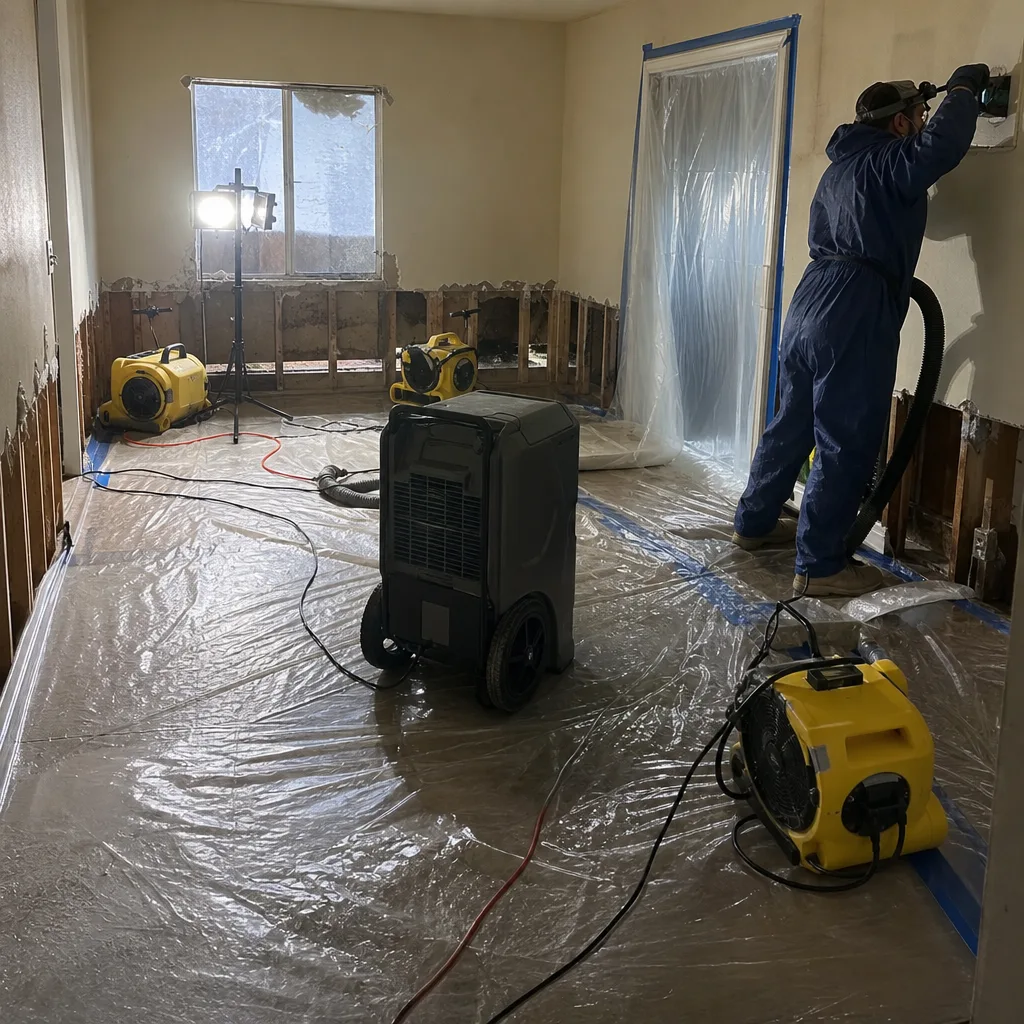
Santee’s location in San Diego’s inland valley creates specific conditions that differ materially from coastal markets. Understanding these triggers lets you time inspections to actual risk, not generic calendar reminders.
Santa Ana Wind Events (September through April)
Sustained easterly winds, typically 25-45 mph with gusts past 60, occur 10-15 times annually in Santee. These winds test roof integrity differently than rain. They lift ridge caps, separate flashing from penetrations, and drive debris into vent screens. The damage often manifests as lifted materials that reseat visually but leave gaps for subsequent rain intrusion. Inspect roof penetrations, ridge lines, and vent flashings within 48 hours of any Santa Ana event. In the hills above Magnolia Avenue and along the northern slopes toward Lakeside, wind exposure increases with elevation and terrain channeling.
Summer Heat in Unconditioned Spaces (June through October)
Crawlspace and attic temperatures in Santee regularly exceed 110°F from July through September. PVC supply lines, common in homes built 1980-2005, experience accelerated fatigue from thermal cycling. The material expands and contracts daily, stressing joints and connections. PEX, increasingly common in newer construction, is more tolerant but still vulnerable at connection points. Schedule supply line inspections for late September, after peak thermal stress, and look specifically for white stress marks at fittings, slight joint separation, and compression set at supports.
Winter Rain Concentration (December through March)
Santee averages 11 inches of annual rainfall, concentrated in brief, intense events. Drainage systems that function adequately in light rain fail under volume. Gutters overflow, downspout extensions displace, and surface grading reveals its true condition. The clay-heavy soils in eastern Santee, particularly around the Walker Preserve and river-adjacent areas, expand when saturated and create hydrostatic pressure against foundation walls and slab perimeters.
Marine Layer Intrusion (May through August)
Morning marine layer penetration, common in western Santee below 400 feet elevation, elevates ambient humidity for 4-6 hours daily. In homes without adequate attic ventilation or with blocked soffit vents, this moisture accumulates. The condition is often invisible until insulation compression or sheathing staining appears.
These triggers define your inspection calendar: post-Santa Ana in fall, post-thermal peak in late summer, pre-rain in early winter, and mid-marine-season in late spring.
Creating Your Dated Photo Baseline
A photo baseline is a documented record of normal condition, captured before any loss occurs, with metadata that establishes date, location, and camera identity. It is not a casual phone snapshot. It is evidence.
Step 1: Establish Your Shot List
Photograph these locations annually, minimum, and quarterly for high-risk areas:
- Under each sink: full cabinet base, supply line connections, shutoff valve condition, drain trap and tailpiece
- Behind each toilet: supply line, shutoff valve, flange area, base seal
- Water heater: full unit, pan drain (if present), T&P valve discharge, supply connections, venting
- HVAC condensate system: pan, drain line, float switch, primary and secondary discharge points
- Dishwasher and refrigerator supply: braided stainless or copper line condition, valve accessibility
- Washing machine: hot and cold supply hoses, drain standpipe, floor drain
- Exterior hose bibs: wall penetration, vacuum breaker, winterization state
- Roof penetrations: each vent, chimney, skylight, or mechanical penetration from attic interior and roof exterior where safely accessible
- Crawlspace or slab perimeter: accessible supply line runs, visible drainage, vapor barrier condition
- Attic: sheathing condition at penetrations, insulation depth and distribution, vent blockage
Step 2: Capture Metadata-Rich Images
Enable location services and timestamp on your device. Include a reference object or measurement in each frame for scale. A standard 12-inch ruler placed in the shot provides scale and demonstrates intent. Capture each location from the same angle annually so comparison is immediate.
Step 3: Store with Redundancy
Upload to cloud storage with automatic backup. Email a set to yourself for timestamp verification. Print a contact sheet annually and store with your insurance policies. The goal is multiple independent timestamps that predate any loss.
Step 4: Update After Maintenance or Events
Any licensed repair, any Santa Ana event inspection, any moisture reading anomaly gets a new photo set appended to the baseline. The file grows; it does not replace.
In Santee’s competitive real estate market, this documentation also supports property condition disclosure and can accelerate transactions. We’ve seen baseline photo sets from homeowners in Sky Ranch and Presidio developments reduce inspection negotiation by establishing transparent maintenance history. For additional tips, see more guides & resources.
Quarterly Inspection Checklist
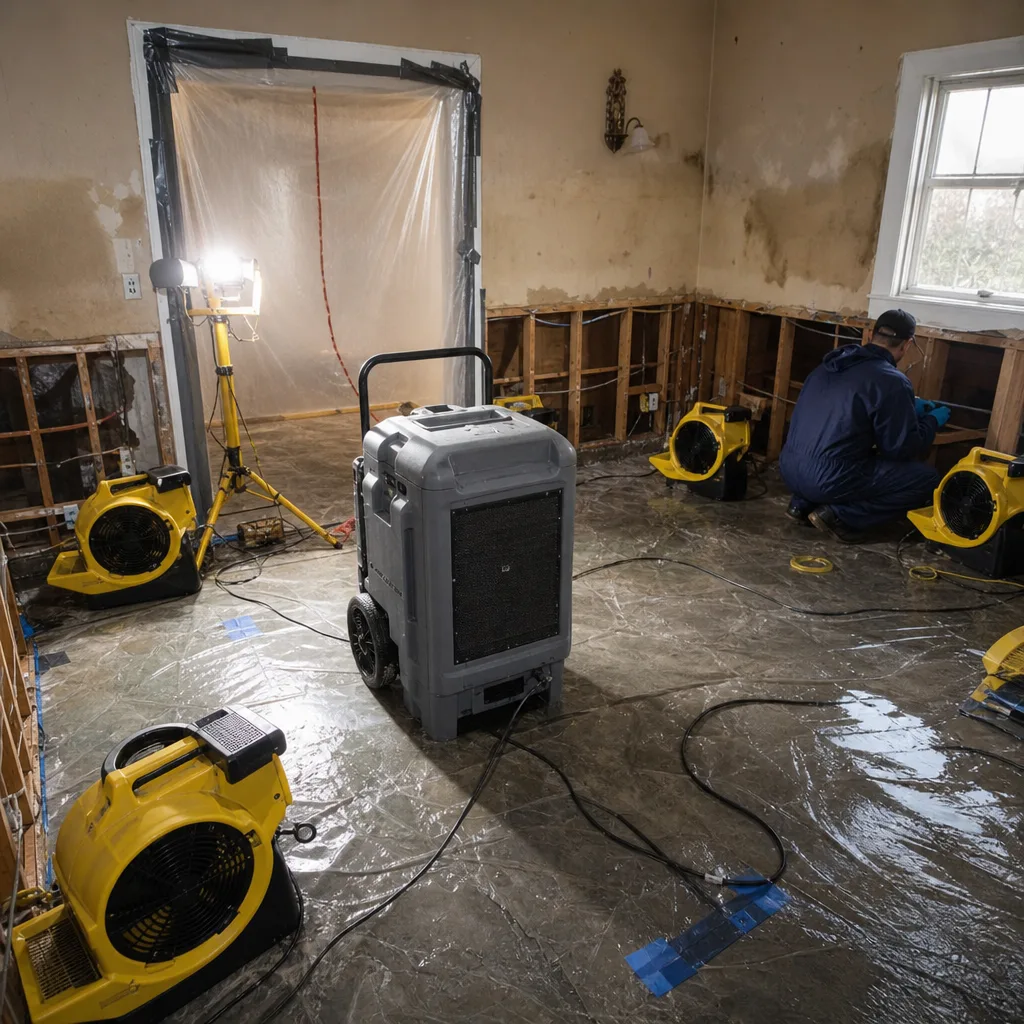
Perform these inspections in March, June, September, and December. Each takes 30-45 minutes. The March inspection follows Santa Ana season; the September inspection follows peak thermal stress.
Interior - All Water Points
- Run each faucet to full flow for 60 seconds; check under-sink cabinets during and for 2 minutes after for active drips
- Operate each shutoff valve through full range; note any that resist or weep at the stem
- Check toilet bases for movement or seal degradation; rock the bowl gently
- Inspect dishwasher and refrigerator supply lines for kinking, abrasion, or corrosion at connectors
- Verify washing machine hoses are braided stainless (not original rubber); check for blistering
- Test GFCI outlets near water sources for function
Water Heater and HVAC
- Check T&P valve for corrosion or prior discharge evidence (staining, mineral deposits)
- Verify pan drain flows freely; pour 1 quart water and confirm discharge at termination
- Inspect condensate drain line for algae blockage; clear with wet-dry vacuum if restricted
- Confirm float switch operates (lift manually if accessible and safe)
Exterior and Roofline
- Verify downspout extensions direct water 6+ feet from foundation
- Check grade slopes away from structure at all perimeter points; note any settlement or erosion
- Inspect hose bibs for backflow prevention and freeze damage from prior winter
- From ground level, scan roofline for missing or displaced materials; use binoculars for detail
- Clear debris from vents, screens, and drainage channels
Crawlspace or Accessible Substructure
- Check vapor barrier for displacement, tears, or ponding above
- Scan visible supply lines for condensation, corrosion, or support failure
- Note any musty odor or visible biological growth on wood surfaces
- Verify ventilation openings are unobstructed by vegetation or stored materials
Document each inspection with date, findings, and any action taken. A simple spreadsheet with columns for Location, Condition, Action, Date Completed, and Next Due satisfies adjuster review formats.
Annual Moisture Readings: RH%, GPP, and Dew Point
Visible water damage is late-stage damage. By the time staining appears, structural materials have absorbed moisture, microbial growth may have initiated, and repair costs have multiplied. Annual moisture readings in concealed spaces identify risk before it becomes visible.
We recommend three metrics, each measurable with consumer-grade equipment:
Relative Humidity (RH%)
Measures moisture content relative to air temperature’s capacity to hold it. Target: below 60% in crawlspaces and attics year-round. Above 60% sustained for 48+ hours creates conditions for mold germination on organic substrates. In Santee, marine layer mornings in May through August can push RH% to 80%+ briefly; the concern is sustained elevation, not transient spikes. Measure at multiple points: center of space, near perimeter walls, and directly above any visible soil or vapor barrier gaps.
Grains Per Pound (GPP)
Measures absolute moisture content, independent of temperature. Target: below 80 GPP in conditioned space adjacent structures, below 100 GPP in ventilated crawlspaces during non-rain periods. GPP is the metric restoration professionals use to set drying goals, and it translates directly across temperature changes. A reading of 95 GPP in your crawlspace in October, when outdoor air might be 65 GPP, indicates a moisture source requiring identification.
Dew Point Spread
Calculated as the difference between current air temperature and dew point temperature. Target: minimum 5°F spread, preferably 10°F+. Narrow spreads indicate air is near saturation; condensation will form on any surface at or below the dew point. In Santee crawlspaces with cool slab perimeters or ductwork, a 3°F spread in summer means condensation is actively forming on those surfaces even if not yet visible.
Equipment and Method
A thermo-hygrometer with data logging capability costs $50-$150. Place loggers in crawlspace center, attic center, and one in the living space for baseline comparison. Record for 72 hours minimum to capture daily cycling. Professional-grade equipment from Phoenix and XPOWER includes Bluetooth data export that generates timestamped logs matching adjuster documentation standards.
Annual readings should occur in late September, after peak thermal stress and before winter rain concentration. Compare year-over-year; trending elevation in any metric indicates developing conditions requiring intervention. If GPP in your crawlspace was 78 last September and 92 this September, you have a new moisture source. Find it before an adjuster does.
Our DryMark Restoration Santee home team documents every mitigation project with daily psychrometric readings using equipment from B-Air and Injectidry systems, producing the drying logs that turn restoration invoices into payable claims. The same discipline applied preventively protects your position before loss occurs.
Maintenance Requiring Licensed Professionals
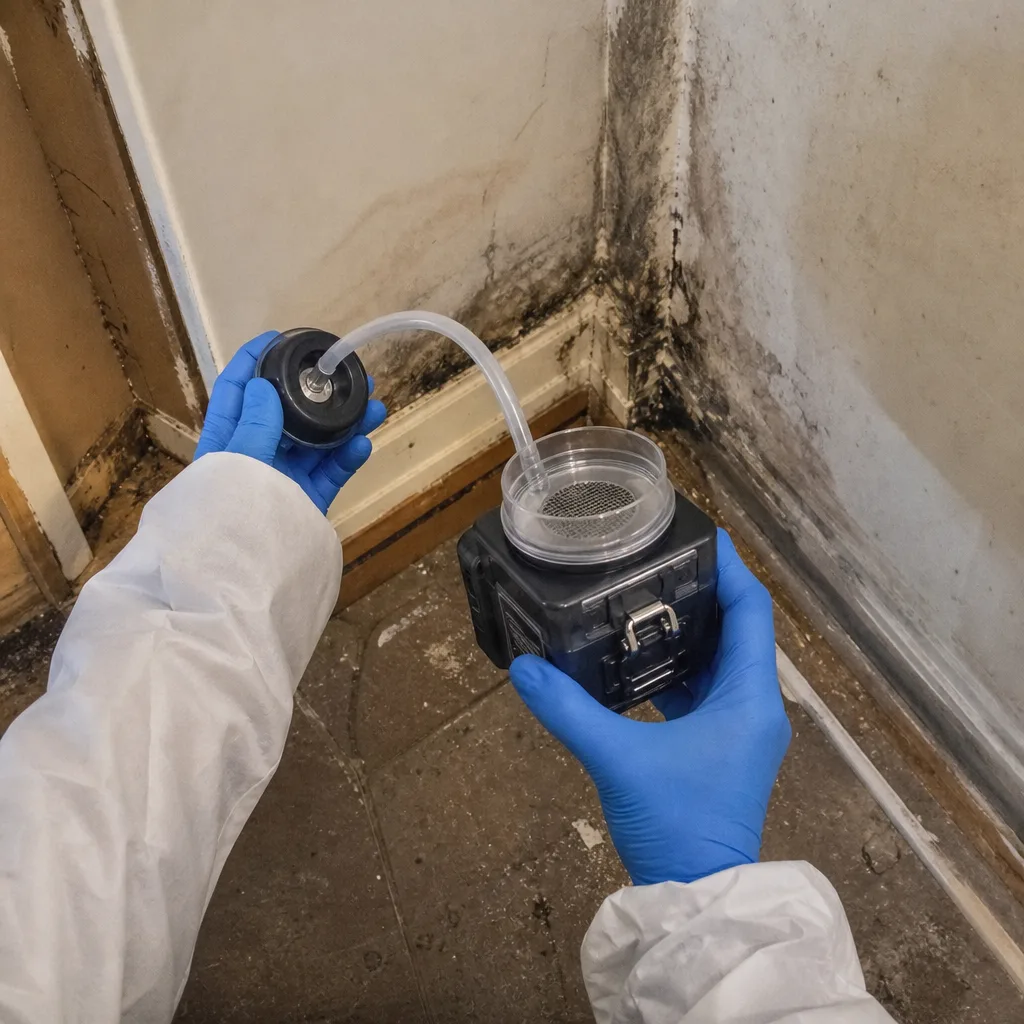
Some maintenance tasks, when performed by the homeowner, satisfy no insurer requirement and may void coverage. Others require professional-grade equipment or carry genuine safety risk. Know which is which.
Tasks Requiring a Licensed Plumber’s Invoice
Insurers reviewing maintenance history want documentation from licensed professionals for any work affecting pressurized systems. Obtain and retain invoices for:
- Water pressure testing and regulator adjustment (Santee municipal pressure ranges 65-85 PSI; sustained pressure above 80 PSI accelerates supply line failure)
- Supply line replacement, including whole-home repiping
- Water heater replacement or T&P valve replacement
- Backflow prevention device testing and certification (required annually for irrigation systems in San Diego County)
- Sewer line inspection with video documentation
- Slab leak detection and repair
The invoice must show: contractor license number (C-36 for California plumbing), date of service, specific work performed, and materials used. Store with your insurance policies, not just in contractor files.
Tasks Requiring Licensed Roofing or HVAC Contractors
Roof work involving penetrations, flashing, or structural repair requires a C-39 licensed contractor. HVAC condensate pan or drain modifications require a C-20. These invoices similarly establish professional maintenance history.
Tasks Safe for Qualified Homeowners
Gutter cleaning, downspout extension placement, vent screen clearing, hose bib winterization, and visual inspection of accessible areas require no license and produce no insurer documentation value beyond your own record. Perform them; document them; but do not expect them to satisfy a maintenance-history challenge.
What We Do Not Recommend DIY
Never attempt water heater T&P valve testing if the valve has not been operated in over 12 months; the mechanism may fail to reseat, creating an emergency. Never enter an attic with compromised structural members or active leaks. Never work on electrical components near water sources without verified de-energization. These are not cautions against competence; they are recognition that a $150 service call prevents a $15,000 claim complication.
Our Free Second Opinion on any competitor’s written estimate applies to restoration work, but the principle extends: when a licensed professional provides a written scope and price, you have documentation. When you guess, you have exposure.
Documenting Like an Adjuster
Adjuster inspection reports follow a consistent structure. Matching that structure in your maintenance documentation makes it immediately credible during claim review. Create a single file, physical or digital, organized as follows.
Section A: Property Information
Address, policy number, year built, square footage, construction type. Update if modified.
Section B: System Inventory
Water heater: brand, model, serial, installation date, capacity
HVAC: brand, model, installation date, last service
Plumbing: pipe material, approximate age, any repipe history
Roof: material, installation date, last professional inspection
Section C: Maintenance Log
Chronological entries with: Date, Location/System, Condition Observed, Action Taken, Performed By (name and license if professional), Next Due Date, Photo Reference Numbers.
Section D: Photo Baseline
Organized by location and date, with thumbnail contact sheets for quick reference and full-resolution files for detail.
Section E: Professional Invoices
Licensed contractor work, organized chronologically, with license numbers visible.
Section F: Moisture Readings
Annual logs with date, location, RH%, GPP, dew point, temperature, equipment used, and any anomalies noted.
This format requires initial effort and 2-3 hours annually to maintain. In our experience with Santee homeowners who have faced coverage disputes, this documentation has been the difference between full coverage and partial denial. One homeowner in the Riverwalk area, with a 2019-2024 maintenance file, prevailed in a $47,000 slab leak claim where the carrier initially asserted long-term seepage. The dated photo baseline showed no staining in 2022 and 2023; the 2024 plumber’s invoice documented sudden pressure loss. The claim paid in full.
The Haven Standard requires our technicians to produce a documented photo record on every visit. We apply that standard because we’ve seen its absence cost homeowners their claims. Your preventive documentation extends the same protection upstream.
Common Mistakes to Avoid
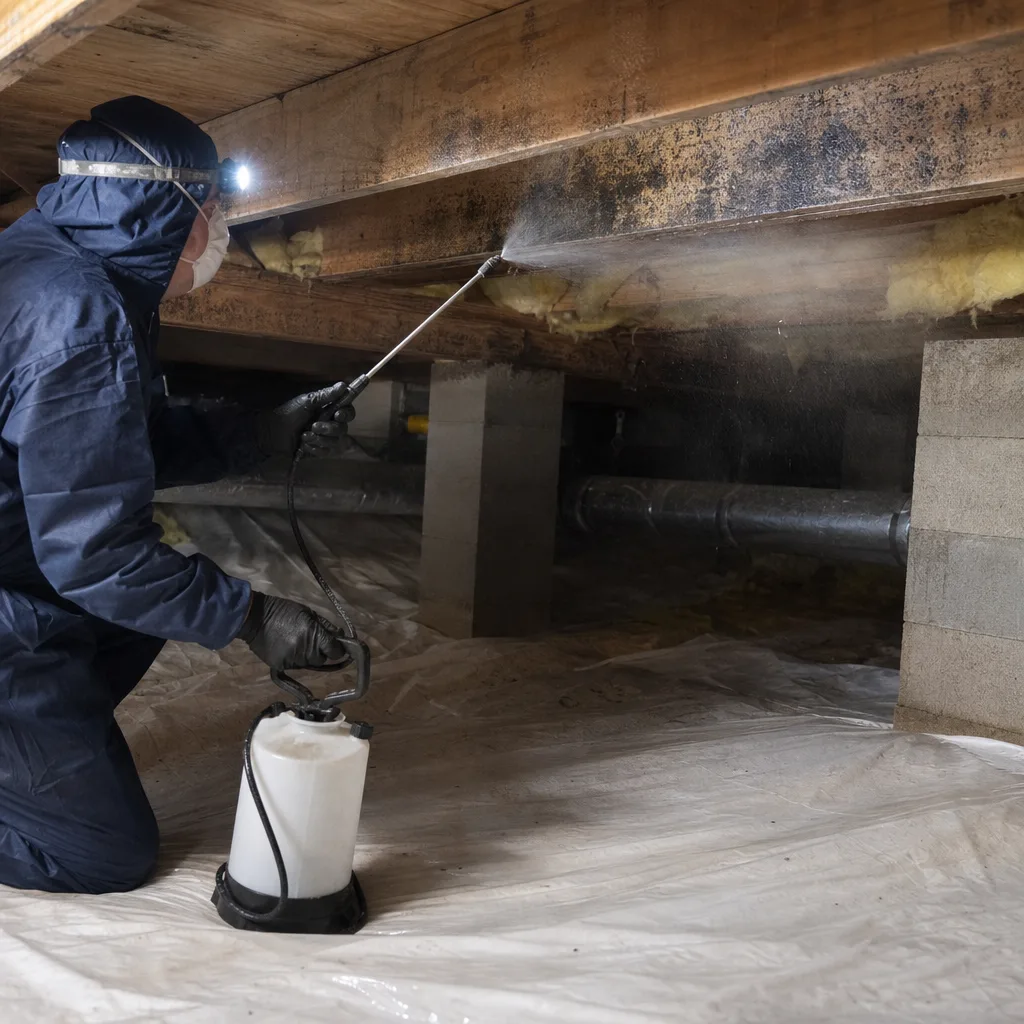
- Relying on “no visible damage” as documentation. Adjusters photograph what they find, not what you missed. A clean cabinet base photo from 2022 is evidence; your memory of “it looked fine” is not.
- Performing licensed work without retaining the invoice. The plumber’s visit in 2019 satisfied maintenance requirements, but without the invoice, it didn’t happen. Insurers do not accept verbal confirmation or contractor recall.
- Ignoring Santa Ana wind follow-up. Santee homeowners often check for visible roof damage after wind events but miss lifted ridge caps that reseat and leak months later. The 48-hour inspection catches displacement before rain tests it.
- Measuring moisture once, in one spot. A single crawlspace center reading of 55% RH% misses the perimeter at 78% where actual conditions differ. Minimum three points per space, every year.
- Storing documentation only in cloud accounts tied to your email. If your email is compromised or you change providers, access fails. Maintain independent backup: physical copies, alternate cloud, or both.
- Waiting for visible mold to inspect. Visible mold indicates 48+ hours of sustained moisture elevation, minimum. By then, remediation is required and coverage may be contested. Annual readings prevent this threshold.
- Assuming new construction needs no maintenance. Santee’s rapid development in Sky Ranch, Walker Ridge, and Atlas neighborhoods includes homes with PEX supply lines and condensate systems that fail within 5-7 years from installation defects, not age. First-year baseline documentation protects against builder warranty disputes.
When to Call a Professional
Call a licensed plumber immediately for: active leaks in pressurized lines, water heater T&P valve discharge, slab moisture with no identifiable source, or sewer backup of any volume. Call a licensed roofing contractor for: visible roof leaks, displaced flashing, or post-Santa Ana damage beyond your safe inspection capability.
Call a restoration professional when: moisture readings trend upward annually, you detect musty odors without visible source, or any water event affects multiple rooms, involves contaminated water, or reaches structural materials. The documentation standard you maintain for prevention should match the documentation standard of any professional you hire.
DryMark Restoration Santee offers free estimates in Santee. Our assessments include written scope, photo documentation, and moisture readings using professional-grade equipment from Phoenix and XPOWER systems. Call (619) 604-5535. Every job is quoted in writing before work begins, with a documented photo record on every visit and the 365-Day Done Right Promise under The Haven Standard.
For Mold Remediation in Santee or Fire & Smoke Damage Restoration in Santee, the same documentation standards apply. Our Water Damage Restoration in Santee team responds with live phone coverage 24 hours a day, 7 days a week, no voicemail on emergency lines.
Frequently Asked Questions
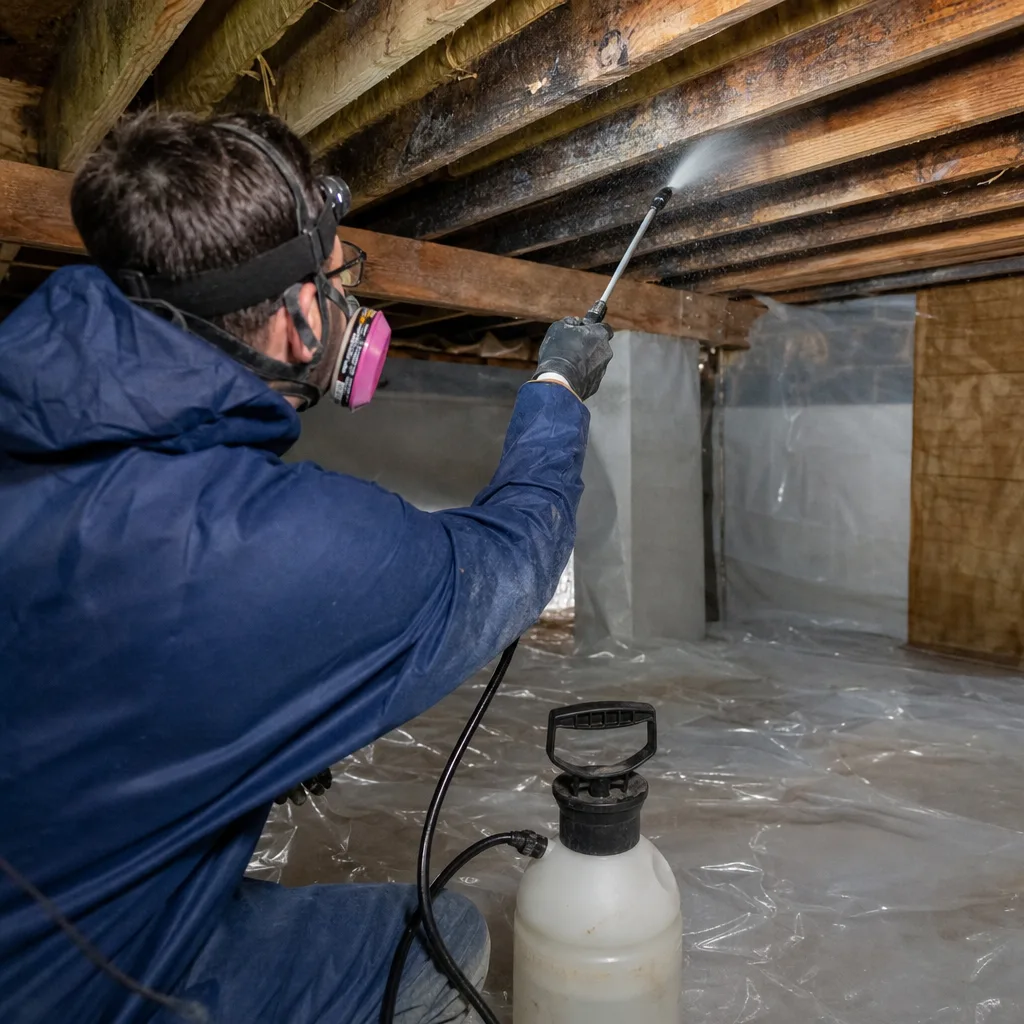
A professional moisture assessment with full documentation runs $150-$350 for a typical Santee home, depending on crawlspace accessibility and number of measurement points. This includes RH%, GPP, and dew point readings at minimum five locations, thermal imaging scan for anomaly detection, and a written report with photo documentation. DryMark Restoration Santee provides this assessment free with any written estimate for restoration services. Call (619) 604-5535 to schedule - estimates are free and include a written price before any work begins under Haven Standard, Clause 1.
Insurance covers sudden and accidental water damage, not damage from long-term seepage or neglected maintenance. The absence of maintenance documentation does not automatically void coverage, but it shifts the burden of proof. Without dated photos, professional invoices, or moisture logs, you are asking an adjuster to accept your word that damage was sudden. With documentation, you present evidence. We’ve seen claims denied for rust stains under sinks that predated reported dates of loss by years, and claims paid in full where homeowners produced annual photo baselines showing no pre-existing conditions. The maintenance checklist above is designed to produce that evidence. For specific policy language review, contact your carrier directly; for documentation of any active loss, call (619) 604-5535.
DryMark Restoration Santee maintains live phone coverage 24 hours a day, 7 days a week with no voicemail on emergency lines. For active water damage, our response time to Santee addresses typically ranges 45-90 minutes depending on traffic patterns and current call volume. Reconstruction and non-emergency services are scheduled, not dispatched, with a written scope and price agreed before work begins. Speed language applies to mitigation - water extraction, drying, stabilization - where every hour of delay increases structural damage and microbial risk. Call (619) 604-5535 for current availability.
The distinction depends on material classification, moisture duration, and contamination category, not visual severity. Category 1 clean water on structural materials can often be dried in place if addressed within 24-48 hours. Category 2 or 3 water, any visible mold growth, or moisture duration beyond 48 hours typically requires removal of affected materials per IICRC S500 standards. A professional assessment with moisture mapping determines the correct scope. We provide Free Second Opinions on any competitor’s written estimate if you want verification that proposed scope matches actual conditions. Call (619) 604-5535.
DryMark Restoration Santee coordinates directly with your adjuster, providing the daily drying logs, photo documentation, and written scopes that satisfy documentation requirements. Our origin as a company founded by a former claims adjuster means we understand what documentation turns an invoice into a payable claim. We do not require you to intermediate; we do require your authorization to communicate, which is standard in any restoration agreement. Photo records are included as standard deliverables, never upsells, and match the format adjusters use for their own inspections.
Update the full photo baseline annually in spring, after Santa Ana season concludes and before summer thermal stress peaks. Update specific locations immediately after any maintenance, repair, or weather event inspection. High-risk areas - under sinks, behind toilets, water heater, and HVAC condensate systems - benefit from quarterly updates tied to your regular inspection schedule. The 15 minutes per location to capture consistent-angle photos with timestamp and scale reference is negligible against the hours saved in any future coverage dispute. Store with redundancy; cloud, email, and physical contact sheets minimum.
The Bottom Line
Water damage prevention in Santee is not a general home-care habit. It is a documentation discipline that determines whether a future claim resolves in days or months, fully or partially, with or without coverage dispute. The checklist above produces evidence: dated photo baselines, licensed professional invoices, and annual moisture readings that mirror adjuster inspection formats. The climate triggers specific to Santee - Santa Ana winds, summer thermal stress, concentrated winter rain, marine layer intrusion - define when to inspect, not just what to inspect. The 30-45 minutes quarterly and 2-3 hours annually to maintain this documentation is the most cost-effective insurance policy you carry, and it costs no premium. Start with this spring’s photo baseline. Schedule your first moisture reading. Retain every licensed professional invoice. When water moves, you’ll be ready with evidence, not just explanation.
Written by Alicia Brennan, Owner at DryMark Restoration Santee, serving Santee since 2011.