
Last updated September 23, 2026
Free visual inspection and a written scope of work before any mitigation begins - photos, moisture readings, and drying logs go in your claim file
The scope we write is the scope we bill. Anything new gets shown to you, in writing, before we touch it.
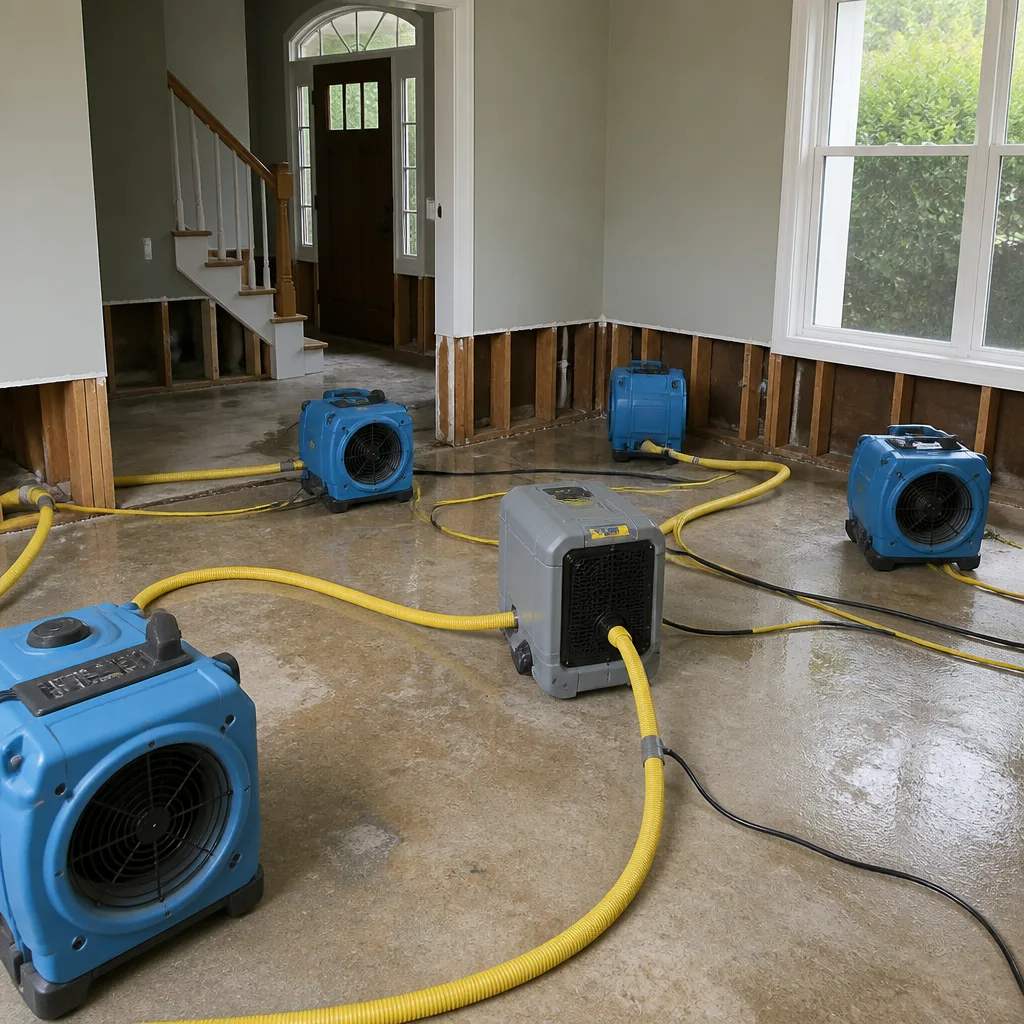

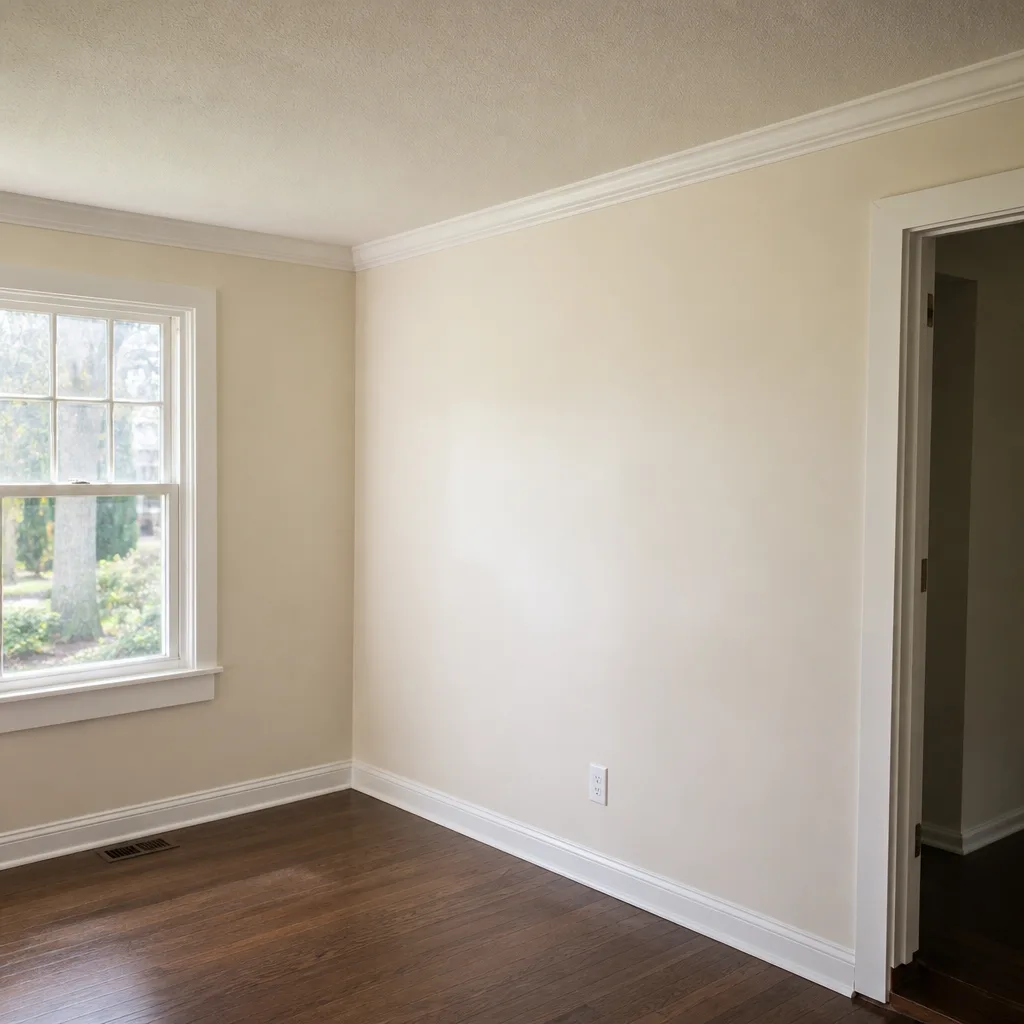
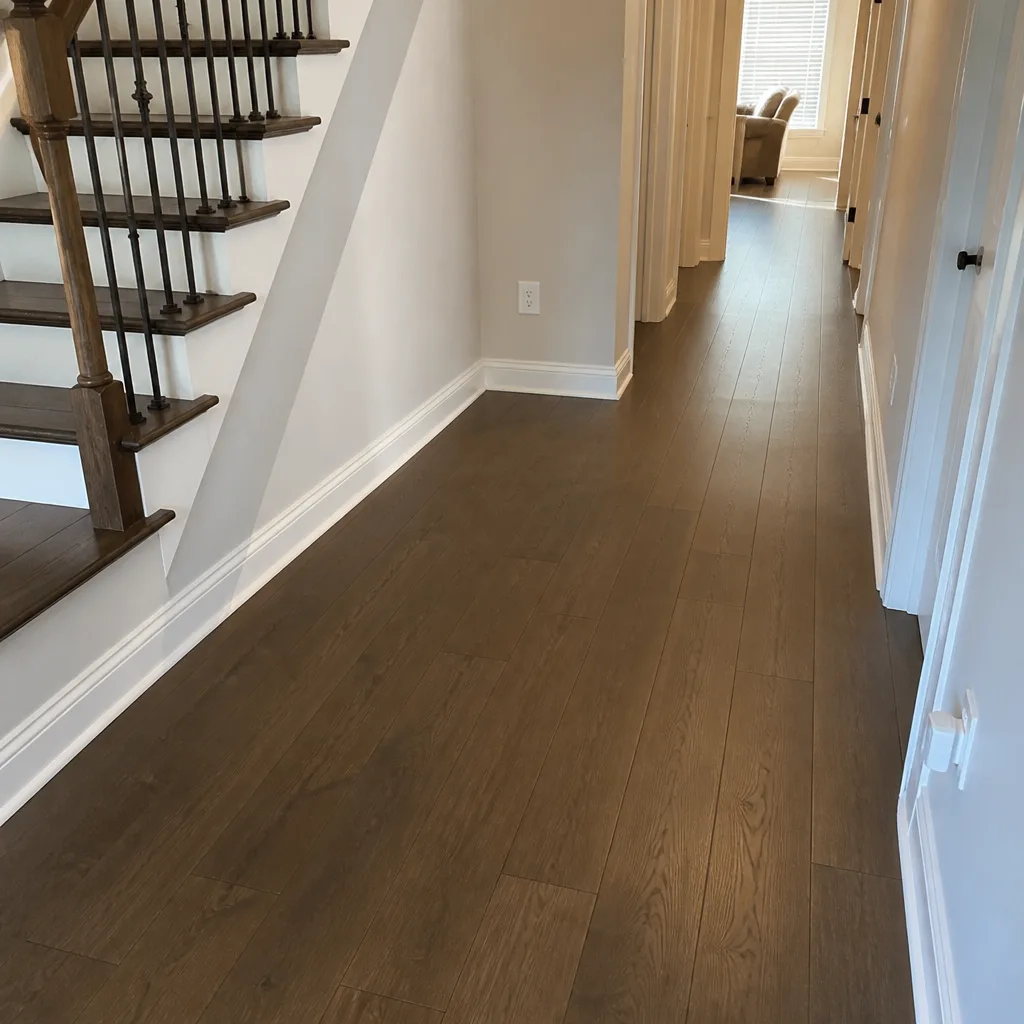
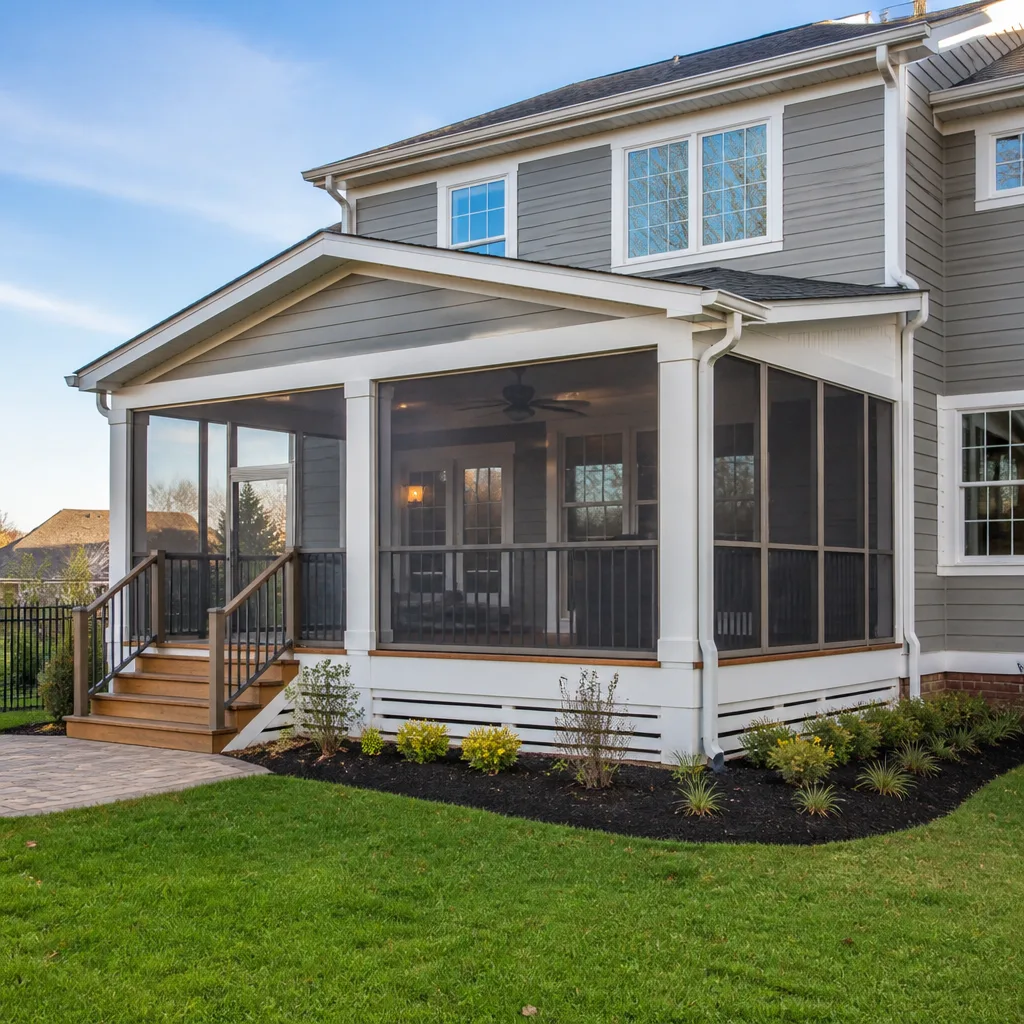
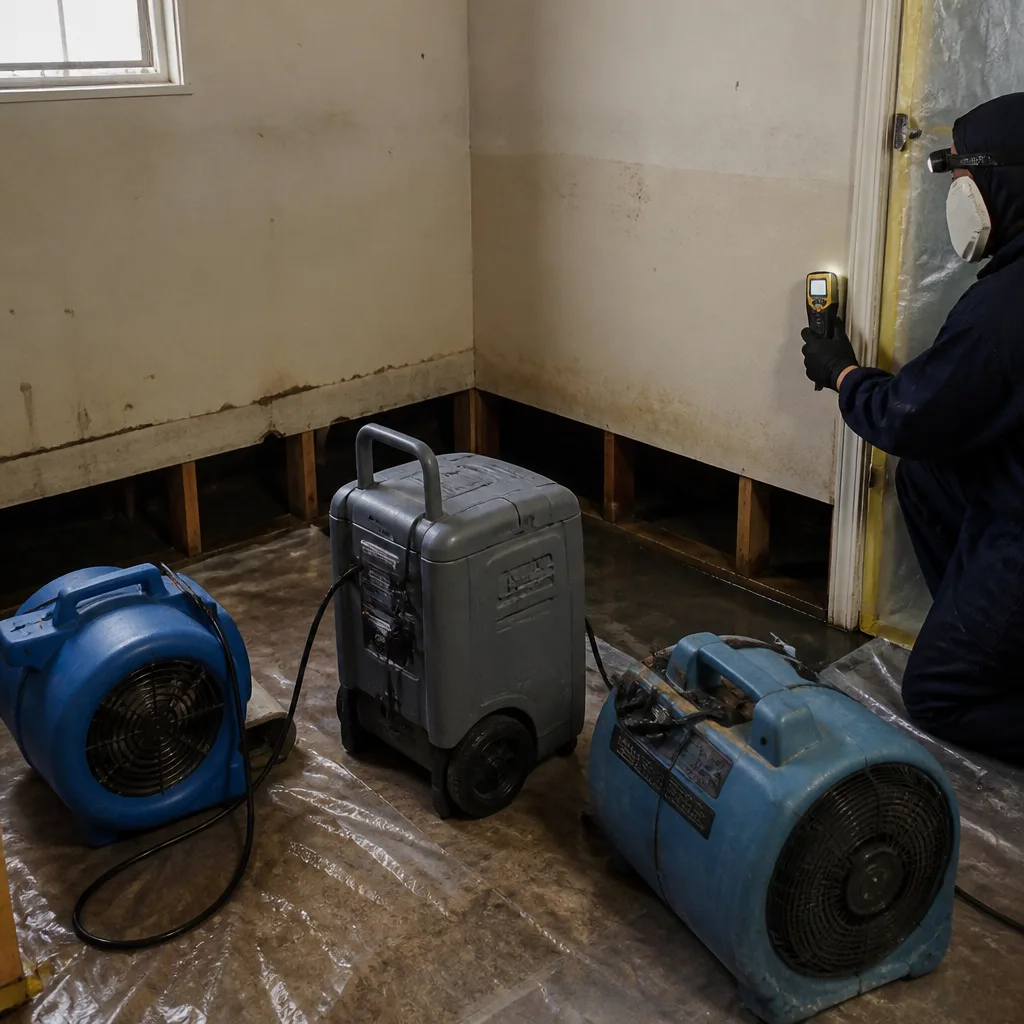 Before
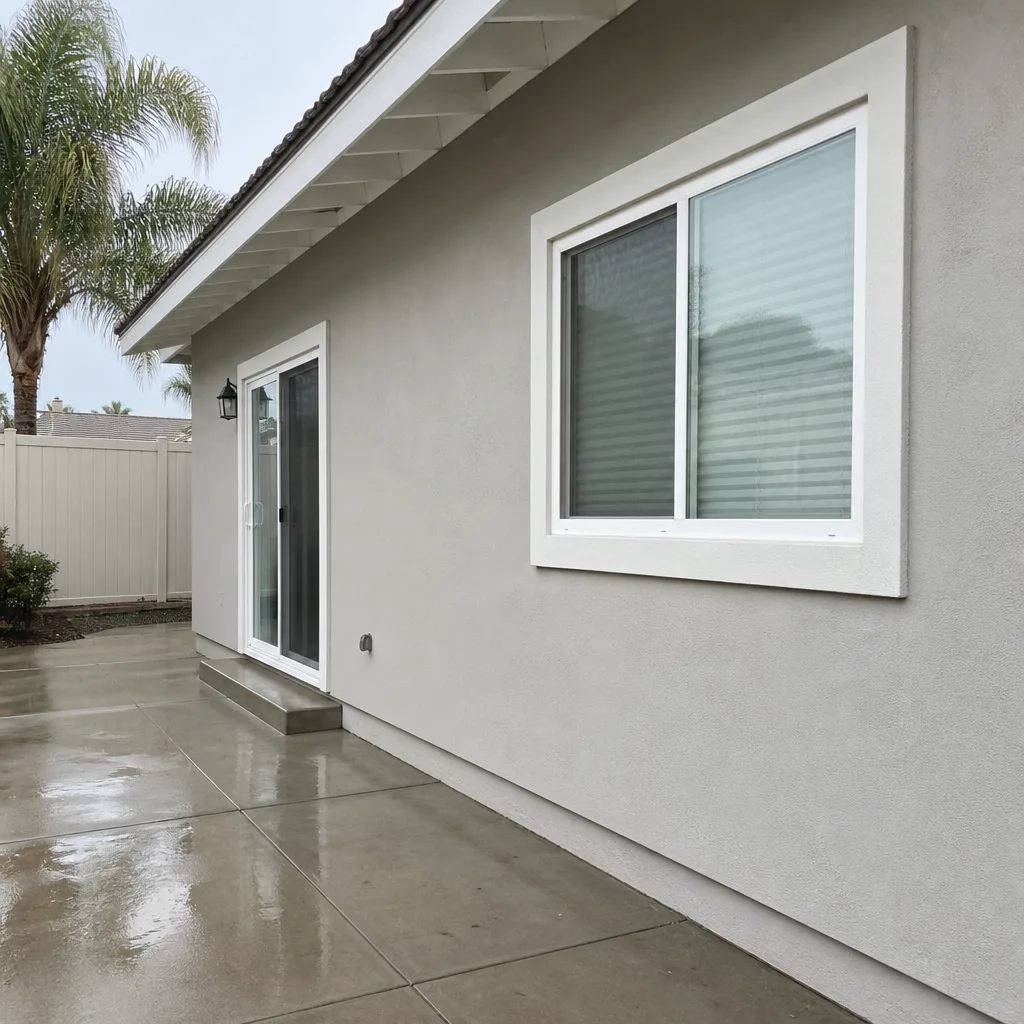 After
After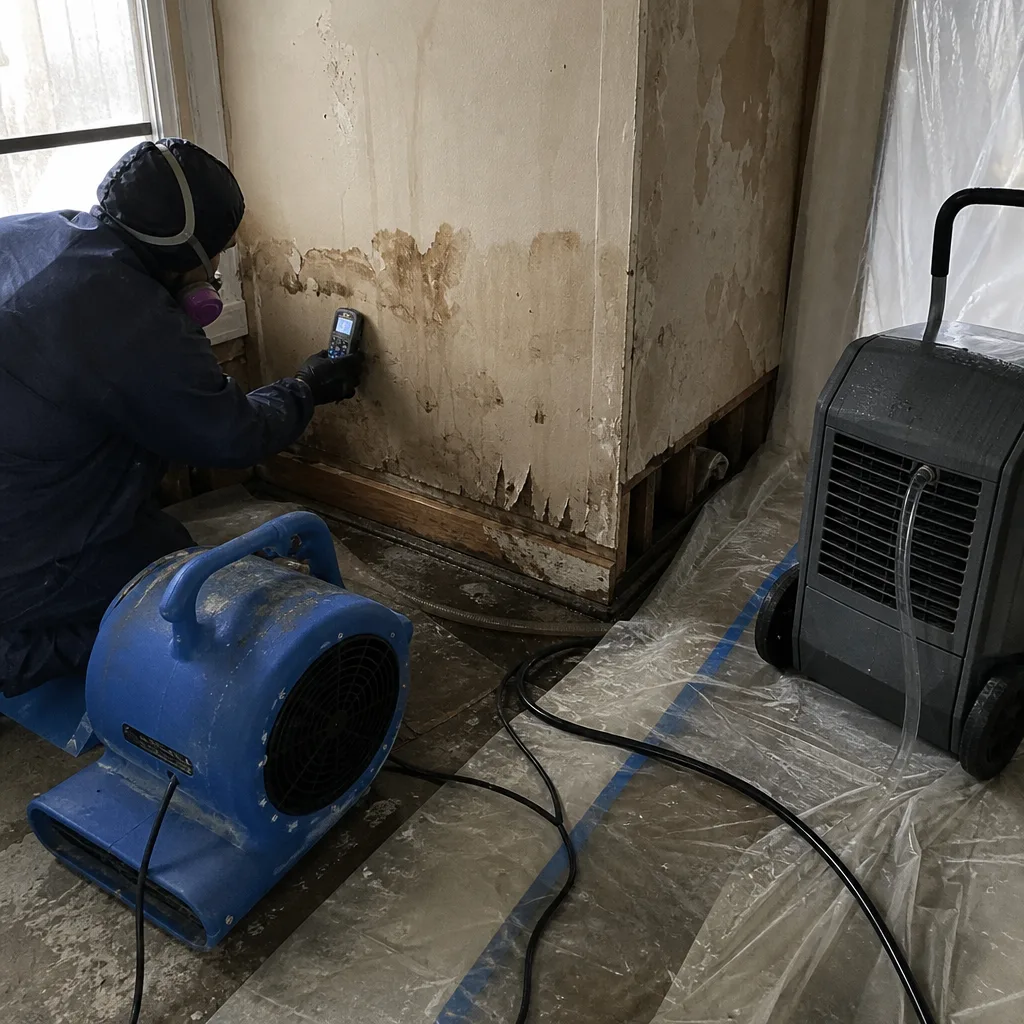 Before
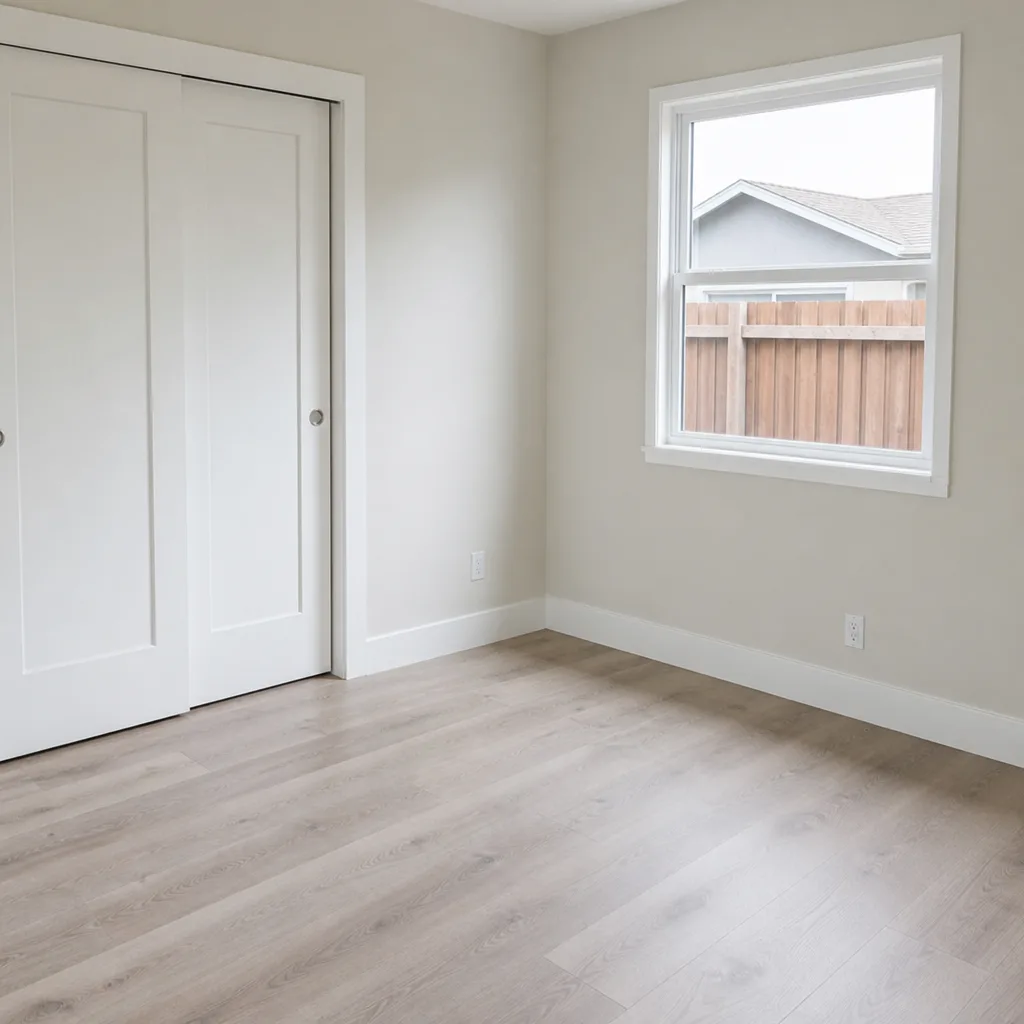 After
After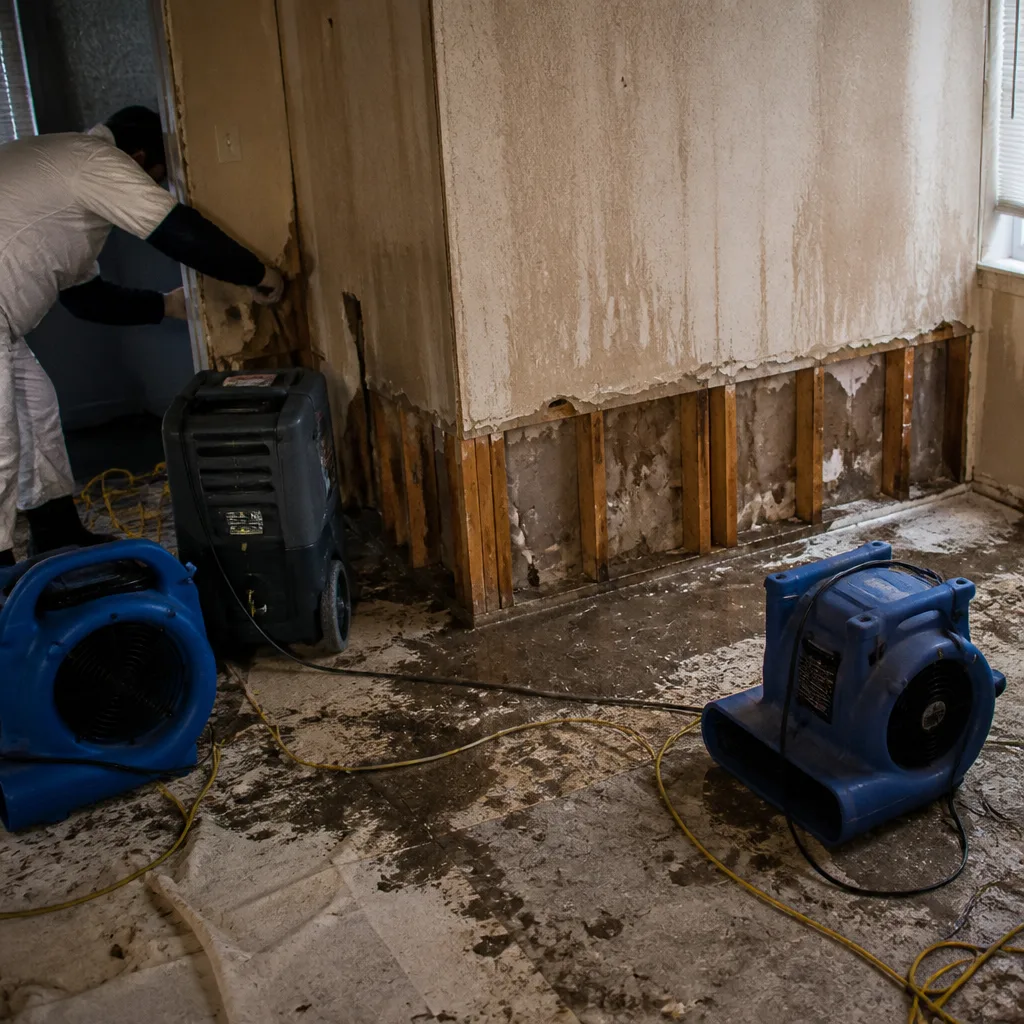 Before
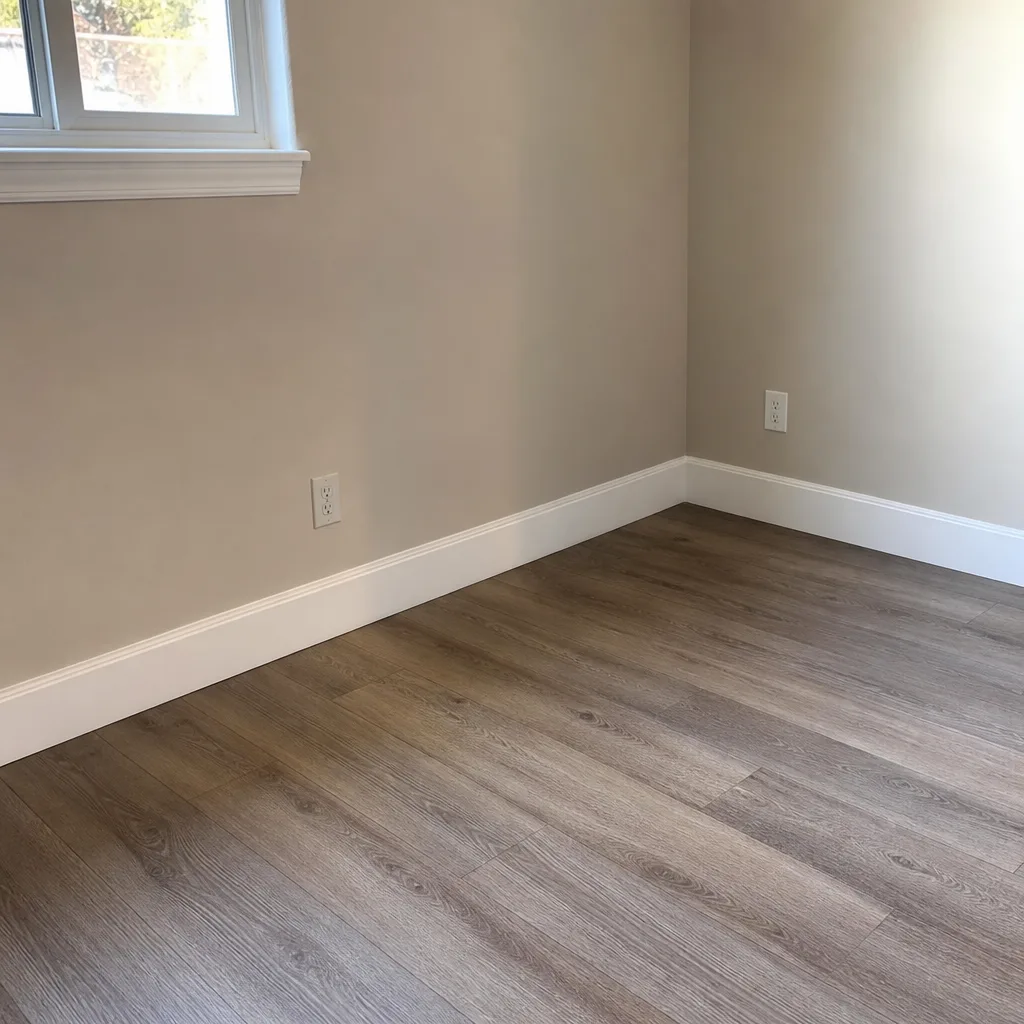 After
AfterDamage Restoration Warning Signs: A Santee Homeowner’s Reference Guide
Most guides tell you to watch for stains, musty odors, and bubbling paint - but for more guides & resources on early detection, read on. By then, you’re already looking at secondary damage. In Santee, where summer humidity routinely climbs past 70% and winter Santa Ana winds drive moisture into wall cavities, a homeowner who waits for visible symptoms typically faces remediation costs three to four times higher than early intervention. This guide teaches you to read your home like a restoration technician reads a loss file: through numbers, patterns, and documented evidence captured before the drywall tells the story.
Quick Answer
The earliest warning signs of water, mold, or structural damage in a Santee home are measurable, not visible. A pin moisture meter reading above 17% on wood or above 1% on drywall indicates active moisture accumulation before stains appear. Indoor relative humidity sustained above 60% in a closed room, a water meter dial that moves when all fixtures are off, or stair-step cracks at block corners from Santee’s expansive clay soils all signal damage in progress. Document these readings with dated photographs to support a sudden-loss insurance narrative if remediation becomes necessary, and consult our How to Hire a Damage Restoration Contractor in Santee: A Step-by-Step Guide before choosing a professional.
Table of Contents
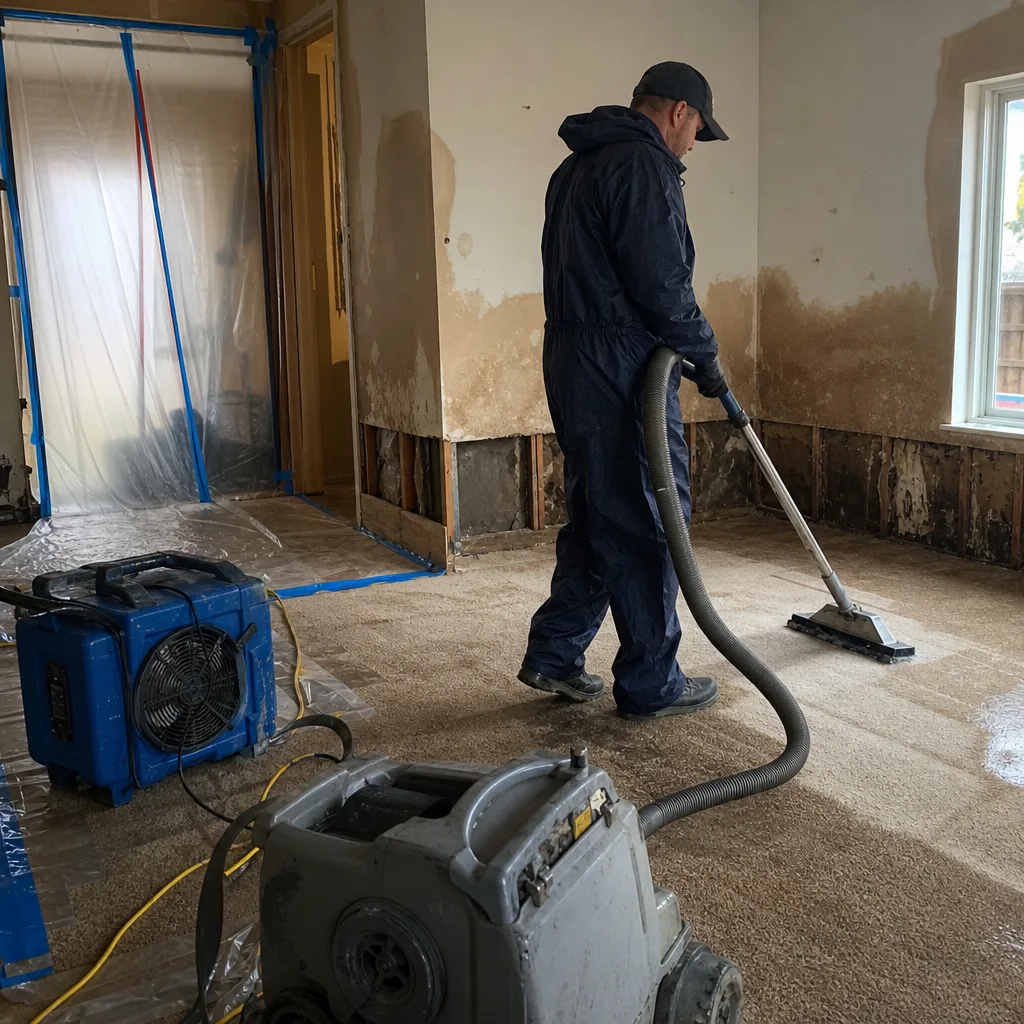
- How to Take Baseline Moisture Readings That Actually Mean Something
- Three Structural Warning Signs Specific to Santee’s Clay Soils
- Why a Single Elevated Humidity Reading Is a Red Flag, Not a Ventilation Problem
- Reading Your Water Meter and Bill Like a Leak Detection Specialist
- How to Document Warning Signs for Insurance Claims
- Fire and Smoke Damage: The Signs That Appear Before You Smell Smoke
- Sewage and Biohazard: When the Warning Sign Is a Health Symptom
- Common Mistakes to Avoid
- When to Call a Professional
- Frequently Asked Questions
BeforeAfterHow to Take Baseline Moisture Readings That Actually Mean Something
A consumer-grade pin moisture meter costs between $35 and $80 at any hardware store in Santee. It is the single most underused tool in residential early detection. We have walked into homes where the owner noticed a “slight mustiness” and found drywall at 18% moisture content, meaning the cavity behind it had been wet long enough to compromise the paper facing and begin microbial growth.
Here’s how to take readings that hold up in a restoration file or insurance review:
- Establish dry baseline readings first. In Santee’s climate, “dry” means 8-12% moisture content on dimensional lumber and 0.5% or lower on gypsum drywall. Take five readings in areas you know have stayed dry: an interior closet wall, a hallway ceiling, the side of a kitchen cabinet that faces the living space. Average these. This is your home’s normal.
- Test suspect areas with the grain, not across it. Wood is anisotropic; moisture travels along fibers faster than across them. Insert pins parallel to the grain for the most accurate reading. On subfloors, this means testing with the direction of the boards, not perpendicular.
- Test cabinet sides and toe-kicks, not just floors. Slow leaks from dishwasher supply lines or sink drains in Santee’s older Mission Gorge-area homes often wick up the particleboard side panels before the floor shows damage. A reading above 12% on cabinet material that should read 8-10% is early evidence.
- Document the exact location and reading. “Kitchen, north cabinet, left side panel, 14.2%” is a useful note. “Kitchen seemed damp” is not.
The critical thresholds: above 17% on wood indicates active moisture accumulation that will support fungal growth within 48-72 hours under favorable temperatures. Above 1% on drywall means the gypsum core has begun taking on water; the paper facing will follow. These numbers appear in IICRC S500, the water damage restoration standard, and they are the same thresholds our technicians use when deciding whether to set drying equipment or remove material.
One caveat: pin meters measure conductivity. They can be fooled by metal studs, foil-backed insulation, or residual salts from previous flooding. If you get an anomalously high reading, move six inches and test again. Consistent elevation across a pattern is evidence; a single spike may be interference.
Three Structural Warning Signs Specific to Santee’s Clay Soils
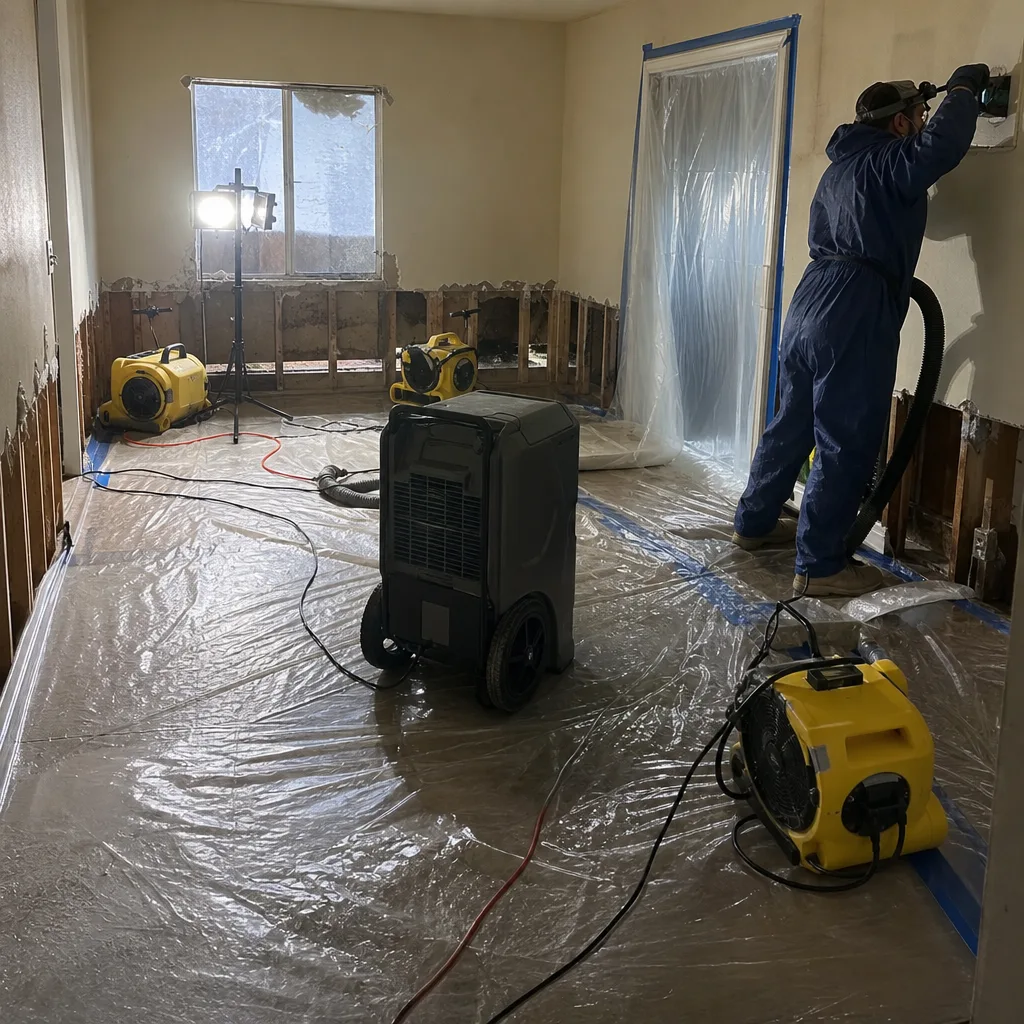
Santee sits on a geological formation known as the San Diego Formation, a mix of alluvial deposits and expansive clay soils that swell when wet and shrink when dry. This seasonal movement creates stress patterns distinct from coastal San Diego’s sandy soils or the decomposed granite of inland North County, which is why Seasonal Damage Restoration Care for Santee: Year-Round Homeowner’s Guide is essential reading here. Homeowners in neighborhoods like Santee Lakes, Sky Ranch, and along Mast Boulevard see these patterns earlier and more severely than the municipal average.
The three signs that distinguish soil-movement damage from ordinary settling:
Stair-Step Cracks at Block Corners
When expansive clay swells, it pushes upward on foundation corners with uneven force. The resulting crack follows the mortar joints in a stair-step pattern, typically widest at the top and narrowing toward the bottom. Hairline cracks under 1/8 inch may be cosmetic. Cracks that widen seasonally, or that you can fit a nickel into, indicate differential movement that has compromised the foundation’s ability to bear load evenly. In Santee, these cracks often appear after winter rains saturate clay that dried through summer, then the first Santa Ana wind cycle pulls moisture from the surface layer too quickly.
Door Frame Racking
A door that “sticks in summer” is not humidity swelling the jamb. It is the frame twisting out of square because the foundation beneath it has moved. Check the reveal, the gap between door and jamb, with a tape measure. If the gap varies by more than 1/8 inch from top to bottom, or if the door contacts the jamb at the top corner before the latch side, you are looking at racking. In homes built on Santee’s hillside lots, where cut-and-fill grading created variable soil compaction, this pattern often appears first on the downhill side of the structure.
Efflorescence at Foundation Stem Walls
Efflorescence is the white, powdery deposit left when water carrying dissolved salts migrates through concrete and evaporates at the surface. On foundation stem walls in Santee, it indicates capillary moisture movement from the soil into the wall. The salts themselves are not structural damage, but the water movement that carries them is. Persistent efflorescence means the foundation is wicking moisture continuously, which degrades the concrete paste over years and creates conditions for mold growth on interior framing. Photograph the pattern; if it reappears within 30 days of brushing it off, the moisture source is active, not residual.
These three signs together, or any one progressing rapidly, warrant a structural evaluation. They also create pathways for water intrusion that complicate restoration work. We have documented homes where a stair-step crack at the garage corner became the entry point for a slab leak that saturated an entire wall cavity before the interior showed any symptom.
Why a Single Elevated Humidity Reading Is a Red Flag, Not a Ventilation Problem
Santee’s summer climate produces outdoor relative humidity readings that swing from 40% to 80% in a single day. Homeowners understandably blame “the weather” when a room feels clammy. But a single room that reads above 60% RH when the rest of the house reads 45-50% is not a ventilation problem. It is a localized moisture source.
The distinction matters because the wrong diagnosis leads to the wrong fix. Installing a vent fan or dehumidifier masks the symptom while the source continues. In our work across Santee, from the Carlton Hills area to Rio Seco, we have traced elevated single-room humidity to:
- Slow drain leaks behind shower walls, where water runs down the pipe exterior and pools in the pan, producing 65-75% RH in the bathroom while adjacent bedrooms read normal.
- Condensate drain clogs in attic-mounted HVAC units, common in Santee’s 1990s-era tract homes, where the overflow pan fills and evaporates slowly, raising humidity in the hallway below.
- Supply line seepage at toilet flanges, particularly in homes with original brass supply lines that have work-hardened and cracked at the compression fitting.
Here’s the diagnostic sequence we use:
- Close the room’s door and HVAC vent for four hours. This isolates the space from house-wide air mixing.
- Place a humidity logger or even a basic digital hygrometer in the center of the room, away from walls and windows.
- Record the reading. Above 60% RH in a closed room at 72-75°F indicates approximately 0.75 pounds of water vapor per 1,000 cubic feet above what the air can hold without condensation risk.
- Check the opposite side of every wall, floor, and ceiling bounding that room. The moisture source is on the wet side.
A ventilation problem would show elevated humidity house-wide, or at minimum on the same HVAC zone. A single room with a sustained elevation is evidence of a point source. Find it before the drywall softens.
Reading Your Water Meter and Bill Like a Leak Detection Specialist
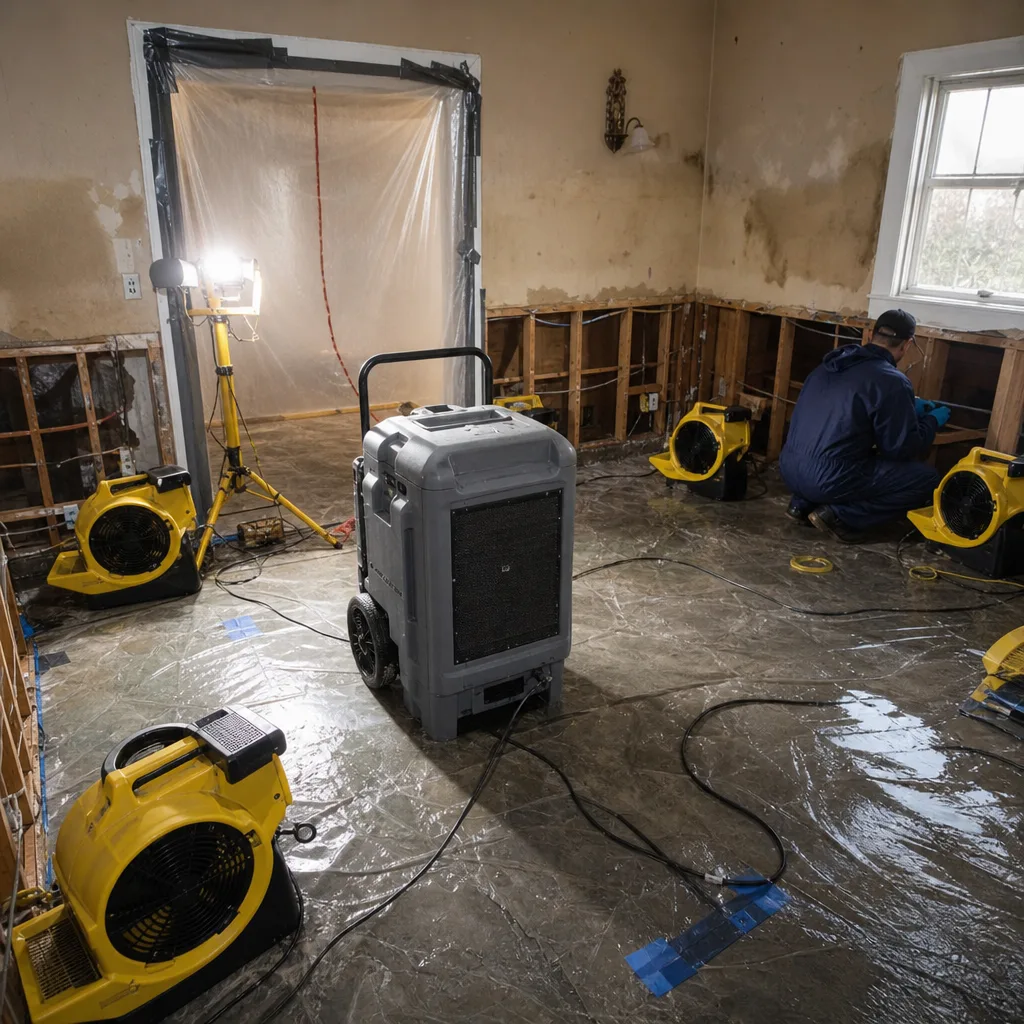
Your water meter is a data logger that records consumption whether you watch it or not. In Santee, where Padre Dam Municipal Water District bills in hundred-cubic-foot (CCF) units, a single CCF equals 748 gallons. An unexplained one-CCF increase on a monthly bill is 25 gallons per day of continuous loss. That is not a dripping faucet. That is a leak with structural consequences.
The meter itself tells the story if you know how to read it:
The Disc Test
Locate your meter, typically in a concrete box near the curb. Santee homes built after 1985 usually have a digital or dial-type meter with a small flow indicator, often a red or blue triangle or a digital display showing gallon increments. Turn off every fixture in the house, including ice makers, humidifiers, and irrigation systems at the valve. Watch the indicator for ten minutes. Any movement means water is passing through the meter. A slowly spinning disc indicates a leak of roughly 1-3 gallons per hour, enough to saturate a wall cavity in 48 hours. A rapidly spinning disc indicates a break that demands immediate shutoff.
The Three Most Common Santee Culprits
Once you have confirmed meter movement, rule out the usual suspects in order of likelihood:
- Irrigation valves. Santee’s warm-season turf grass and clay soils create high irrigation demand. A valve diaphragm that fails to seat fully, or a cracked PVC lateral line, can lose 10-20 gallons per hour while producing no surface evidence because the clay absorbs it. Turn off the irrigation master valve and retest the meter. If movement stops, the leak is in the landscape system.
- Toilet flappers. A deteriorated flapper allows tank water to seep into the bowl continuously. The leak is silent and can reach 200 gallons per day. Add food coloring to the tank; if color appears in the bowl within 15 minutes without flushing, replace the flapper before calling a restoration company.
- Supply line fittings. Angle stops, flex lines, and compression fittings in Santee’s original plumbing (much of it 1980s-1990s copper or early PEX) work-harden with thermal cycling. A weeping fitting under a sink or behind a toilet loses water slowly enough to evaporate before pooling, but steadily enough to elevate moisture in the surrounding cavity for weeks.
If the meter moves with irrigation off and toilets ruled out, the leak is likely in a wall, slab, or underground supply line. This is when professional leak detection with acoustic equipment or thermal imaging becomes cost-effective. The alternative is exploratory demolition without a target.
How to Document Warning Signs for Insurance Claims
Insurance adjusters evaluate two things: cause and duration. A sudden, accidental loss is covered. Long-term damage that the homeowner “should have noticed” is often denied as maintenance neglect. Your documentation determines which category applies.
The sudden-loss narrative is the difference between a paid claim and a denied one. Here’s how to build it from the first warning sign:
- Photograph with context. Every image needs scale and location. Include a ruler or coin for size reference, and a piece of paper with the date, time, and room written in marker. “Master bath, north wall, 3/15/2025, 2:15 PM” is admissible evidence. “Bathroom damage” is not.
- Capture the progression, not just the endpoint. If a moisture meter reading rises from 12% to 16% over ten days, photograph the meter display at each reading with the location card. This documents rapid onset, the key element of sudden loss.
- Photograph what is not damaged. Take images of adjacent walls, floors, and ceilings that read normal. This establishes the localized nature of the event and rebuts any claim of long-term neglect.
- Use video for sound and flow. A 30-second video of water dripping from a ceiling joist, with audible narration of date and location, captures what still images cannot. Save the original file; do not rely on compressed social media uploads.
- Store in two places. Cloud storage and a local backup. Water damage destroys phones and computers with equal enthusiasm.
When we arrive at a Santee home for water damage restoration in Santee, the first thing we request is any documentation the homeowner has. A well-documented file with dated photos and moisture readings allows us to write a scope that aligns with the sudden-loss narrative, which in turn produces an invoice the adjuster pays without dispute. This is the documentation-first approach that defines our work.
One technical note: smartphone photographs embed EXIF data including date, time, and often GPS coordinates. Do not strip this data. It is automatic authentication. If you edit the image, save a copy and preserve the original unedited file.
Fire and Smoke Damage: The Signs That Appear Before You Smell Smoke
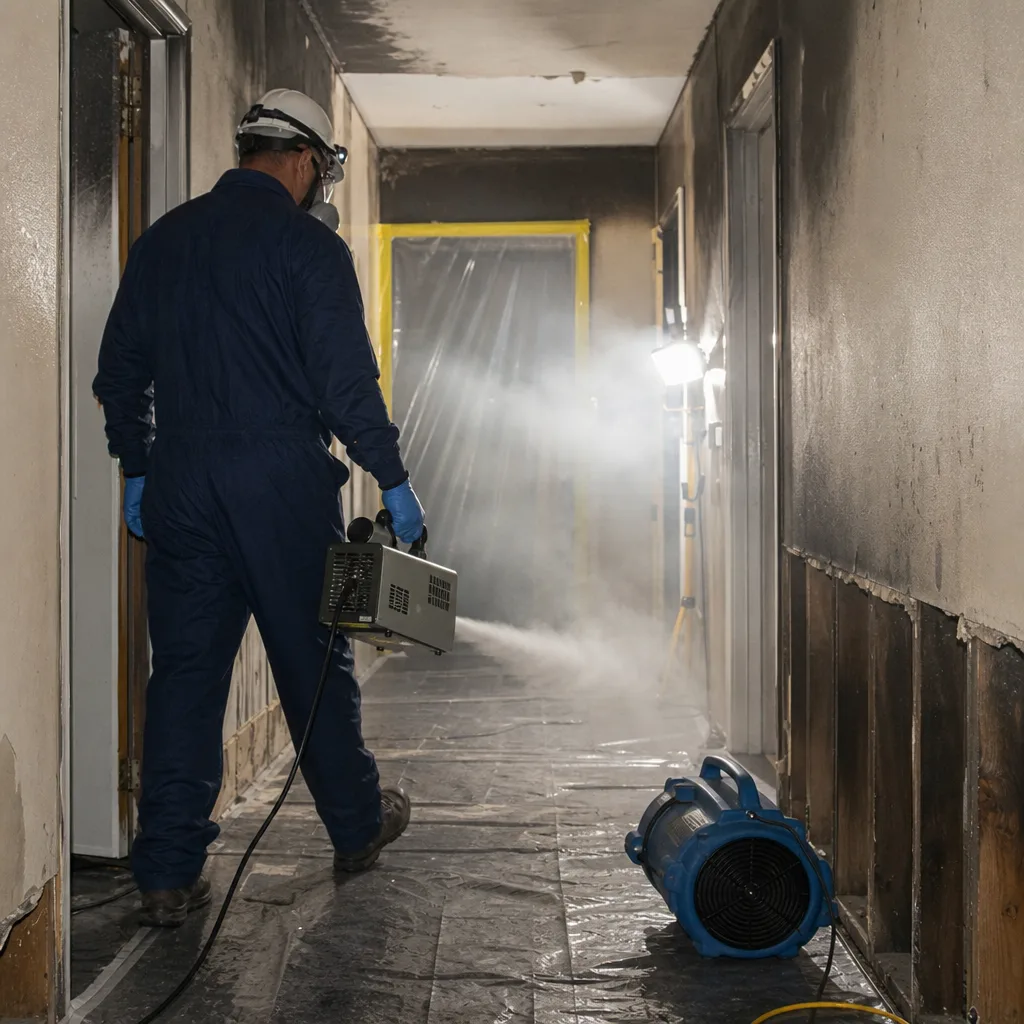
Not all fire damage begins with flames. Electrical faults, the leading cause of residential fires in San Diego County, produce precursor signs that a homeowner can detect if they know what to look for. The same documentation discipline applies.
Discolored outlet faces or switch plates indicate resistive heating at the connection. A plate that is warm to the touch, or that shows browning at the screw holes, means the terminal connection has loosened or oxidized. The heat degrades the plastic and can ignite surrounding material. In Santee’s older homes, particularly those built during the 1970s construction boom with aluminum branch-circuit wiring, this pattern appears at the connection points where copper and aluminum were joined with improper devices.
Arc-fault circuit interrupters (AFCIs) that trip repeatedly are not nuisance tripping. They are detecting parallel arcing, series arcing, or ground faults that precede ignition. If an AFCI trips more than twice in a month, the circuit needs evaluation by a licensed electrician. Document each trip with date and time.
Soot patterns at candle or appliance vents that appear suddenly, or that darken an area that stayed clean previously, indicate altered combustion. This can mean a blocked flue, a cracked heat exchanger, or negative pressure drawing exhaust back into the living space. Photograph the pattern and note any accompanying symptoms: headache, nausea, or condensation on windows that did not previously show it.
Smoke damage, once it occurs, requires specialized remediation. Fire & smoke damage restoration in Santee follows IICRC S740, the standard for professional fire and smoke damage restoration, which specifies cleaning methods by residue type and surface porosity. The longer smoke residues remain, the more they bond with surfaces through acidification. Early detection and rapid response limit the scope of necessary work.
Sewage and Biohazard: When the Warning Sign Is a Health Symptom
Sewage backup and biohazard contamination differ from other damage categories in one critical respect: the warning sign may be physical illness rather than property symptom. Category 3 water, defined by IICRC S500 as “grossly contaminated,” contains pathogenic, toxigenic, or other harmful agents. In Santee, where many homes connect to aging sewer laterals in established neighborhoods, slow backups can release enough biological contamination to affect occupants before any visible pooling occurs.
The health symptoms that precede visible evidence:
- Unexplained respiratory irritation in a single household member, particularly upon waking, that resolves when the person leaves the house. This pattern suggests airborne endotoxins from bacterial growth in a drain or sewer line.
- Skin irritation after bathing, particularly in children, that does not correlate with changed soaps or detergents. Contaminated water in a compromised supply line or cross-connection can carry irritants.
- Persistent drain flies (Psychoda spp.) in bathrooms or kitchens. These insects breed in the gelatinous film that forms on pipe walls where organic waste accumulates. Their presence indicates a drainage system that is not flowing freely, which in turn creates conditions for backup.
If any of these symptoms appear with a history of slow drains, gurgling toilets, or sewage odors, the appropriate response is not bleach and a plunger. It is professional assessment with appropriate personal protective equipment and containment. Sewage contamination requires removal of porous materials, disinfection of non-porous surfaces, and verification through environmental sampling. The health risk is not hypothetical; it is documented in occupational exposure literature and regulated by OSHA and Cal/OSHA.
Common Mistakes to Avoid
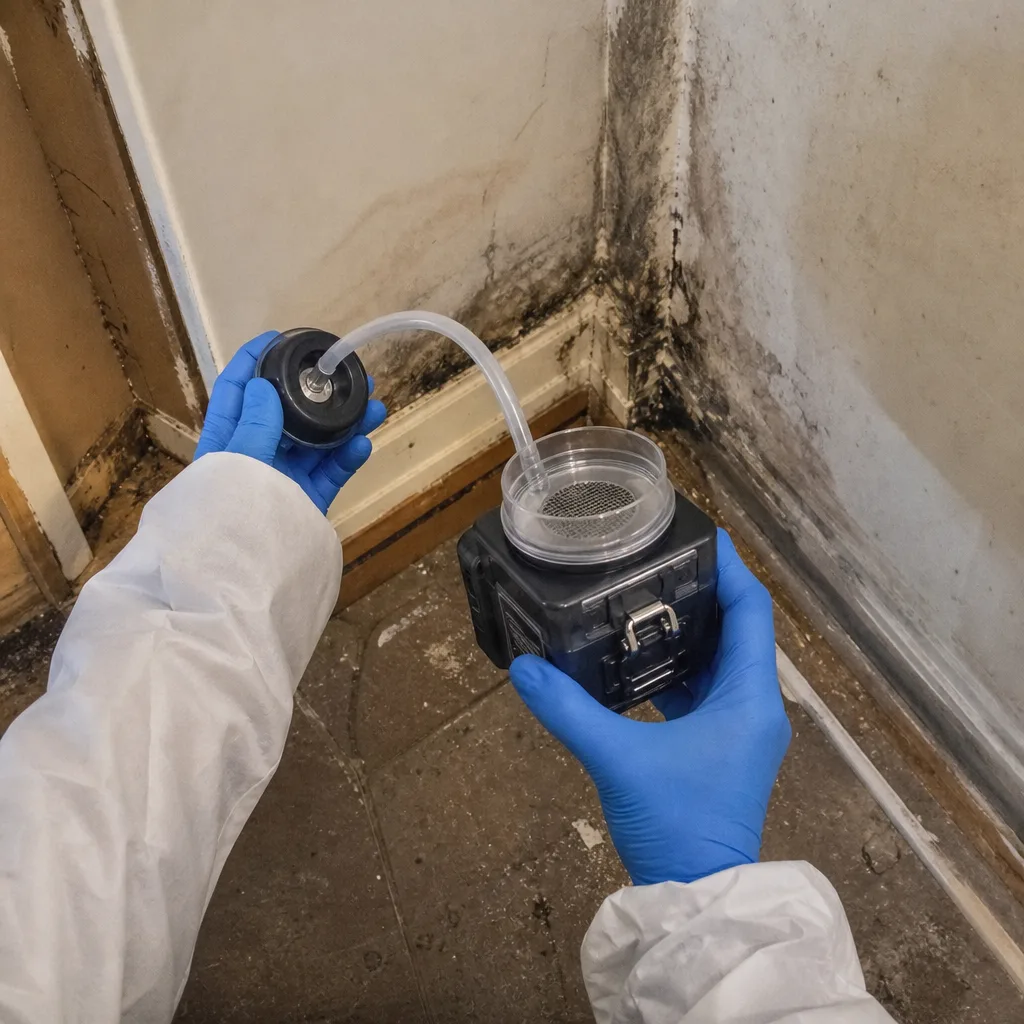
- Assuming a dehumidifier fixes everything. A portable dehumidifier removes airborne moisture but does not address the source. We have found saturated subfloors in Santee homes where the owner ran a dehumidifier for months, believing the problem solved, while a slab leak continued.
- Waiting for the stain to appear. Drywall stains indicate the facing has failed and the core is saturated. At that point, the cavity behind has been wet long enough to support mold growth. The moisture meter reading that matters is the one you take before the stain.
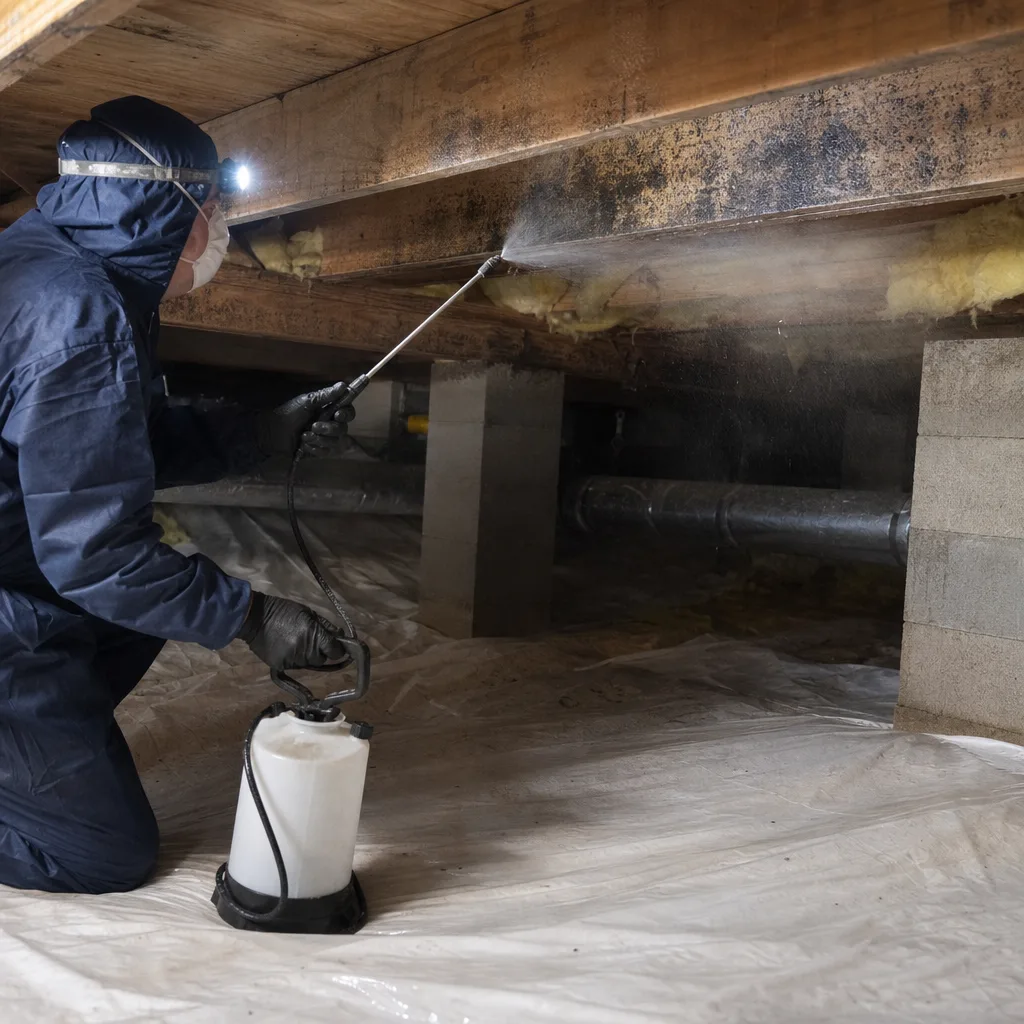
- Using bleach on mold. Bleach evaporates faster than it penetrates porous material, leaving moisture behind that feeds regrowth. It also degrades cellulose fibers, making drywall more susceptible to future colonization. Proper mold remediation in Santee follows IICRC S520, which specifies containment, negative air pressure, and removal rather than surface treatment.
- Ignoring seasonal patterns. Santee’s clay soils produce foundation movement that is predictable: swelling in winter, shrinking in summer. Cracks that “close up” in dry months are not resolving; they are cycling. Document the seasonal range, not the minimum.
- Failing to verify contractor documentation. Any restoration contractor in California must hold a state contractor’s license for work exceeding $500. Ask for the license number and verify it through the CSLB. Ask for a certificate of insurance naming you as additional insured. At DryMark Restoration Santee, we provide both before work begins, every time.
- Discarding evidence during cleanup. The water-damaged carpet pad you throw away is the sample that could have proven sudden loss versus long-term exposure. Photograph everything before moving it, and retain representative samples until the claim resolves.
- Accepting verbal assurances. A warranty that is not written is not a warranty. A price that is not written before work starts is not a price. Haven Standard, Clause 1 exists because we have seen what happens when these elements are missing.
When to Call a Professional
Call when a moisture meter reading exceeds the thresholds in this guide and you cannot identify and stop the source within 24 hours. Call when structural cracks progress seasonally or exceed 1/4 inch. Call when any health symptom correlates with time spent in the home. Call when your water meter moves with all fixtures off and the irrigation system isolated.
Do not call hoping for a phone diagnosis. Call to schedule an assessment with documented findings: moisture readings, thermal images, and a written scope with a price before any work begins. DryMark Restoration Santee offers free estimates in Santee - call (619) 604-5535. Every assessment includes a photo record, a moisture map, and a written scope under Haven Standard, Clause 1. If you have a competitor’s estimate, we will review it at no charge under our Free Second Opinion policy.
Frequently Asked Questions
A professional moisture assessment with thermal imaging, pin and non-invasive meter readings, and a written report typically ranges from $150 to $350 in the Santee market. At DryMark Restoration Santee, this assessment is included free with any estimate. The value is in the documentation: a moisture map with readings, dated photographs, and a written scope that supports insurance submission. Call (619) 604-5535 to schedule - estimates are free.
Yes, if the loss is sudden and accidental. The key is documentation that establishes rapid onset: dated moisture readings showing progression, photographs of the undamaged adjacent area, and a professional assessment that identifies the source. Insurance does not require visible stains to validate a claim; it requires evidence of an event that meets policy terms. We have processed hundreds of claims in Santee where early detection produced faster payment and lower out-of-pocket costs.
Live phone coverage is available 24 hours a day, 7 days a week with no voicemail on emergency lines. For active water damage with ongoing flow, we dispatch same day. For assessment of warning signs without active flooding, we typically schedule within 24 hours. Response time for DryMark Restoration Santee home service is measured from your call to our arrival, not from a callback.
Visible growth on a surface indicates colonization that has likely extended into the substrate and may have released spores into the air handling system. Surface cleaning addresses what you see, not what the moisture meter reads in the cavity behind. IICRC S520 requires containment and negative air pressure for any remediation exceeding 10 square feet of visible growth. A professional assessment determines the actual extent; the visible area is rarely the total area.
Santee’s location in the San Diego River valley produces a clay-dominant soil profile with high expansion potential. Where coastal areas have sandy soils that drain quickly and inland areas have decomposed granite that is structurally stable, Santee’s clay swells with winter saturation and shrinks through summer desiccation. This cycle creates differential foundation movement that appears as stair-step cracking, door racking, and slab settlement patterns distinct from other regions. Homes in the Carlton Oaks and Sky Ranch areas, built on cut-and-fill lots, show these patterns earliest.
A consumer-grade pin meter is sufficient for baseline readings and early detection. Professional-grade meters offer additional features: non-invasive scanning to locate moisture without surface penetration, deeper probes for subfloor and insulation testing, and data logging for insurance documentation. The threshold numbers - 17% wood, 1% drywall - are the same regardless of meter grade. Use what you have; upgrade if you find sustained elevation that requires professional evaluation.
The Bottom Line
The warning signs that matter are measurable, photographable, and datable. A moisture meter reading above 17% on wood. A humidity logger showing 62% RH in a closed bedroom. A water meter disc that turns when every fixture is off. These numbers, captured with context and preserved with original files, build the documentation that turns a restoration invoice into a paid claim. In Santee’s climate and soil conditions, waiting for stains, odors, or peeling paint means waiting too long. The homeowners who spend least on remediation are those who detect damage at the number, not at the symptom.
Every assessment we perform at DryMark Restoration Santee produces a written scope and price before work begins, a photo record on every visit, and a 365-Day Done Right Promise backed by The Haven Standard. If you have warning signs and want a documented evaluation, call (619) 604-5535.
Written by Alicia Brennan, Owner at DryMark Restoration Santee, serving Santee since 2011.