
Last updated September 23, 2026
Free visual inspection and a written scope of work before any mitigation begins - photos, moisture readings, and drying logs go in your claim file
The scope we write is the scope we bill. Anything new gets shown to you, in writing, before we touch it.
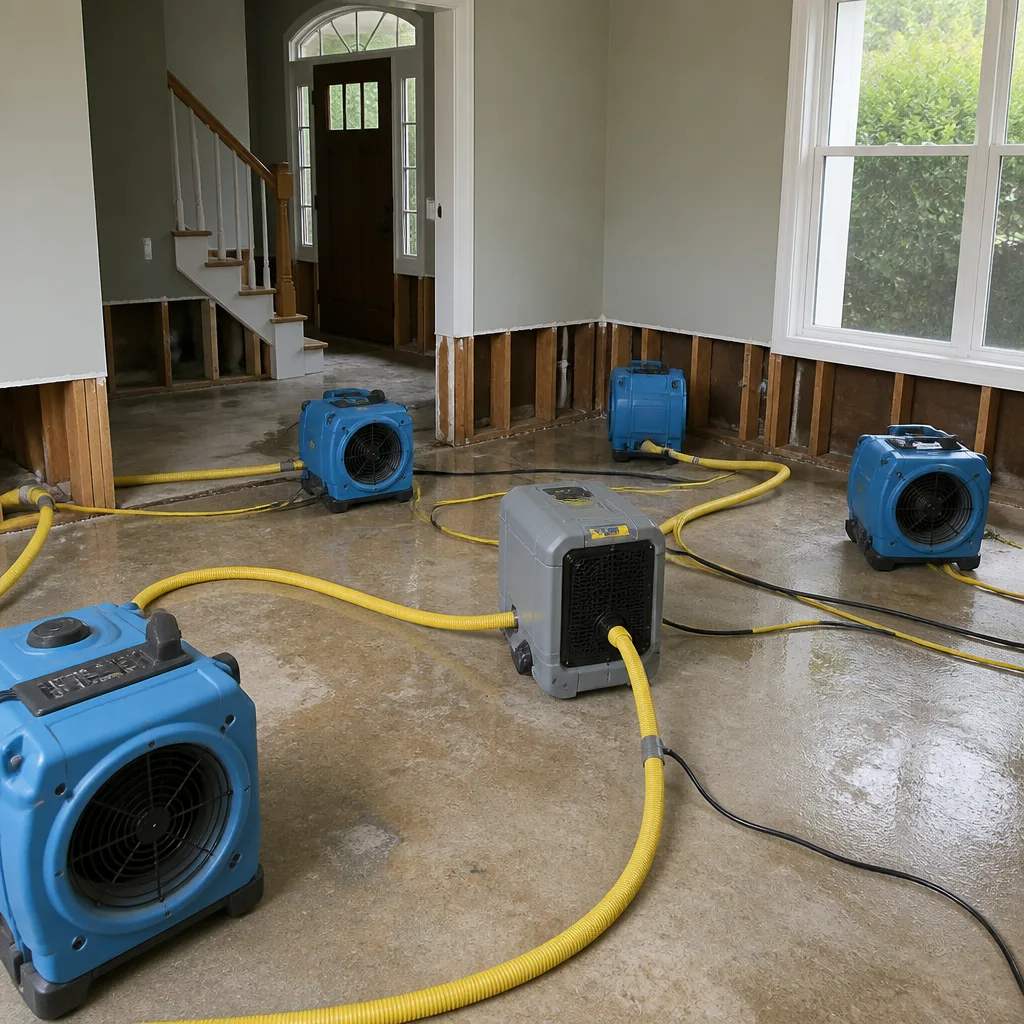
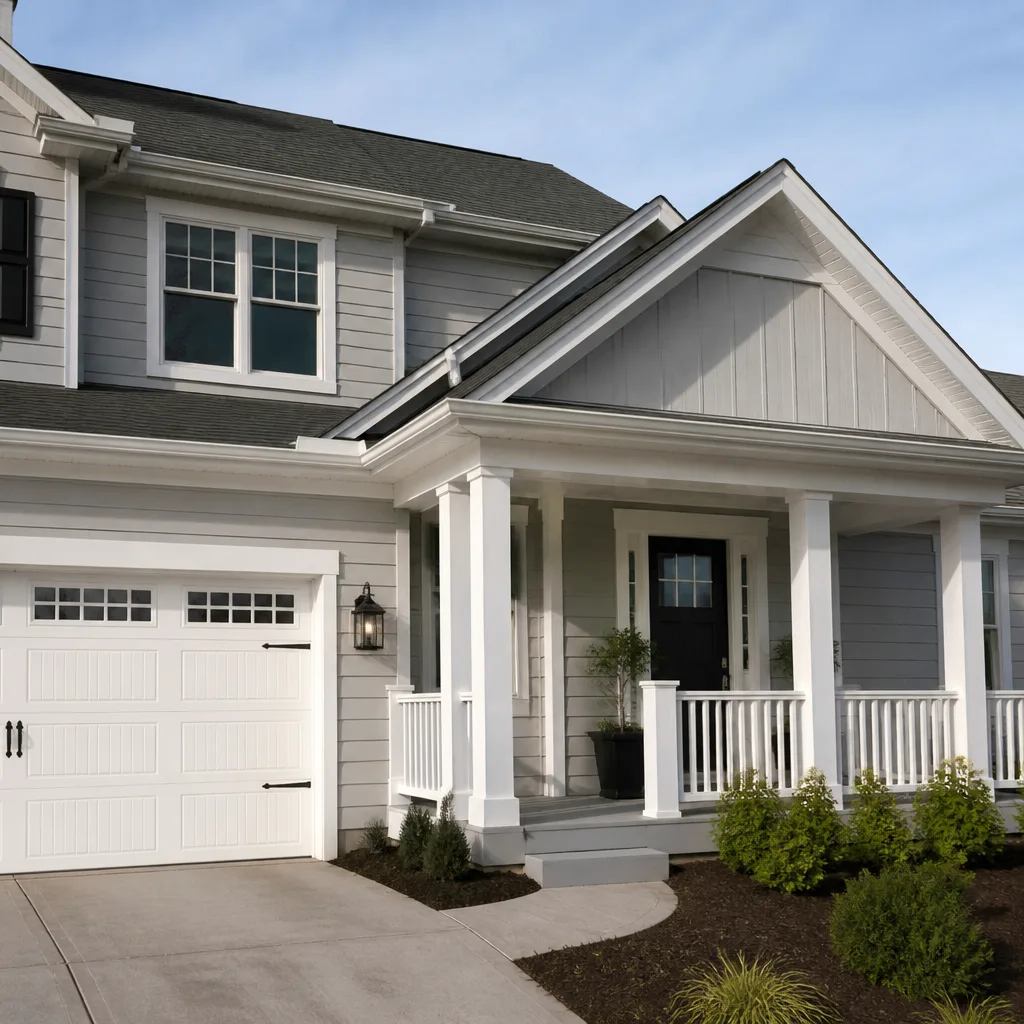
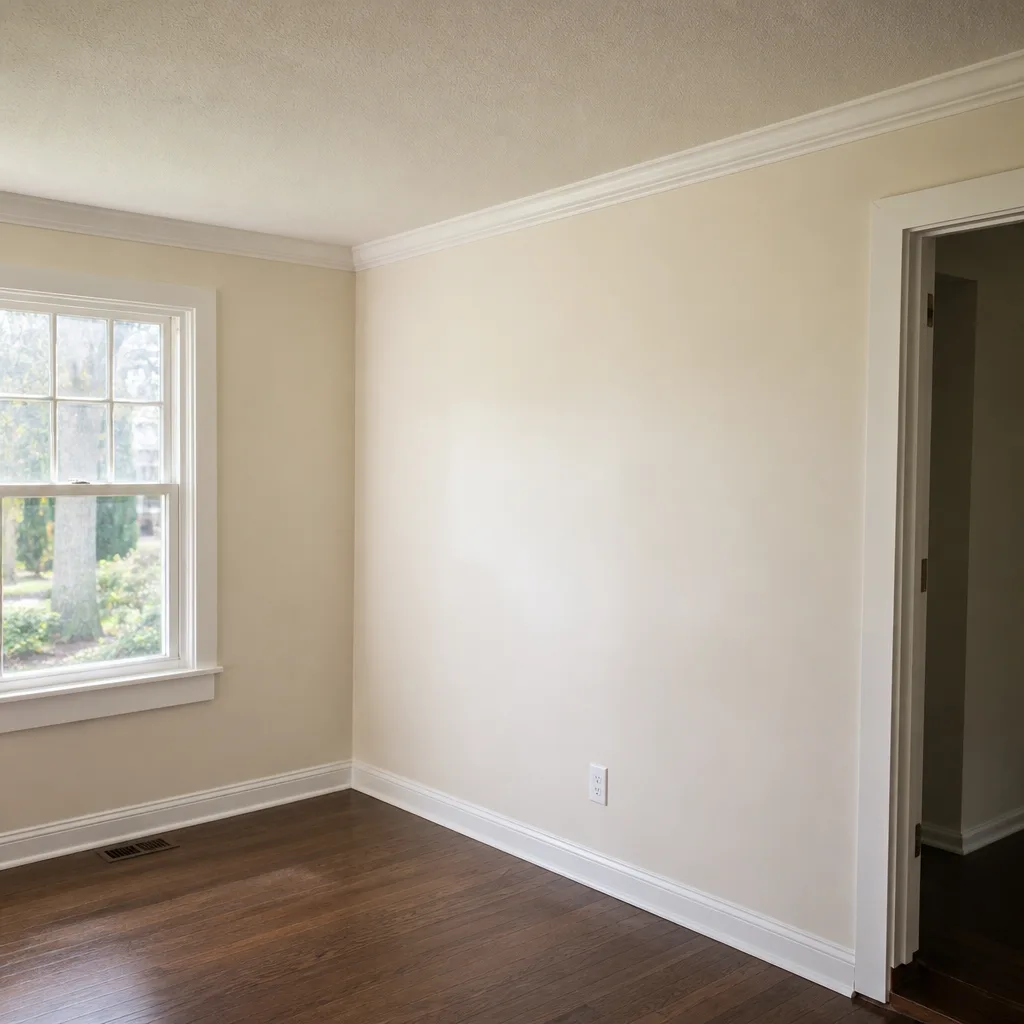
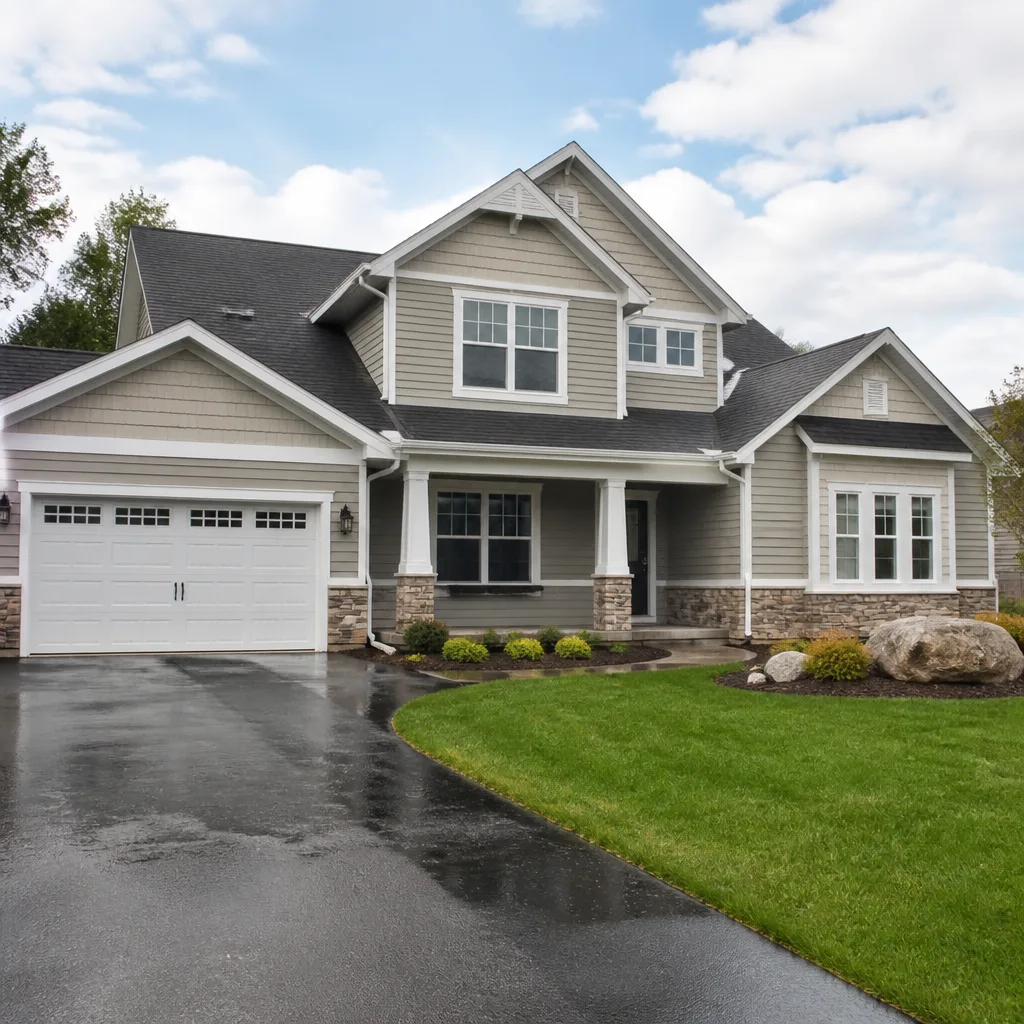
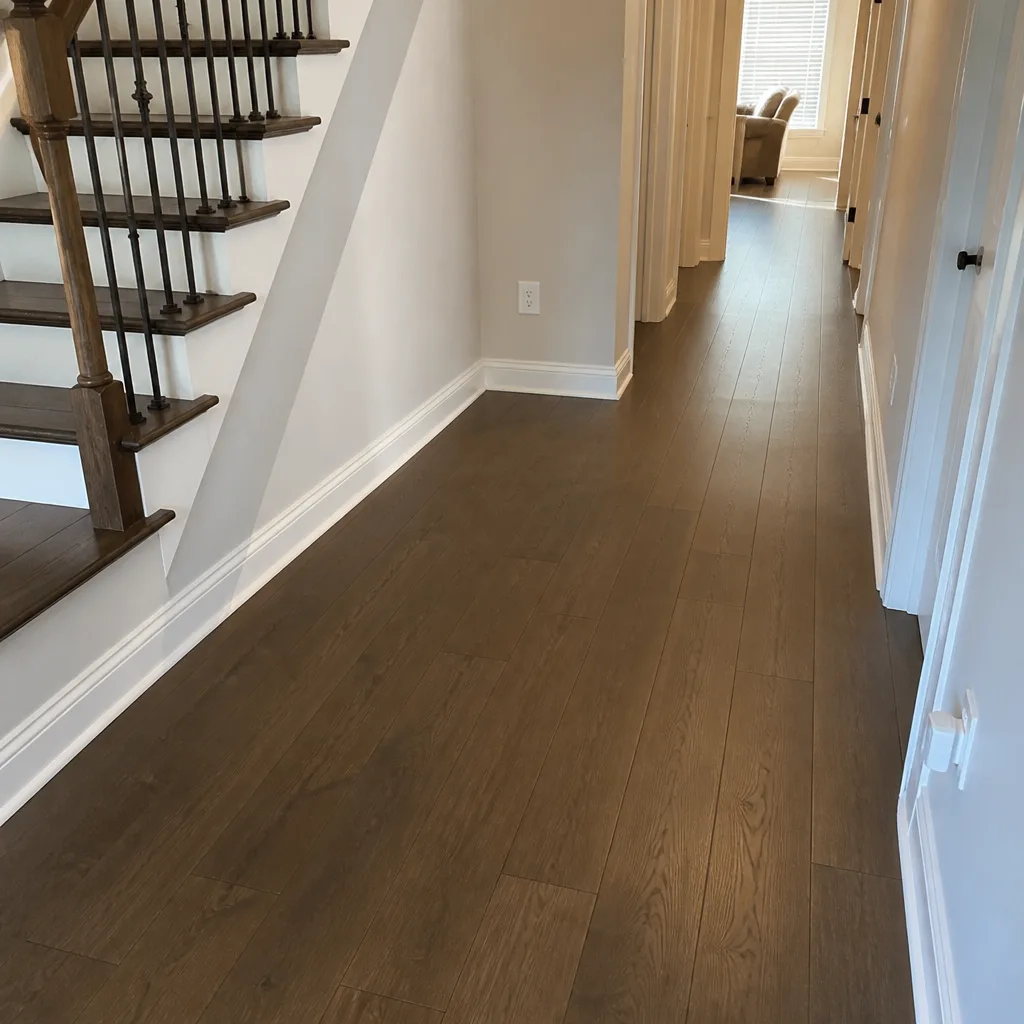
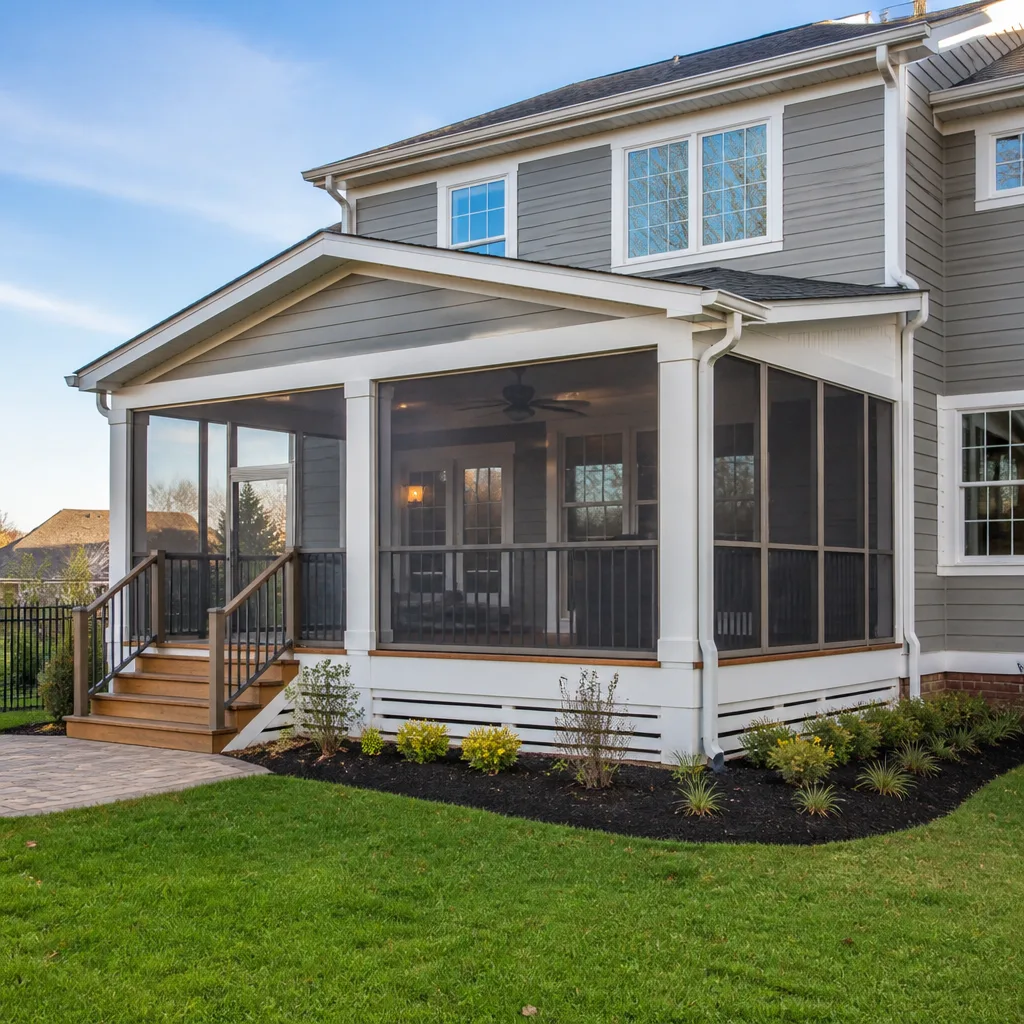
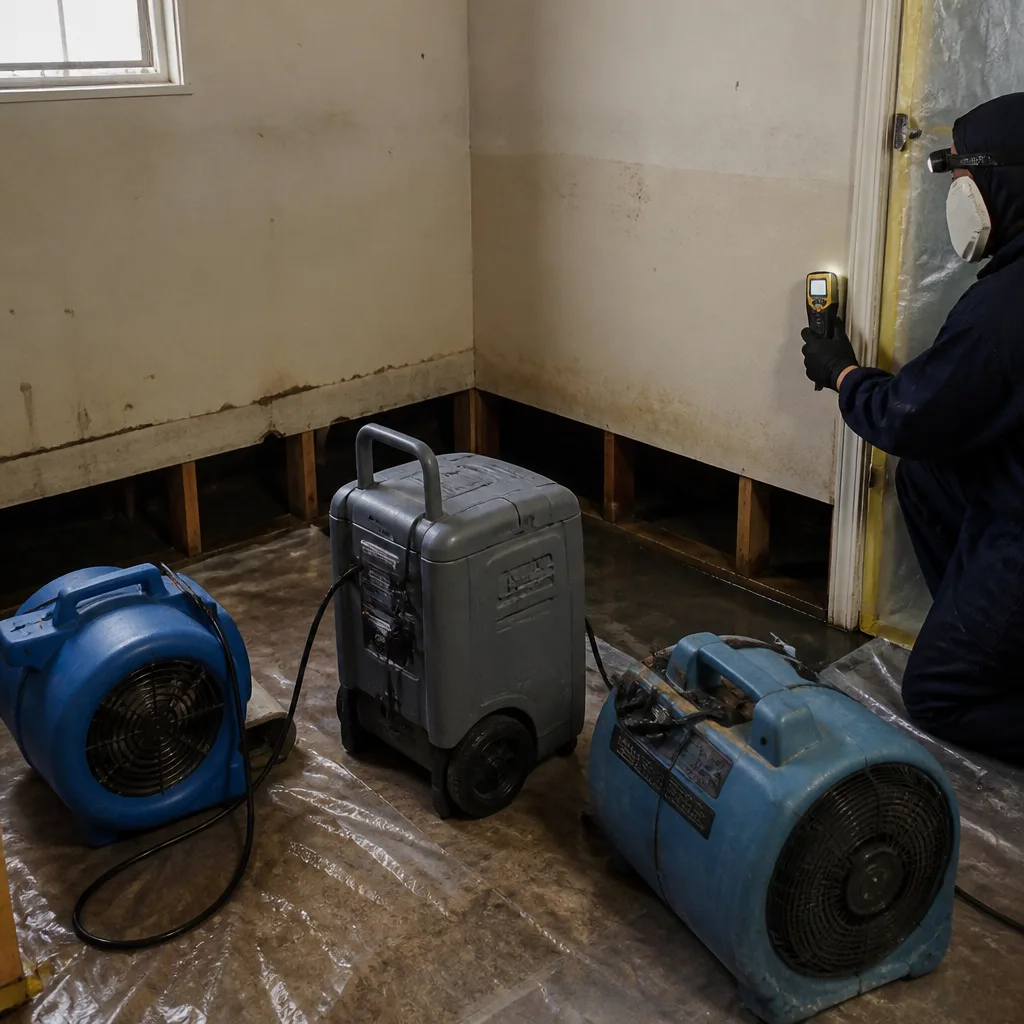 Before
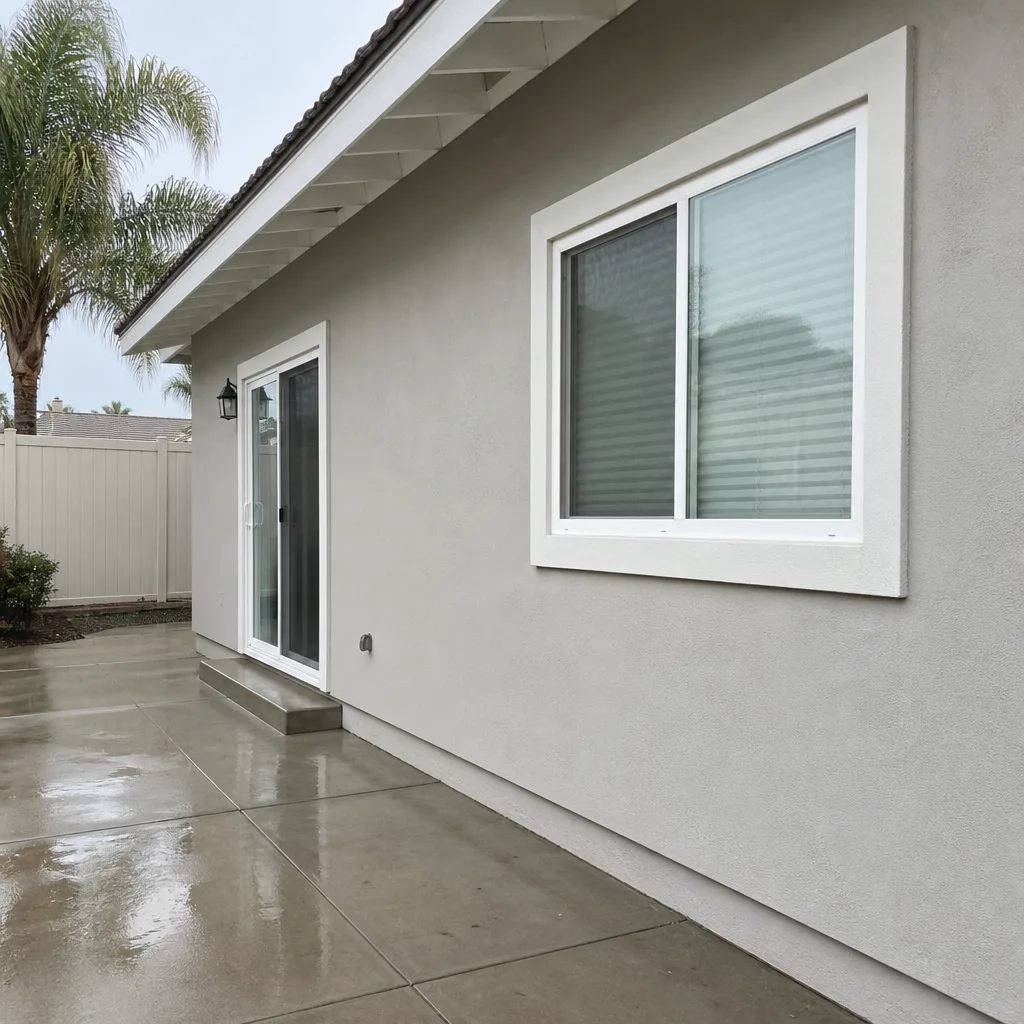 After
After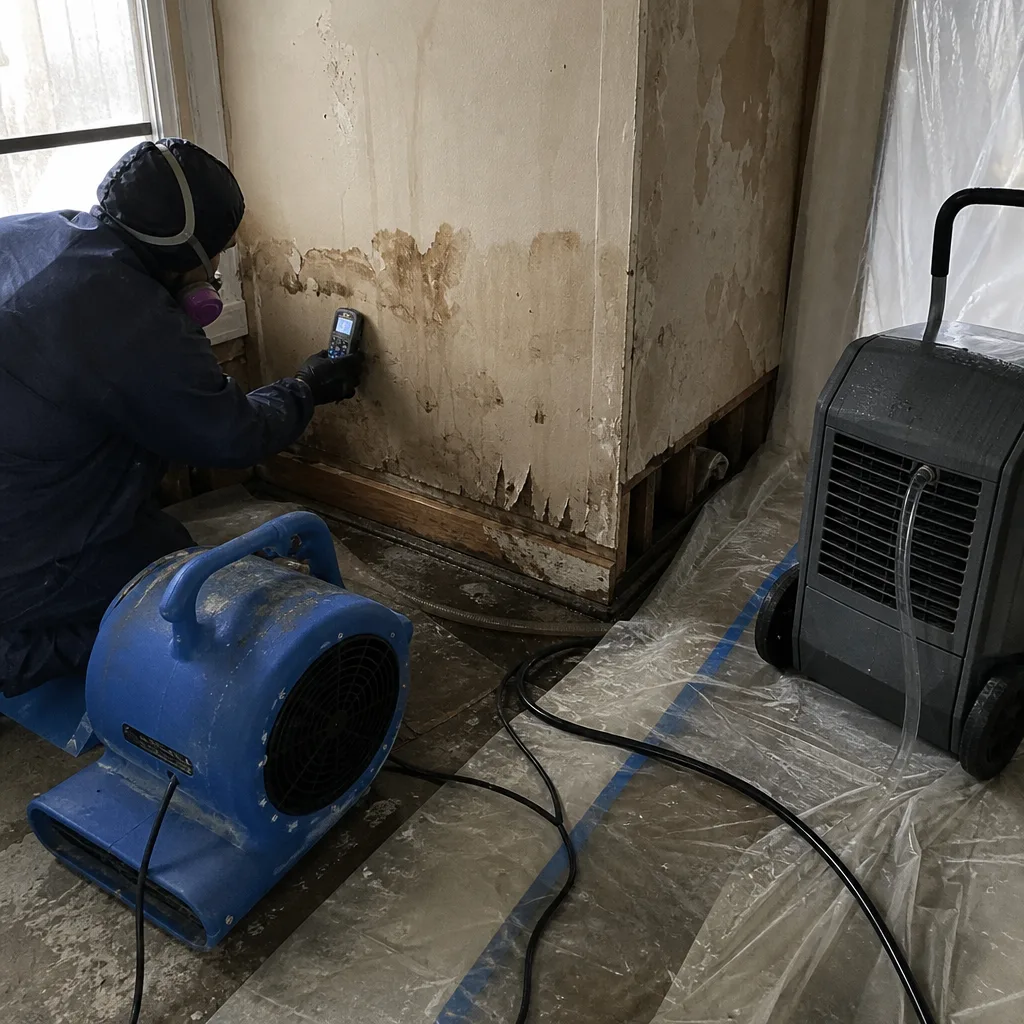 Before
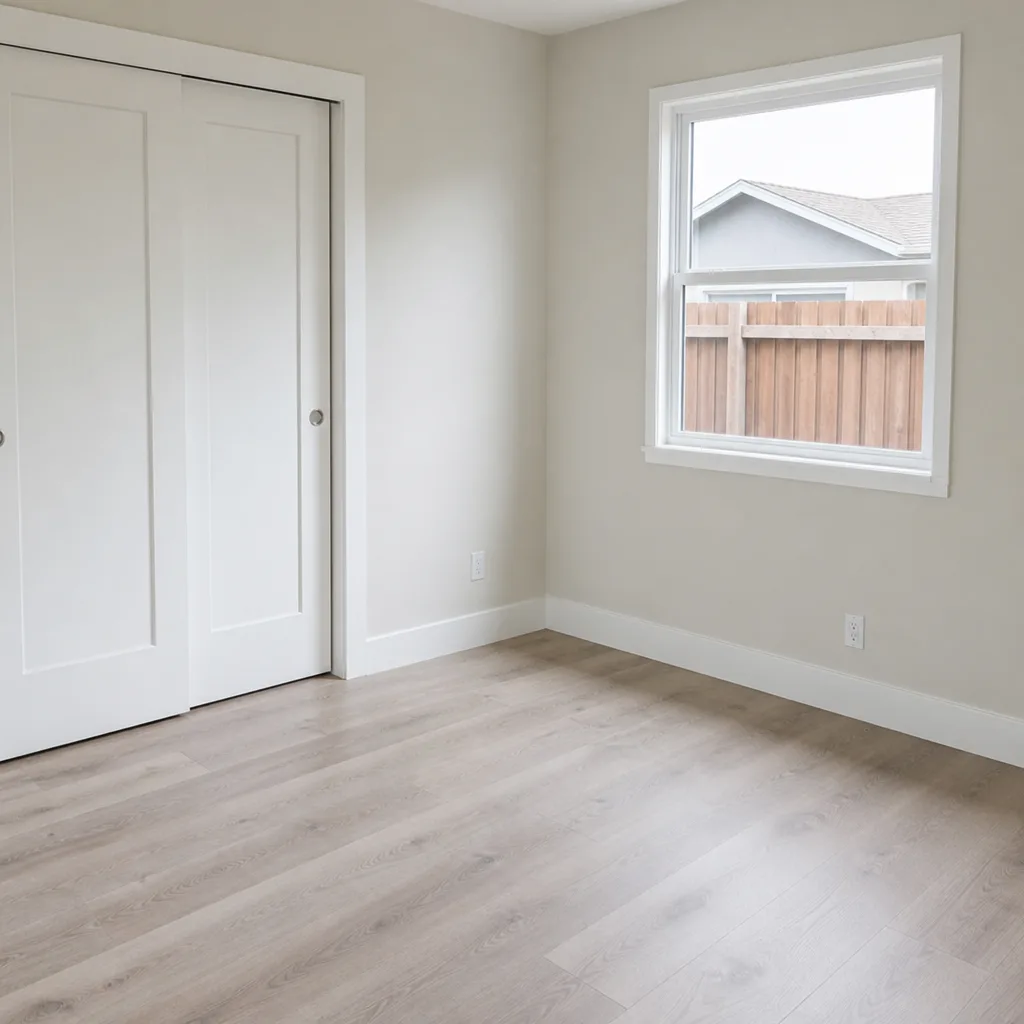 After
After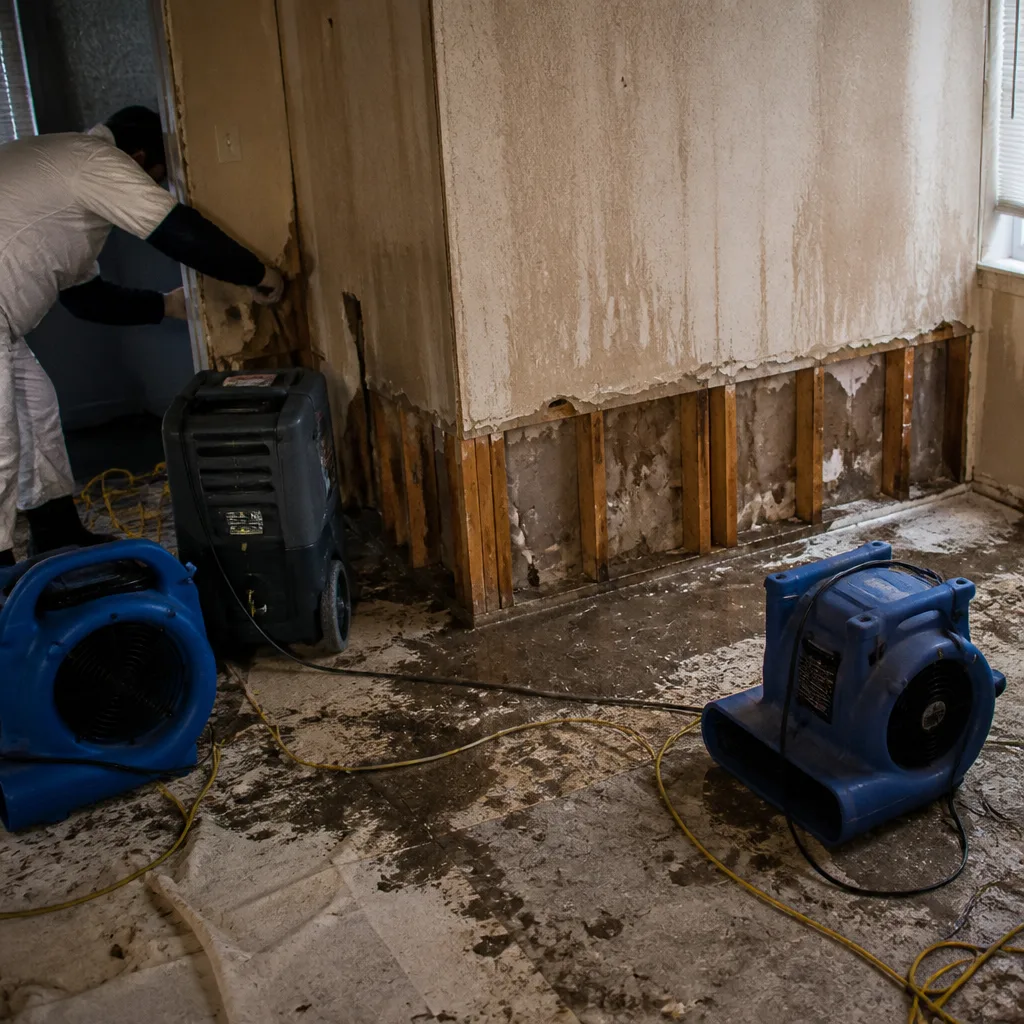 Before
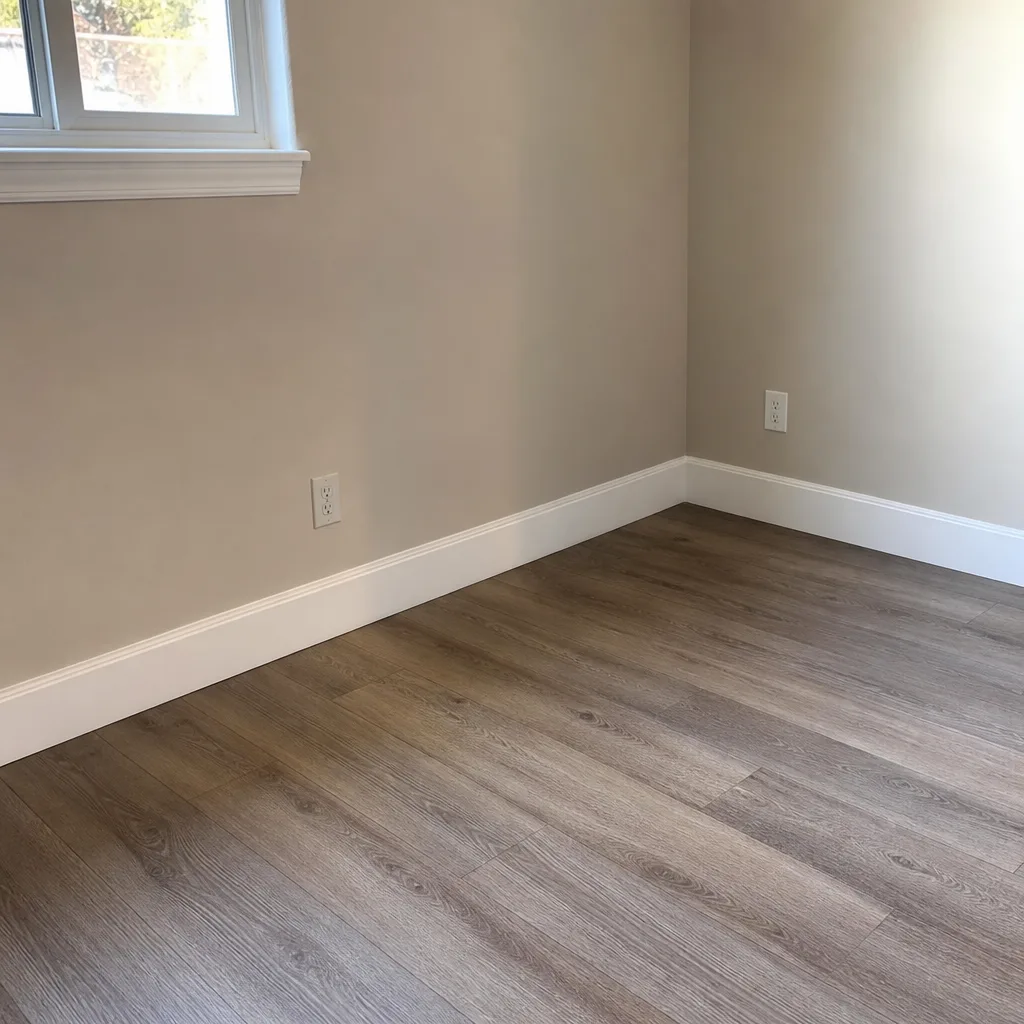 After
AfterSeasonal Damage Restoration Care for Santee: Year-Round Homeowner’s Guide
Santee received 2.4 inches of rain in a single January storm in 2024 after eight months of near-zero precipitation - and every flat roof that hadn’t been inspected since the previous winter paid for the delay. That storm wasn’t an outlier; it was a pattern. In our experience restoring homes across Santee since 2011, the damage that generates five-figure insurance disputes rarely comes from dramatic events. It comes from homeowners treating a Mediterranean climate as if it means year-round stability. This guide - alongside our complete guide to damage restoration in Santee - maps the four real risk windows in Santee’s calendar - Santa Ana wind season, winter rain intrusion, post-wet-season crawlspace decay, and summer heat-cycle stress - with specific inspection protocols, moisture thresholds, and documentation practices that create a defensible pre-loss record.
Quick Answer
Santee homeowners should run four distinct seasonal inspections: October-November for Santa Ana wind damage to roofing and vents; December-February for post-rain moisture intrusion within 48 hours of each storm; March-May for crawlspace vapor barrier and subfloor moisture against the 19% IICRC S500 threshold; and June-September for heat-stressed supply lines and HVAC condensate failures. Each inspection should be photo-documented with date stamps and stored in cloud format to establish pre-loss condition for insurance claims.
Table of Contents
- October-November: Santa Ana Pre-Season Roof and Vent Inspection
- December-February: The Post-Rain 48-Hour Interior Protocol
- March-May: Crawlspace and Subfloor Survey After the Wet Season
- June-September: Heat-Cycle Stress on Systems and Materials
- How to Build a Defensible Pre-Loss Photo Record
- Common Mistakes to Avoid
- When to Call a Professional
- Frequently Asked Questions
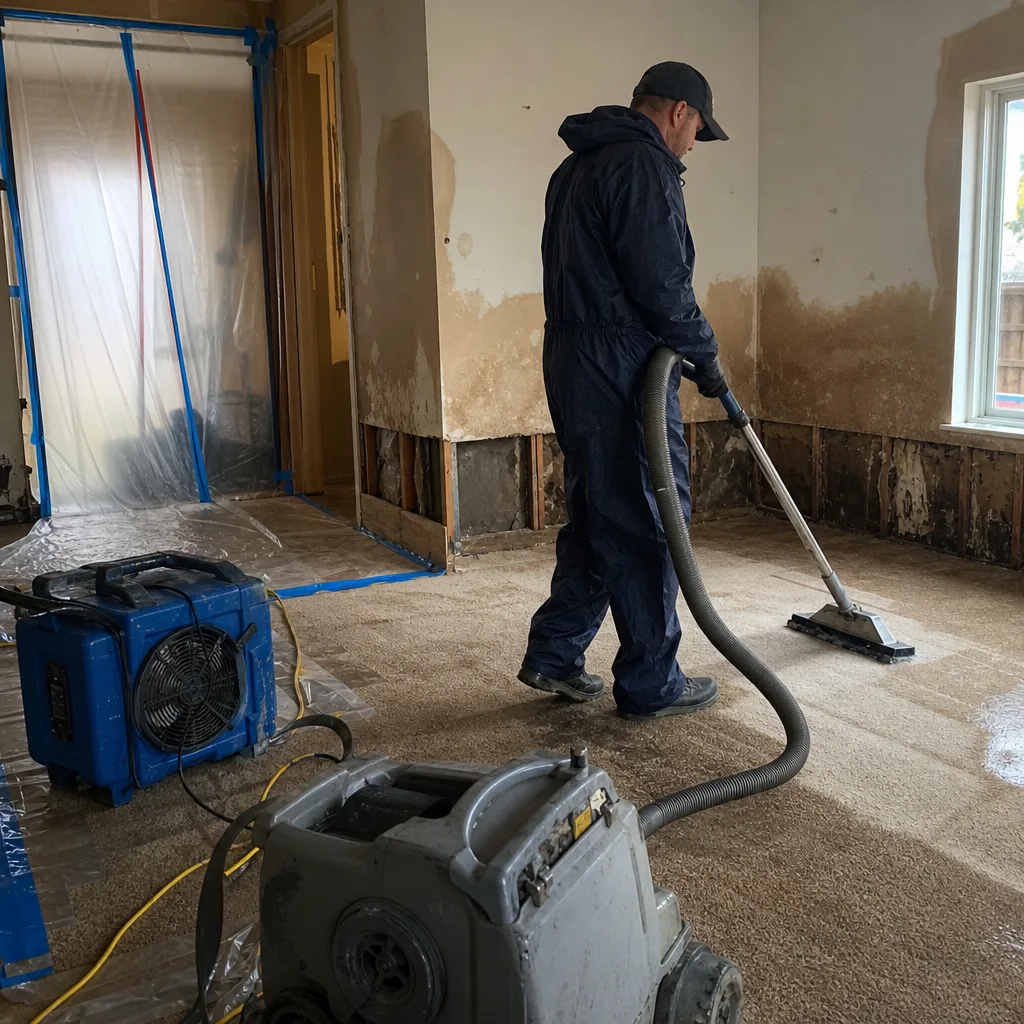
BeforeAfterOctober-November: Santa Ana Pre-Season Roof and Vent Inspection
The Santa Ana wind season in Santee typically builds through October and peaks November through December, with sustained gusts of 40-60 mph and localized exceedances above 80 mph in canyon-adjacent neighborhoods like Sky Ranch and the hills above Mast Park. These are not “bad weather days” in the Midwestern sense. They are dry, hot, predictable pressure events that test every weakness in a roof system that hasn’t been inspected since the previous year.
Homes built in Santee’s major construction waves - 1980s through mid-2000s tract development - share specific vulnerabilities we’ve documented across thousands of inspections. The combination of OSB roof sheathing (common in 1990s builds), staple-fastened composition shingles, and unsealed ridge vents creates three predictable failure modes.
Specific Fastener and Flashing Failure Points
- Staple uplift at the rake edge. Staple-fastened shingles from 1985-2005 construction cycles show staple withdrawal at rake edges after 5-7 Santa Ana seasons. The staple crown lifts, the shingle tab loosens, and the next wind event folds it back. Inspect by hand - lift gently at the rake edge on the windward slope. Any movement indicates the staple has backed out. Nail-down repair is required; restapling fails again within two seasons.
- Step flashing separation at second-story walls. Santee’s 1990s two-story tracts often used L-shaped step flashing with a single sealant bead. After 15-20 years of thermal cycling, the sealant becomes brittle. Santa Ana winds drive dust and debris under the lifted flashing, then winter rain follows the path. Probe gently with a flat bar - any lift greater than 1/8 inch needs resealing or replacement.
- Ridge vent fastener fatigue. Plastic ridge vents installed with 1.5-inch roofing nails pull through the sheathing when the nail hole elongates from repeated wind uplift. In the Canyon View and Riverwalk areas, we’ve found 30-40% of ridge vents on homes built 1995-2005 have at least one fastener failure zone. The vent doesn’t detach completely; it lifts enough to admit embers during fire season and driven rain in winter.
- Plumbing vent boot cracking. Santee’s UV load is severe - 260+ days of direct sun annually. Rubber plumbing vent boots degrade to surface cracking within 8-12 years. A cracked boot won’t leak in dry Santa Ana conditions, but the first winter rain exploits it. Replacement with a metal-base boot (Oatey No-Calk or equivalent) adds 15-20 years of service life.
Inspection timing matters. October inspection allows repair scheduling before the wind season peaks. November inspection catches early failures from the first Santa Ana events. We recommend both - a pre-season inspection and a post-first-event verification.
Documentation at this stage should include: wide shots of each roof plane, close-ups of rake edges and flashing terminations, and a dated photo of each plumbing vent boot condition. Store these with metadata intact; they’re your evidence that the roof was maintained if a claim arises from a subsequent storm.
December-February: The Post-Rain 48-Hour Interior Protocol
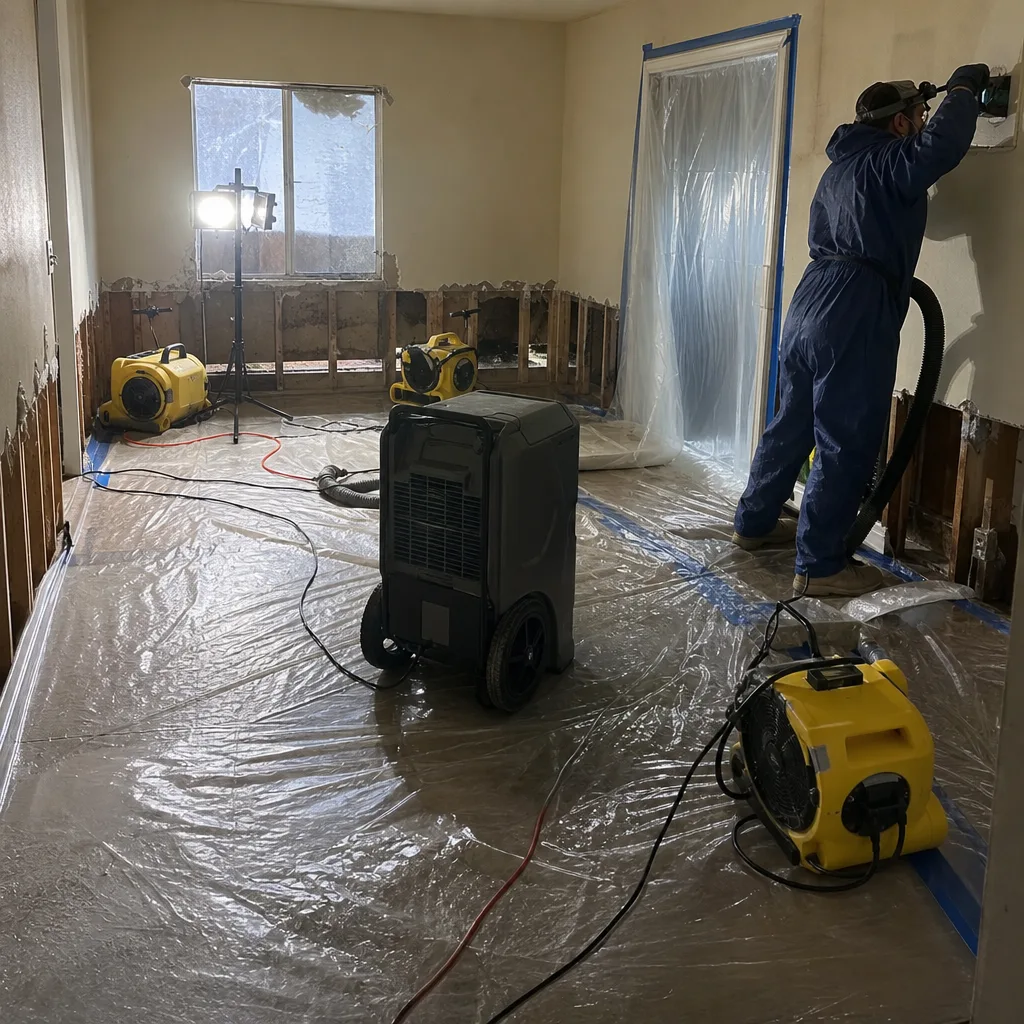
January 2024’s 2.4-inch single-storm total wasn’t distributed evenly across Santee. The Water Damage Restoration in Santee calls we received clustered in three patterns: flat roof drainage failures in commercial-adjacent residential near Mission Gorge, stucco weep screed overflow in 1980s single-story tracts, and attic moisture accumulation from ridge vent compromise in hillside homes.
The critical window is 48 hours after rainfall ends. Beyond 72 hours, mold colonization becomes probable on organic substrates at temperatures above 60°F - which describes most Santee interiors in winter. The inspection protocol below - part of our Water Damage Restoration Maintenance Checklist for Santee Homeowners - distinguishes active intrusion from residual ambient humidity, a distinction that determines whether you’re looking at drying or remediation.
Where to Probe and What Readings Mean
- Attic sheathing at the north slope. Use a pin-type moisture meter (Delmhorst BD-2100 or equivalent) with the wood scale. Probe at three points per 100 square feet: within 12 inches of the ridge, at mid-slope, and within 24 inches of the eave. Readings above 19% indicate active moisture accumulation; readings 16-19% suggest elevated humidity requiring ventilation improvement; readings below 16% are normal for winter. In Santee’s climate, attic sheathing should read 10-14% in dry conditions.
- Top plate and ceiling drywall junction. At exterior walls, probe the top plate through the attic side and the ceiling drywall from the room side. A 6-8 point differential (attic higher than ceiling) indicates roof-side intrusion. A reversed differential suggests interior humidity migration, common in homes with whole-house humidifiers set above 40%.
- Window sill plates and stool undersides. Stucco weep screed failures in Santee’s 1980s construction manifest at window sills first. Probe the stool underside and the rough sill framing. Readings above 20% with visible efflorescence on the stucco surface below indicate bulk water intrusion, not condensation. The distinction matters: condensation responds to humidity control; bulk water requires stucco remediation.
- Garage ceiling at firewall penetration. Santee’s attached garage configurations often have compromised firestop sealant at the wall-ceiling junction. Rainwater follows the gap, pools on the garage ceiling drywall, and creates a slow leak that homeowners miss for weeks. Probe the ceiling drywall within 24 inches of the shared wall. Softness or readings above 18% warrant attic inspection of the firestop condition.
- Crawlspace perimeter stem wall. After surface water events, check the stem wall at grade level with a concrete moisture meter or by taping a 12-inch square of aluminum foil to the wall for 24 hours. Condensation on the foil’s interior face indicates vapor drive from saturated exterior soil - common in Santee’s clay-heavy soils after sustained rain.
Moisture readings must be recorded with location, date, time, and ambient conditions. A reading without context is inadmissible in a disputed claim. Our standard DryMark Restoration Santee home documentation includes a floor plan sketch with probe locations marked, the meter model and calibration date, and a photo of each probe insertion.
The 48-hour protocol isn’t about finding damage to repair immediately. It’s about identifying intrusion paths before they become colonization sites. In Santee’s mild winter temperatures, mold growth on wet cellulose begins at 48-72 hours. The inspection buys you the window to dry before remediation becomes necessary.
March-May: Crawlspace and Subfloor Survey After the Wet Season
Santee’s clay soils hold moisture for weeks after surface saturation. The winter rain season ends officially in March, but the soil moisture pulse continues into April and May in shaded or poorly graded lots. This is when crawlspaces reveal whether the wet season caused damage or merely tested the moisture management system.
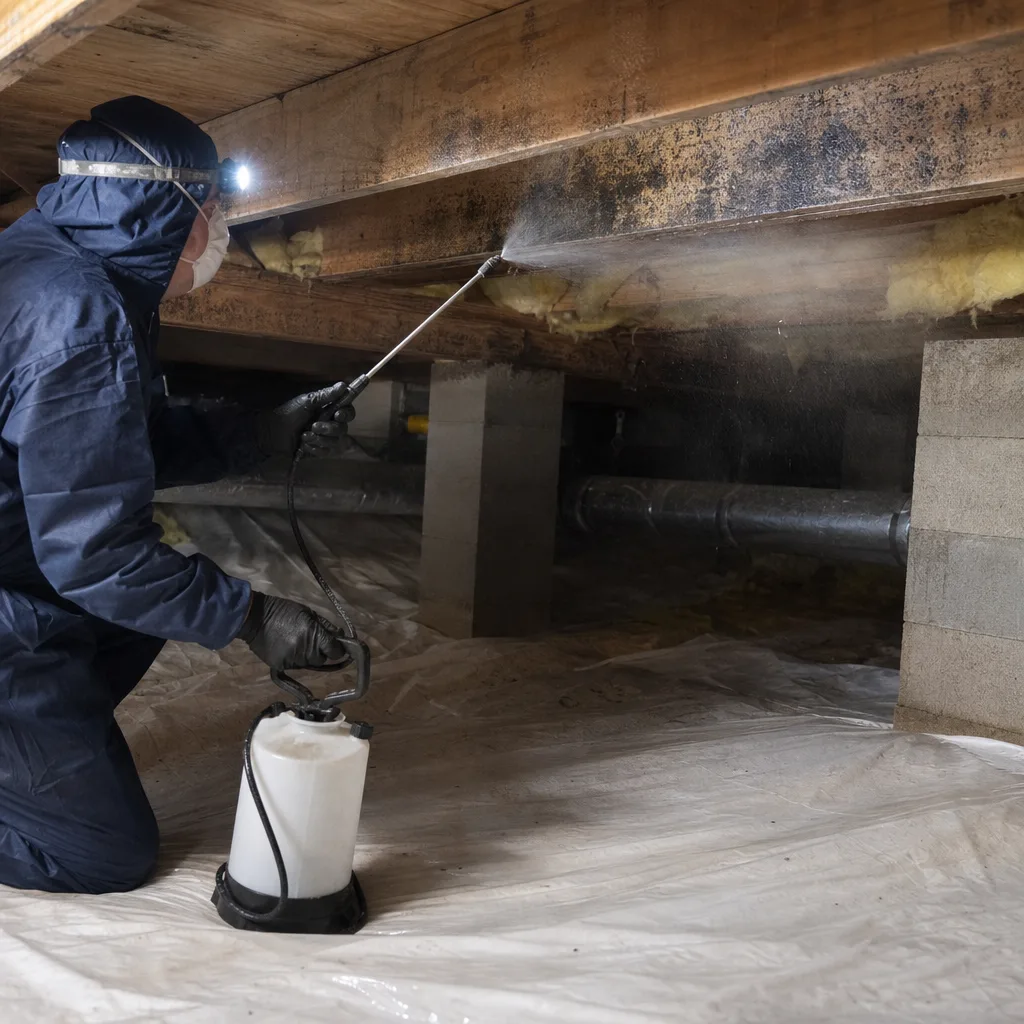
The Mold Remediation in Santee calls we handle in April and May rarely involve dramatic flooding. They involve gradual subfloor moisture accumulation that reached the IICRC S500 threshold of 19% wood moisture content, sustained long enough for Stachybotrys chartarum or Chaetomium colonization on the joist underside. Both genera indicate chronic wetting, not a single event - and insurers scrutinize these claims for maintenance neglect.
Vapor Barrier Assessment Protocol
The 6-mil polyethylene vapor barrier is the primary defense in Santee’s crawlspaces. Evaluate it on four criteria:
- Seam integrity. Overlaps should be 12 inches minimum, taped with compatible polyethylene tape. Gaps at seams allow soil moisture to evaporate directly into the crawlspace air. In Santee’s 1980s-1990s builds, original barriers were often 4-mil material with untaped 6-inch overlaps - inadequate by current standards and typically degraded by May of year 10-12.
- Penetration sealing. Each pier, plumbing stack, and HVAC duct penetration should have a cut-and-seal detail. A slit draped over the pipe without sealing is a standard installation shortcut that defeats the barrier purpose.
- Perimeter termination. The barrier should extend 6 inches up the stem wall and be secured with mechanical fasteners or mastic. Barriers that stop at grade level allow perimeter moisture to bypass the system entirely.
- Standing water on the barrier surface. Water above the barrier indicates either a plumbing leak or negative exterior grade directing water under the foundation. Distinguish the source before repairing the barrier - a sealed barrier over active water accumulation creates a pond, not a dry crawlspace.
Subfloor and Joist Moisture Evaluation
Probe the subfloor from below and the joist faces at three points per bay: near the exterior wall, mid-span, and near the center support. Record each reading with the probe location. The IICRC S500 threshold of 19% is not a target - it’s the boundary between acceptable and elevated. Target conditions for Santee are 12-16% in spring, trending toward 10-12% by early summer.
Readings at or above 19% require intervention: dehumidification with a dedicated crawlspace unit (AprilAire or Santa Fe brand, sized to ACH requirements), ventilation improvement, or in severe cases, subfloor drying with directed airflow from Phoenix or Dri-Eaz axial fans. We document the drying process with daily moisture logs until readings stabilize below 16% for 72 consecutive hours - the standard that produces payable insurance documentation.
In the Rio Vista and Carlton Hills areas, where lots are smaller and setbacks tighter, we’ve found that neighboring downspouts discharging toward foundation lines create chronic crawlspace moisture that homeowners attribute to “dampness” rather than a correctable drainage defect. The spring survey is the time to identify and redirect these sources.
June-September: Heat-Cycle Stress on Systems and Materials
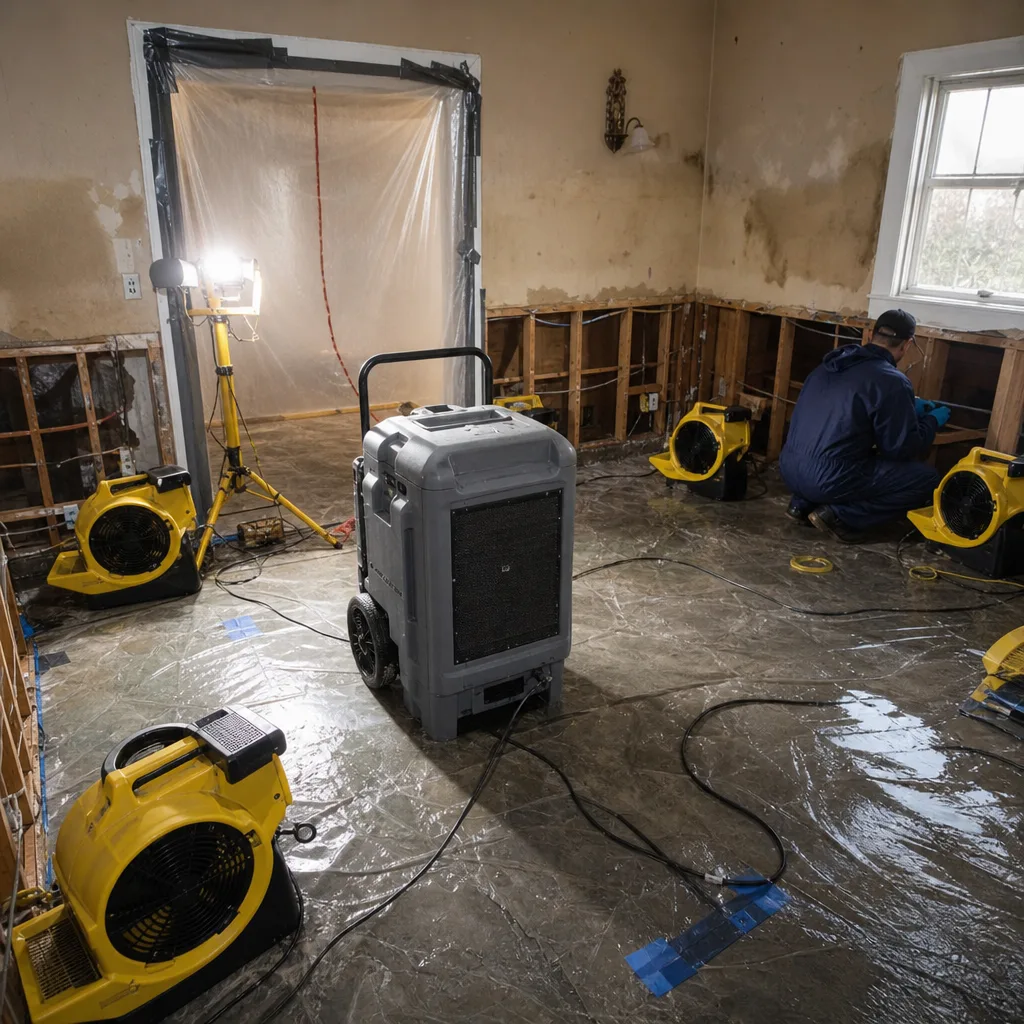
Santee’s summer temperatures routinely reach 90-95°F, with attic temperatures of 140-160°F. These aren’t extreme by desert standards, but they’re sustained for 60-90 days, and the thermal cycling - daily expansion and contraction of materials - generates failures that insurers often categorize as maintenance neglect rather than sudden and accidental damage.
The distinction matters for claim payment. A supply line that fails from age-related fatigue is typically excluded. A supply line that fails from heat-accelerated degradation at a specific stress point may be covered if the pre-loss condition was documented. The summer inspection protocol focuses on identifying and documenting these stress points before failure.
Supply Line and Angle Stop Evaluation
- Copper supply lines at stub-out elbows. Thermal expansion in Santee’s unconditioned wall cavities concentrates stress at the 90-degree elbow where horizontal stub-out meets vertical riser. Inspect for greenish deposit (cuprous oxide) at the elbow exterior - early indication of galvanic or crevice corrosion accelerated by condensation cycling. A dated photo of clean versus deposited elbows creates a pre-loss record of condition.
- Plastic supply lines (PEX, CPVC) at clamp points. Heat cycling causes plastic lines to migrate slightly at support clamps. After 10-15 years, the abraded zone at the clamp becomes a stress riser. In Santee’s 1995-2010 builds with original PEX, we see clamp-point failures cluster in July-August. Inspect for whitening or surface roughness at each clamp.
- Angle stop valve bodies. The compression ferrule in angle stops work-hardens with thermal cycling. A stop that operates smoothly in spring may seize by August, then fracture when forced. Exercise each stop quarterly; replace any that don’t operate with moderate hand pressure. Document the exercise with a dated note - evidence of maintenance.
HVAC Condensate System Inspection
Santee’s cooling load peaks in August-September, when monsoonal humidity increases the latent load. Condensate drainage failures are the single largest source of summer Water Damage Restoration in Santee calls we handle.
Inspect the primary drain pan for cracks, the P-trap for proper water seal (evaporates in dry periods, allowing sewer gas entry and biofilm growth), and the emergency shutoff float switch for free operation. The float switch is your last defense; a stuck switch means unlimited water release when the primary drain clogs. In homes with attic air handlers, the secondary drain pan and its independent termination should be verified - many Santee installations from the 2000s use the same termination as the primary, defeating the redundancy.
Composition Shingle Heat Aging
Shingle manufacturers rate products for specific climate zones. Santee’s combination of high UV and sustained heat falls in the severe zone for most asphalt products. After 15-20 years, the mat becomes brittle and the granule bond weakens. Summer inspection from a ladder (or drone documentation) should capture: granule loss patterns (uniform versus channelized, indicating drainage issues), shingle cupping or clawing (moisture-driven distortion from below), and exposed fiberglass mat at high-wear areas. These conditions don’t require immediate replacement, but they do require documentation to establish that the roof was maintained and monitored, not neglected until failure.
How to Build a Defensible Pre-Loss Photo Record
Insurance adjusters evaluate claims against the policy language: “sudden and accidental” versus “wear and tear” or “maintenance neglect.” The homeowner’s best defense is a contemporaneous record of condition, maintenance, and monitoring. Photos without metadata are weak evidence. Photos with date stamps, location tags, and descriptive filenames are strong evidence.
Documentation Standards
- Enable camera metadata. Smartphone cameras embed EXIF data including date, time, and GPS coordinates. Ensure this is enabled in settings. Third-party apps like Timestamp Camera or Camera+ can overlay visible date stamps if preferred.
- Use consistent naming conventions. Format: YYYY-MM-DD_Location_Description_Sequence. Example: 2024-10-15_Santee-RidgeVent_Fastener-Condition_01.jpg. This permits search and sorting without opening files.
- Shoot in pairs: wide and detail. Every inspection point gets a wide shot establishing location context and a close-up showing the specific condition. A close-up of a cracked vent boot without a wide shot is inadmissible - the insurer will question whether it’s even your roof.
- Include a measurement reference where possible. A ruler, coin, or known-size object in the frame provides scale. A crack described as “significant” is subjective; a crack measured at 3/16 inch across is objective.
- Cloud storage with version history. Upload to Google Drive, Dropbox, or equivalent with automatic backup. Local-only storage fails when the device fails or the house suffers damage. The cloud record survives the loss.
- Annual compilation and summary. Each October, compile the year’s inspection photos into a single PDF with a cover sheet listing inspection dates, weather conditions, and any corrective actions taken. This becomes your pre-loss condition report, deliverable to any adjuster within minutes of a claim.
We’ve used this documentation format in disputed claims across Santee and surrounding areas. The Haven Standard requires photo documentation on every visit we make; we apply the same rigor to homeowner self-inspection because we’ve seen what sloppy documentation costs a claim.
Common Mistakes to Avoid
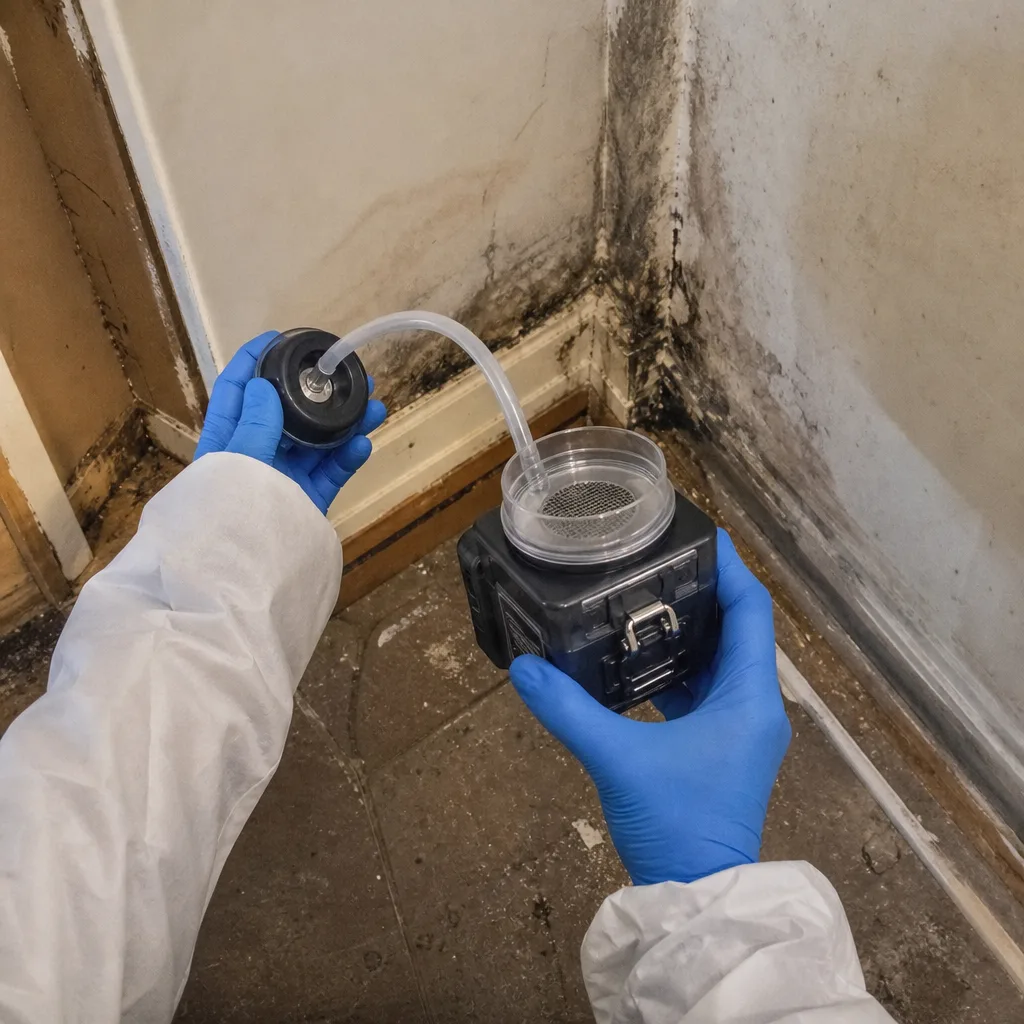
- Waiting for visible water damage before inspecting. By the time Santee homeowners see ceiling staining, the insulation above is saturated, the drywall is compromised, and mold colonization has begun. The 48-hour post-rain protocol exists precisely to catch intrusion before it becomes visible.
- Using a non-penetrating moisture meter exclusively. Pinless meters read surface conditions and are fooled by paint, wallpaper, or surface condensation. Pin-type meters with insulated shafts probe actual material moisture content. Both tools have roles; relying solely on pinless readings misses subsurface saturation.
- Sealing a crawlspace without addressing the water source. We’ve encountered Santee homeowners who installed vapor barriers over standing water, then added dehumidifiers that ran continuously without achieving target conditions. The barrier and dehumidifier are components of a system; they don’t replace drainage correction.
- Assuming flat roofs are “fine because they don’t leak often.” Santee’s flat roof stock concentrates in 1970s-1980s construction and commercial-adjacent residential. These roofs don’t leak gradually - they fail at drains and scuppers during intense rain, then leak massively. Annual inspection is mandatory, not optional.
- Documenting only problems, not normal conditions. A photo record of every cracked shingle with no photos of the 95% of roof in good condition invites the inference that the roof was neglected. Document normal condition at representative points; it establishes the baseline against which damage is measured.
- Ignoring the angle stop until it fails. The angle stop under a Santee kitchen sink operates perhaps 50 times in 20 years, then seizes and fractures when a homeowner installs a new faucet. Quarterly exercise takes 30 seconds; replacement after failure often involves cabinet damage and emergency plumbing rates.
- Storing documentation only on a phone or local computer. We’ve arrived at losses where the homeowner’s documentation burned with the house or was lost to water damage. Cloud storage with automatic sync is not paranoid; it’s the minimum standard for a defensible record.
When to Call a Professional
Call for professional assessment when moisture readings exceed 19% on any structural wood, when you find mold growth of any color on framing or subfloor, when a supply line shows corrosion deposits or operates with resistance, or when post-storm inspection reveals water paths you cannot trace to their source. These conditions indicate that the damage window has passed and remediation or repair requires documented protocols.
At Fire & Smoke Damage Restoration in Santee and across all our services, DryMark Restoration Santee offers free estimates with a written price before any work begins - Haven Standard, Clause 1. We provide a free second opinion on any competitor’s written estimate, and every job carries the 365-Day Done Right Promise. Call (619) 604-5535 to schedule assessment or review your documentation protocols with our team.
Frequently Asked Questions
For a detailed damage restoration cost breakdown, most qualified restoration companies in Santee charge $150-$350 for a full moisture mapping inspection with written report, depending on property size and crawlspace accessibility. DryMark Restoration Santee provides free estimates that include moisture assessment when damage is suspected - call (619) 604-5535 to schedule.
No - insurance covers sudden and accidental damage, not pre-existing conditions discovered during maintenance. However, documentation from seasonal inspections often proves that damage was sudden rather than gradual, converting a denied claim into a paid one. The inspection itself is maintenance; the record it produces is claim protection.
DryMark Restoration Santee maintains live phone coverage 24 hours a day, 7 days a week with no voicemail on emergency lines. For active water intrusion, we aim to deploy within 60-90 minutes in the Santee area during normal demand periods. Response time for the initial assessment does not affect the written price delivered before work begins under Haven Standard, Clause 1.
Remediation versus cleaning depends on extent, substrate, and genus. Surface mold on non-porous materials in an area under 10 square feet may be cleanable with proper containment and antimicrobial application. Mold on porous structural materials, or any visible Stachybotrys or Chaetomium, requires full remediation with negative air containment and disposal. We assess and specify in writing before any work begins.
DryMark Restoration Santee coordinates directly with adjusters as part of our standard service. We provide the documented photo record, daily drying logs, and written scope that adjusters need to approve payment. Our documentation is formatted to IICRC, RIA, and IFA standards specifically to streamline adjuster review.
The Delmhorst BD-2100 with wood scale and drywall scale attachments costs approximately $325-$375 and provides the accuracy needed for credible documentation. Less expensive pinless meters ($50-$150) are useful for quick scans but lack the precision for insurance-admissible readings. For most homeowners, professional assessment every 12-18 months supplemented by visual self-inspection is more cost-effective than equipment purchase.
The Bottom Line
Santee’s climate doesn’t threaten homes with dramatic seasonal shifts, but it does create four distinct risk windows that reward specific, timed inspection. The Santa Ana wind season tests roofing and vent integrity; winter rains exploit any weakness within 48 hours; spring reveals crawlspace moisture accumulation against the 19% threshold; and summer heat cycles stress supply lines and HVAC systems toward failure. Each window demands different tools, different probe locations, and different documentation. The homeowner who treats these as calendar items rather than emergency responses builds a pre-loss record that protects their claim, their deductible, and their home’s value. The alternative - waiting for visible damage - consistently produces the disputes and denials we’ve resolved across 12,000 homes since 2011. For more guides & resources on protecting your Santee home, visit our blog.
Written by Alicia Brennan, Owner at DryMark Restoration Santee, serving Santee since 2011.