
Last updated September 23, 2026
Free visual inspection and a written scope of work before any mitigation begins - photos, moisture readings, and drying logs go in your claim file
The scope we write is the scope we bill. Anything new gets shown to you, in writing, before we touch it.
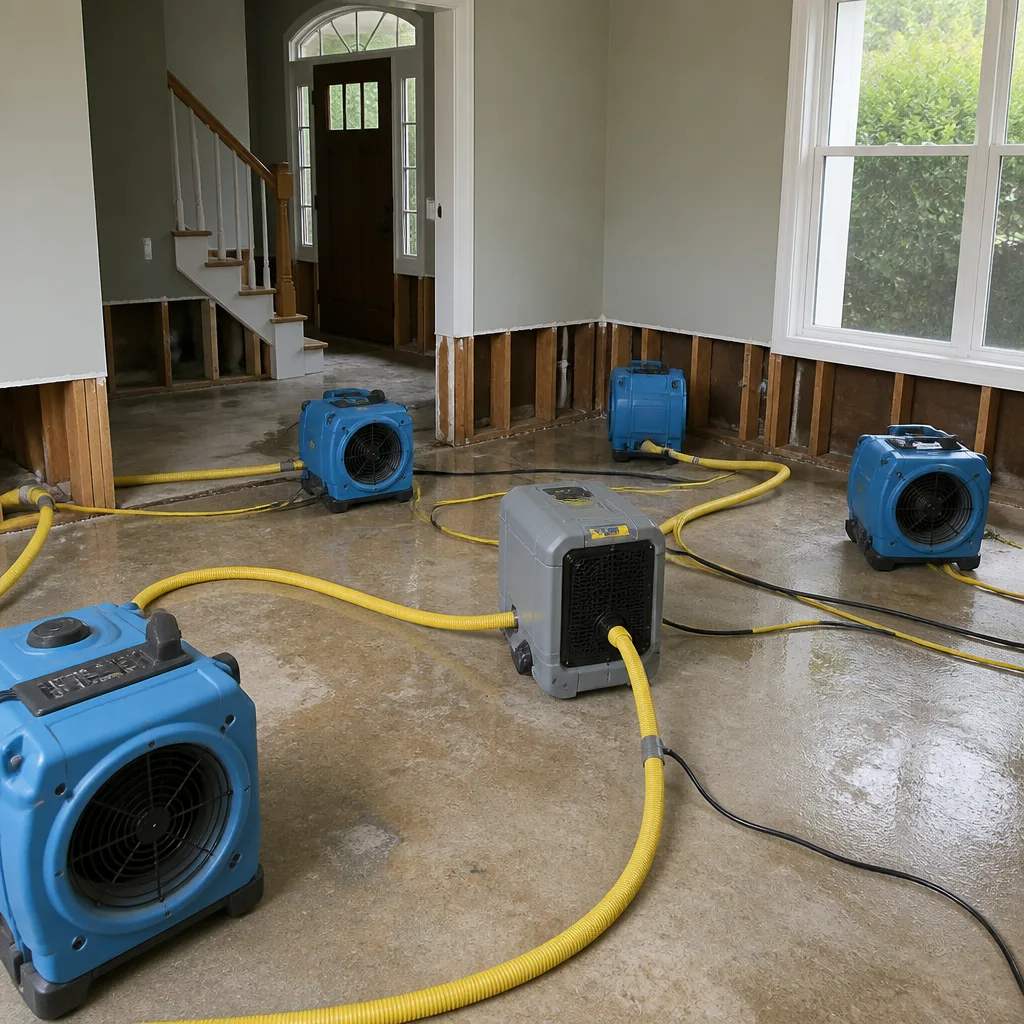
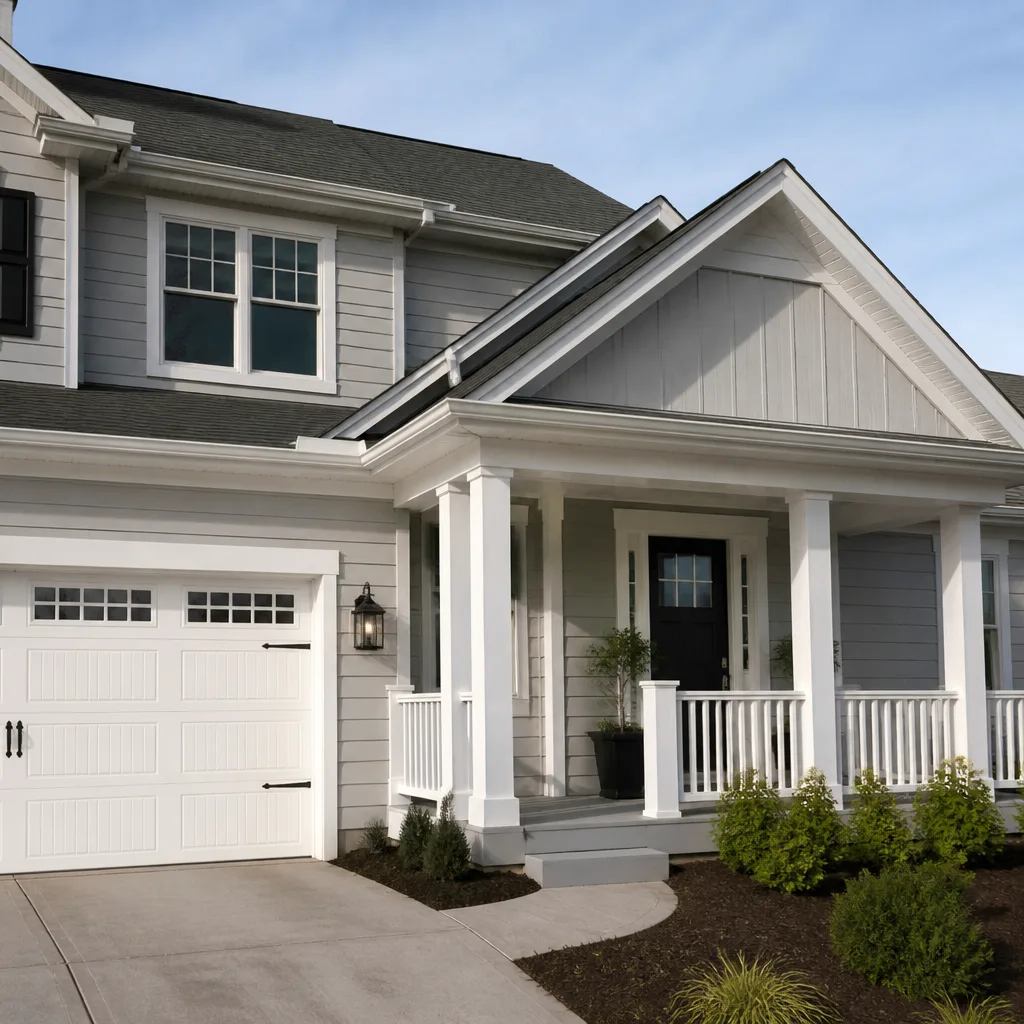
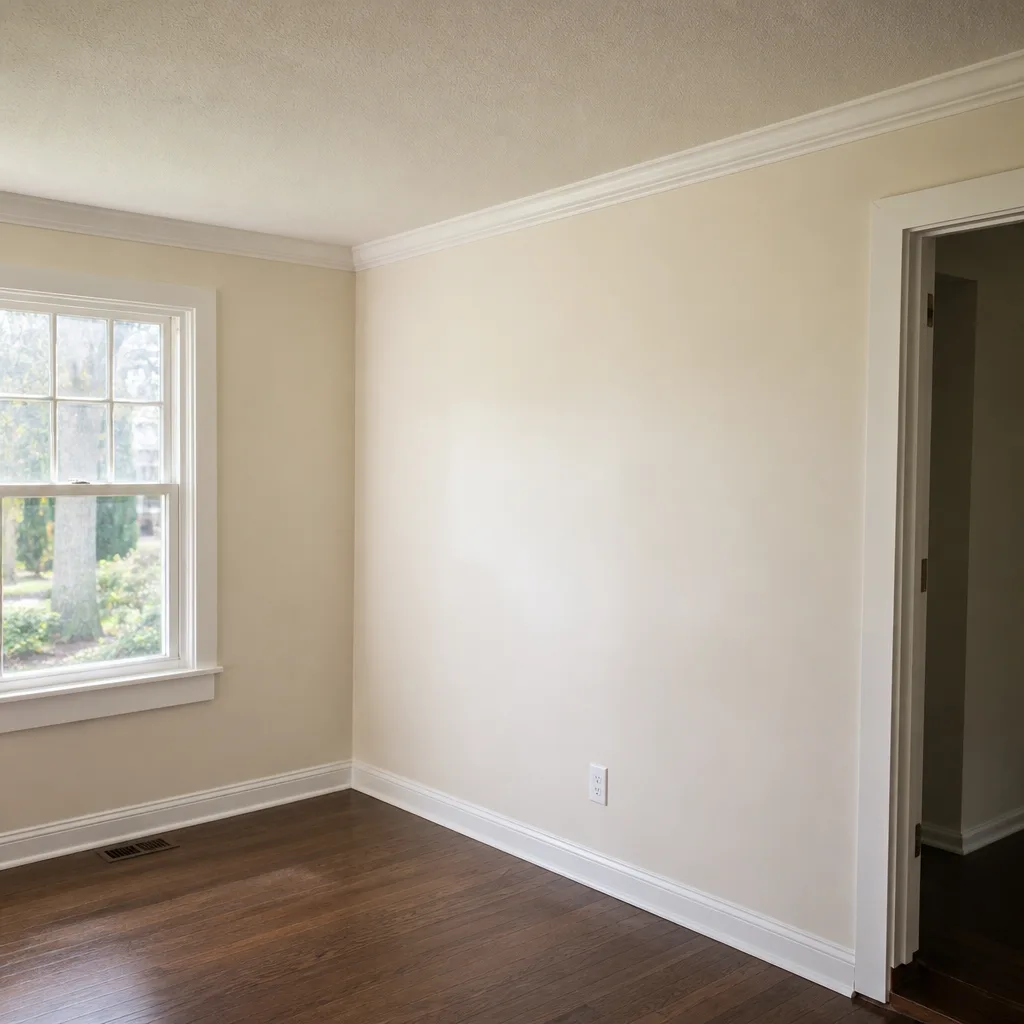
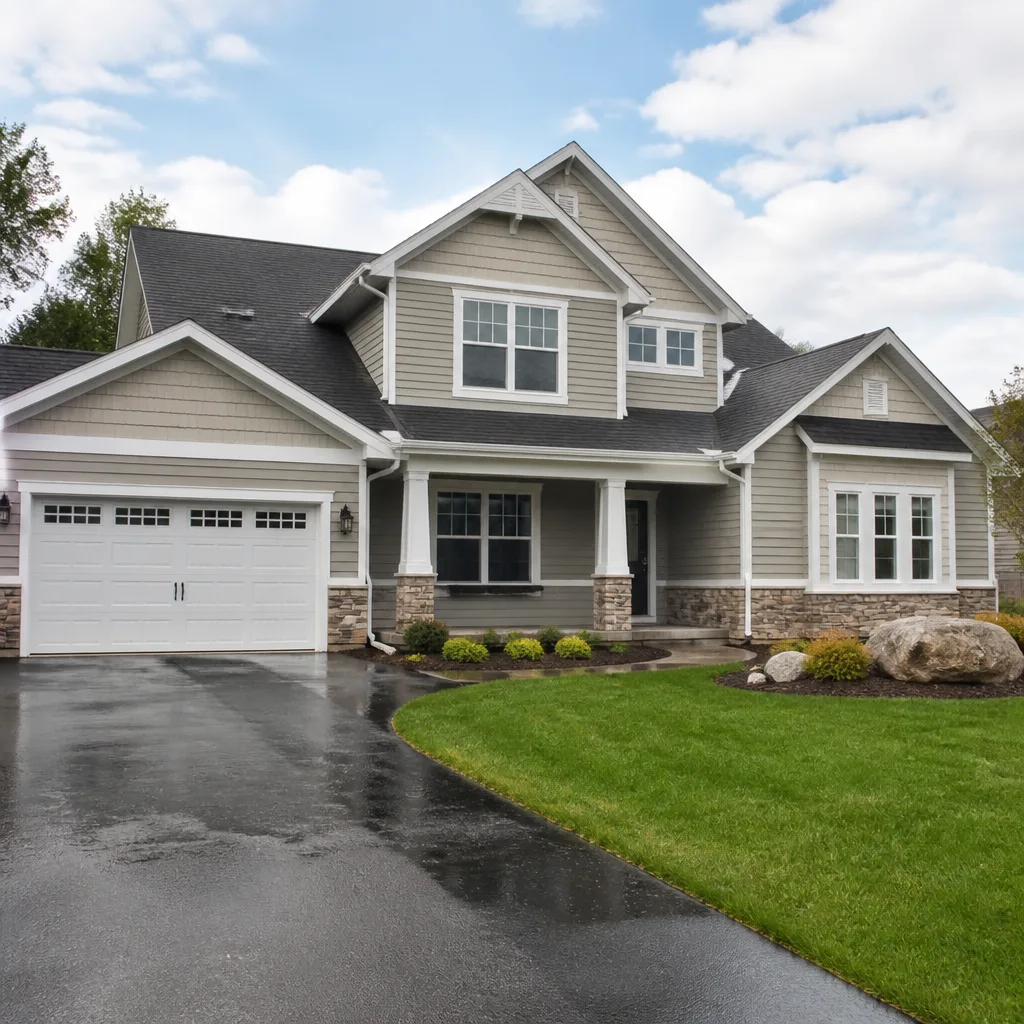
 Before
 After
After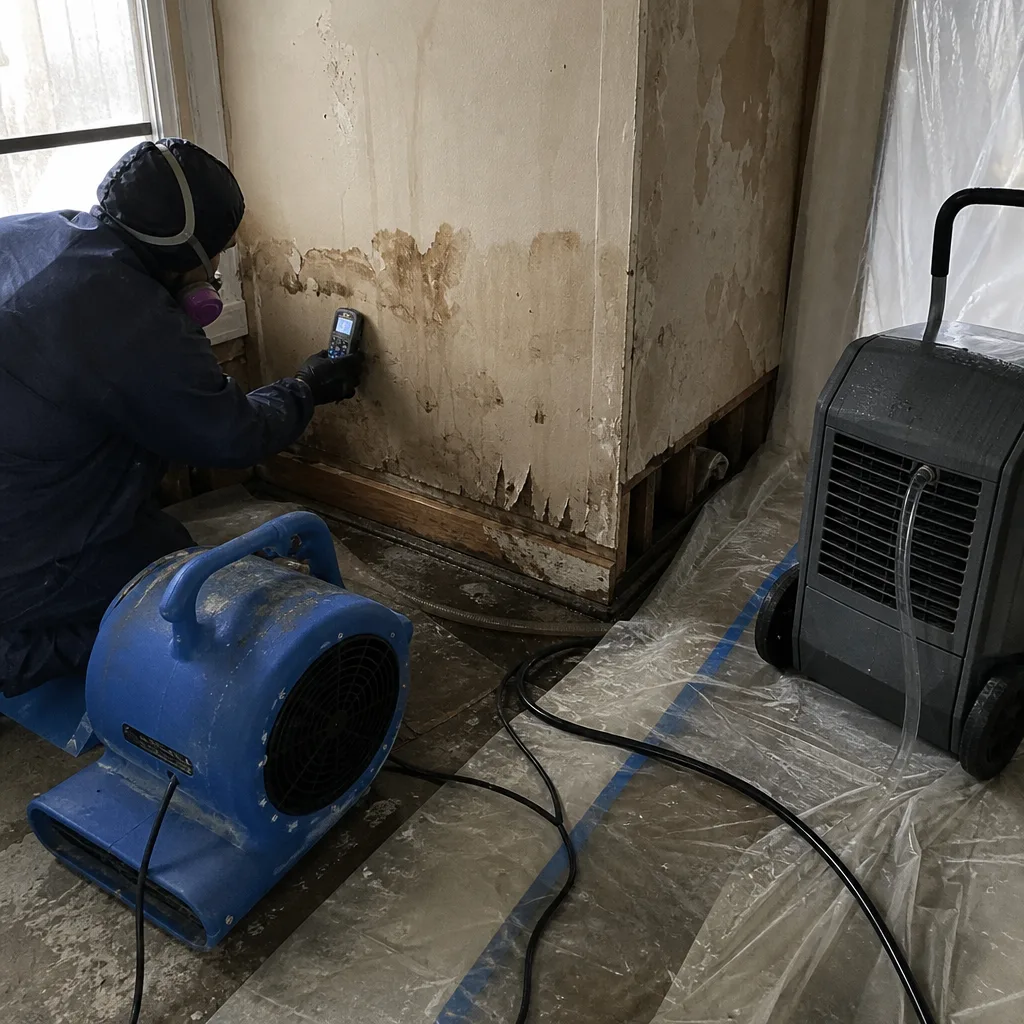 Before
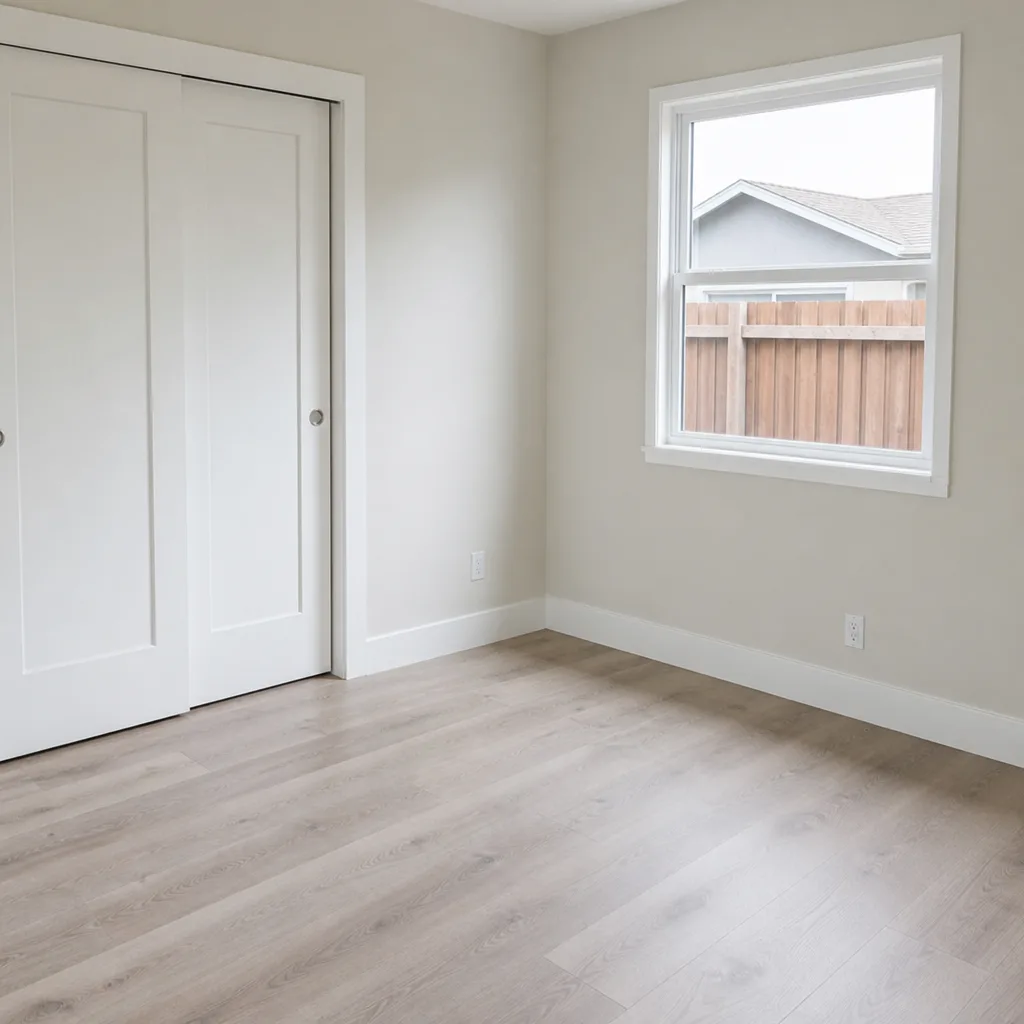 After
After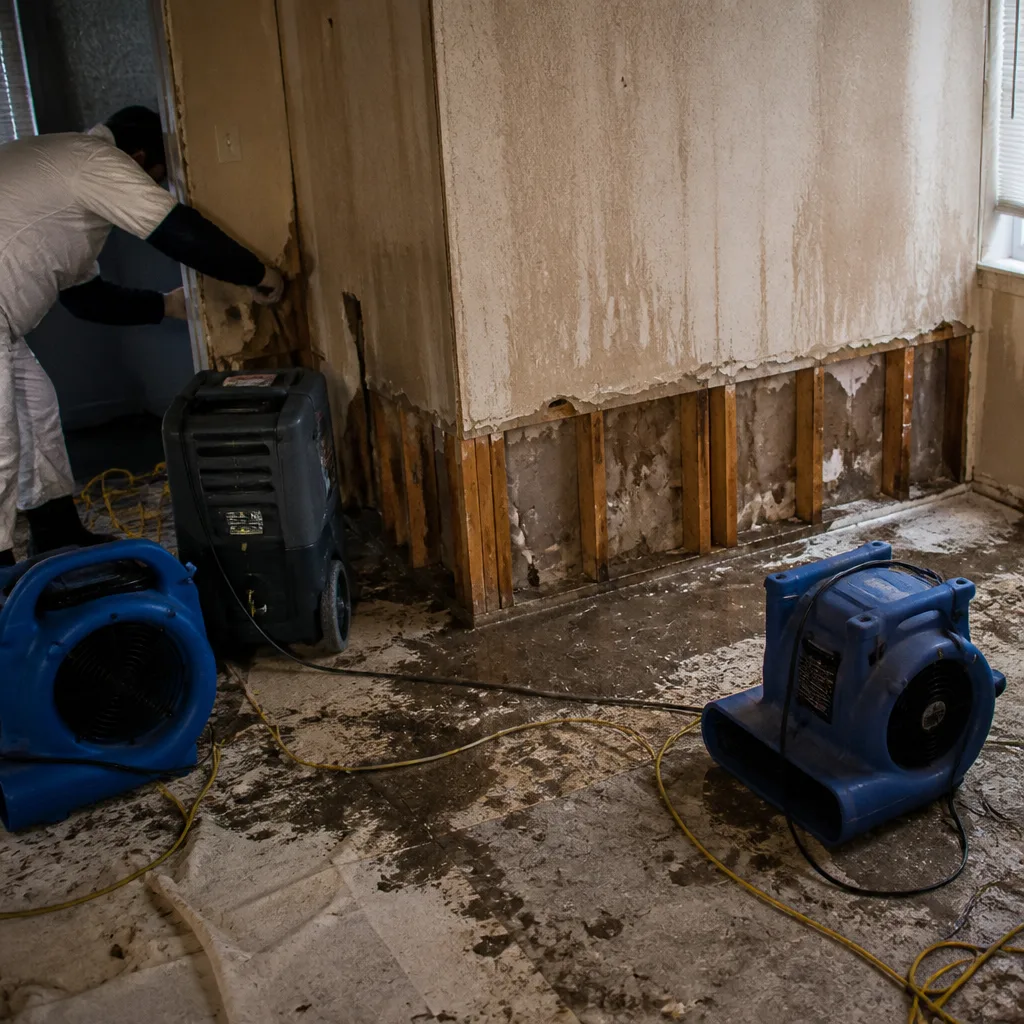 Before
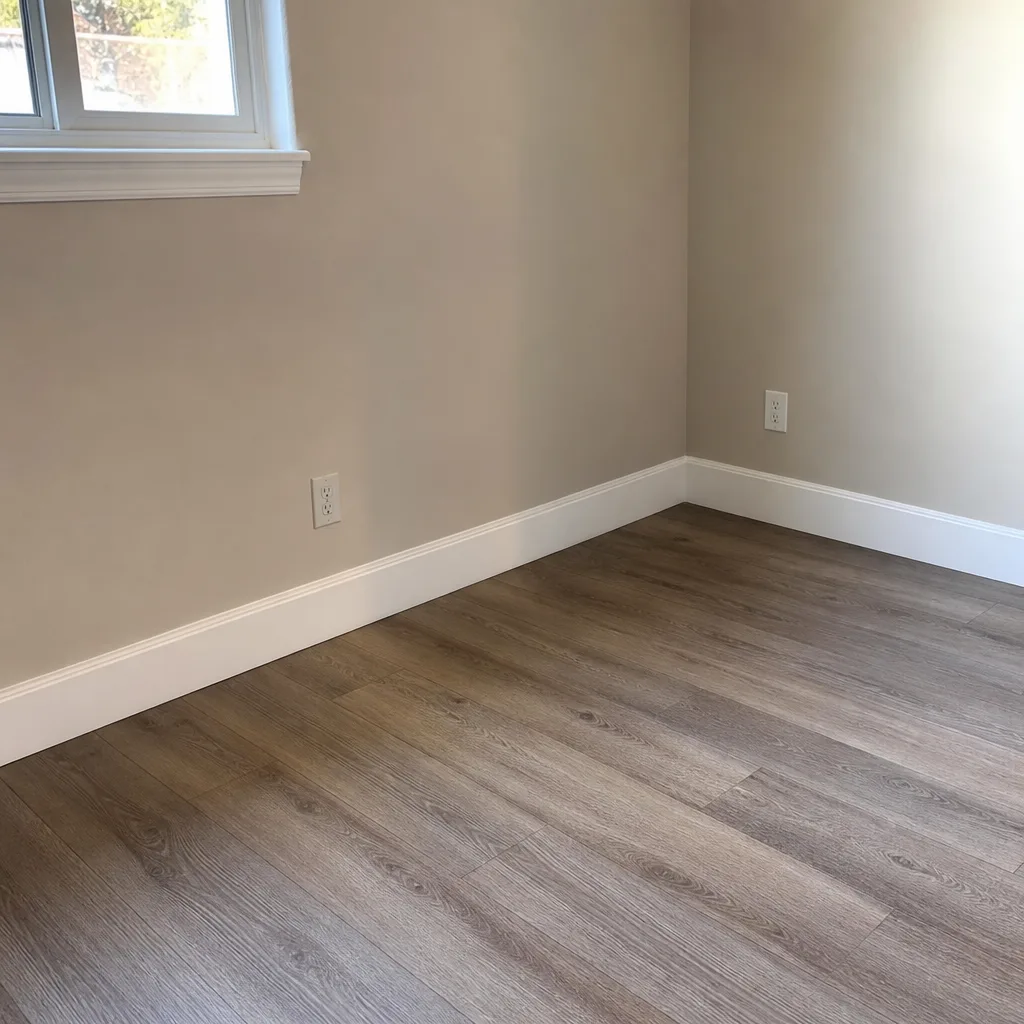 After
AfterDamage Restoration Permits, Codes & Inspections in CA: What You Need to Know
An unpermitted drywall replacement after a water loss won’t fail a city inspection - because no inspection was ever called. It will, however, surface on a title report the day you try to sell. In Santee and across San Diego County, we’ve seen homeowners lose buyers, watch escrow fall through, and absorb $15,000-$40,000 in re-do costs because a restoration contractor skipped a $200 permit twelve months earlier. This guide explains which restoration scopes trigger permit requirements under California law, how unpermitted work affects your insurance claim and resale value, and what the permit process actually looks like in Santee’s jurisdiction. For more guides & resources on protecting your home, see our blog.
Quick Answer
Most water and fire damage restoration in California requires a building permit when structural, electrical, or mechanical systems are altered - not just when they’re replaced. In Santee, permit thresholds are set by the city building department under San Diego County’s umbrella code, and failing to pull required permits can void your insurance coverage, trigger Health & Safety Code § 17920.3 substandard designations, and create title defects that block future sales.
Table of Contents
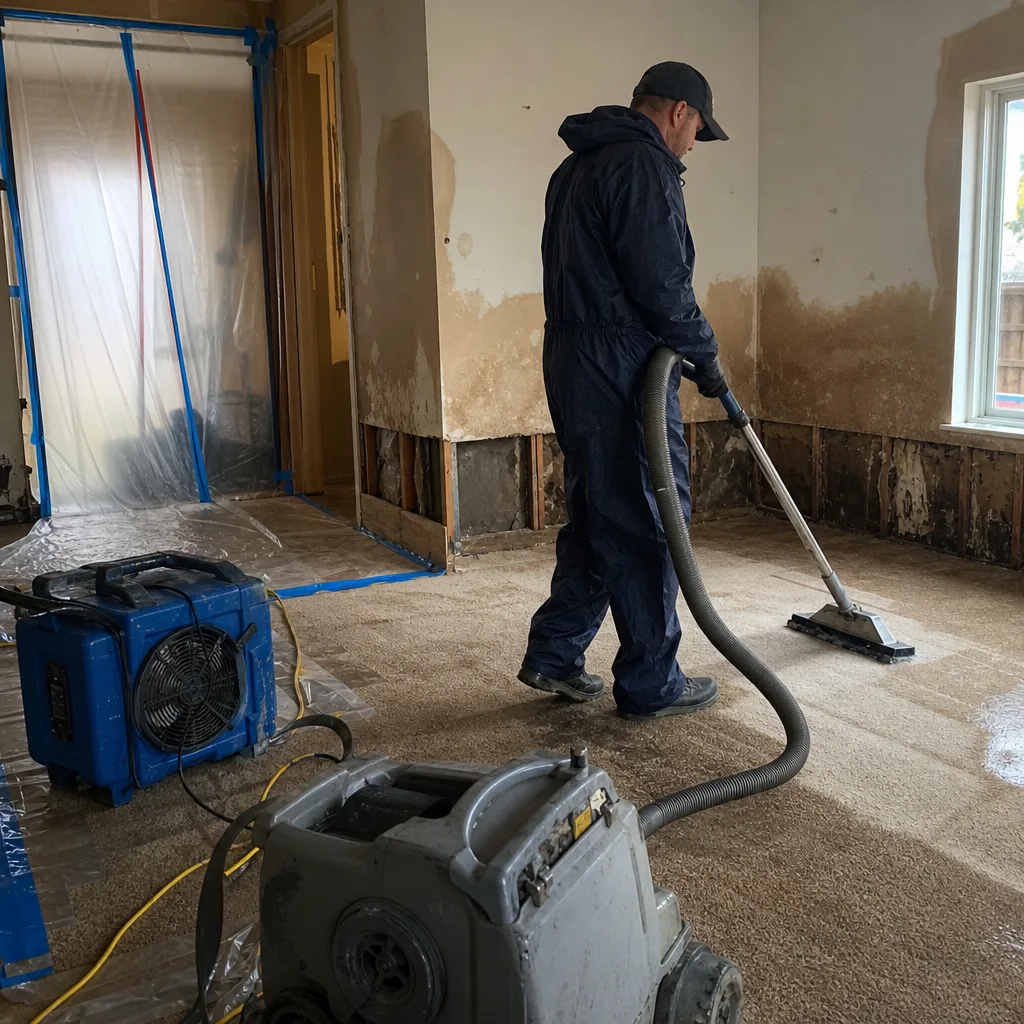
- When Are Permits Required for Restoration Work?
- The Three Permit Types Restoration Contractors Must Understand
- Santee and San Diego County Permit Thresholds: The Specific Rules
- California Health & Safety Code § 17920.3: What a Failed Inspection Costs You
- Why Insurers Tie Holdback Releases to Final Permit Sign-Off
- How to Track Permit Status Through San Diego County’s Online Portal
- Common Mistakes to Avoid
- When to Call a Professional
- Frequently Asked Questions
- The Bottom Line
BeforeAfterWhen Are Permits Required for Restoration Work?
California Building Standards Code (Title 24) requires permits for any construction, alteration, or repair that changes a building’s structure, electrical system, plumbing, or mechanical equipment. In restoration, this line is easy to cross without realizing it.
Like-for-like replacement of materials - swapping water-damaged drywall for new drywall of the same thickness, replacing carpet with carpet - generally does not require a permit. But restoration rarely stays in that lane. Once moisture compromises a wall cavity, technicians often discover deteriorated framing, corroded electrical boxes, or displaced insulation that changes the assembly’s performance. At that point, you’re no longer replacing; you’re reconstructing, and reconstruction triggers permit requirements.
Here are the specific restoration scenarios that cross into permit territory in Santee:
- Structural repairs: Replacing or sistering wall studs, floor joists, ceiling joists, or roof rafters damaged by water, fire, or termites that followed the moisture. Any modification to load-bearing elements requires a building permit and engineered plans if the span or connection changes.
- Electrical system restoration: Replacing outlets, switches, or fixtures in the same location usually does not require a permit. But water-damaged electrical panels, rewiring through compromised framing, or upgrading circuits to handle new equipment (dehumidifiers, air scrubbers permanently installed) all require an electrical permit.
- HVAC and mechanical: Replacing a furnace or air handler after fire or smoke damage, installing new ductwork in a rebuilt cavity, or adding ventilation to a previously unventilated space triggers mechanical permits.
- Plumbing alterations: Repiping after a slab leak, relocating drain lines during a rebuild, or replacing a water heater - all common in water damage restoration - require plumbing permits.
- Demolition: Removing load-bearing walls, more than 200 square feet of flooring, or any structure containing regulated materials (asbestos, lead) requires a separate demolition or abatement permit.
- Change of use or occupancy: Converting a garage to living space during a rebuild, or changing a basement from storage to finished area, triggers full plan review and multiple permits.
In our experience across more than 12,000 homes since 2011, roughly 40% of water damage losses that require reconstruction cross at least one permit threshold. The percentage climbs to 70% for fire and smoke restoration, where structural, electrical, and mechanical systems are often compromised simultaneously. We document this determination in our written scope before work begins - Haven Standard, Clause 1 - so the homeowner knows the permit path before the first tool is unpacked.
The Three Permit Types Restoration Contractors Must Understand
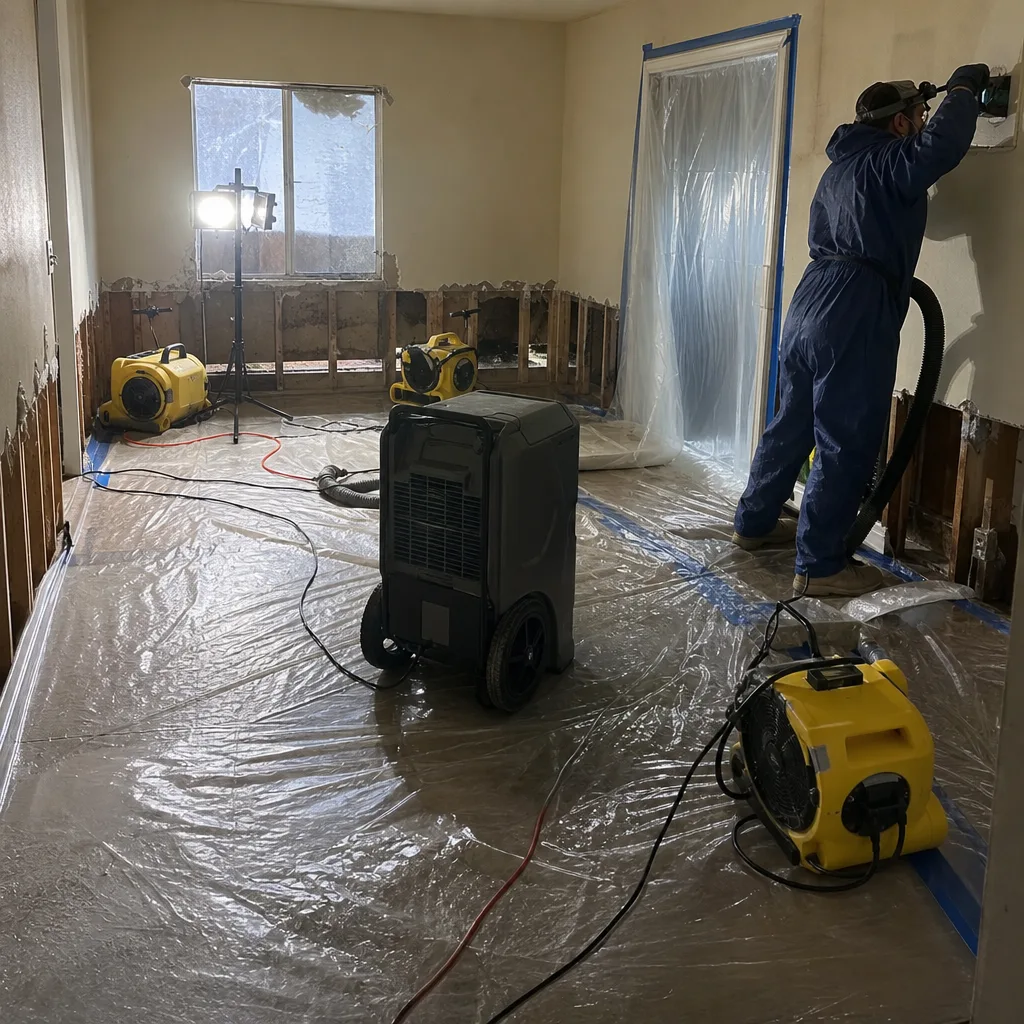
Restoration contractors who treat all permits as interchangeable create liability for homeowners. Each permit type carries different requirements, different inspection schedules, and different consequences when skipped.
Building Permits
The building permit covers structural, electrical, plumbing, and mechanical work on the building itself. In Santee, building permits are issued by the City of Santee Building Division, which operates under San Diego County’s adopted codes with local amendments. A building permit requires:
- Completed application with property owner or authorized agent signature
- Two sets of plans showing existing and proposed conditions
- Structural calculations for load-bearing modifications
- Title 24 energy compliance documentation for affected envelopes
- Payment of permit fees based on valuation of work
Building permits trigger a series of inspections: rough inspection before coverings are installed, insulation inspection before drywall, and final inspection before occupancy. In restoration, the rough inspection is often the critical checkpoint - it verifies that new framing, electrical, and plumbing are correct before they’re hidden behind finishes.
Demolition Permits
Demolition permits are required for structural removal beyond minor deconstruction. In Santee, any demolition of a load-bearing element, or removal of more than 200 square feet of building area, requires this permit. The demolition permit process includes:
- Verification that utilities are disconnected or protected
- Asbestos and lead surveys for structures built before 1985
- Erosion and dust control plans
- Debris disposal documentation
We see demolition permits most often in fire restoration, where roof structures or wall sections must be removed before reconstruction can begin. The permit also creates a legal record that the demolition was performed by a licensed contractor, which matters for insurance subrogation if the fire originated from a defective product or neighboring property.
Abatement Permits
Abatement permits govern the removal of hazardous materials: asbestos-containing materials, lead-based paint, and certain mold conditions that exceed normal remediation scope. In California, abatement contractors must hold C-22 Asbestos or D-64 Hazardous Substance certifications from the Contractors State License Board.
Mold abatement permits are not universally required in California - there’s no state mandate - but San Diego County and several incorporated cities including Santee require notification or permitting for mold remediation in certain occupancies. More critically, if mold remediation disturbs asbestos-containing materials (common in pre-1980s drywall joint compound, floor tiles, or insulation), the project falls under asbestos abatement rules regardless of the primary scope.
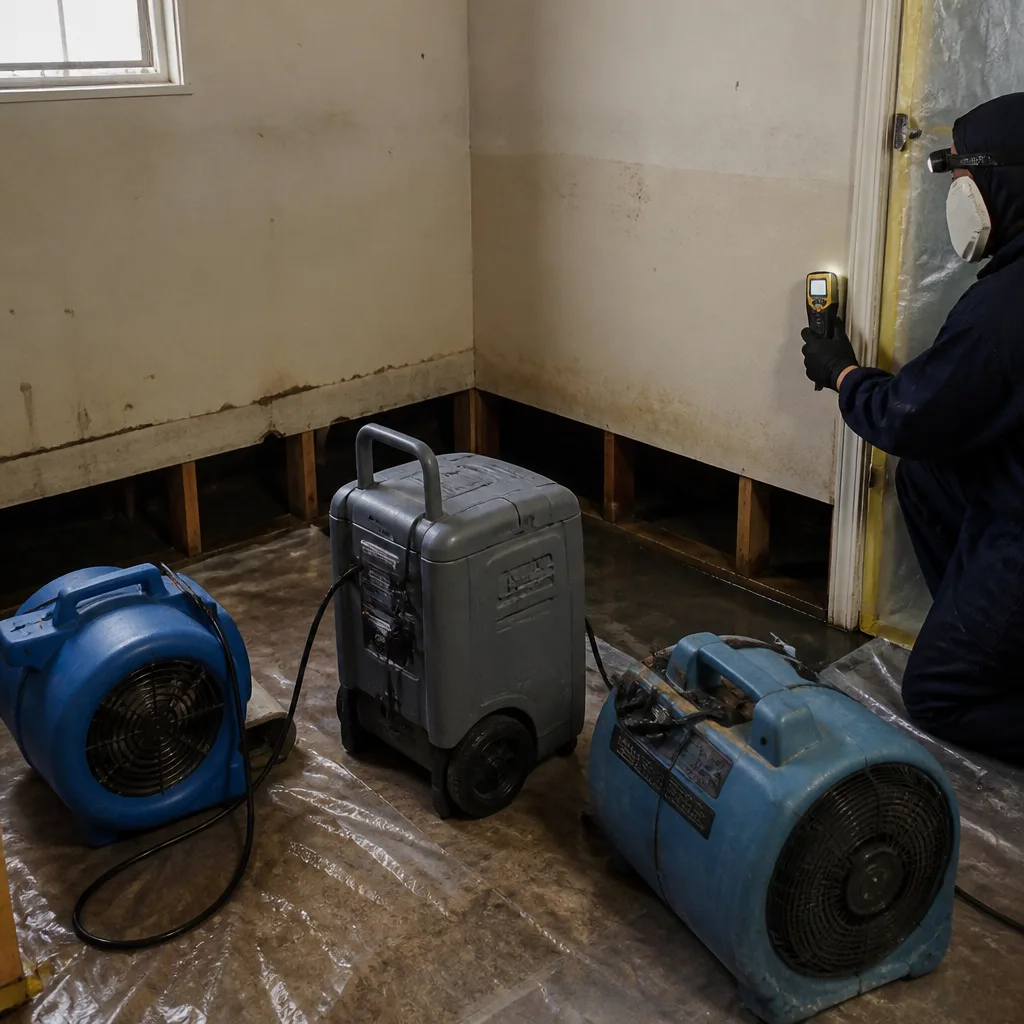
We use Dri-Eaz and Phoenix containment systems with HEPA-negative air machines during any restoration where hazardous materials may be present, documented to IICRC S520 and RIA standards. The containment photos become part of the permit record, showing that abatement was performed within controlled conditions.
Santee and San Diego County Permit Thresholds: The Specific Rules
Santee operates its own building department but adopts the San Diego County code with specific local amendments. Understanding where Santee’s rules differ from statewide defaults is essential for accurate restoration planning.
The City of Santee requires permits for the following restoration-related work that competitors often miss:
- Window and door replacement: Any change in size, or replacement of a window with a door or vice versa, requires a building permit. Like-for-like replacement in the same opening does not, but fire or water damage often distorts framing, forcing size adjustments.
- Roof repairs exceeding 100 square feet: Santee’s threshold is lower than some neighboring jurisdictions. A fire restoration involving partial roof rebuild almost always triggers permitting.
- Retaining walls over 30 inches in height: Storm and landslide restoration in Santee’s canyon-adjacent neighborhoods (Sky Ranch, Riverview, parts of Carlton Hills) frequently encounters this threshold.
- Electrical service upgrades: Replacing a panel after fire damage, or upgrading service to handle new equipment, requires both an electrical permit and utility coordination with SDG&E.
- Water heater replacement: Even like-for-like replacement requires a plumbing permit in Santee, with seismic strapping inspection.
Santee’s climate patterns affect restoration scope in ways that influence permitting. The city sits in a rain shadow but experiences intense Santa Ana-driven wildfire exposure and occasional flash flooding from the San Diego River watershed. We’ve restored homes in the Rio Vista area where river flooding saturated crawl spaces, requiring structural drying, then mold remediation, then reconstruction with elevated framing - a three-permit sequence that took 11 weeks from first call to final sign-off. The homeowner who understands this timeline upfront avoids the frustration of expecting a two-week turnaround.
Permit fees in Santee are calculated based on valuation tables published by the International Code Council, with a minimum fee of approximately $150 for minor work and scaling to 1.5-2% of project value for larger scopes. A typical water damage reconstruction with structural, electrical, and plumbing components runs $400-$800 in permit fees alone, plus plan check fees if engineering review is required.
California Health & Safety Code § 17920.3: What a Failed Inspection Costs You
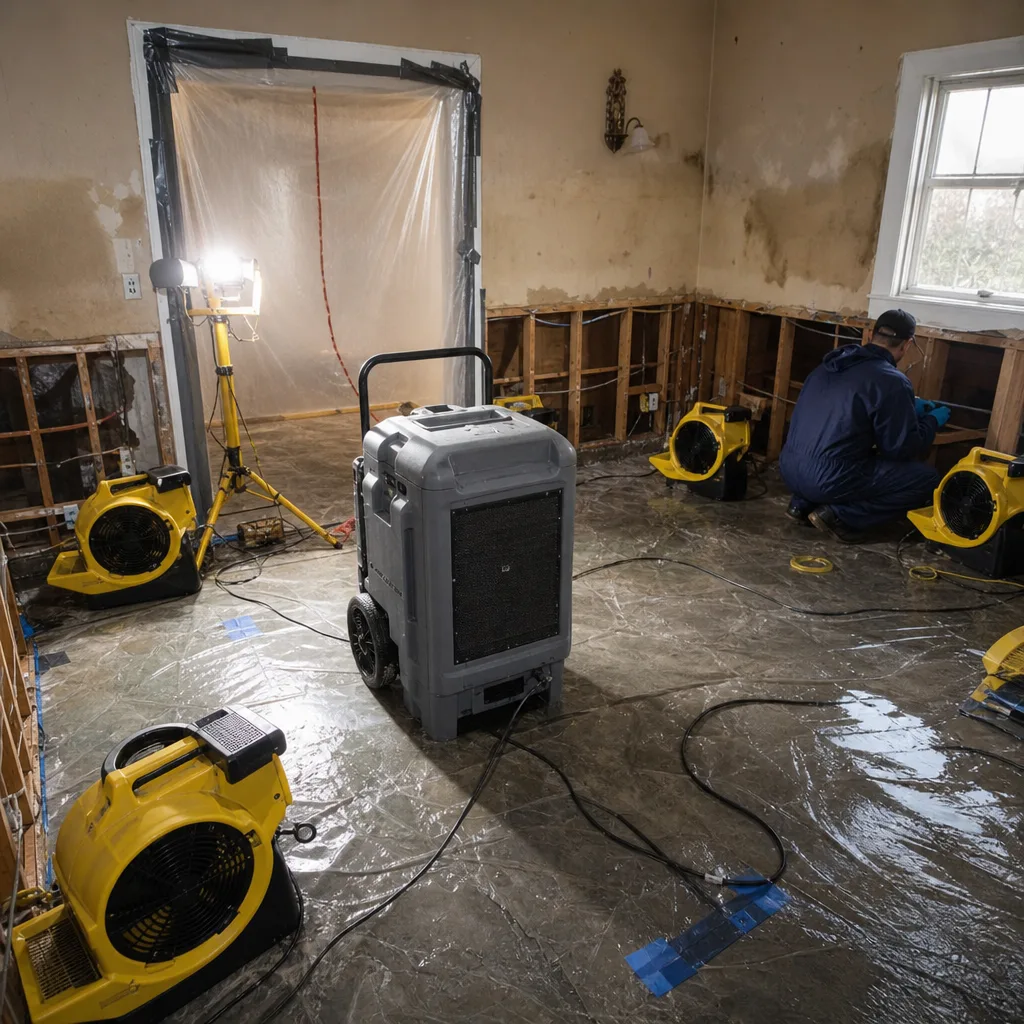
California Health & Safety Code § 17920.3 defines “substandard building” conditions, including structural deficiencies, faulty electrical systems, inadequate sanitation, and fire hazards. The code gives local enforcement agencies authority to issue correction notices, place liens, and in extreme cases, red-tag properties as uninhabitable.
Here’s what this means in restoration practice: if a city inspector discovers unpermitted work during a subsequent inspection - say, a homeowner pulls a permit for a kitchen remodel and the inspector notices unpermitted electrical work from a prior fire restoration - the entire property can be flagged for § 17920.3 review. The correction order becomes a public record, attached to the property’s APN (Assessor’s Parcel Number), visible on title reports.
We’ve been called to Santee properties where this exact scenario played out. A homeowner completed a fire restoration in 2019 with a contractor who skipped permits. In 2023, they listed the home. The buyer’s inspector noticed new drywall with no permit history. The title company flagged a potential substandard condition. Escrow stalled for six weeks while we performed destructive inspection, pulled retroactive permits, and reconstructed work that couldn’t be verified - at the seller’s expense, with no insurance coverage because the original claim had closed.
The financial exposure breaks down as follows:
- Retroactive permit fees: 2-3x original permit cost, plus penalties
- Reconstruction to expose and verify hidden work: $8,000-$25,000 typical
- Extended carrying costs during stalled sale: mortgage, taxes, insurance
- Potential buyer price reduction or walk-away: 5-15% of sale price in Santee’s market
- Legal fees if the original contractor is unresponsive or insolvent
Our documentation protocol - photo records on every visit, written scopes with material specifications, daily moisture logs - is designed to prevent this outcome. When we pull permits, the inspection history is complete. When we don’t need permits, our records prove the work was below threshold, protecting the homeowner’s title.
Why Insurers Tie Holdback Releases to Final Permit Sign-Off
On large structural claims - typically those exceeding $50,000 in dwelling coverage - most California homeowners policies include a holdback provision. The insurer pays actual cash value upfront, then releases replacement cost holdback funds when repairs are completed and documented. Increasingly, insurers are adding final permit sign-off as a condition of that release.
This practice accelerated after the 2017-2018 wildfire seasons, when insurers faced massive losses from unpermitted, substandard reconstruction in Northern California. The California Department of Insurance issued Bulletin 2019-3, encouraging insurers to verify code compliance as a condition of full payment. While not mandatory, most major carriers now include permit verification in their holdback protocols.
What this means for Santee homeowners: if your water or fire restoration involves structural, electrical, or mechanical work, and your claim exceeds your policy’s holdback threshold, you’ll need a final inspection sign-off to receive full payment. The insurer’s adjuster will request a copy of the permit card with all inspection boxes checked, or will verify directly through the city’s online system.
We coordinate this process as standard practice. Our written scope identifies permit requirements before work begins. We pull permits in the homeowner’s name or as authorized agent. We schedule inspections to align with construction phases, minimizing delays. And we deliver the final permit card - or digital verification - to the adjuster as part of our closeout documentation. This is how a restoration invoice becomes a payable claim without dispute.
The alternative - a contractor who skips permits, completes work, collects payment, and disappears - leaves the homeowner with a $20,000-$50,000 holdback frozen indefinitely. We’ve taken over these situations, pulled retroactive permits, performed destructive verification, and helped homeowners unlock their funds. It’s always more expensive and slower than doing it correctly the first time.
How to Track Permit Status Through San Diego County’s Online Portal
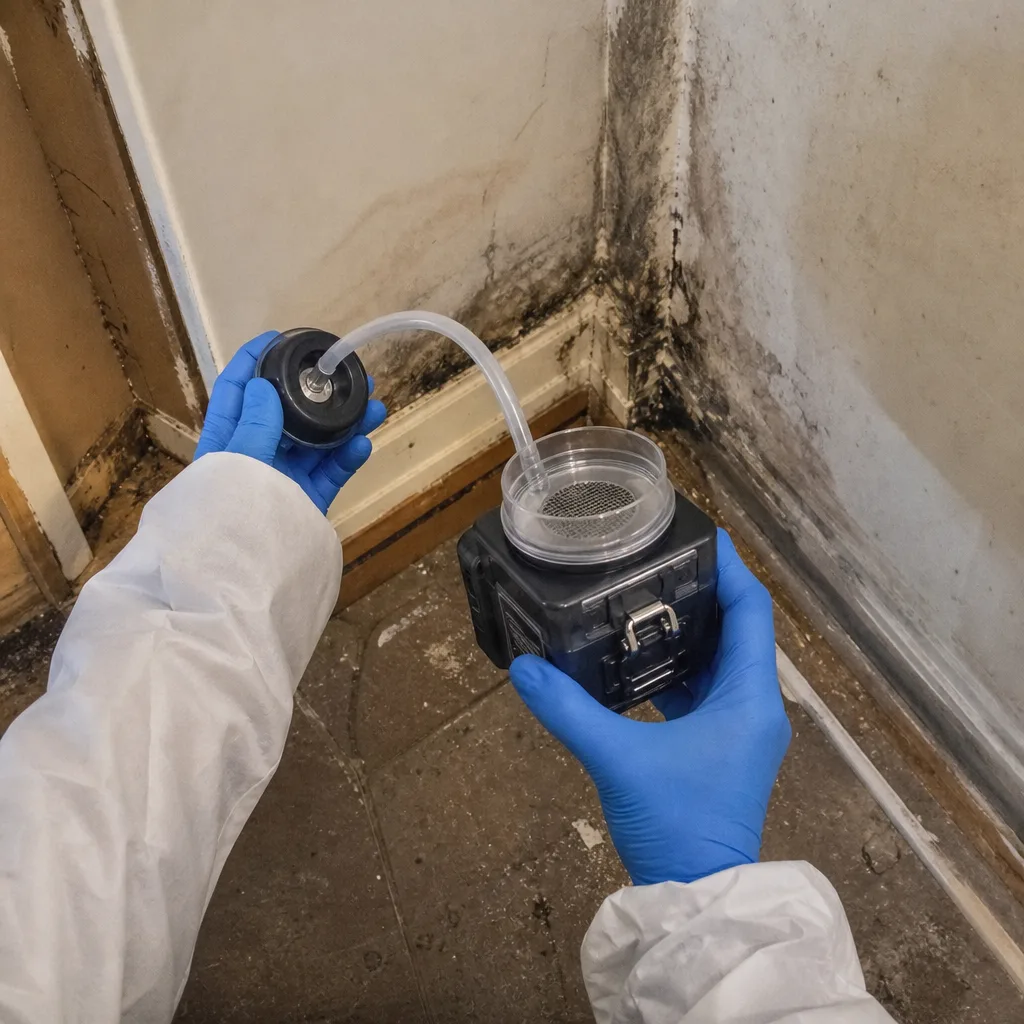
Transparency in permitting protects homeowners from contractors who claim permits were pulled but never file, or who schedule inspections that never occur. San Diego County and the City of Santee both offer online permit tracking that any property owner can access.
Step-by-Step: Tracking Your Restoration Permit
- Obtain the permit number: Your contractor must provide this. At DryMark Restoration Santee, we email the permit application confirmation within 24 hours of filing, with the tracking number and estimated review timeline.
- Access the portal: For Santee permits, use the City of Santee’s online permit center. For unincorporated San Diego County, use the San Diego County Department of Environmental Health and Quality portal.
- Enter the permit number: The system displays application status, plan check status, fees paid, and inspection history.
- Review inspection results: Each inspection generates a pass, fail, or correction notice. Failed inspections require re-inspection, often with fees. We photograph correction items and upload remediation evidence before scheduling re-inspection.
- Verify final sign-off: A completed permit shows “FINAL” status with a sign-off date. This is the document insurers require for holdback release. We save this as a PDF and include it in the homeowner’s closeout package.
What a final inspection sign-off looks like in county records: the permit card shows sequential inspection dates with inspector initials - typically “R” for rough, “I” for insulation, “F” for final - each with a status code. The final entry reads “FINAL APPROVED” with a date and inspector ID. If any box is blank or shows “CORRECTION,” the permit is not closed.
We recommend homeowners verify this themselves, even when working with reputable contractors. It’s a two-minute check that protects against the rare but real occurrence of a contractor misrepresenting permit status. In twelve years and 12,000 homes, we’ve never had a permit discrepancy - and we want our documentation to make that verifiable, not merely claimed.
Common Mistakes to Avoid
- Accepting “permit not needed” without written justification: A verbal assurance from a contractor means nothing when a title issue surfaces. We provide a written scope that explicitly states permit requirements or confirms work is below threshold, with the code section cited.
- Letting the contractor pull permits in their name only: Permits should be in the property owner’s name or with the owner as co-applicant. If the contractor disappears, you own the permit and can complete inspections with another qualified contractor.
- Starting work before permit approval: Santee inspectors can issue stop-work orders for construction begun without permit, doubling timelines and adding penalties. We never start permit-required work until the permit card is in hand.
- Ignoring secondary permits: A building permit doesn’t cover electrical, plumbing, or mechanical work - these require separate permits with separate inspections. We coordinate all trades and all permits as part of our project management.
- Assuming insurance covers permit costs: Some policies include code upgrade coverage (Ordinance or Law coverage), but many don’t. We identify this in our written scope so homeowners aren’t surprised by $500-$2,000 in permit fees.
- Failing to document permit completion for resale: Keep final permit cards with your home records forever. We provide these in both digital and physical form, organized by date and scope, as part of our standard deliverable.
When to Call a Professional
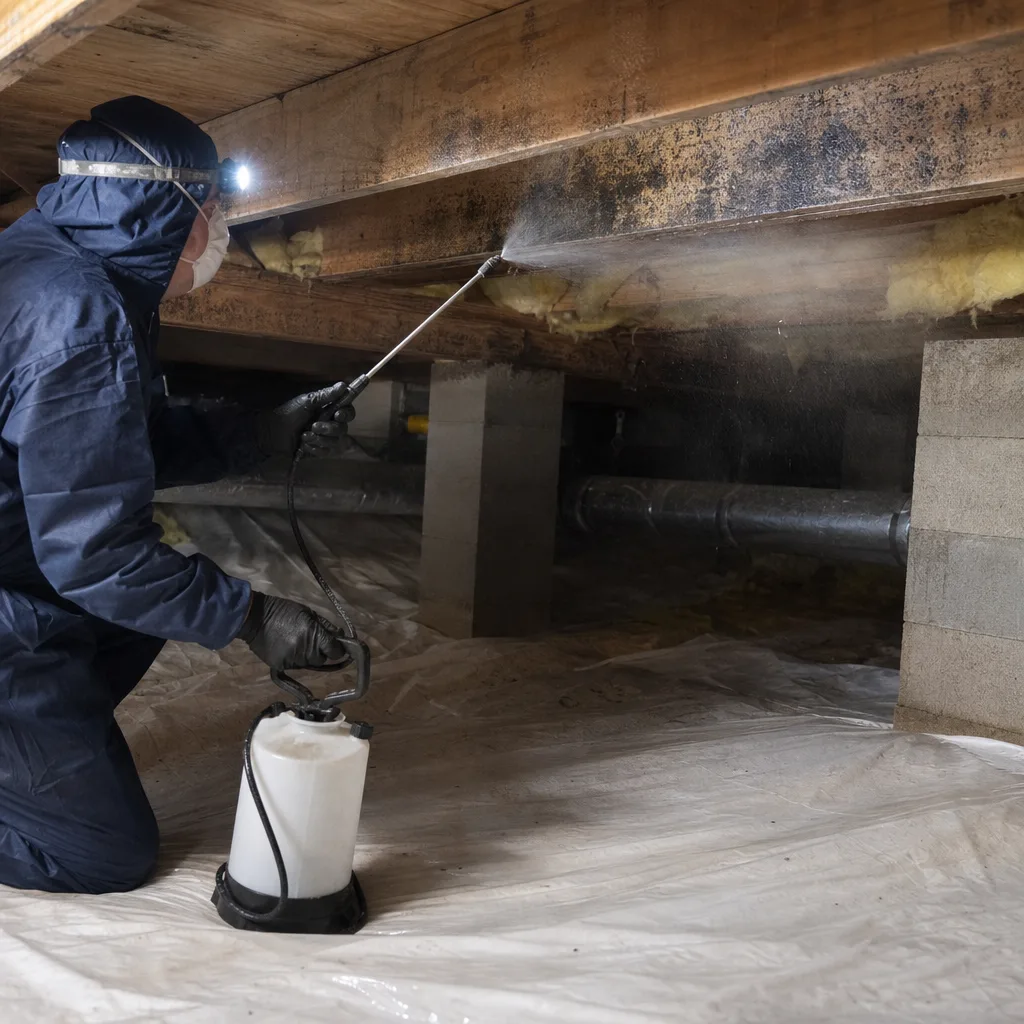
Call a professional restoration contractor when your loss involves structural, electrical, or mechanical systems; when mold or asbestos may be present; when your insurance claim exceeds $10,000; or when you plan to sell your home within five years. Our How to Hire a Damage Restoration Contractor in Santee: A Step-by-Step Guide walks you through vetting your options. The cost of proper permitting is trivial compared to the cost of unpermitted work discovered at sale.
In Santee, the specific triggers that demand professional permit management include: fire damage with roof or wall structural compromise; water damage with subfloor or framing saturation; any restoration in pre-1985 construction where asbestos may be present; and storm damage with retaining wall or hillside instability.
DryMark Restoration Santee offers free estimates in Santee - call (619) 604-5535. Every estimate includes a written scope with permit requirements identified, a price before work begins, and documentation of our license and insurance. We also provide a Free Second Opinion on any competitor’s written estimate, with specific attention to whether their scope addresses permit compliance.
Frequently Asked Questions
Like-for-like drywall replacement in the same location generally does not require a permit, but if the replacement involves new framing, electrical box relocation, or insulation upgrades, a building permit is required. We determine this during our assessment and state it in our written scope before work begins.
Some policies include Ordinance or Law coverage that pays for code-required upgrades, including permits, but coverage limits vary - typically 10-25% of dwelling coverage. We review your policy declarations and identify permit cost responsibility in our written price before work starts. Call (619) 604-5535 for an exact assessment - estimates are free.
Simple permits issue over the counter in 1-2 business days. Complex structural or engineered plans require 2-4 weeks for plan check. We file permits immediately upon scope approval and schedule construction to minimize idle time. In our experience, permit timelines add 10-20% to total project duration for structural restoration.
You can apply for a retroactive permit, but fees are higher, inspections may require destructive exposure of completed work, and failed inspections trigger correction orders that become public record. We’ve handled retroactive permitting for homeowners - it’s always more expensive and slower than original permitting. Verify permit status through Santee’s online portal before paying final invoices.
Pure mold remediation without structural, electrical, or plumbing work does not require a building permit in Santee, but if remediation disturbs asbestos-containing materials, asbestos abatement notification is required. We test suspect materials before disturbance and file required notifications. Our Mold Remediation in Santee service includes this determination in every written scope.
You can list it, but unpermitted work typically surfaces during buyer inspection or title review, forcing disclosure, price reduction, or deal cancellation. California sellers must disclose material facts affecting value - unpermitted structural work qualifies. We recommend retroactive permitting before listing, or retaining documentation proving work was below threshold.
The Bottom Line
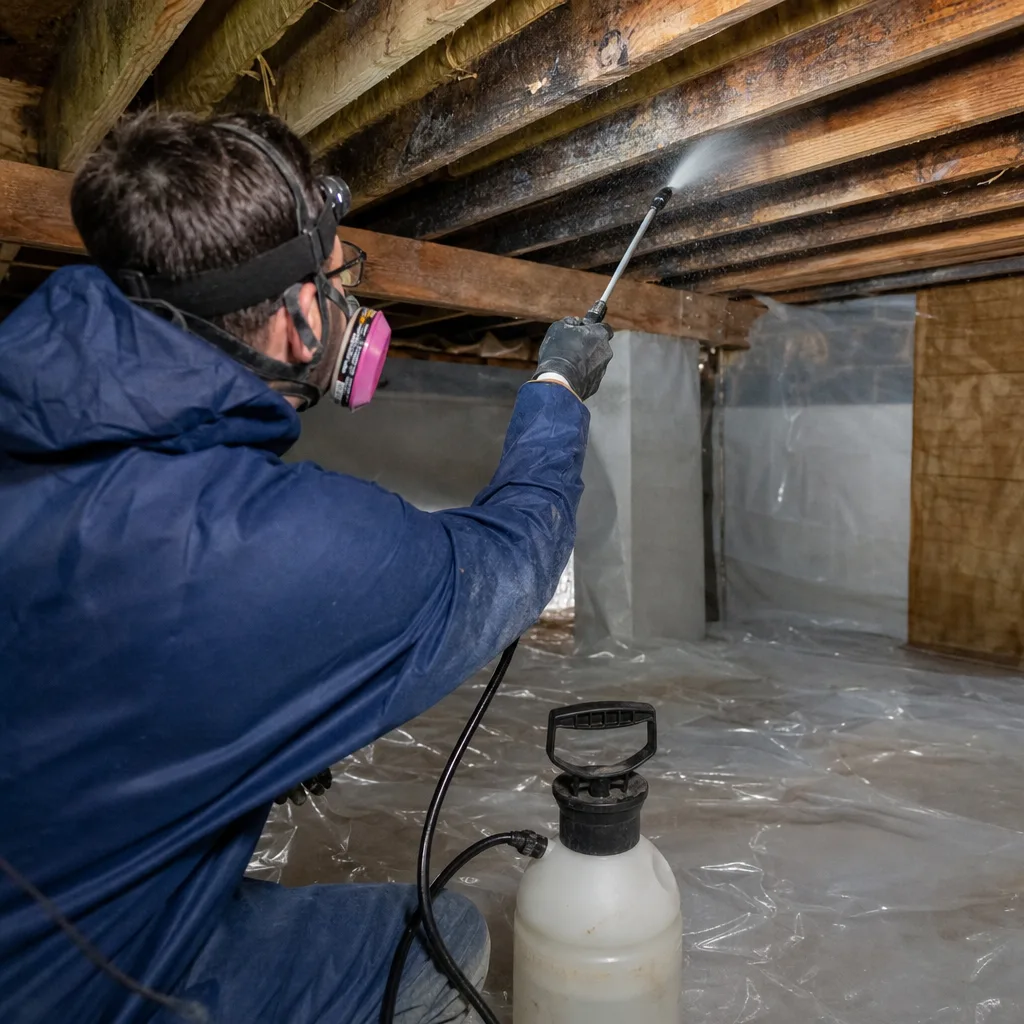
Permits in California restoration are not bureaucratic obstacles - they’re the legal record that your home was returned to code-compliant condition, which is exactly what insurers, buyers, and future inspectors will verify. In Santee, understanding the specific thresholds that trigger building, demolition, and abatement permits, tracking them through San Diego County’s systems, and retaining final sign-off documentation protects your claim payment, your title, and your resale value. The contractor who treats permits as optional is transferring risk to you. The one who documents every permit, every inspection, and every sign-off - in writing, with photos, before you pay - is doing what the work actually requires.
Written by Alicia Brennan, Owner at DryMark Restoration Santee, serving Santee since 2011.