
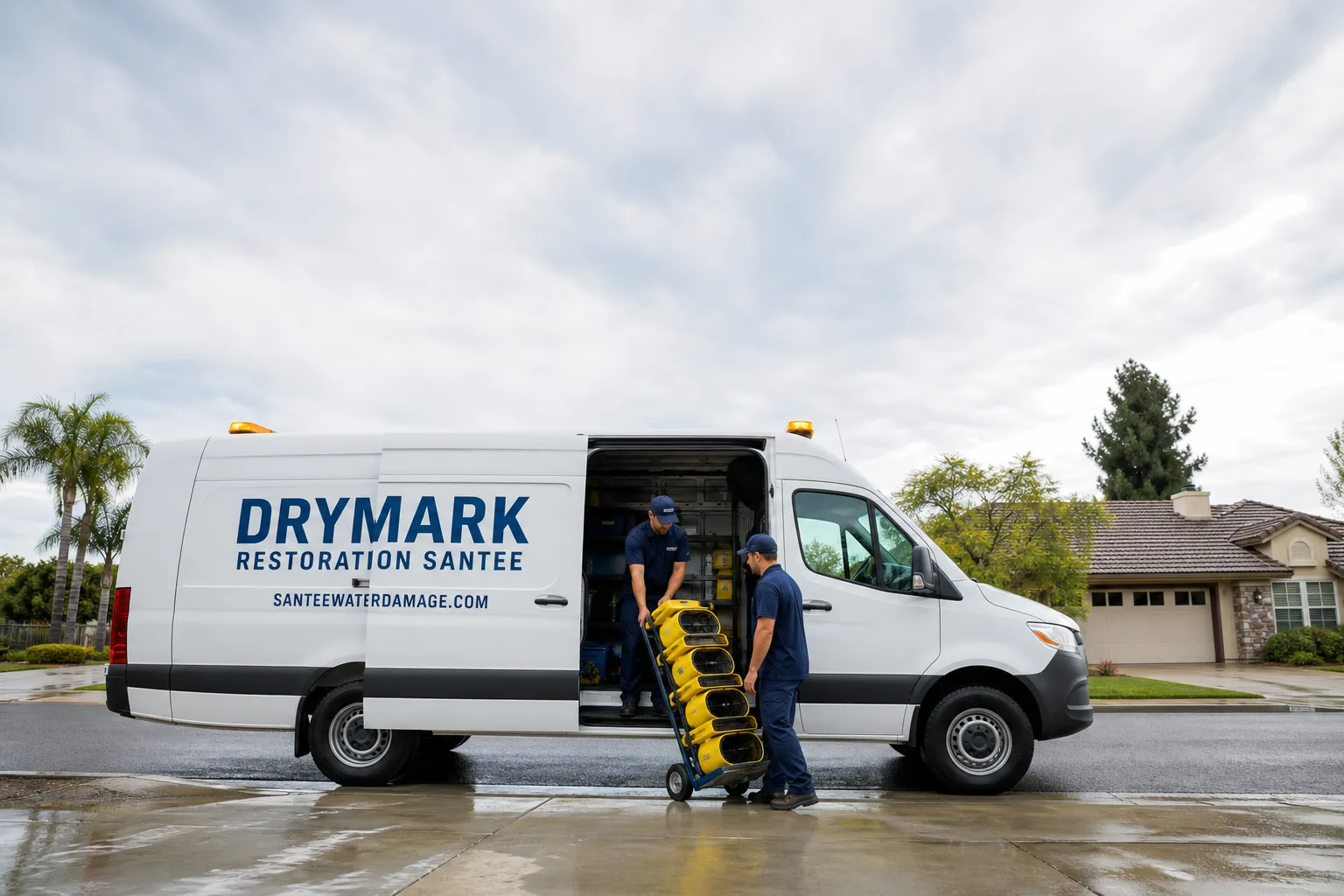
Free visual inspection and a written scope of work before any mitigation begins - photos, moisture readings, and drying logs go in your claim file
The scope we write is the scope we bill. Anything new gets shown to you, in writing, before we touch it.
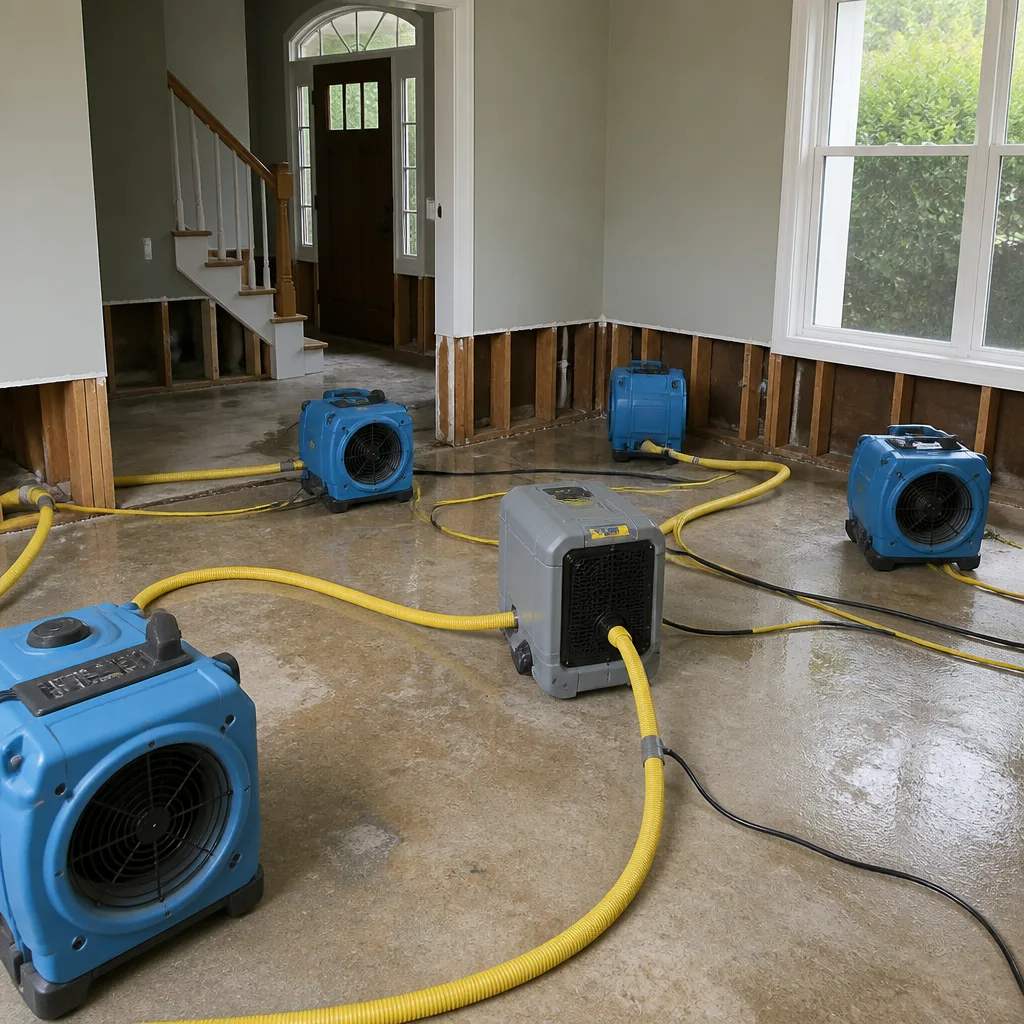

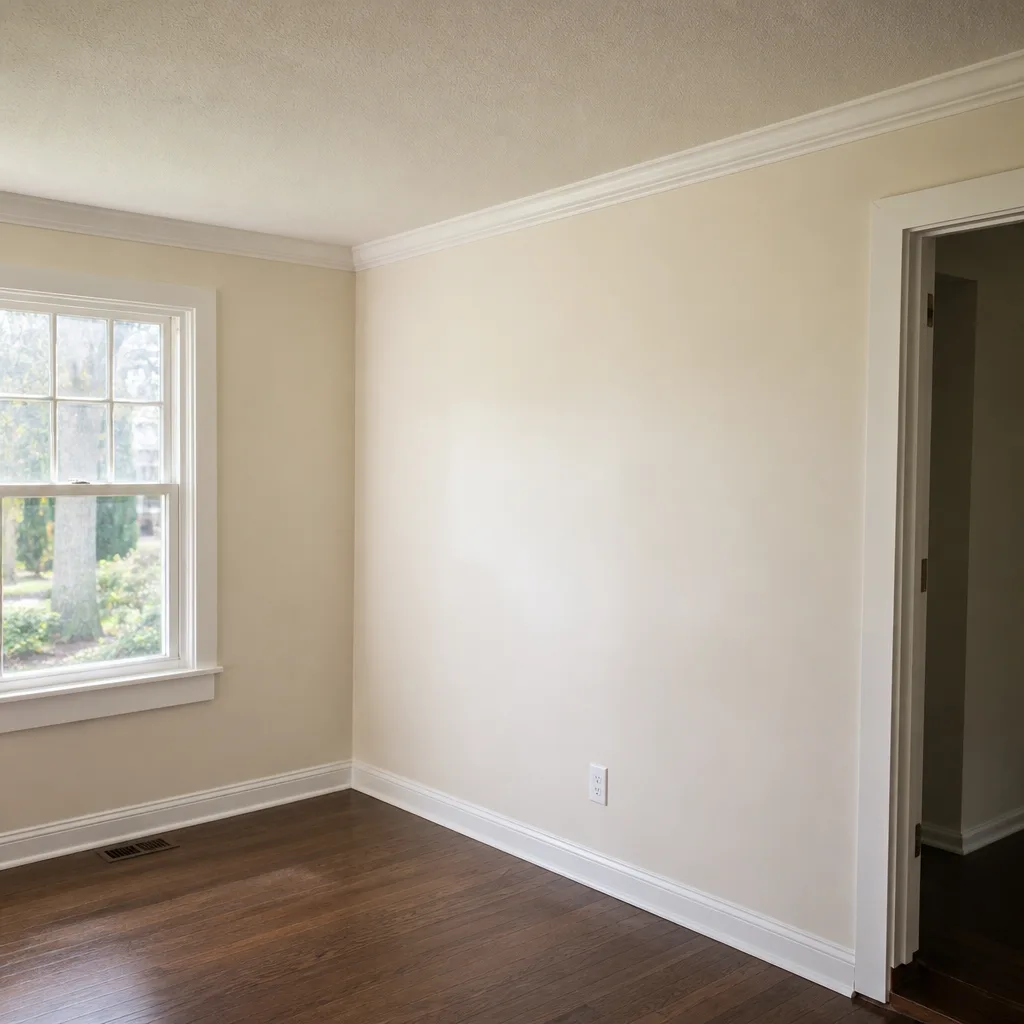


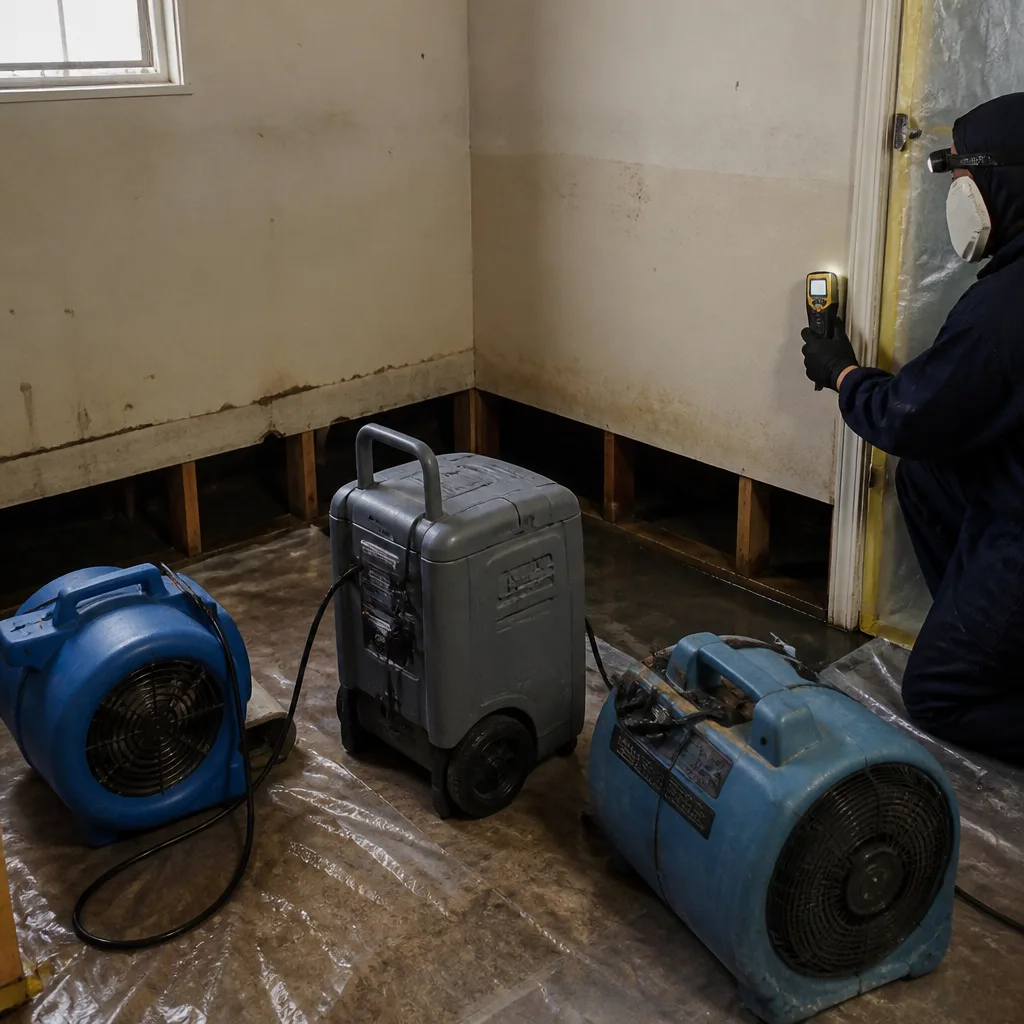 Before
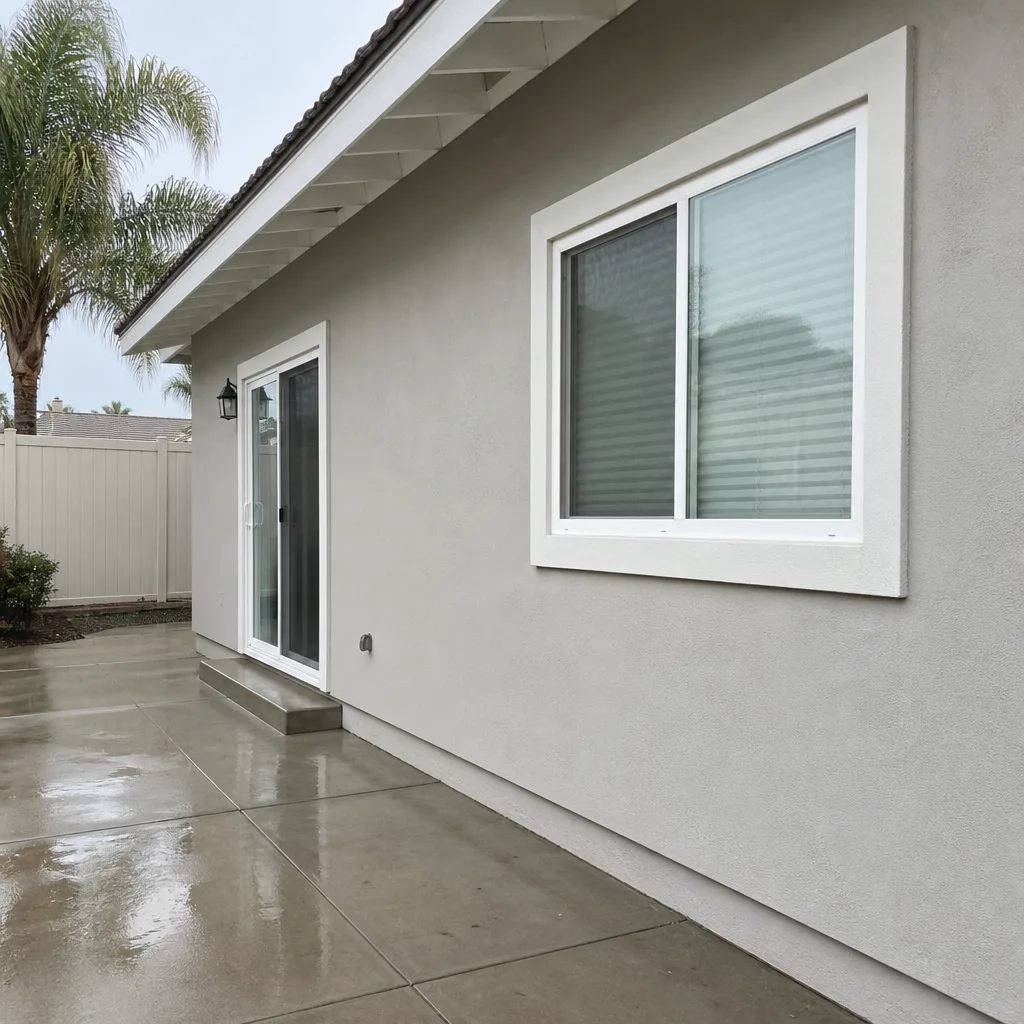 After
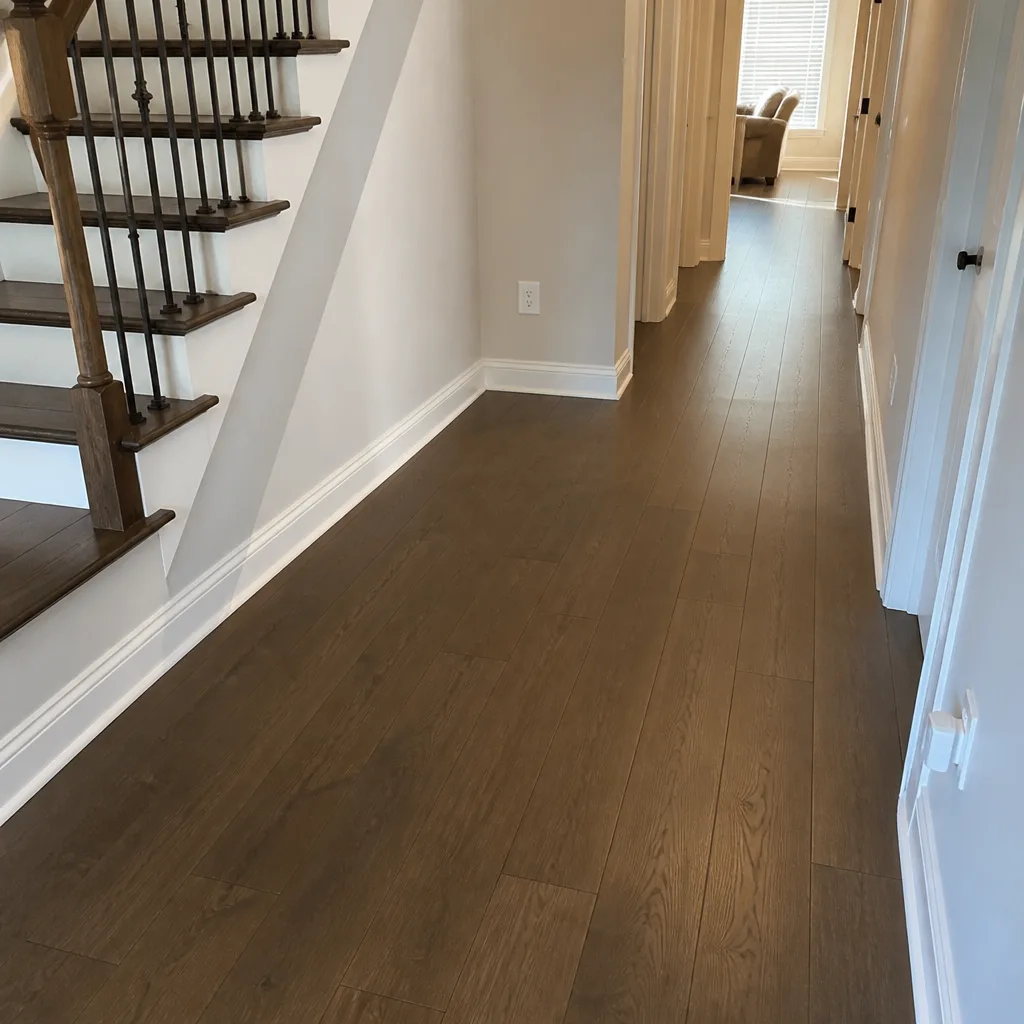
After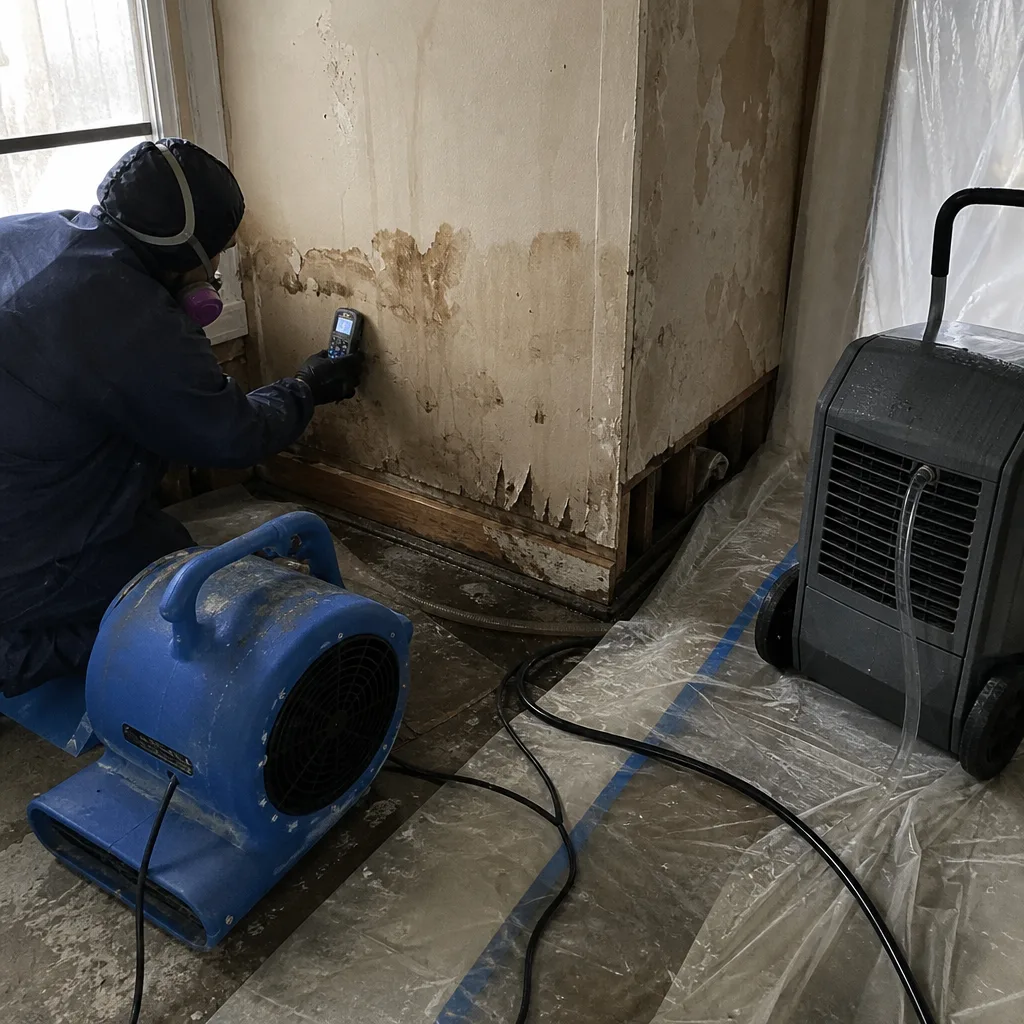 Before
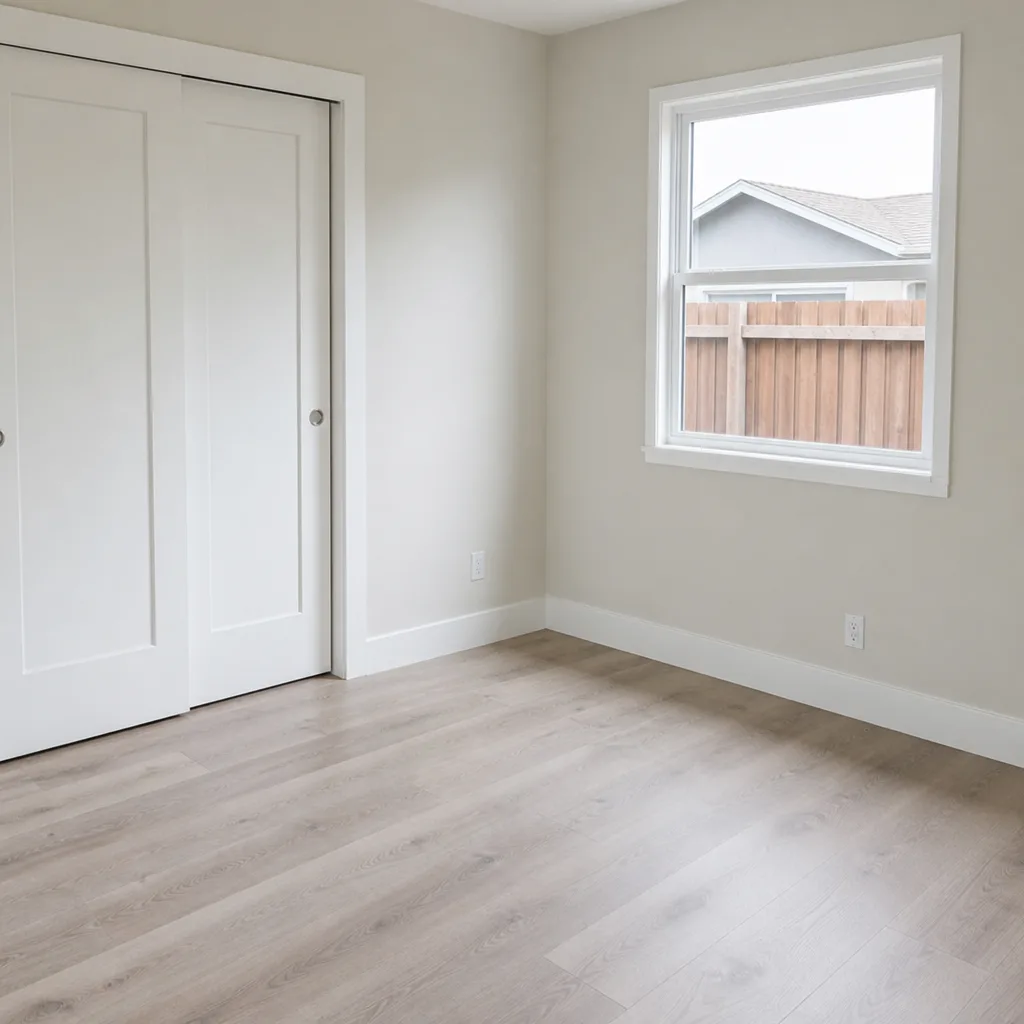 After
After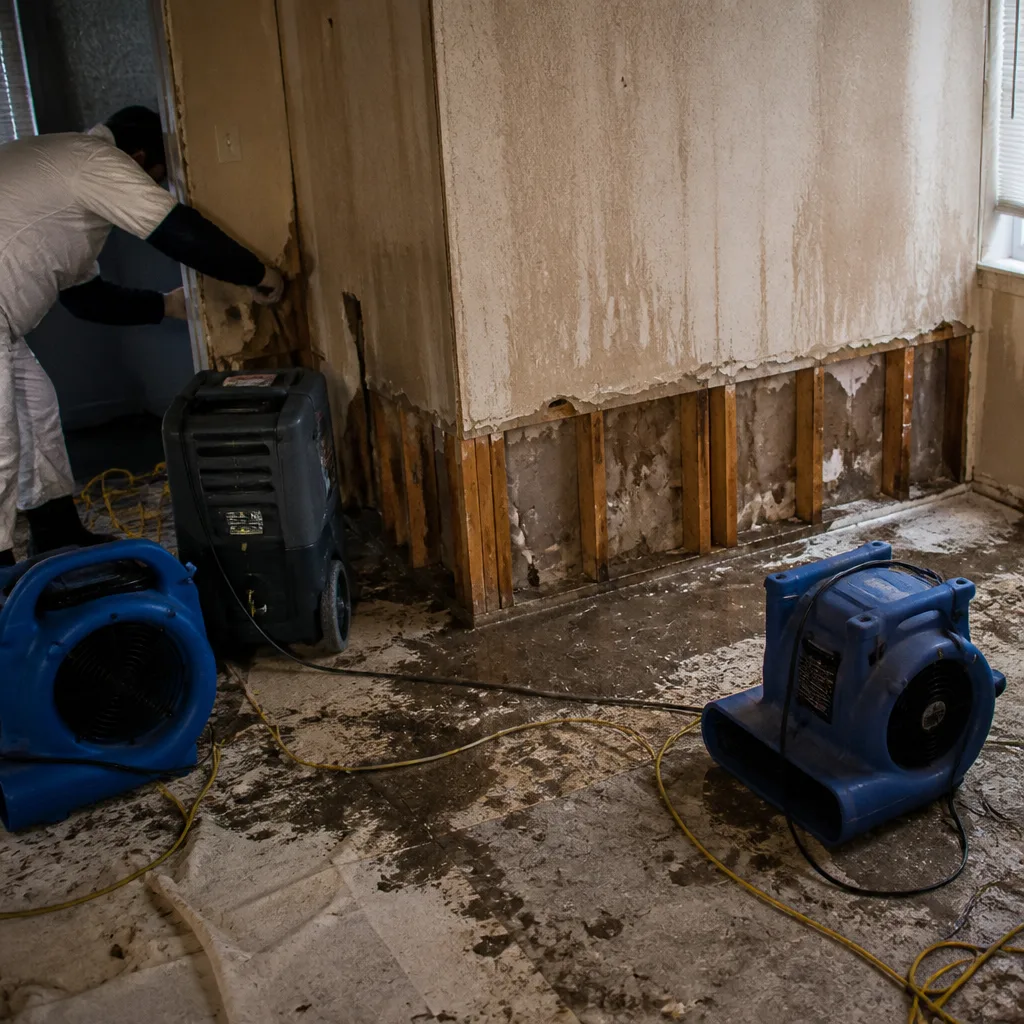 Before
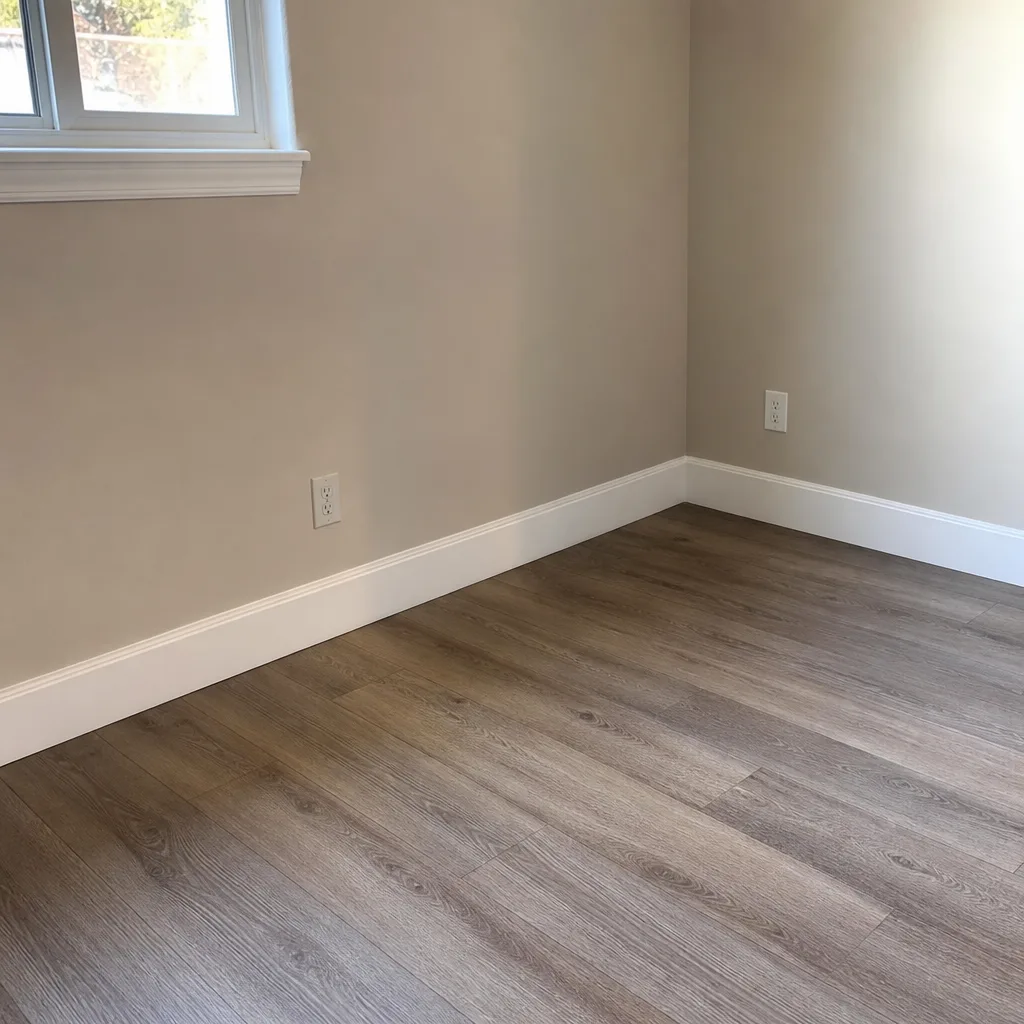 After
AfterFast, Reliable Water Damage Restoration Across Poway
Water damage restoration in Poway typically costs between $2,800 and $6,500 for a standard residential job, with emergency water extraction starting around $1,200 and full structural drying running $3,200-$5,800 depending on affected square footage and material classification. Most Poway homeowners see our crews on-site within 45-60 minutes of calling (619) 604-5535, with dispatch coordinated from our San Diego office and routes planned around Poway’s canyon topography and larger rural lots.
We know Poway’s properties. The 1970s-1990s ranch homes on Espola Road, the two-story tracts near Twin Peaks Road, the acreage properties backing Blue Sky Ecological Reserve - each carries distinct water-damage risks that change how we scope the job. Original galvanized and early copper plumbing corrodes faster here in San Diego County’s hard water. Canyon slopes funnel debris and runoff during first rains. And homes in the smoke drift path down from Los Peñasquitos Canyon Preserve need attic and ductwork assessment that flat coastal jobs never require. Our Water Damage Restoration team documents every variable in writing before work starts, Haven Standard, Clause 1.
Why DryMark Restoration Santee Is Poway’s Preferred Water Damage Restoration Company
Poway homeowners research before they call. They read the three-star reviews. They want to see pricing, documentation standards, and proof that a crew understands their specific property type before inviting anyone through the door. We’ve restored over 12,000 homes since 2011, every one with a written price before work started and a photo record when the crew left.
Our response time to Poway averages under an hour because we route crews specifically for canyon-access properties and larger lots with longer service drives. We don’t send a standard urban crew and hope they brought enough hose. Alicia Brennan built this company around the documentation gap that costs homeowners their insurance claims - sloppy moisture logs, missing photos, verbal scopes that adjusters reject. Every Poway job gets daily psychrometric data (temperature, relative humidity, and vapor pressure differential readings that prove the drying is actually working), room-by-room moisture mapping, and a written drying log that turns your invoice into a payable claim.
Live person answers every call, 24 hours a day, 7 days a week. No voicemail trees while water is still moving through your subfloor.
Our Water Damage Restoration Services in Poway
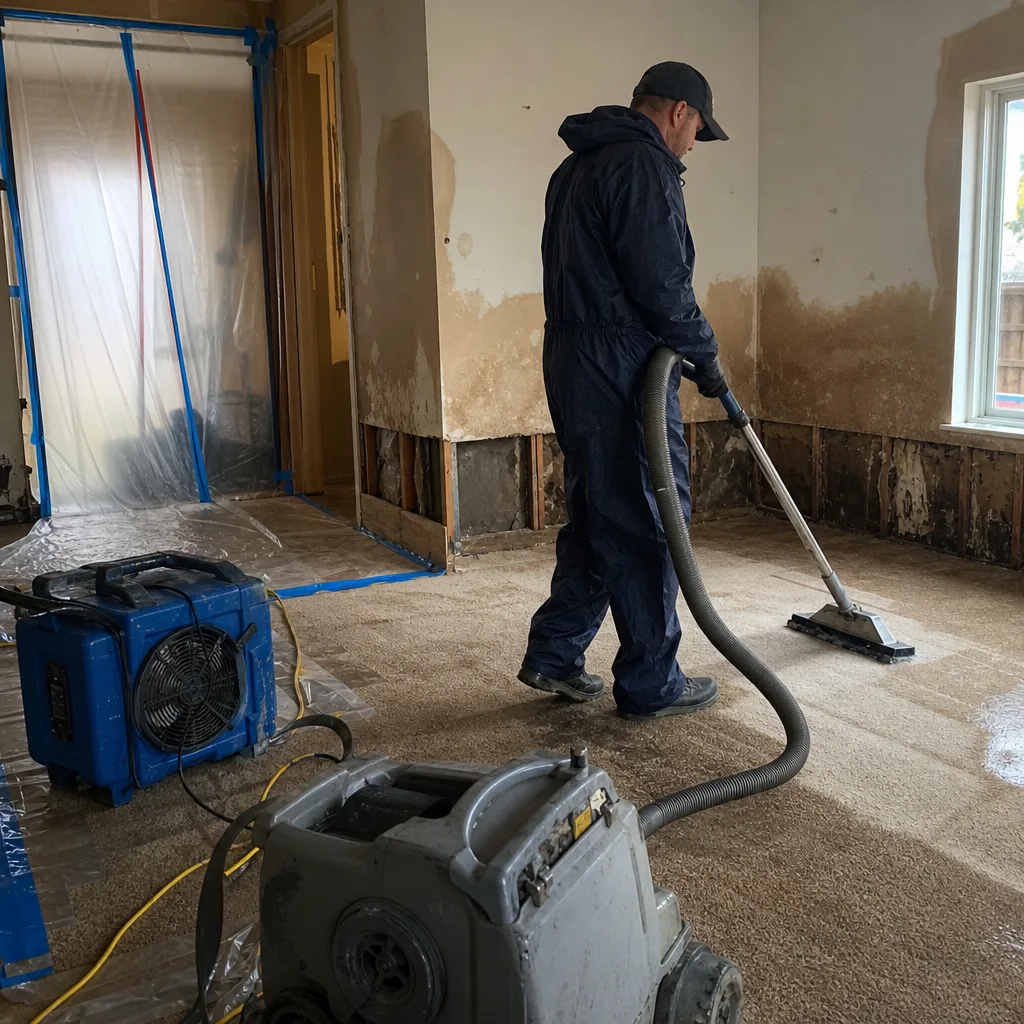
Emergency Water Extraction
When a supply line fails in a Poway ranch home at 2 a.m., standing water doesn’t wait. We deploy truck-mount extraction systems rated for category 1 through 3 water - clean water from a burst pipe, gray water from appliance overflows, or black water from sewage backup. On Poway’s larger acreage properties, we calculate hose runs and extraction capacity before dispatch so we’re not making a second trip for equipment. Our crew on Espola Road last month pulled 147 gallons of category 2 water from a second-floor wall cavity in under 90 minutes, then set containment to prevent cross-contamination into the hallway. Every gallon extracted is documented with before-and-after moisture readings.
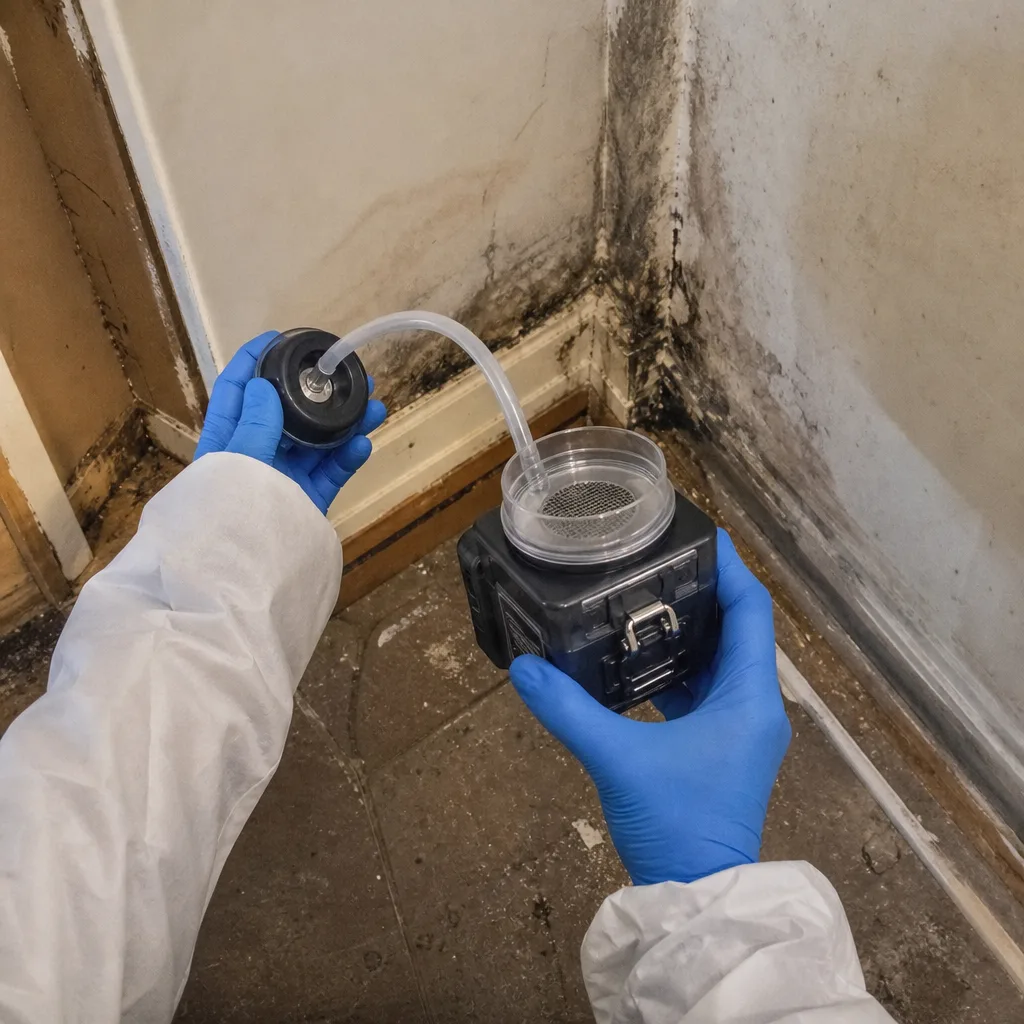
Structural Drying & Dehumidification
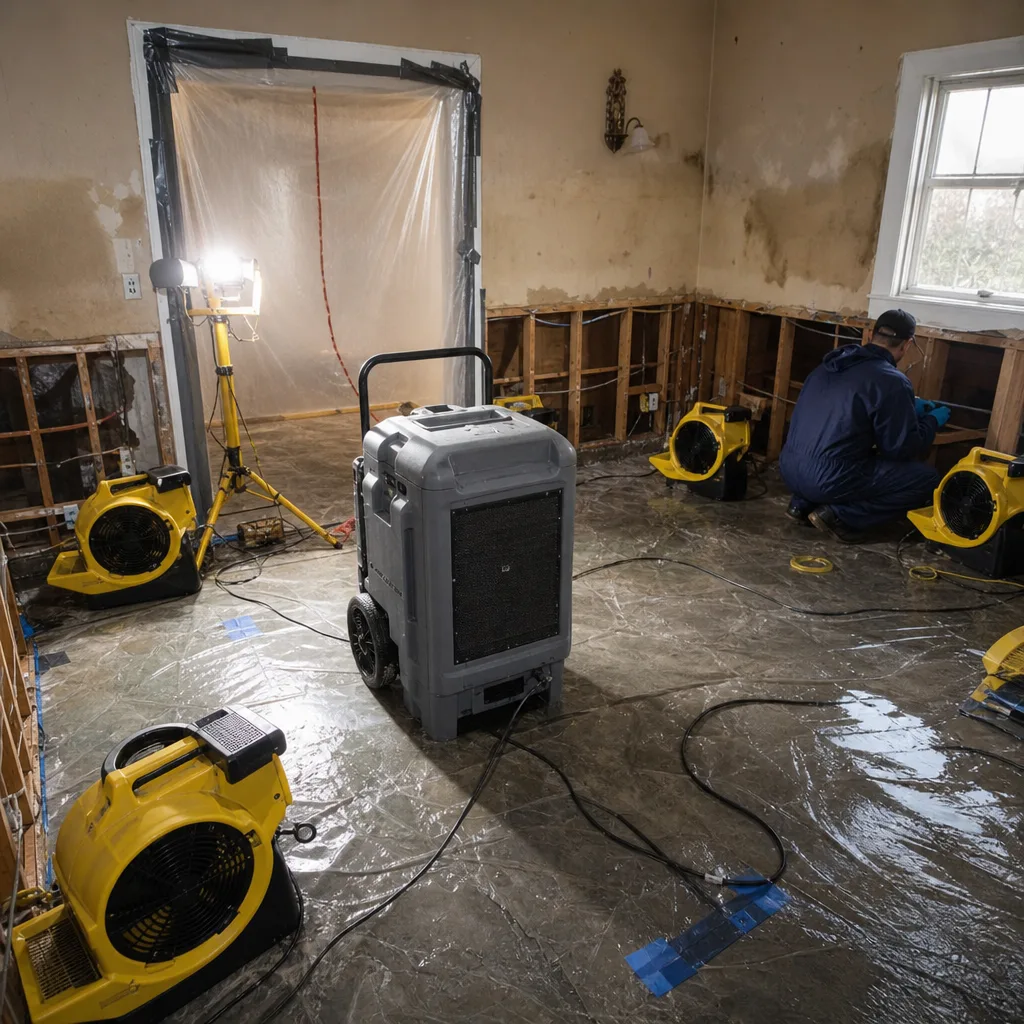
Poway’s inland climate means lower ambient humidity than coastal San Diego, but that doesn’t speed drying inside a wall cavity. We position Dri-Eaz air movers and Phoenix dehumidifiers based on psychrometric calculations, not guesswork. Tertiary drying - the final phase where bound moisture releases from dense materials like oak framing or tile subfloors - is where most contractors cut corners and where we document vapor pressure differentials to prove completion. On 1970s-1990s Poway homes with original copper plumbing, we always map moisture into adjacent wall cavities; the same hard water that corroded your supply line has likely thinned neighboring pipes. Daily drying logs go to you and your adjuster, not just our file.
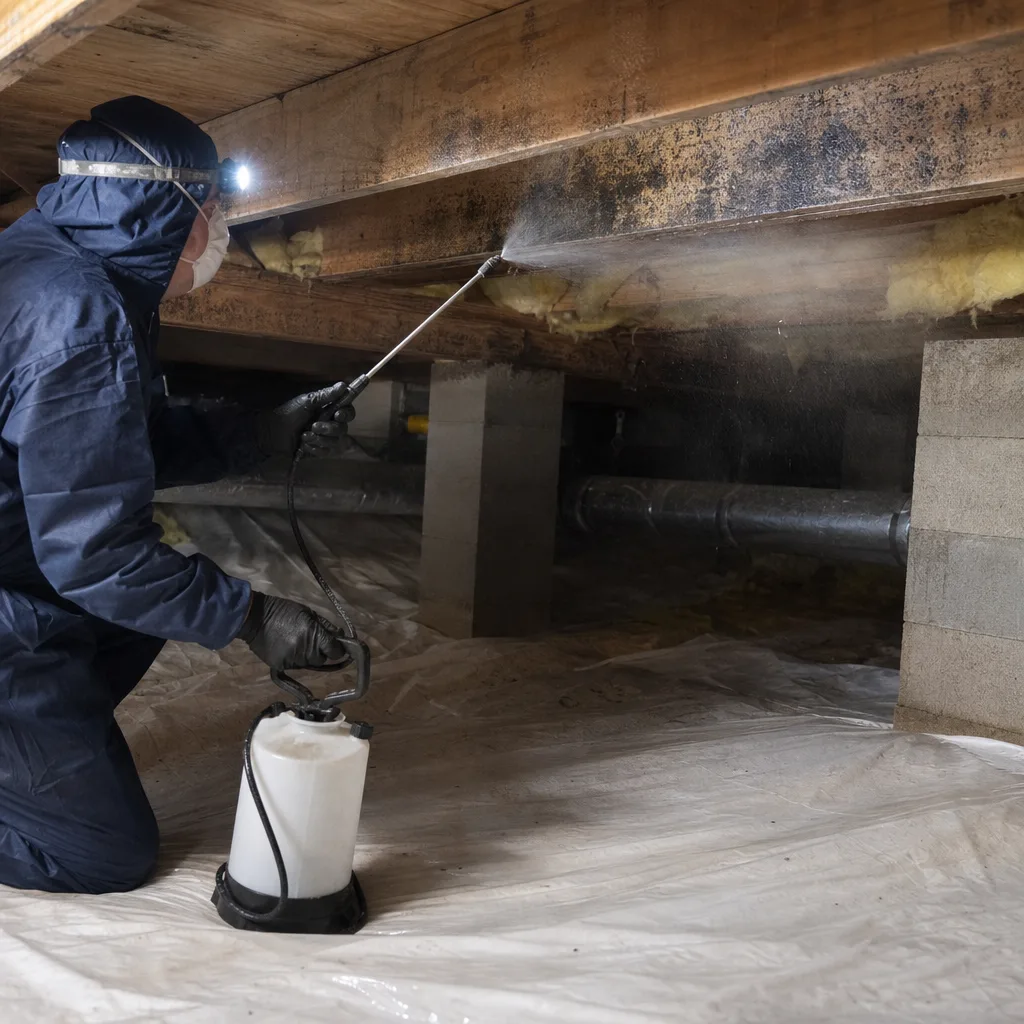
Flood Cleanup
Poway’s decomposed-granite soils and steep canyon slopes produce flash-flooding and debris-flow events after the first heavy rains post-fire-season. Properties near Los Peñasquitos Canyon Preserve or below burned slopes face combined water-and-silt intrusion that standard extraction won’t address. We scope for sediment contamination, assess whether category 3 classification applies, and document everything for insurance. Post-fire erosion damage and sudden water intrusion in the same property - we’ve handled both in a single visit when the scope is written correctly upfront.
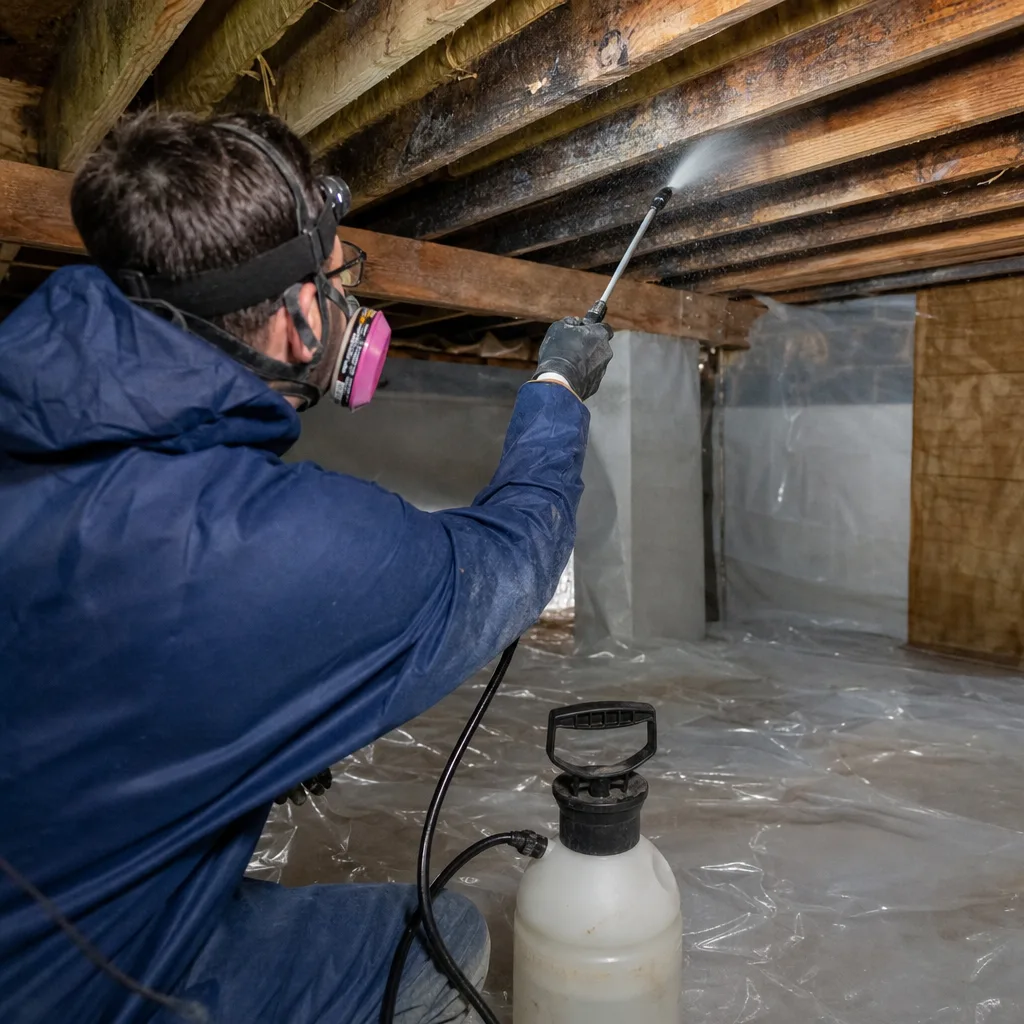
Burst Pipe Restoration
Supply-line failures are the most common water-damage trigger we see in Poway, driven by corroded galvanized and early copper plumbing in the city’s 1970s-1990s housing stock. A burst pipe on a second-floor ranch home sends water down through ceiling cavities, attic insulation, and wall voids - often traveling 15-20 feet from the visible stain before it finds a place to pool. We use thermal imaging and non-penetrating moisture meters to trace the full migration path, then write a scope that covers every affected square foot. No surprise additions once the crew is inside. Haven Standard, Clause 1.
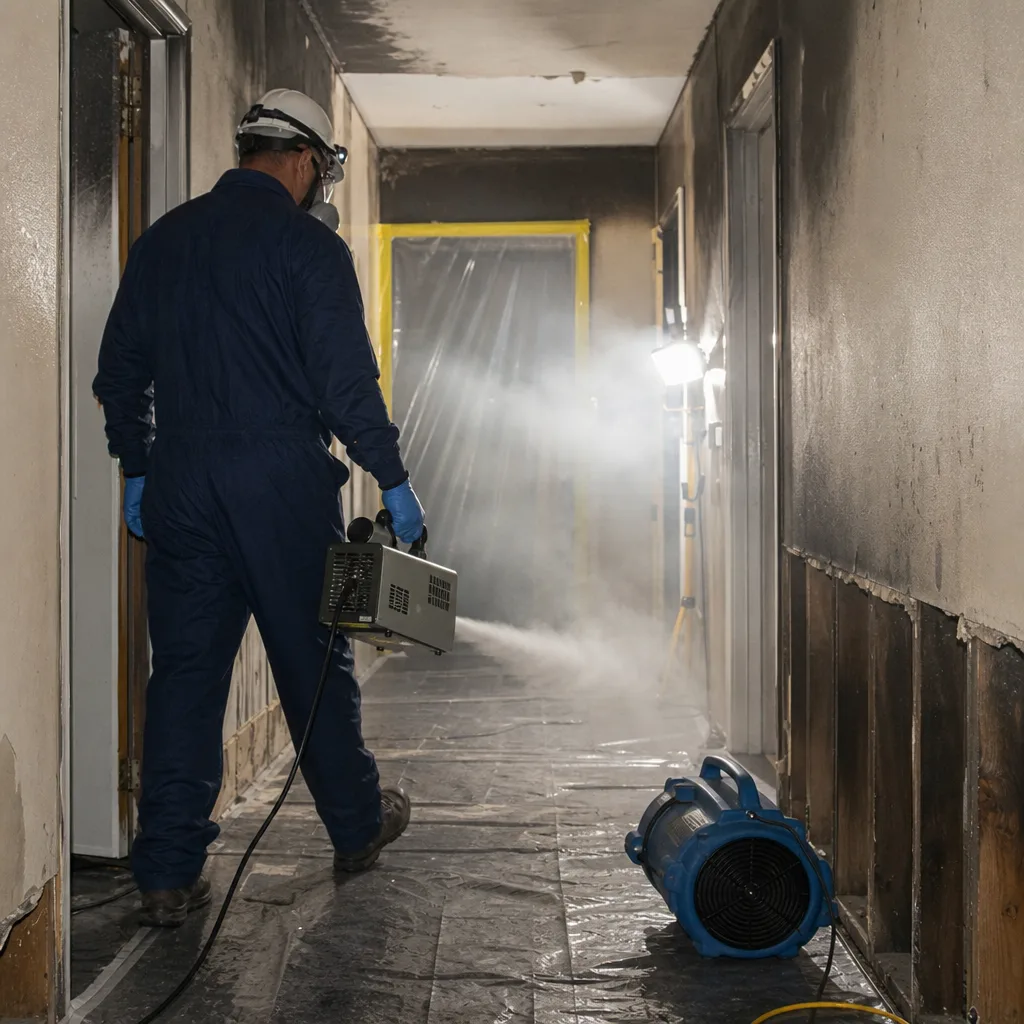
Basement Water Removal
True basements are rare in Poway’s hillside construction, but partial daylight basements and under-house crawl spaces on canyon slopes collect water from runoff and failed perimeter drains. We extract, map moisture in subfloor joists, and specify whether vapor barrier replacement is indicated. The same documentation standards apply: written price first, photo record on every visit, daily drying logs until equilibrium.
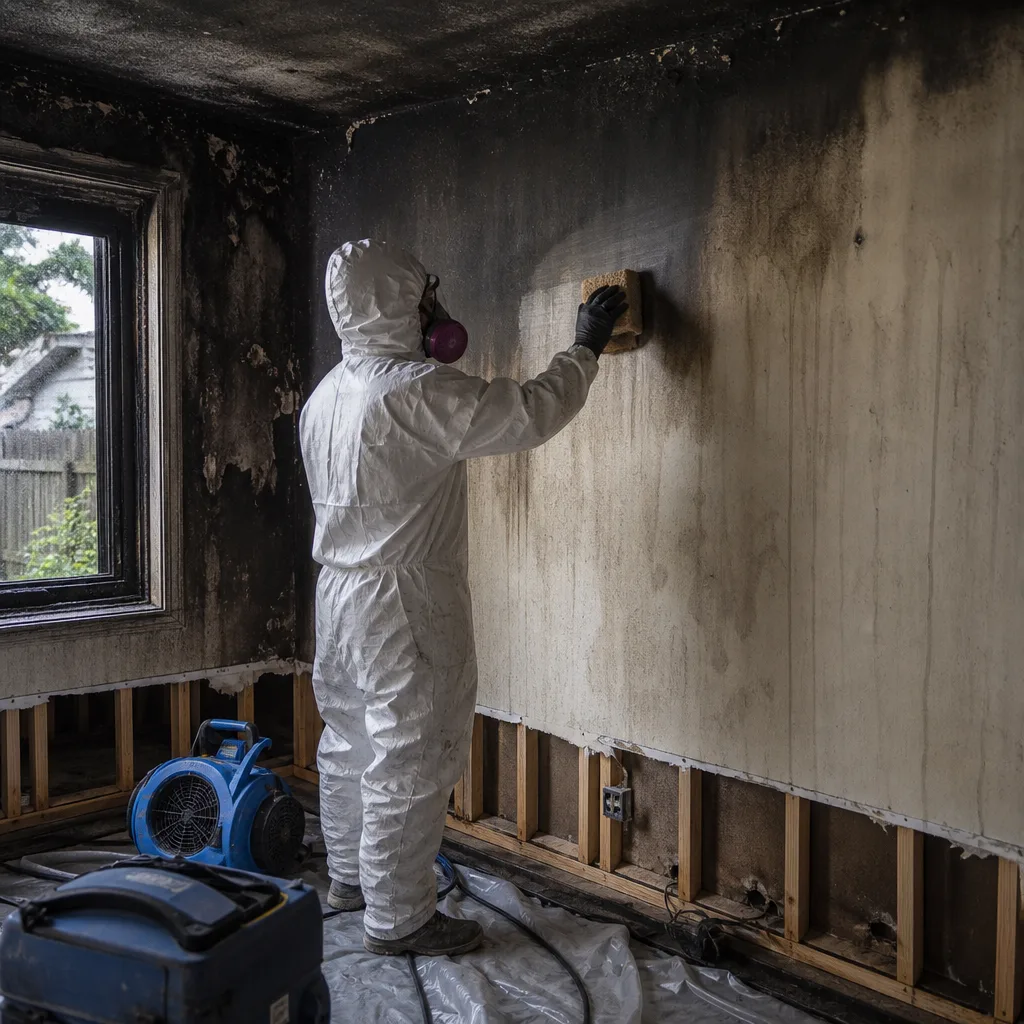
Ceiling & Roof Leak Water Damage
Santa Ana wind events damage roofing and flashing on Poway homes each fall, creating leak paths that may not show interior signs for days. By the time you see the stain, insulation is saturated and mold colonization has started. We scope for hidden damage, document the full affected area with photos, and specify whether insulation replacement is required per IICRC standards.
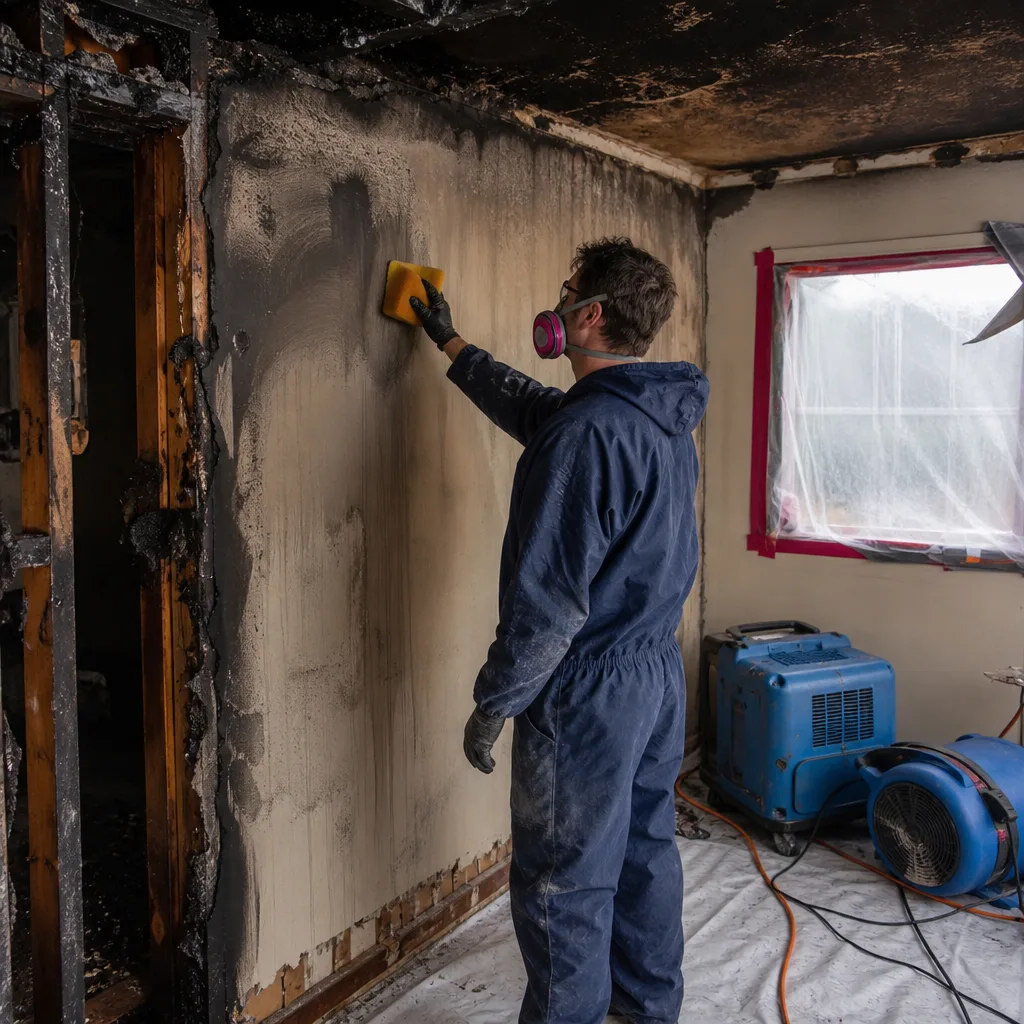
What happens when you call
- 1
A real person answersNo phone trees - you reach a local pro.
- 2
You get an upfront price rangeHonest numbers before anyone is dispatched.
- 3
A background-checked tech heads outLicensed & insured, dispatched right away.
- 4
You approve before work beginsNothing starts until you say go.
 Before
 After
AfterCommon Water Damage Restoration Problems We See in Poway Homes
- Corroded original plumbing in 1970s-1990s ranch homes. San Diego County’s hard water thins copper and corrodes galvanized supply lines from the inside. We regularly find pinhole leaks that sprayed inside wall cavities for weeks before breaking through. Moisture mapping catches the full extent.
- Smoke-drift-loaded attics complicating standard water jobs. Because Poway homes back directly onto open-space preserves, regional wildfire smoke - even from fires miles away - loads attic insulation and ductwork with fine ash and VOC-laden soot. A burst pipe in these homes means water damage plus pre-existing contamination. Skipping the duct assessment is a scope error we see in competitor estimates.
- Flash flooding and debris flow on canyon slopes. The first heavy rain after dry season pushes decomposed-granite runoff at properties below burned slopes. Water intrusion carries silt and ash, often triggering category 3 classification and requiring more extensive remediation than clean-water pipe failures.
- Contractors cutting drying cycles short on larger lots. A crew measures the visible ceiling stain, sets equipment for two days, and leaves. They never checked the 1970s copper-plumbed wall cavity 12 feet away where moisture migrated. Six weeks later, the homeowner calls us for mold remediation that should have been prevented.
Pricing for Water Damage Restoration in Poway, CA
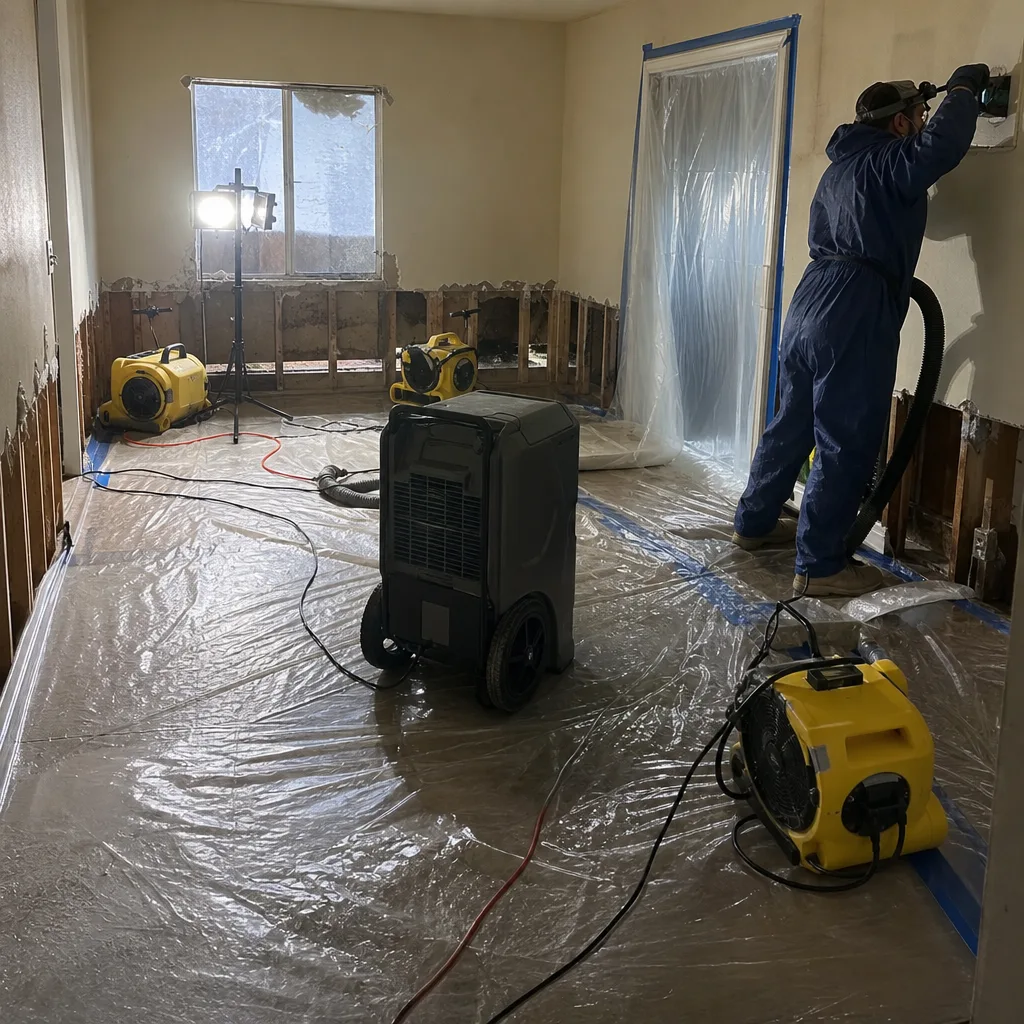
These are actual ranges for Poway’s market, based on jobs we’ve scoped and completed in the city. Every job is quoted in writing before work begins, with no scope-creep additions once the crew is inside - Haven Standard, Clause 1.
| Service | Typical Range in Poway |
|---|---|
| Emergency water extraction (up to 500 sq ft affected) | $1,200 - $2,400 |
| Structural drying & dehumidification (standard residential) | $3,200 - $5,800 |
| Full-service water damage restoration (extraction + drying + minor repairs) | $4,800 - $8,500 |
| Burst pipe restoration with wall cavity drying | $3,800 - $6,200 |
| Attic insulation & ductwork decontamination (smoke-drift properties) | $1,800 - $3,400 additional |
| Flood cleanup with debris/silt removal | $5,500 - $9,200 |
What moves a job toward the higher end: category 2 or 3 water classification, affected square footage over 800 sq ft, multiple levels, hardwood or tile flooring that requires longer drying cycles, and properties needing combined water and smoke-drift decontamination. What keeps costs controlled: fast extraction call (less water absorption), accurate moisture mapping that prevents over-drying or under-drying, and a written scope that captures everything in one trip. Free Second Opinion on any competitor’s written estimate - bring their quote and we’ll review it at no charge.
Call (619) 604-5535 for your written estimate. Estimates are free, and we deliver the price before anyone starts work.
We Also Serve Cities Near Poway
Our crews respond throughout eastern San Diego County from the same dispatch center that serves Poway. We regularly handle Water Damage Restoration in Poway and surrounding communities including Santee, Lakeside, La Mesa, and El Cajon. Each city’s housing stock and climate conditions shape how we scope - coastal La Mesa sees different moisture patterns than canyon-backed Poway, and we adjust accordingly.
Serving Poway, CA - Our Local Coverage Area
We’re based in the Poway area and know this community well. Use the map below to see our service coverage - if you’re nearby, we can almost certainly help.
FAQs - Water Damage Restoration in Poway
Because your home likely sits in the prevailing smoke drift path down from Blue Sky Ecological Reserve or Los Peñasquitos Canyon Preserve. Regional wildfires - even miles away - load attic insulation and forced-air ductwork with fine ash and VOC-laden soot that standard water extraction won’t remove. When a supply line bursts in these homes, the water disturbs that pre-existing contamination, and IICRC standards require addressing both. We scope for this on every canyon-edge property; skipping it means your HVAC system recirculates contaminated air after the drying is done. Call (619) 604-5535 and we’ll show you exactly what’s in your attic.
Mold colonization can begin within 24-48 hours of water intrusion in Poway’s warm inland climate, and 1970s-1990s ranch homes with original construction often have less vapor barrier protection than newer builds. The real risk isn’t just time - it’s incomplete drying. A contractor who measures only the visible stain and skips the adjacent wall cavity leaves moisture that supports mold growth for weeks. Our daily moisture logs document when every reading hits dry standard, not just when the equipment comes down. If you suspect hidden moisture, call (619) 604-5535 for thermal imaging before mold becomes a secondary claim.
Yes, and we regularly do on properties backing open-space preserves. The same canyon topography that funnels Santa Ana winds also means post-fire erosion and sudden water intrusion hit the same homes. Our crew on Espola Road last year handled exactly this: corroded copper supply line failure plus pre-existing wildfire ash contamination in attic insulation. We wrote one scope covering water extraction, structural drying, HEPA duct cleaning, and antimicrobial treatment - one trip, one written price, one documented record. Combined-scope jobs require heavier equipment loads and longer on-site time, which is why we plan dispatch specifically for Poway’s larger properties. Call (619) 604-5535 to discuss your situation.
Category 1 is clean water from a supply line - still time-sensitive, but lowest contamination risk. Category 2 is gray water with chemical or biological load, typically from appliance overflows or sump failures; it requires faster extraction and antimicrobial treatment. Category 3 is black water - sewage, flood runoff, or any water with significant pathogen risk; this triggers full PPE, containment, and often material removal per IICRC standards. In Poway, first-rain debris flows on canyon slopes frequently push category 2 toward category 3 due to silt and ash content. We classify correctly on arrival and document the basis in your written scope. Misclassification by a competitor is one of the most common reasons we provide Free Second Opinions - call (619) 604-5535.
Yes. San Diego County’s hard water accelerates corrosion in the original galvanized and early copper plumbing that dominates Poway’s 1970s-1990s housing stock. We see supply-line failures in homes where interior pipe walls have thinned to near-pinhole conditions, often with no warning signs visible to homeowners. The same hard water affects water heaters, angle stops, and refrigerator supply lines. If your home has original plumbing, we recommend documenting your shut-off valve location and considering proactive replacement during any restoration that opens walls - it’s often more cost-effective to replace adjacent lines while access is already established. Call (619) 604-5535 and we’ll assess your specific situation in writing.
Written by Alicia Brennan, Owner at Back to Dry Restoration, serving Poway and San Diego County since 2011.
Water Damage Restoration in Nearby Areas