
Free visual inspection and a written scope of work before any mitigation begins - photos, moisture readings, and drying logs go in your claim file
The scope we write is the scope we bill. Anything new gets shown to you, in writing, before we touch it.
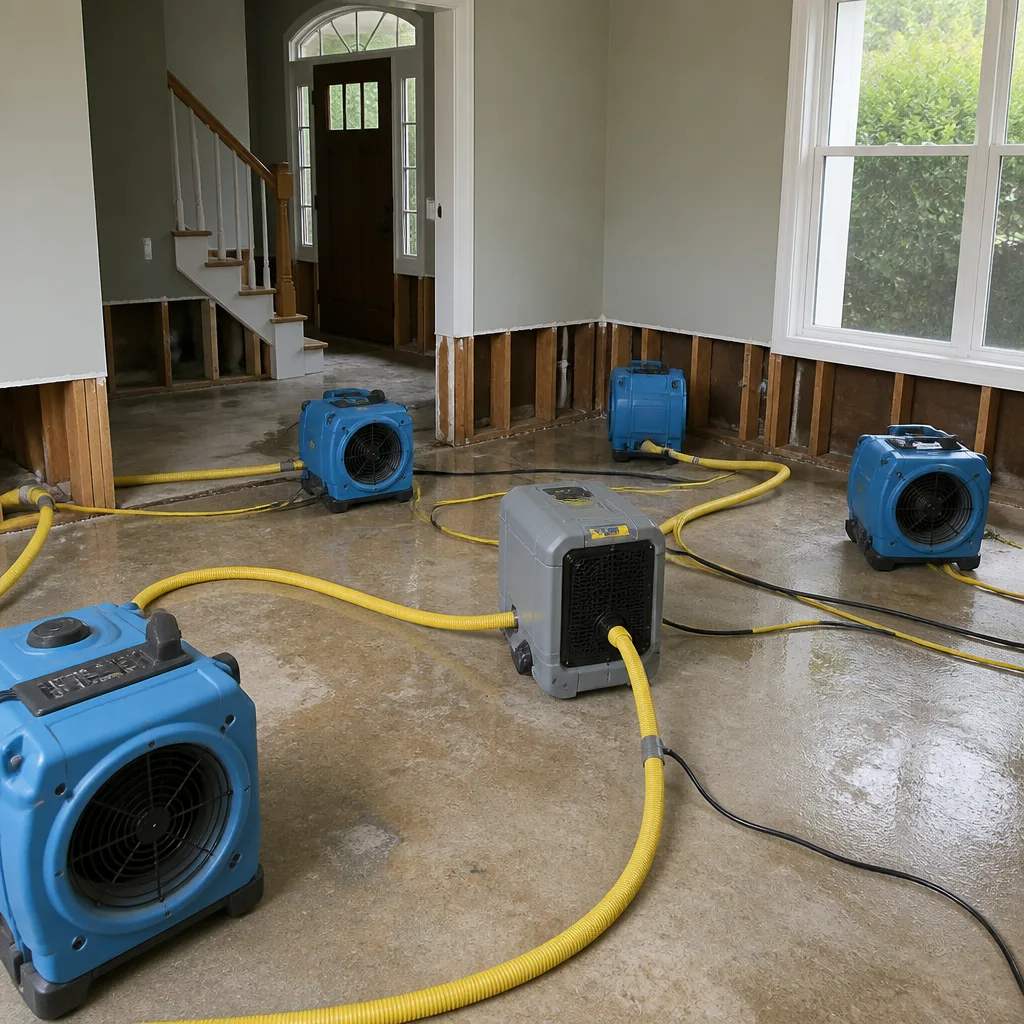
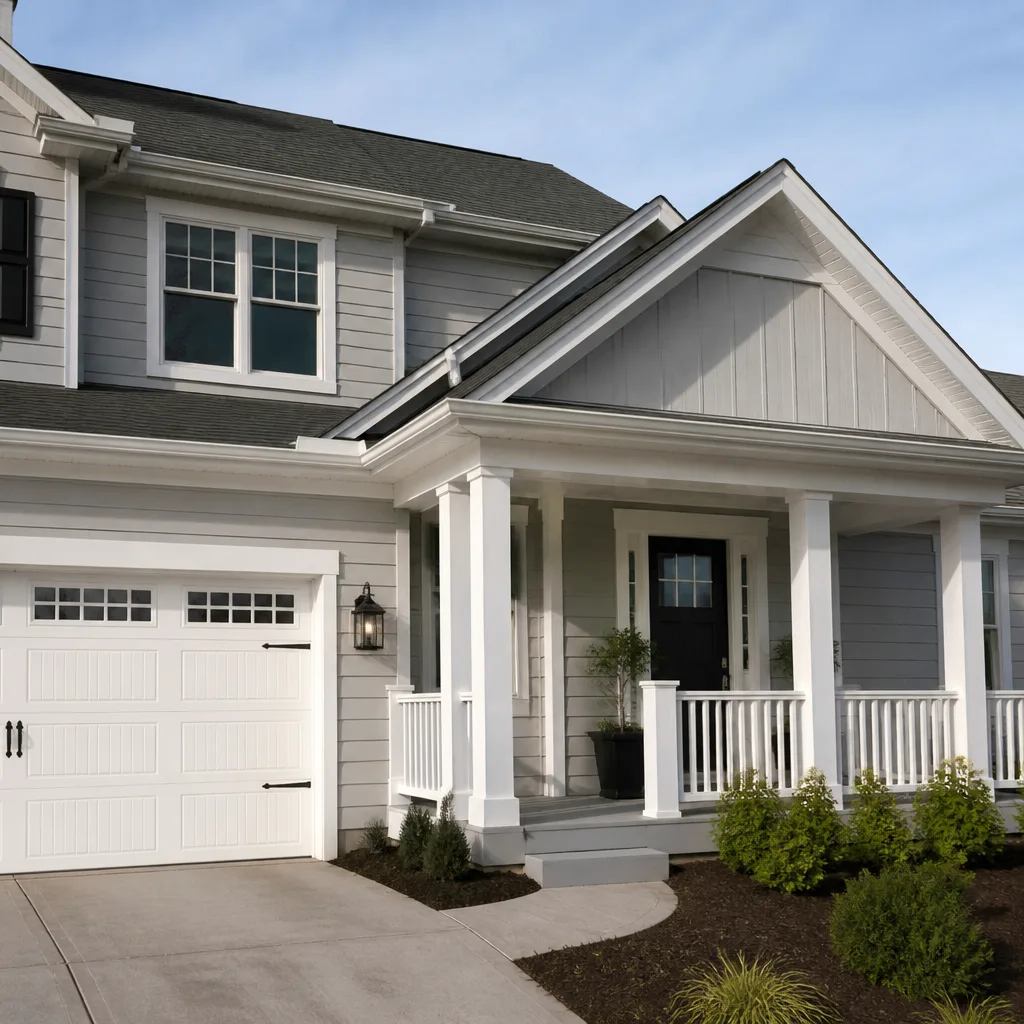
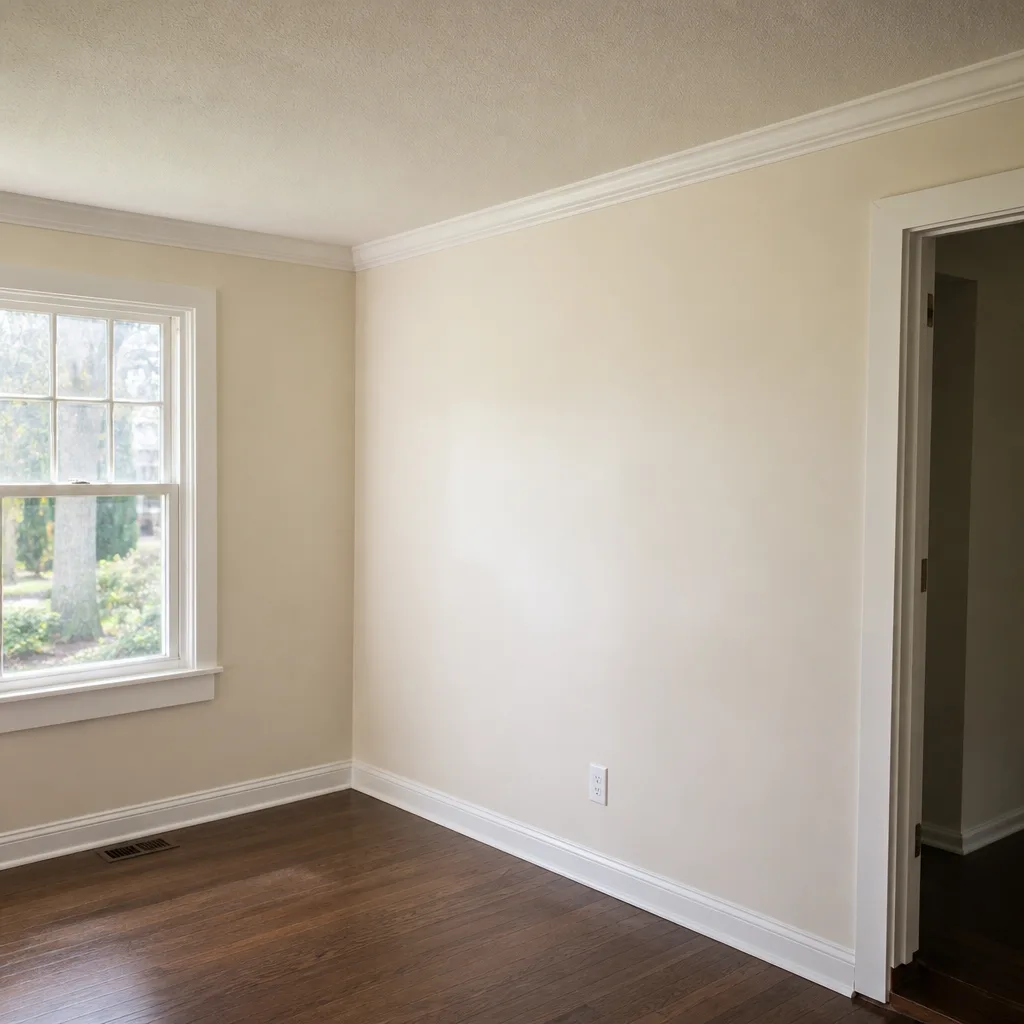
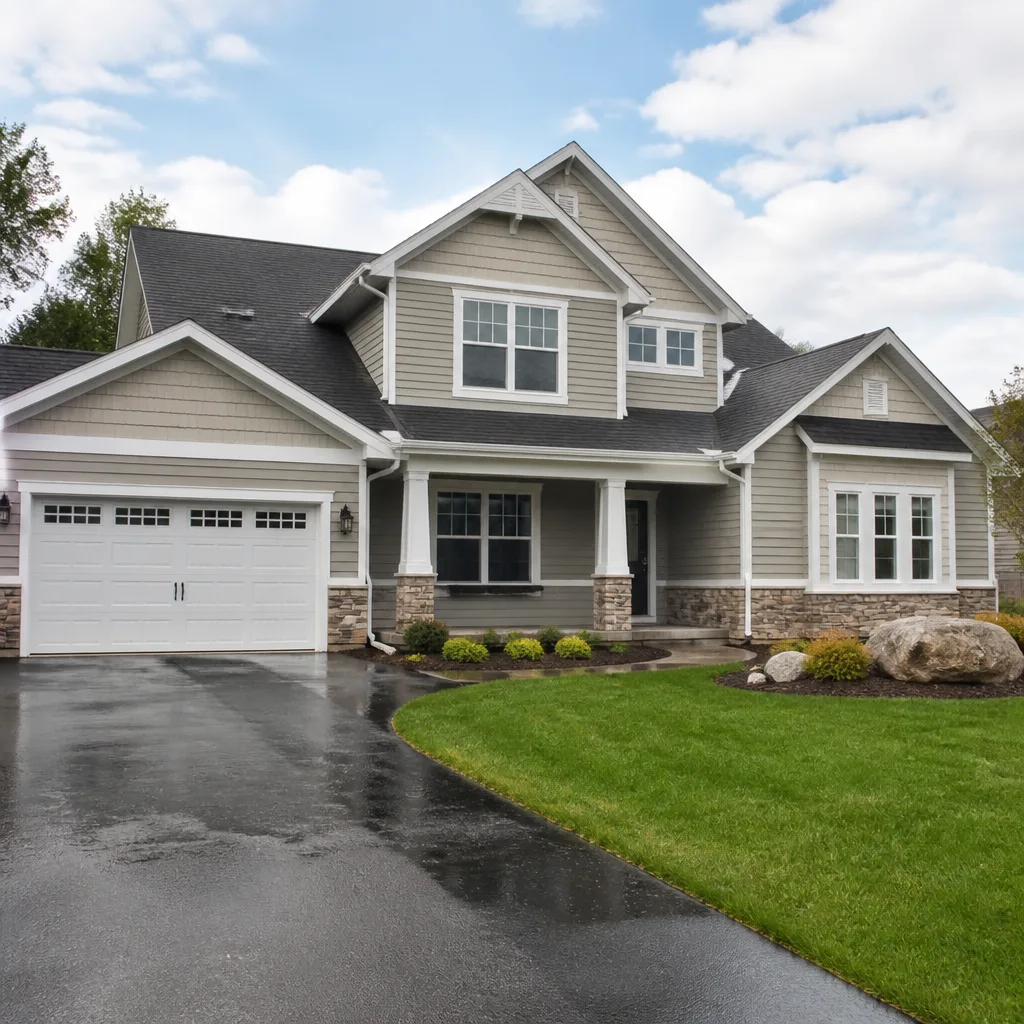
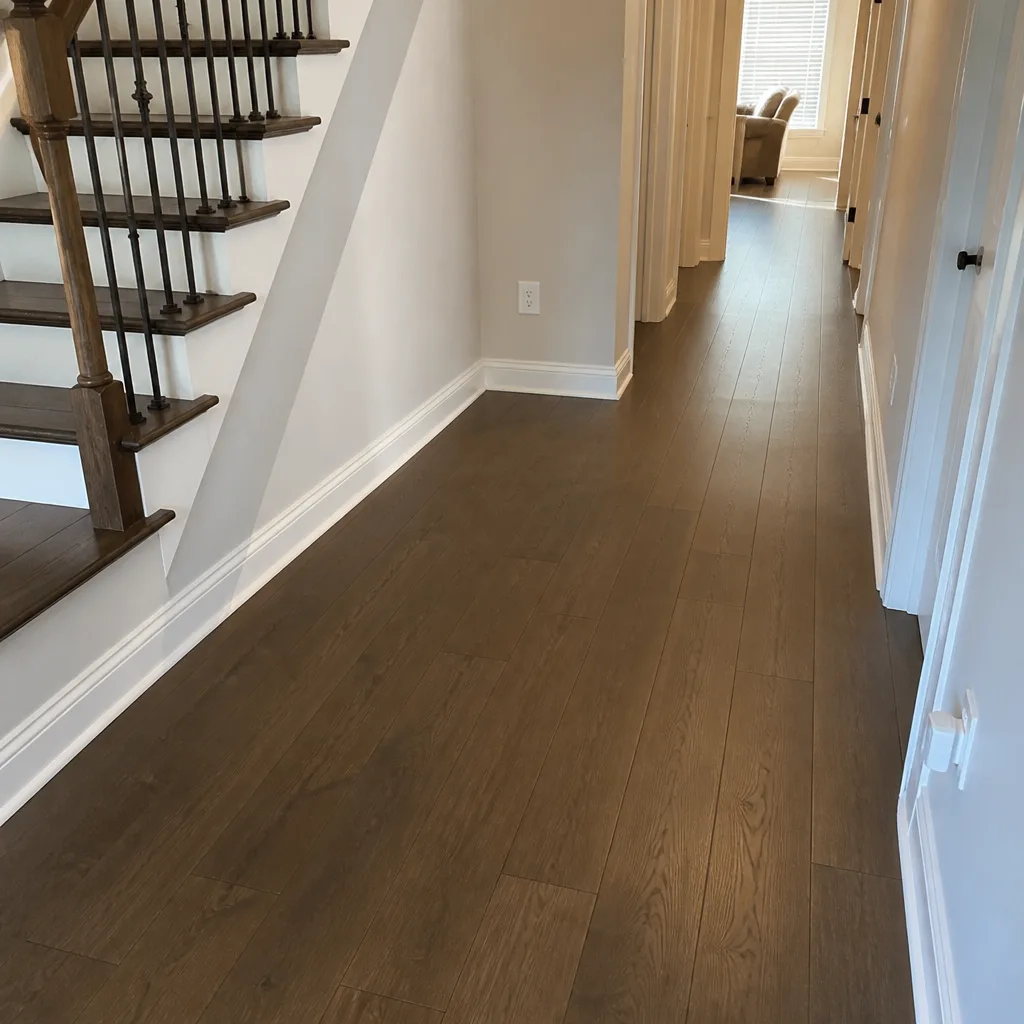
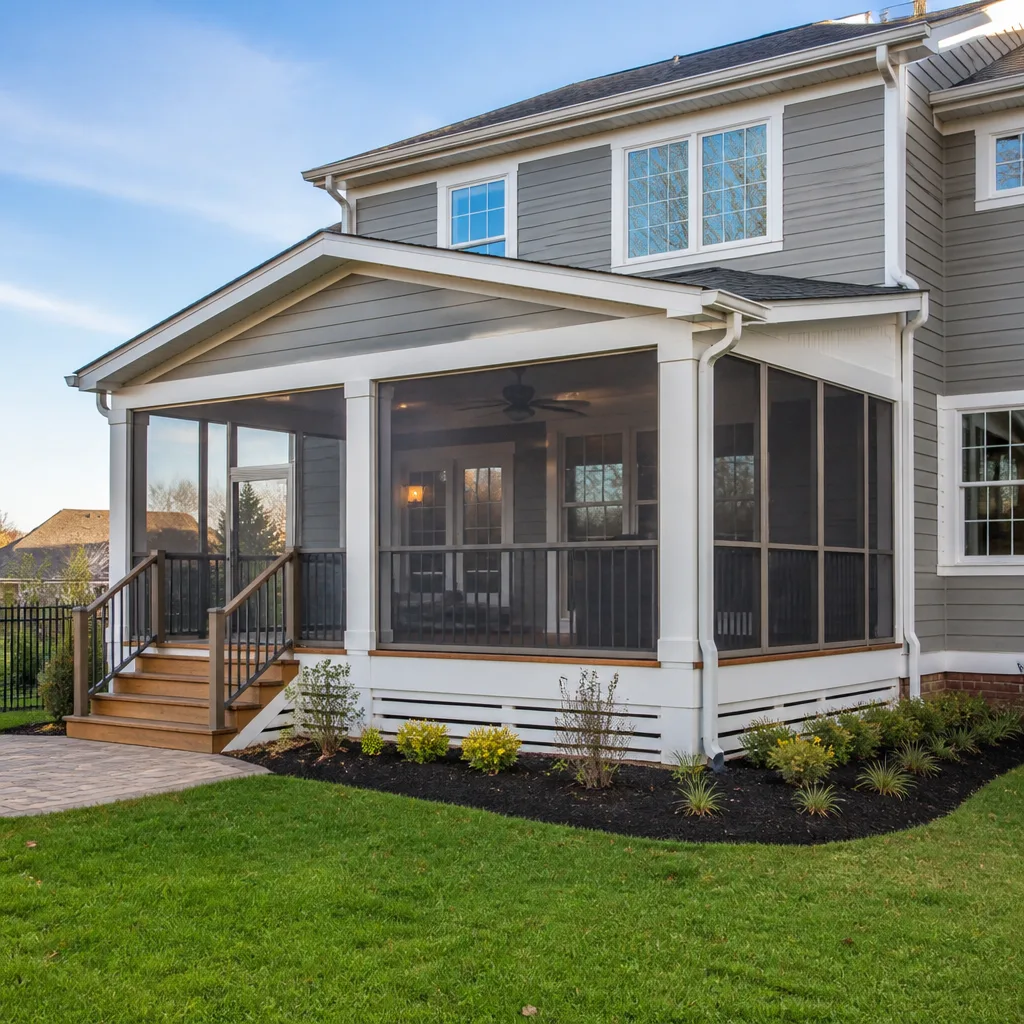
 Before
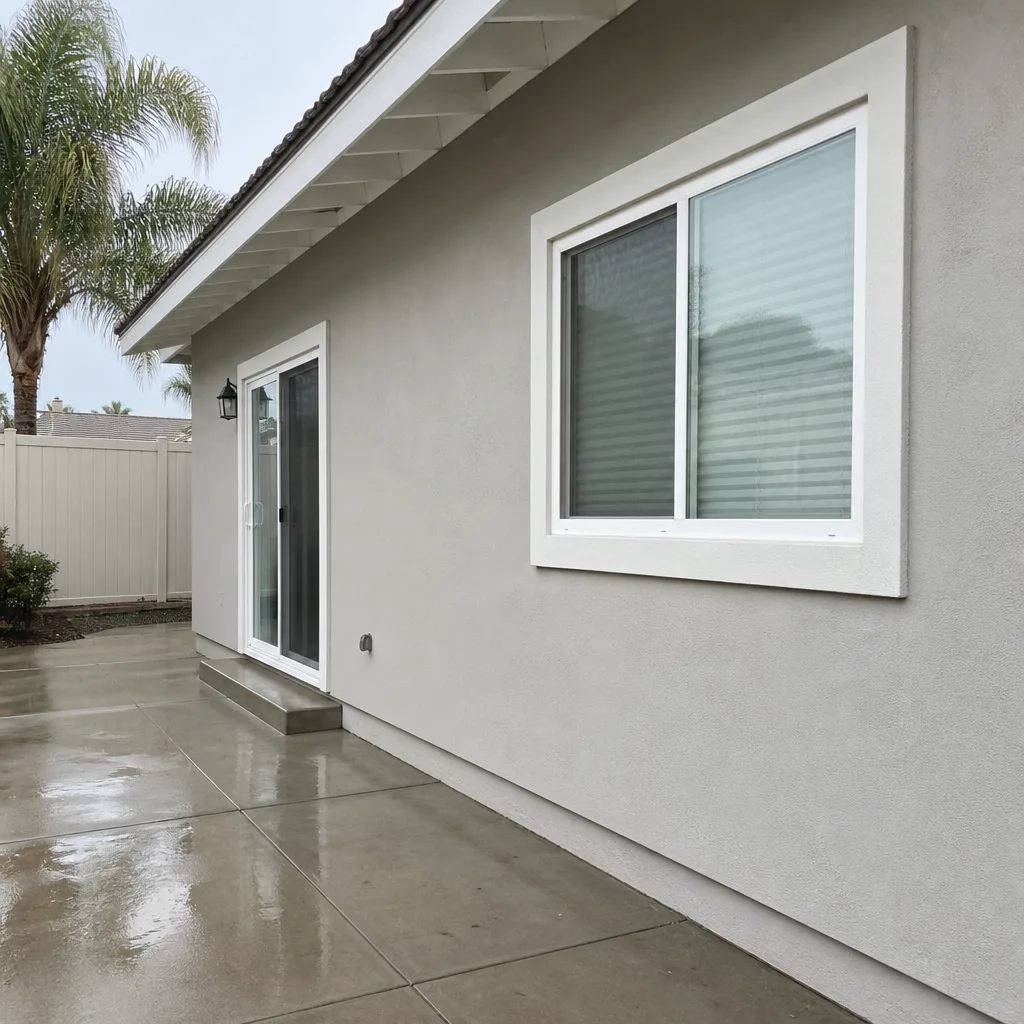 After
After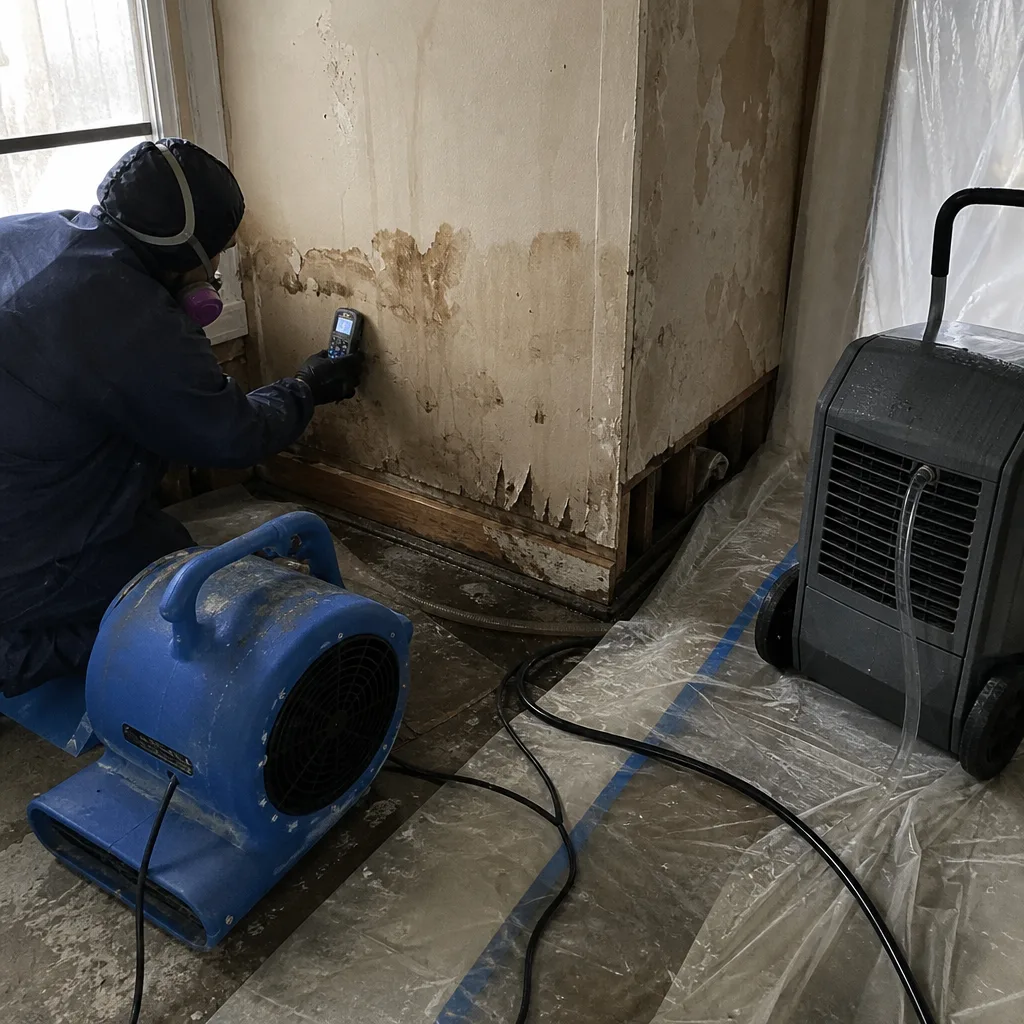 Before
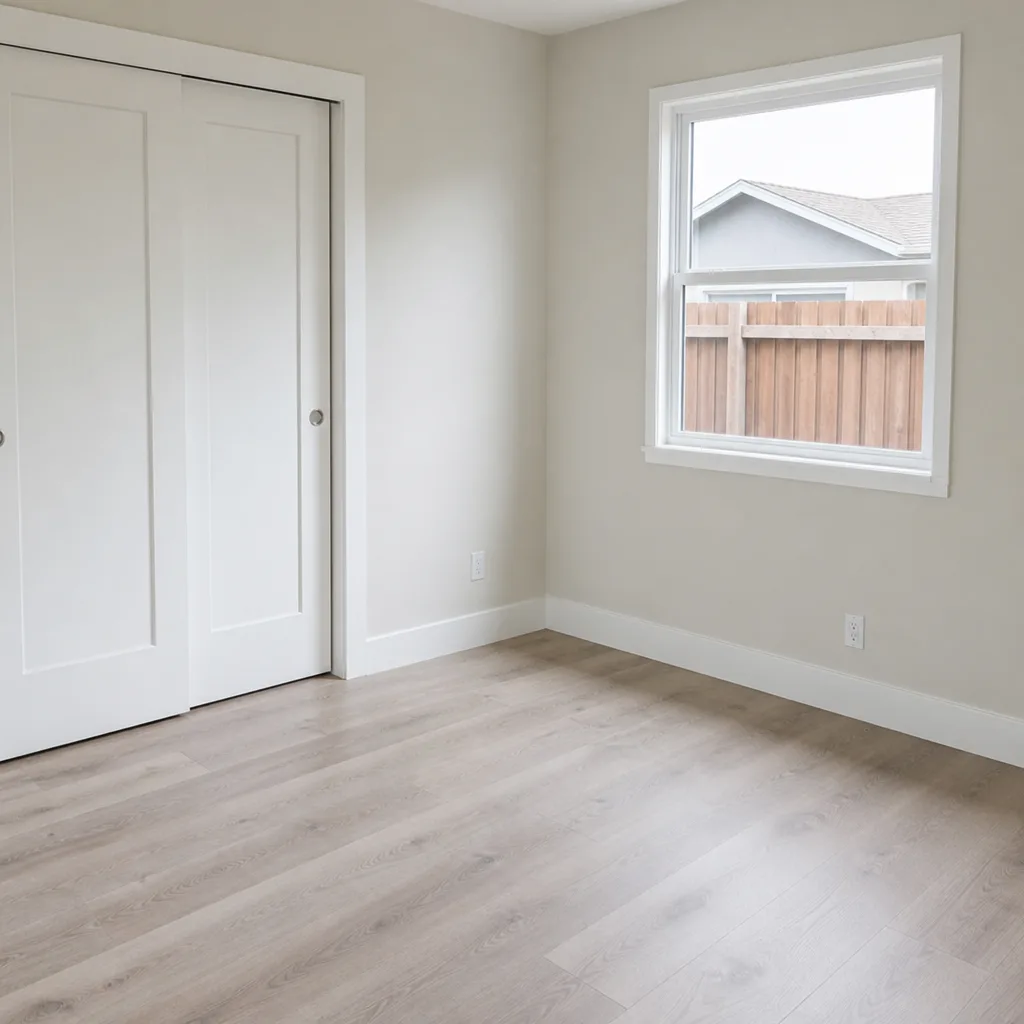 After
After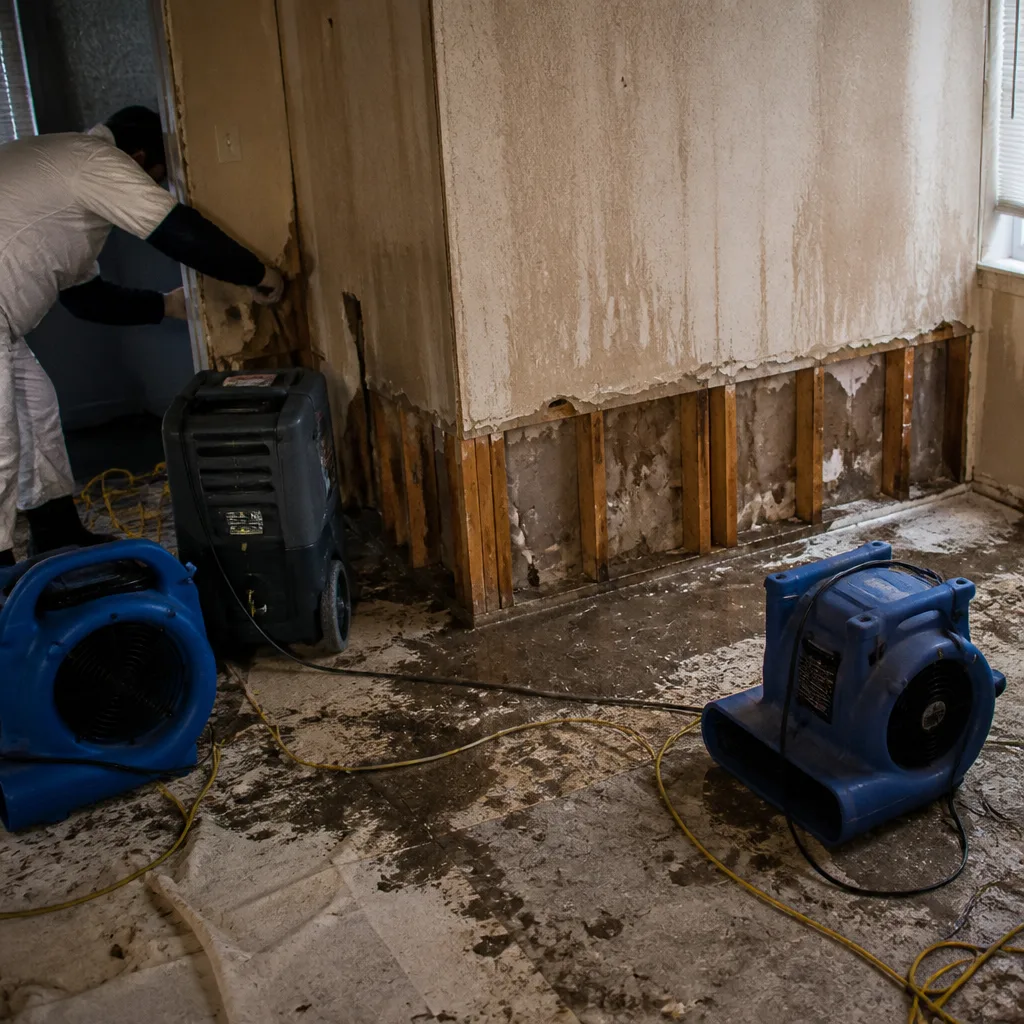 Before
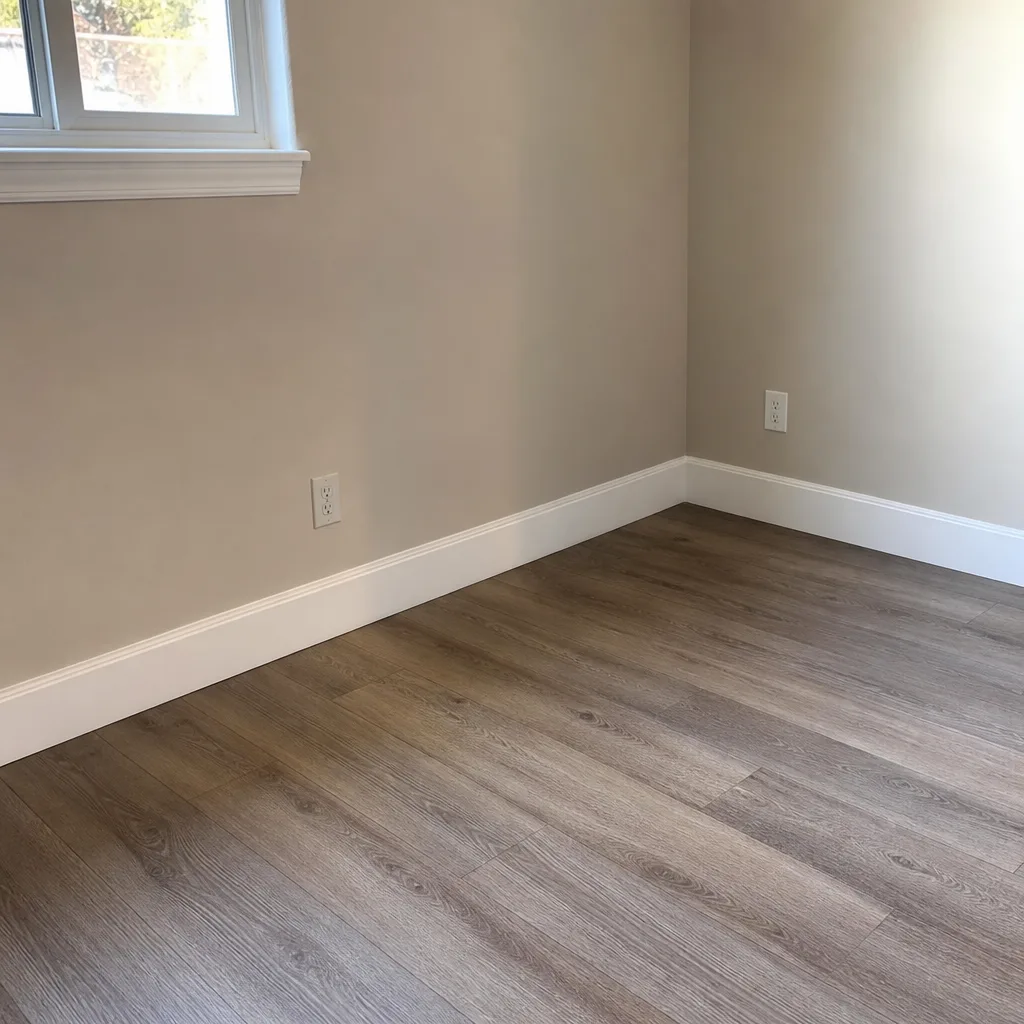 After
AfterFast, Reliable Water Damage Restoration Across Jamul
Water damage restoration in Jamul typically runs $2,800-$6,500 for a standard residential mitigation, with emergency water extraction starting at $1,200 and structural drying averaging $150-$250 per day depending on equipment count and square footage. Our crews are dispatched from our San Diego office and can be on-site anywhere in Jamul within 45-60 minutes of your call. We know the difference between a ranchette off Lyons Valley Road and a hillside property near Jamul Lake - and we know that the well pump, septic leach field, and rural access road all affect how fast we can stop the water and start the dry.
Call (619) 604-5535 now. A live person answers, 24 hours a day, 7 days a week. No voicemail while water is still moving through your walls.
Why DryMark Restoration Santee Is Jamul’s Preferred Water Damage Restoration Company
We’ve restored water damage in Jamul’s custom ranchettes since 2011, and our file on this backcountry market is thick. Alicia Brennan built Back to Dry around the documentation gap that costs homeowners their insurance claims - the missing moisture readings, the absent drying logs, the scope-creep invoices that adjusters reject. In Jamul, that precision matters double because most losses here involve coordination with San Diego County Department of Environmental Health for septic-related contamination, and out-of-area crews routinely fumble that paperwork.
Our Jamul customers get the same deliverable every time: a written price before any work starts (Haven Standard, Clause 1), a photo record on every visit, and daily psychrometric logs that translate into payable claims. We’ve restored 12,000+ homes since 2011, every one documented to IICRC standards. Our technicians are background-checked, uniformed, and licensed - named individuals, not day-labor dispatch.
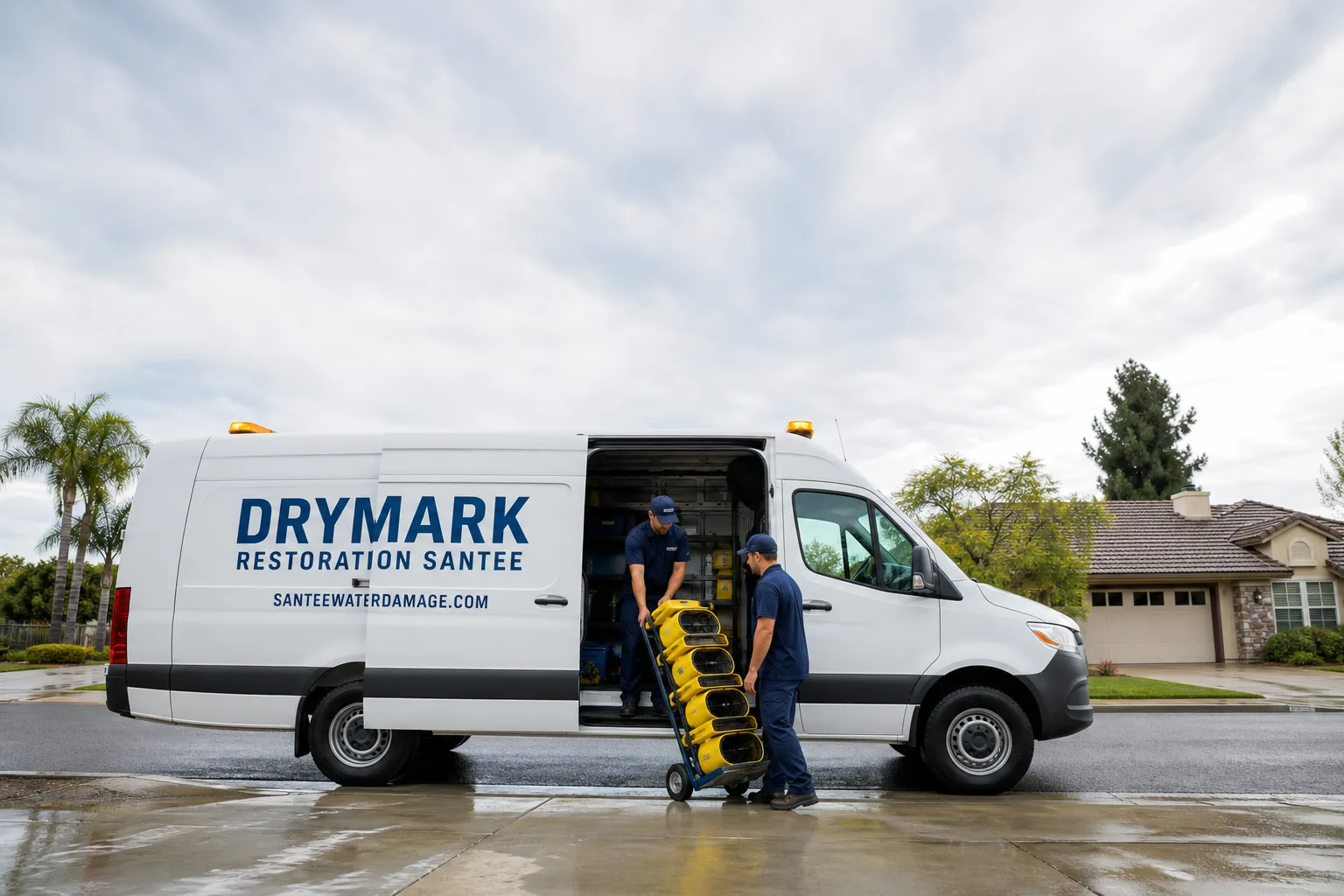
Response time to Jamul averages under an hour because we stage equipment for rural access and coordinate septic assessments in advance when Category 3 water is suspected. We don’t guess at rural infrastructure. We map it.
Our Water Damage Restoration Services in Jamul
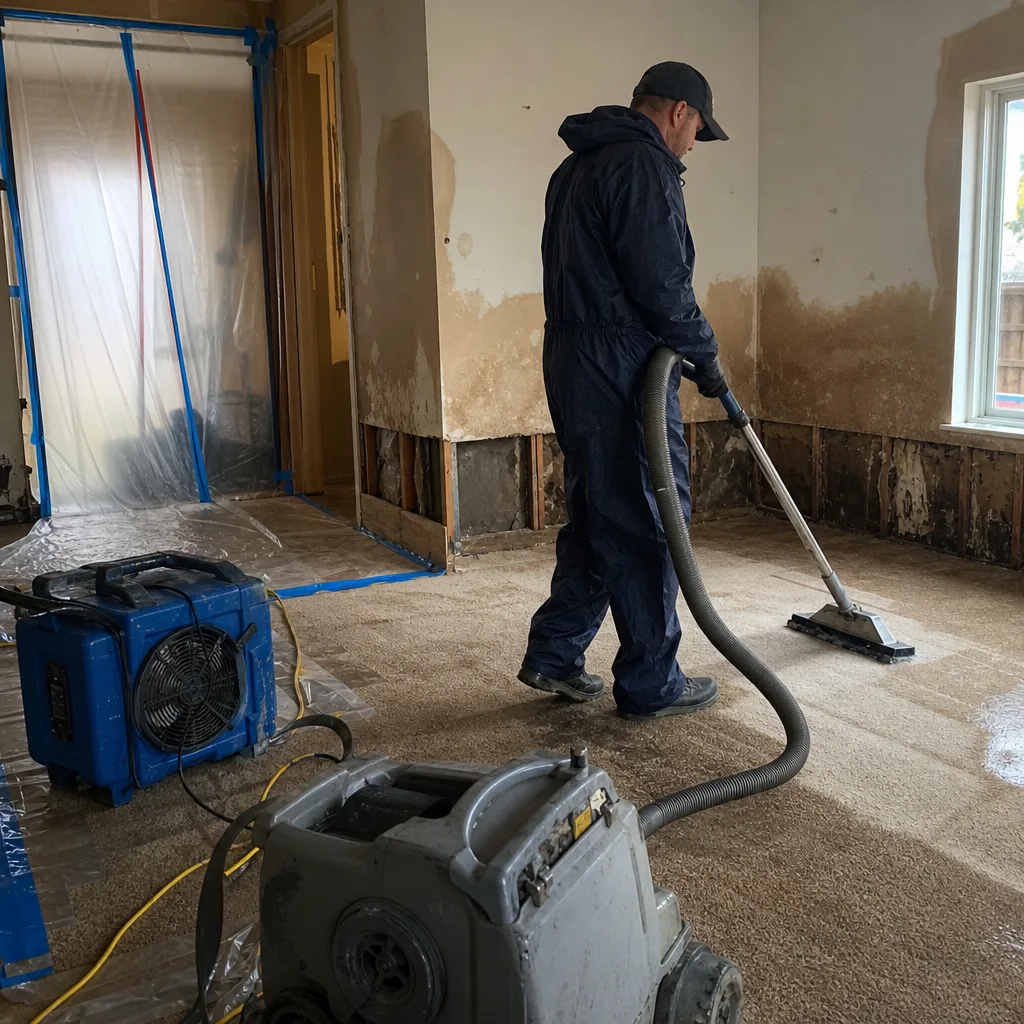
Emergency Water Extraction
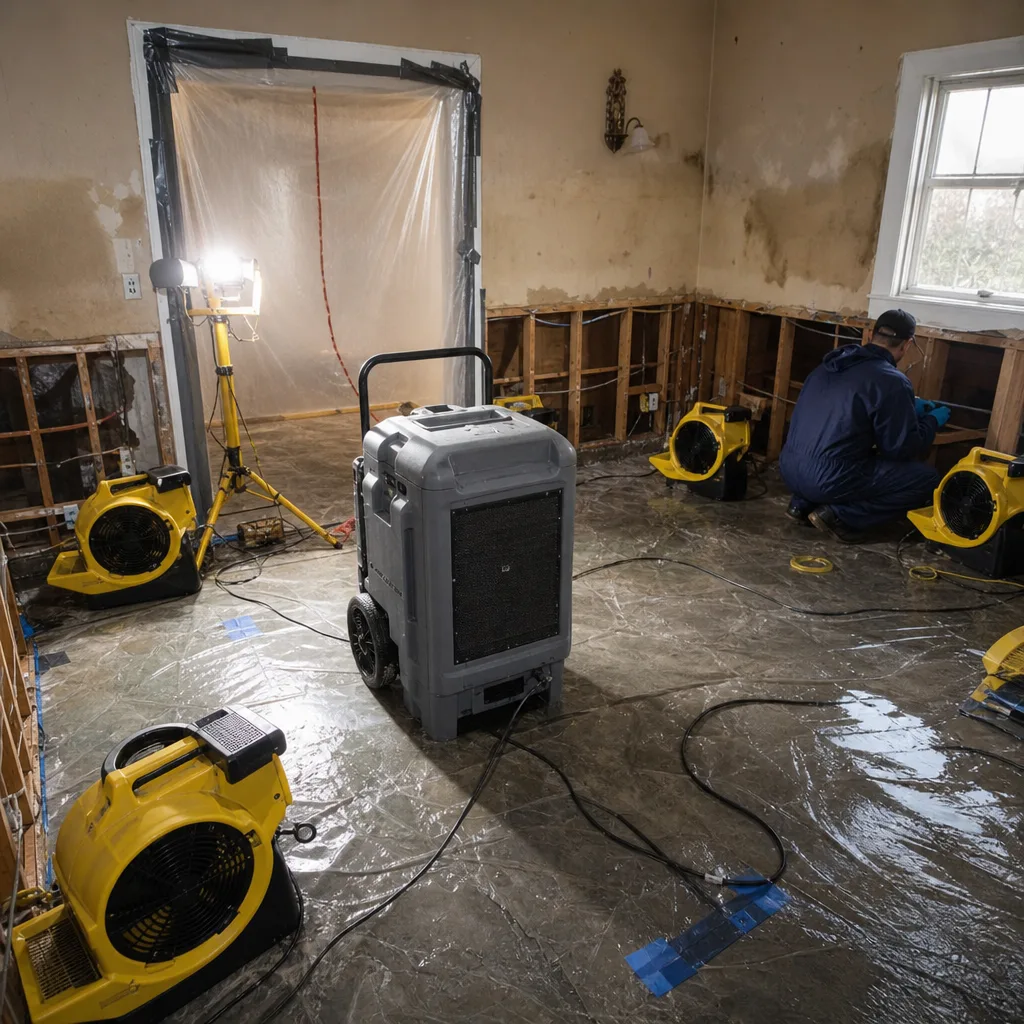
When a water loss hits a Jamul property, speed is measured in hours, not days. Our emergency water extraction teams deploy truck-mounted extraction systems and portable flood pumper units from B-Air and XPOWER to remove standing water from slab, crawlspace, or hillside foundation configurations. We extract first, then moisture-map - because in Jamul’s 1970s-1990s wood-frame ranchettes, water travels through wall cavities and under flooring far beyond the visible pool. Every extraction job gets a written scope and photo record before equipment is plugged in.
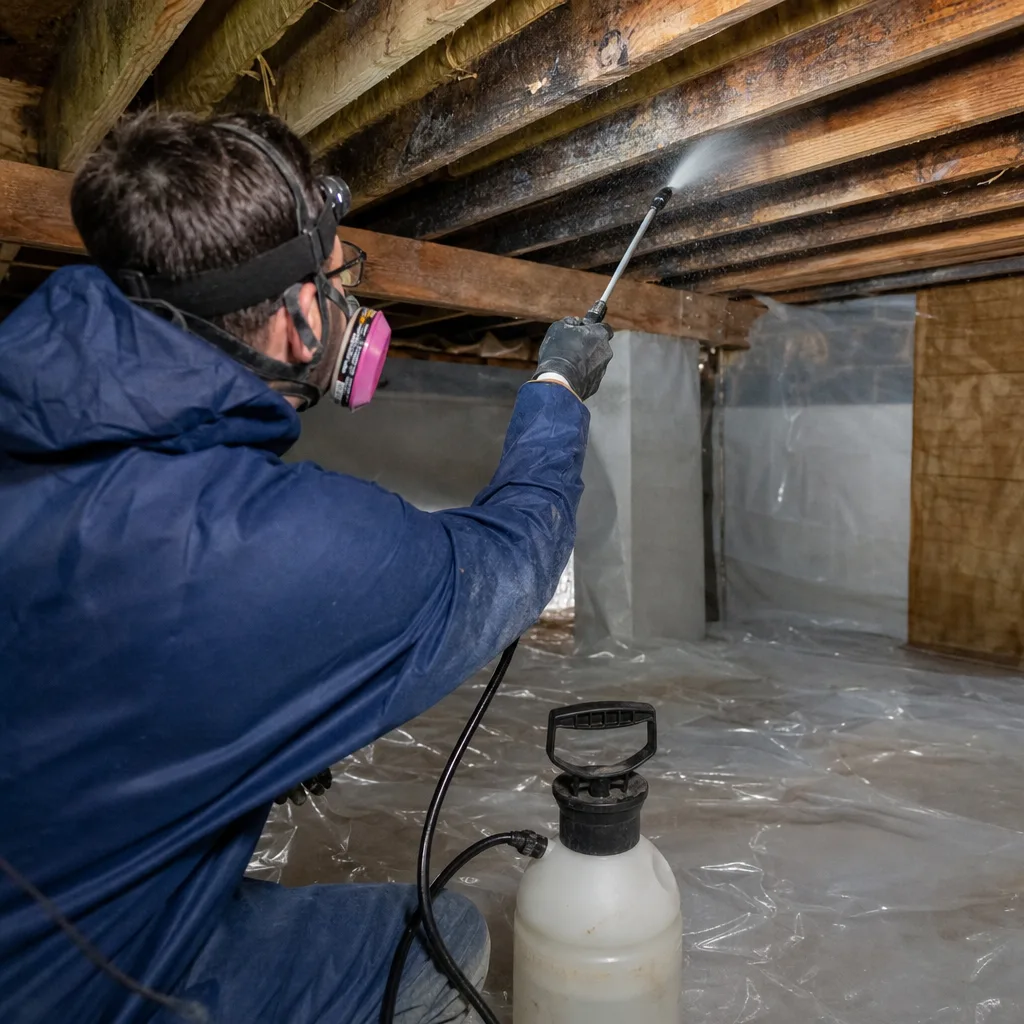
Structural Drying & Dehumidification
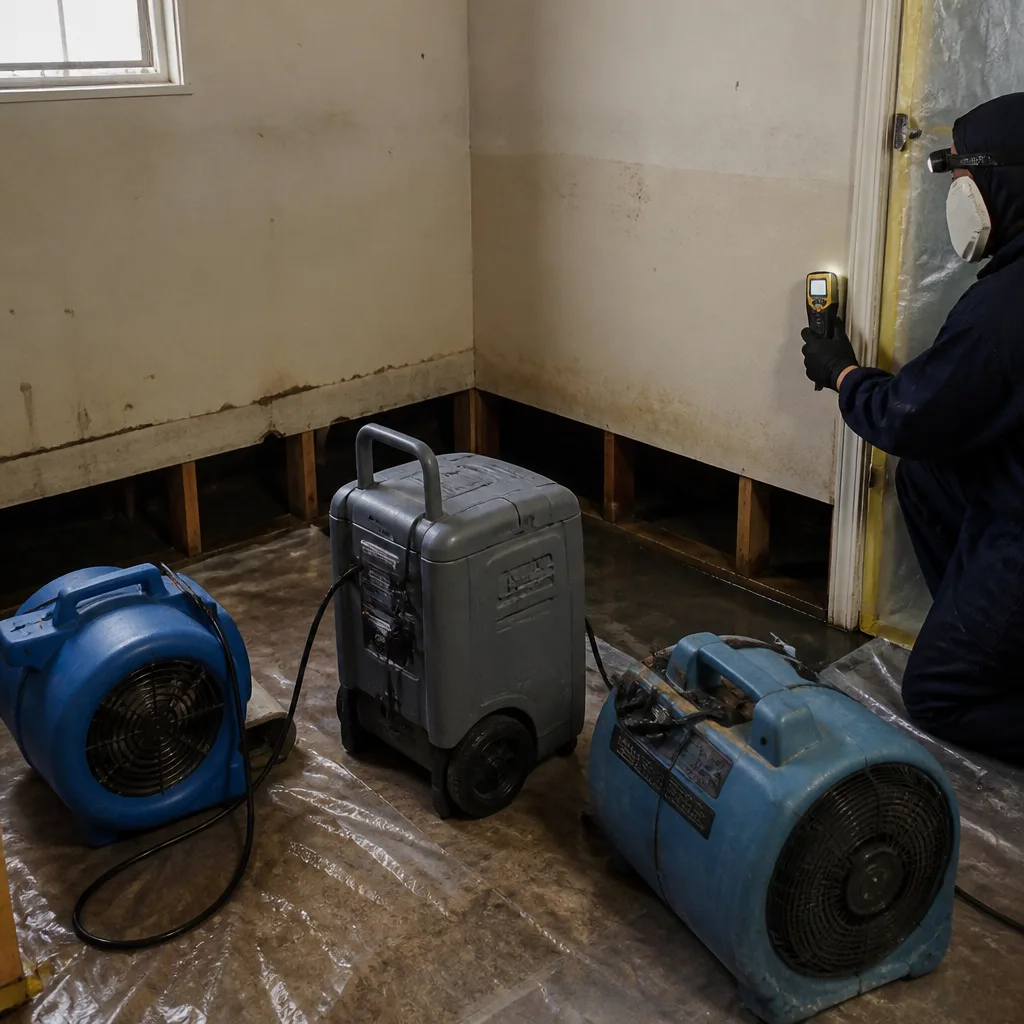
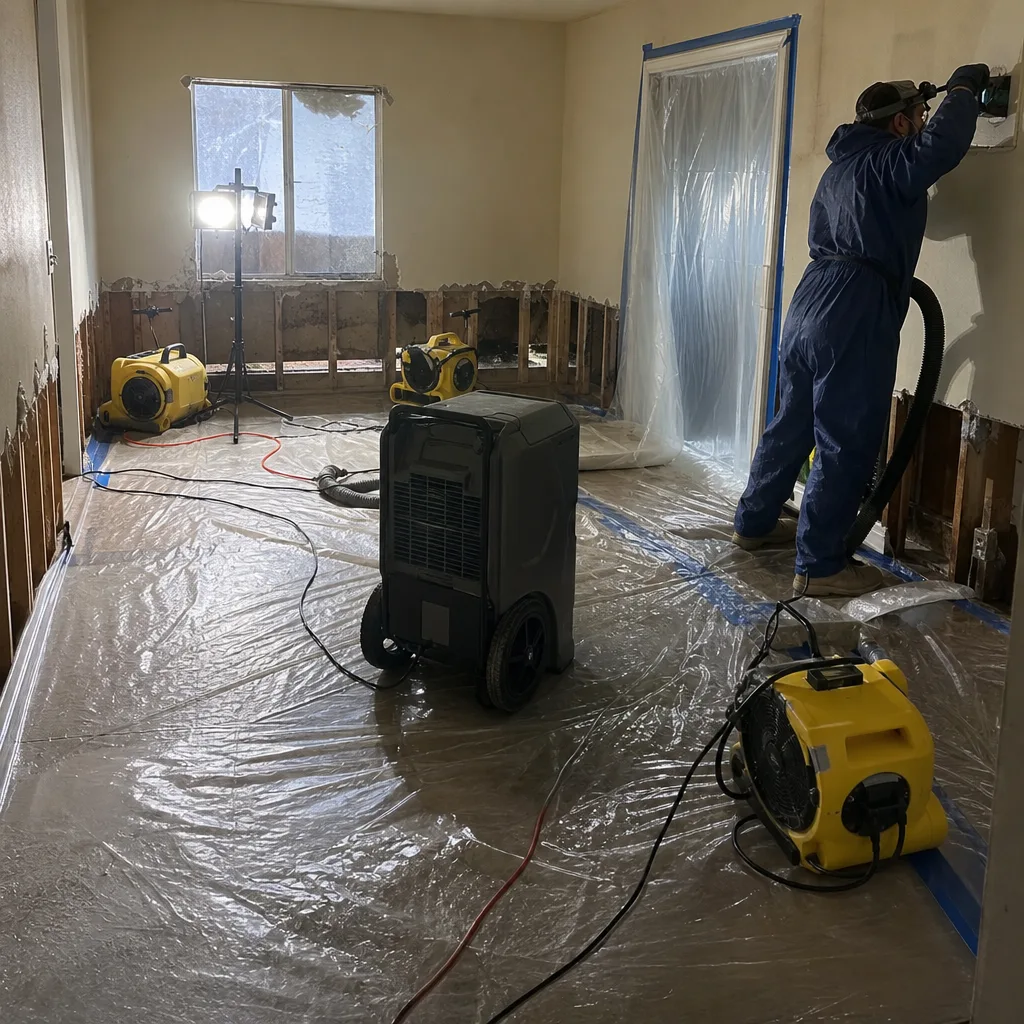
Structural drying in Jamul requires more than parking a dehumidifier in the living room. Our crews calculate vapor pressure differential - the force that drives moisture out of wet materials into drier air - then deploy Injectidry cavity-drying systems and commercial LGR dehumidifiers to pull bound water from framing, subfloors, and insulation. Daily moisture readings are logged to IICRC S500 standards, producing the documentation your adjuster needs to approve the invoice. Tertiary drying, the final phase where materials reach equilibrium moisture content, is when most crews pack up and leave; we stay until the numbers prove the structure is dry.
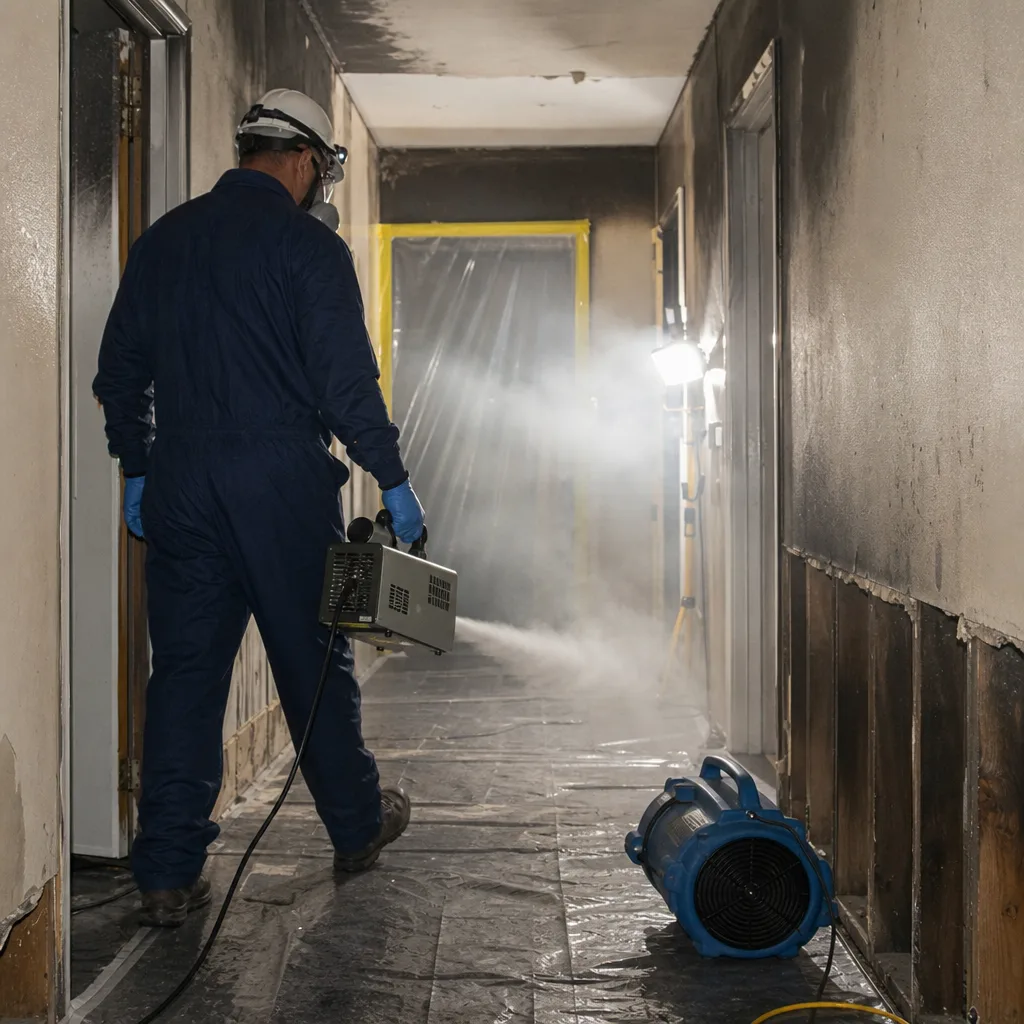
Flood Cleanup
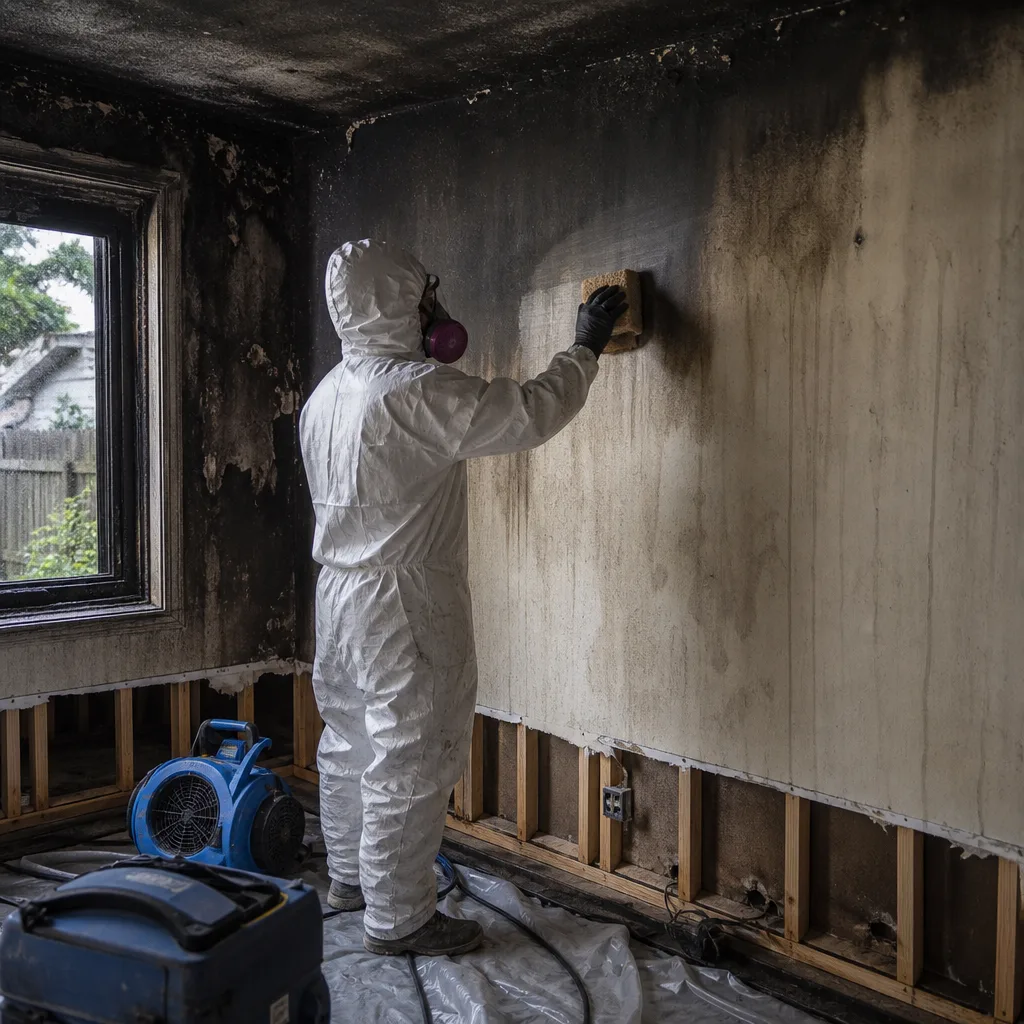
Jamul floods differently than coastal San Diego. Flash runoff from chaparral hillsides carries sediment, ash, and organic debris into homes, and properties on septic systems face Category 3 classification the moment floodwater contacts the leach field. Our flood cleanup protocols include contamination assessment, antimicrobial treatment of affected framing, and mandatory coordination with county environmental health when septic systems are compromised. We don’t call a job clean until the moisture readings and the health clearance both come back clear.
Burst Pipe Restoration
Jamul’s winter freeze season is real, and it’s getting harder on older rural plumbing. Exposed lines on well-fed outbuildings, under-insulated crawlspaces in pre-2000 builds, and pressure tanks in unheated utility sheds all burst when overnight temps drop below 28°F - something that happens in Jamul’s inland foothill elevation but never touches coastal properties. Our burst pipe restoration includes full moisture mapping of the migration path, because water from a frozen line often runs for hours before the homeowner discovers it. We coordinate with your plumber on well system isolation so mitigation doesn’t stall waiting for water pressure restoration.
What happens when you call
- 1
A real person answersNo phone trees - you reach a local pro.
- 2
You get an upfront price rangeHonest numbers before anyone is dispatched.
- 3
A background-checked tech heads outLicensed & insured, dispatched right away.
- 4
You approve before work beginsNothing starts until you say go.
 Before
 After
AfterCommon Water Damage Restoration Problems We See in Jamul Homes
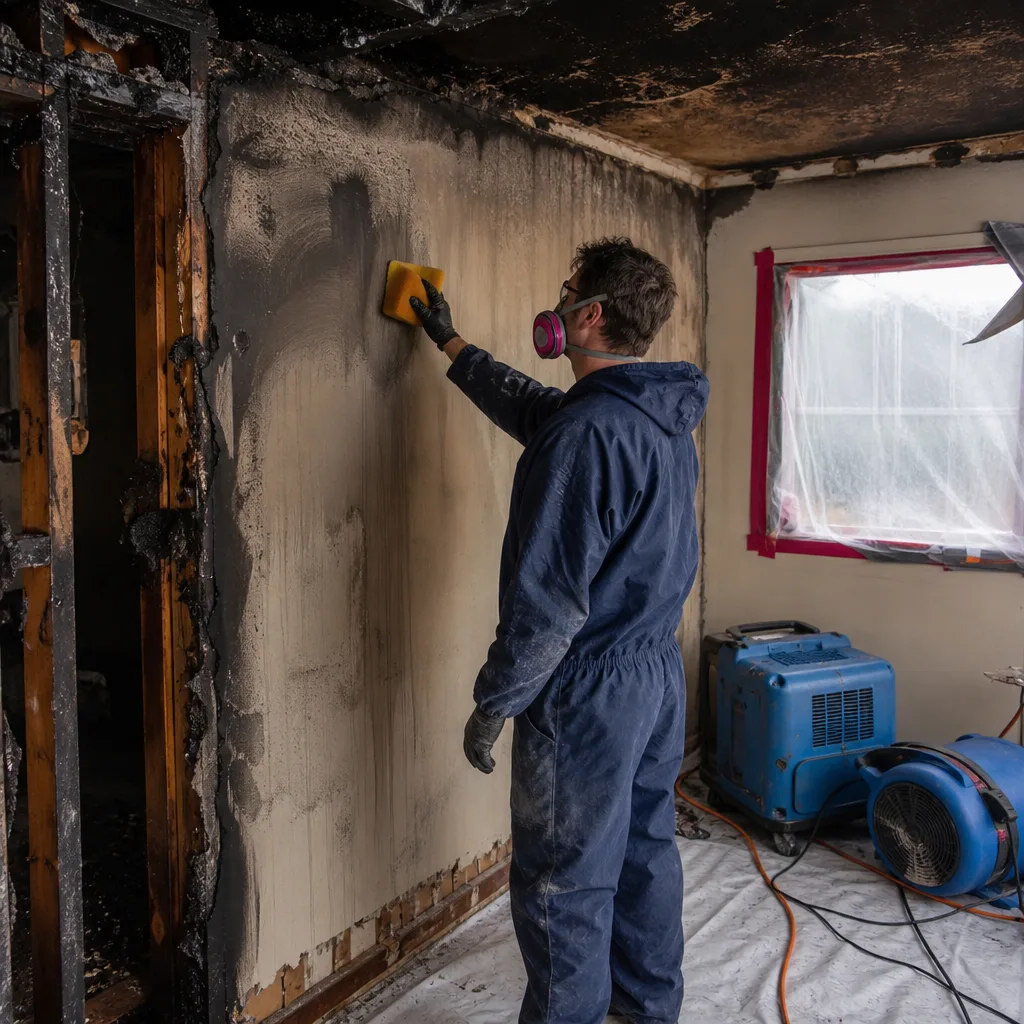
- Post-fire water intrusion from firefighting operations. The Harris Fire corridor burns again and again, and when Cal Fire drops retardant or tanker water to protect a Jamul ranchette, that water penetrates attics and wall cavities through legacy venting that predates ember-resistant code. We find saturated insulation and char-stained framing months later, with mold already established.
- Winter freeze bursts on private well systems. Jamul’s elevation produces overnight freezes that coastal San Diego never sees. Exposed PVC or copper on well-fed outbuildings cracks, pressure tanks split, and water runs until the well pump cycles out or the homeowner shuts the breaker. The damage is always worse than it first appears.
- Septic system backflow during heavy rain or flood events. Without municipal sewer, Jamul properties face Category 3 black water classification when septic systems overwhelm. This triggers county health coordination that out-of-area crews miss, delaying remediation past the 24-48 hour mold window.
- Underestimated moisture migration in un-compartmentalized legacy builds. Pre-2000 Jamul homes lack the fire-resistant compartmentalization of newer code construction. Water and smoke move freely through shared attics, open crawlspaces, and unsealed wall cavities. Surface drying misses the hidden load.
Pricing for Water Damage Restoration in Jamul, CA
Water damage restoration pricing in Jamul reflects rural access, well-and-septic coordination, and the deeper infiltration patterns typical of legacy construction. Here’s what we see in this market:
- Emergency water extraction: $1,200-$2,400
- Structural drying & dehumidification: $150-$250 per day, typically 3-7 days
- Flood cleanup (Category 3, septic-involved): $4,500-$8,500
- Burst pipe restoration with full moisture mapping: $2,800-$5,200
- Antimicrobial treatment and cavity drying: $800-$1,600
Every job is quoted in writing before work begins, Haven Standard, Clause 1. No scope-creep additions once our crew is inside your property. Bring a competitor’s written estimate and we’ll review it free - our Second Opinion program. Call (619) 604-5535 for exact pricing on your specific loss.
We Also Serve Cities Near Jamul
Our Water Damage Restoration crews serve Jamul and the surrounding foothill communities daily, including El Cajon, Spring Valley, La Mesa, and Lakeside. Each market gets the same documentation standard, but the local conditions differ: urban sewer connections in Spring Valley, tighter lot lines in La Mesa, different fire zone classifications in Lakeside. We adjust the protocol to the property, not the other way around.
Serving Jamul, CA - Our Local Coverage Area
We’re based in the Jamul area and know this community well. Use the map below to see our service coverage - if you’re nearby, we can almost certainly help.
FAQs - Water Damage Restoration in Jamul
Jamul’s private well and septic infrastructure adds mandatory coordination steps that Chula Vista’s municipal water and sewer systems eliminate. When Category 3 water contacts a septic leach field, San Diego County Department of Environmental Health requires contamination assessment and clearance documentation before full reconstruction begins - a regulatory layer that adds 2-4 days to jobs that would be straightforward in urbanized communities. Call (619) 604-5535 and we’ll walk you through the timeline for your specific property.
Yes. Jamul’s inland foothill elevation drops overnight winter temperatures below 28°F several nights each year, freezing exposed plumbing on private wells and outbuildings that coastal San Diego never experiences. We responded to a 1980s wood-frame ranchette off Proctor Valley Road where a frozen exposed line on a well-fed utility outbuilding had let loose overnight and soaked the crawlspace and a wall cavity. Our tech pulled moisture mapping and moisture readings across the whole slab, ran air movers and dehumidification to dry the framing, then ran antimicrobial treatment on the affected framing while we documented everything into a drying log for the homeowner’s carrier. The well pump and pressure tank couldn’t be touched until the plumber isolated the system, so we coordinated that in parallel so mitigation didn’t stall.
Firefighting water is one of Jamul’s most underestimated damage sources. Retardant drops and tanker water penetrate through legacy venting and roofing materials that predate California’s post-2000 wildfire-resistant building code, saturating attics and wall cavities that homeowners don’t think to check. The water is often Category 2 or 3 by the time it reaches interior framing, and the combination of moisture plus ash residue accelerates mold colonization. We moisture-map fire-affected structures as standard practice, not as an upsell. Call (619) 604-5535 for post-fire water assessment.
Mold colonization begins 24-48 hours after water intrusion in Jamul’s warm inland climate, same as most of Southern California - but Jamul’s two distinct water-damage seasons (post-fire intrusion and winter pipe bursts) often catch homeowners off-guard when they’re focused on the primary emergency. The 24-48 hour window is why we dispatch to Jamul within an hour and why we coordinate well and septic assessments in parallel rather than sequentially. Delays from out-of-area crews who don’t understand rural infrastructure routinely push Jamul jobs past that window.
We dry what can be dried to IICRC salvageability standards and remove what can’t, with the distinction documented in your written scope before work starts. In Jamul’s legacy ranchettes, we often find that porous materials like untreated subfloors, older insulation, and water-stained drywall have already exceeded salvageable moisture content by the time we’re called - especially in Category 3 septic-involved losses. We don’t guess. We measure, document the readings, and show you the numbers before recommending removal. Haven Standard, Clause 1: written price before work begins, every time.
Written by Alicia Brennan, Owner at Back to Dry Restoration, serving Jamul since 2011.
Water Damage Restoration in Nearby Areas