
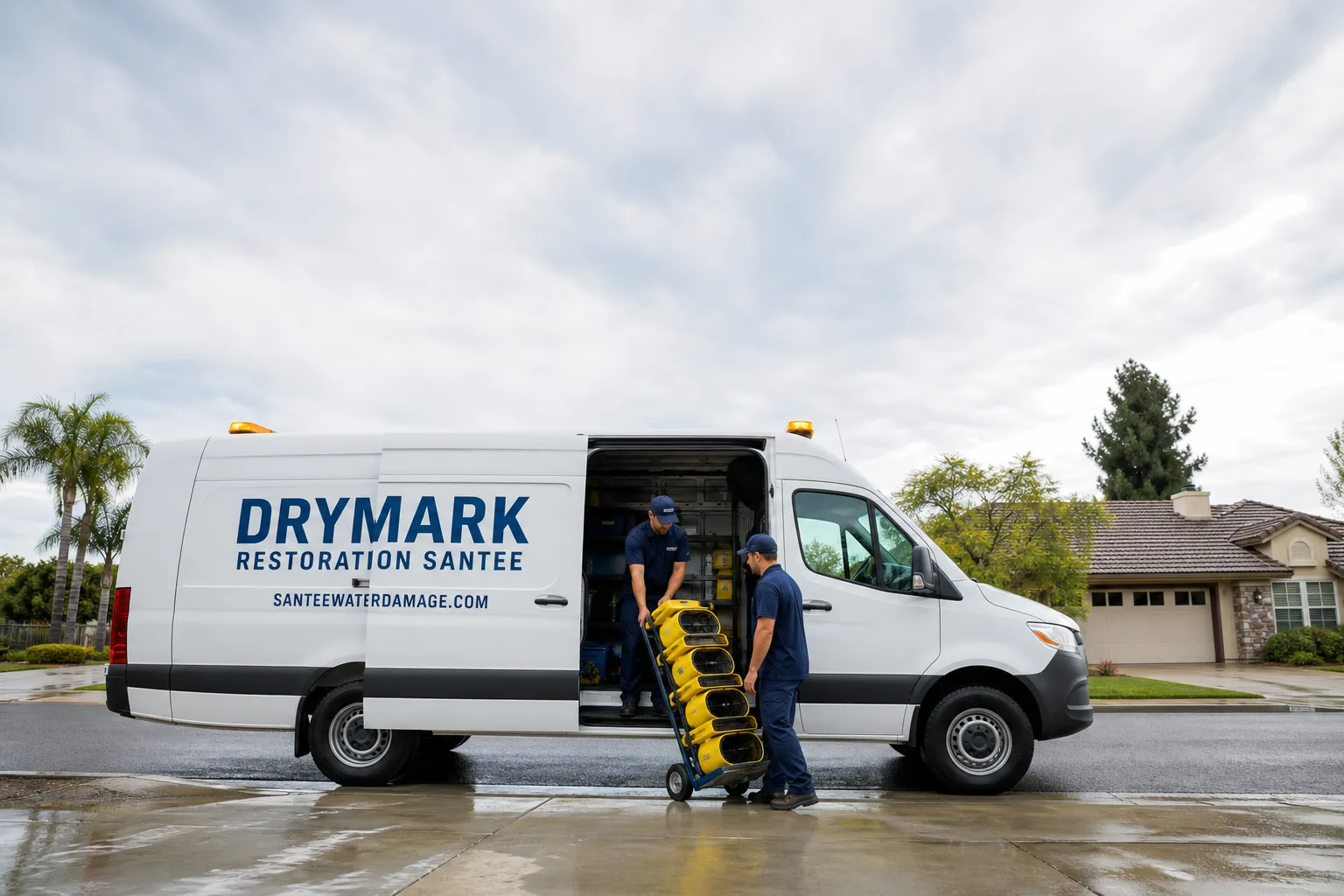
Free visual inspection and a written scope of work before any mitigation begins - photos, moisture readings, and drying logs go in your claim file
The scope we write is the scope we bill. Anything new gets shown to you, in writing, before we touch it.
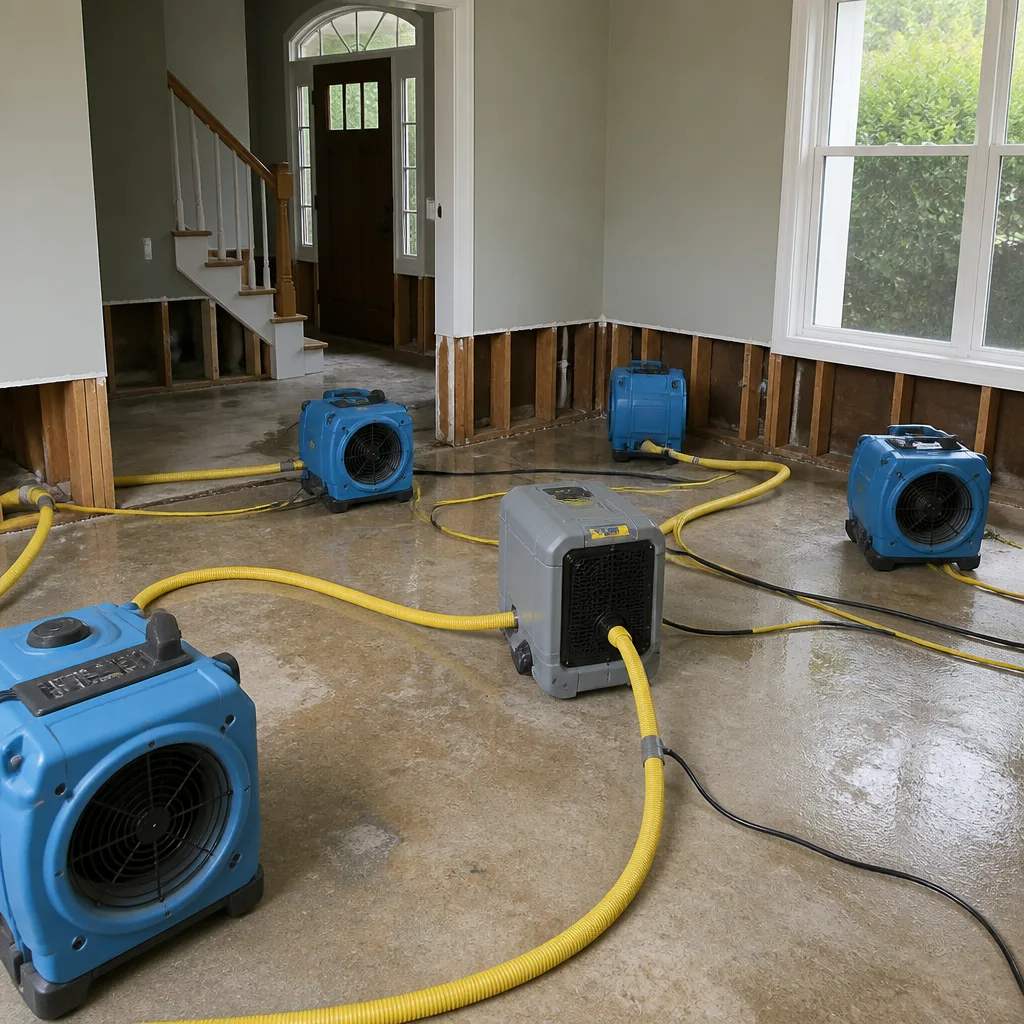
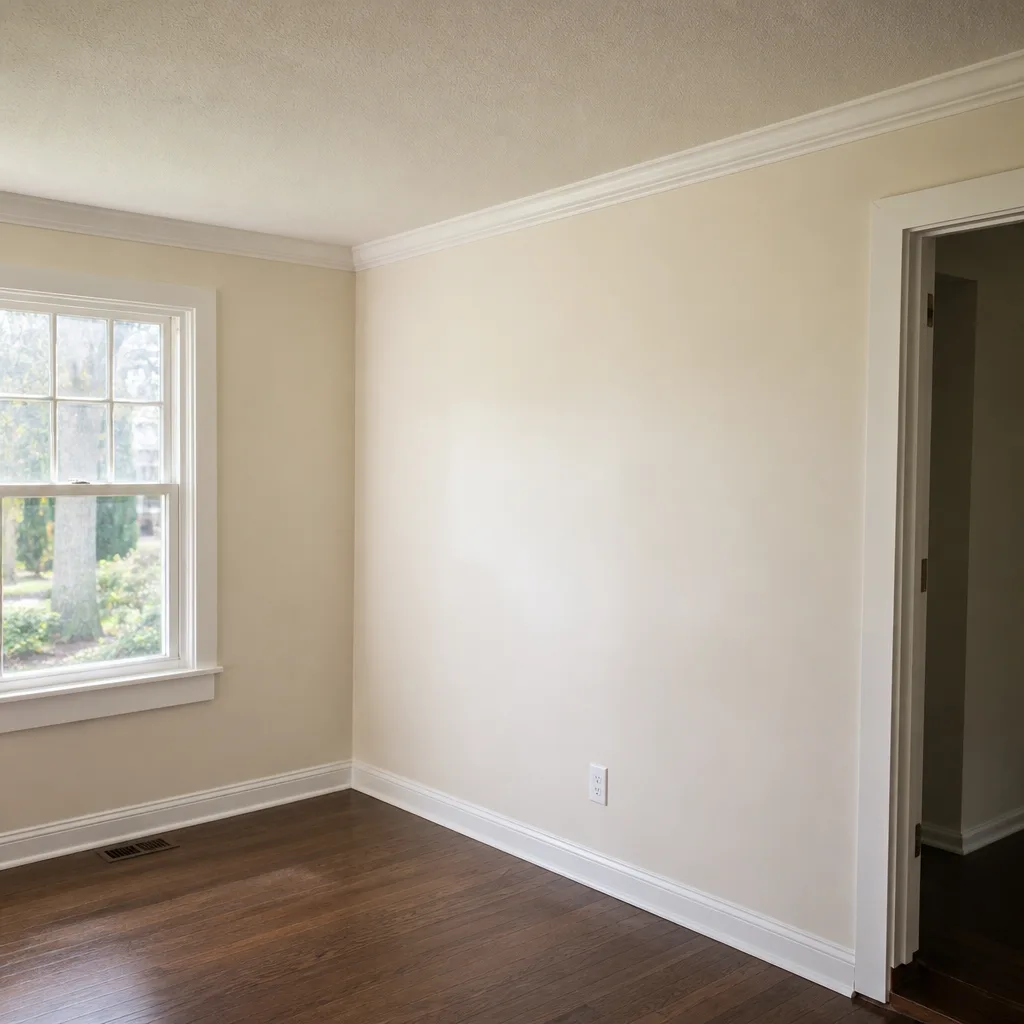
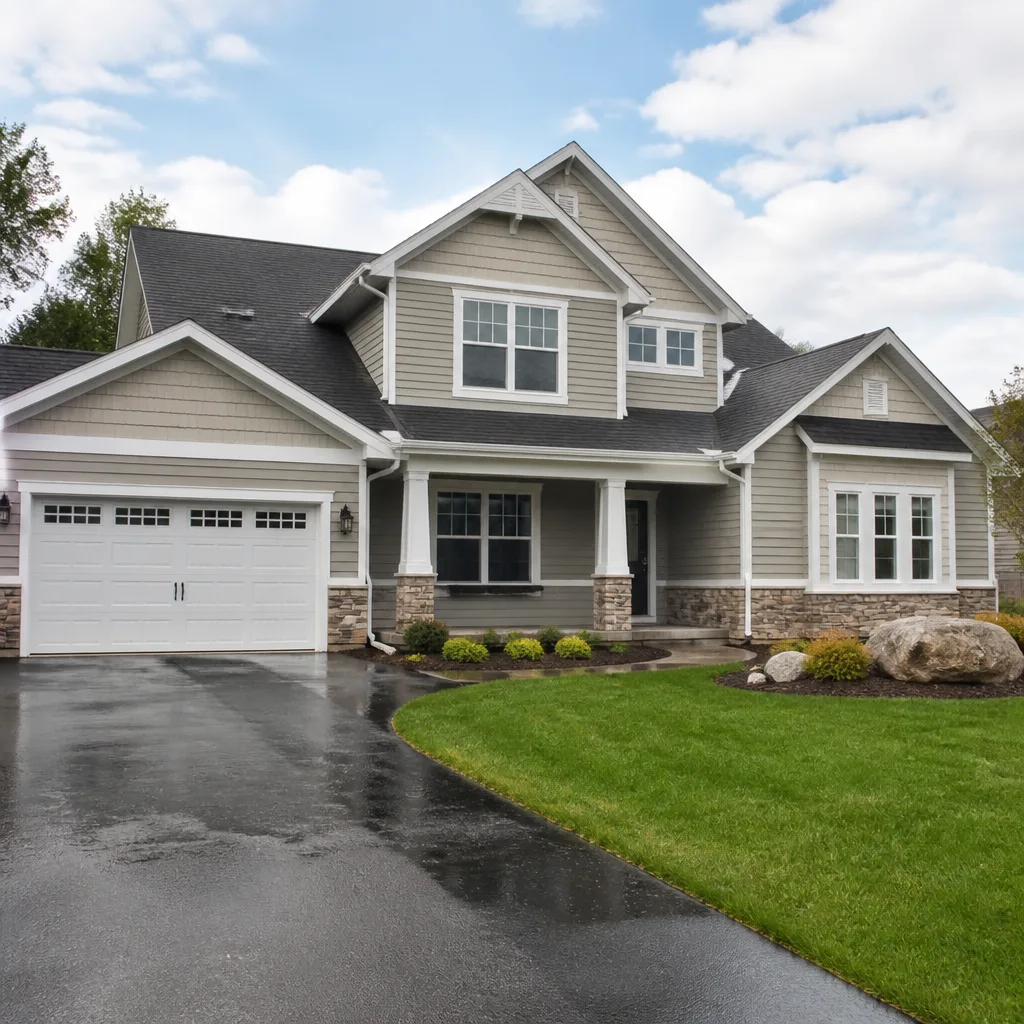
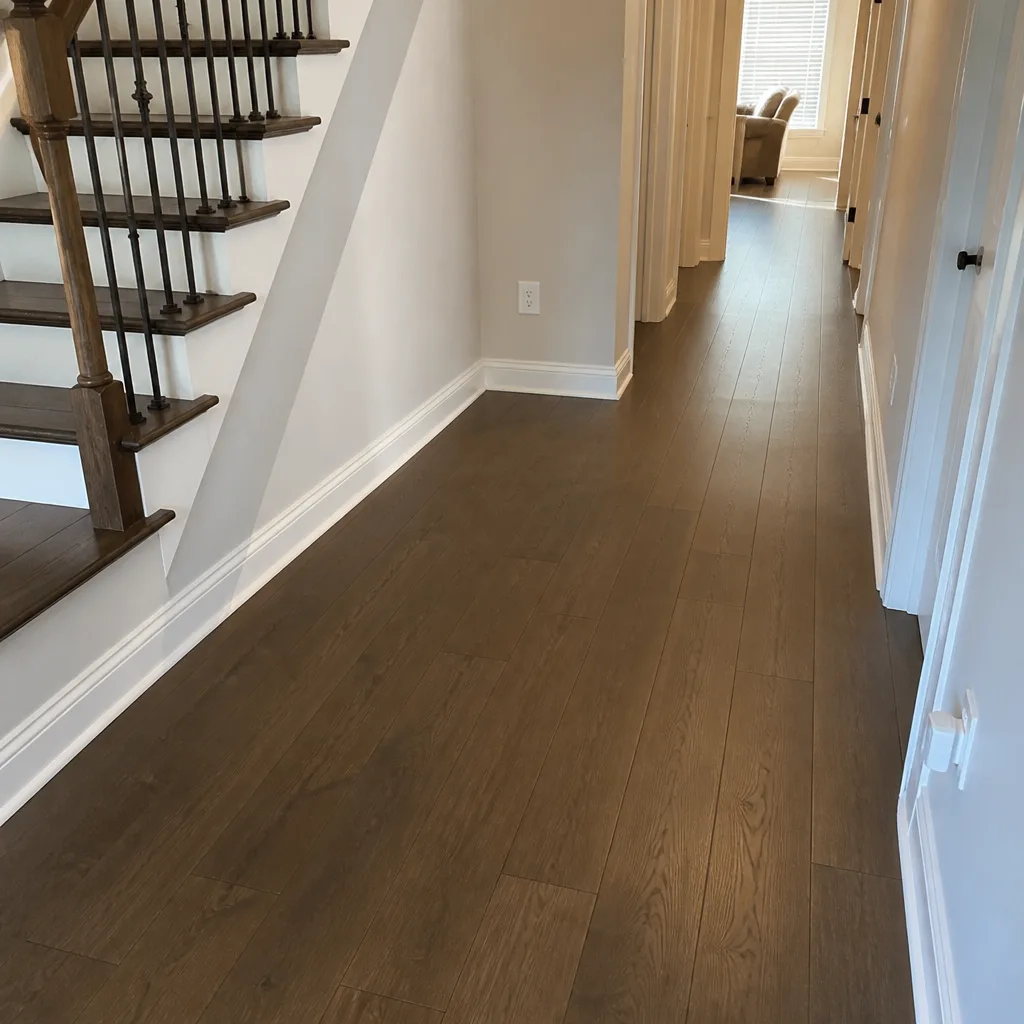
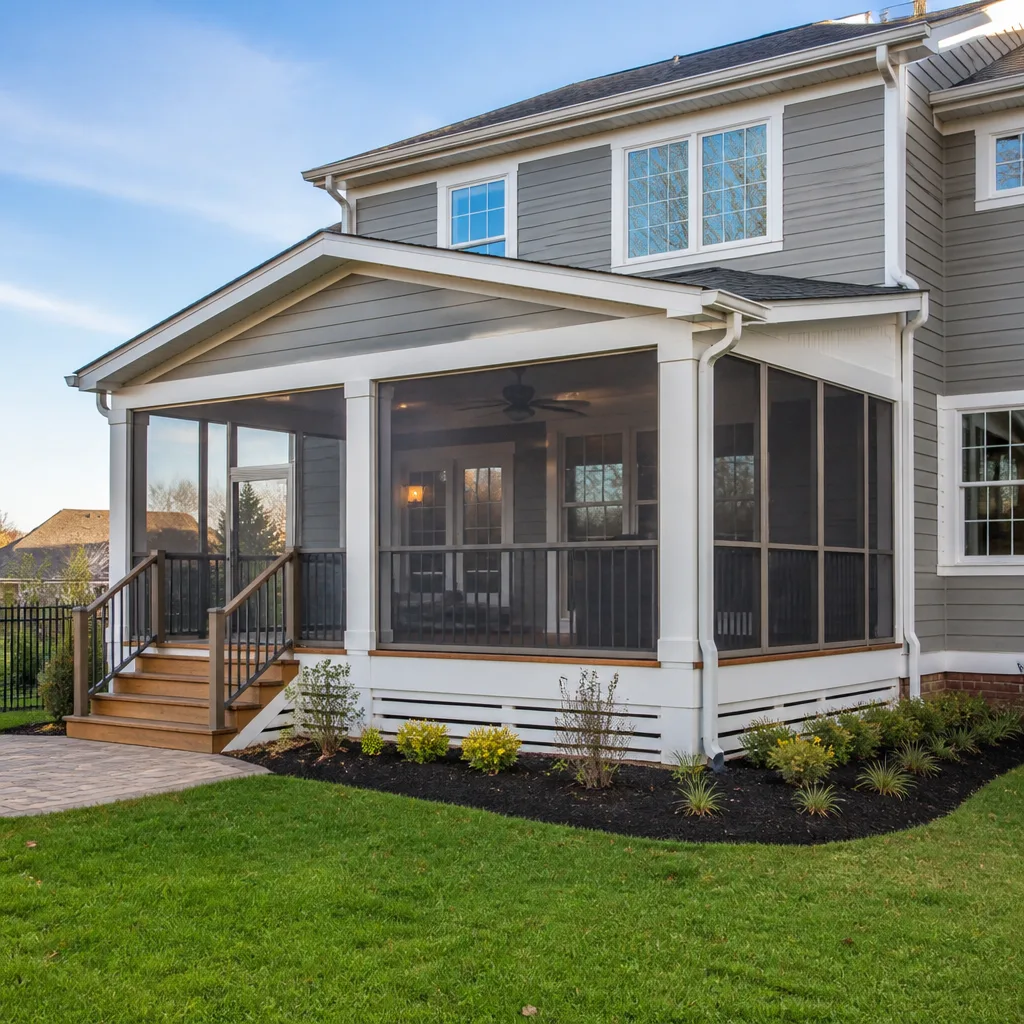
 Before
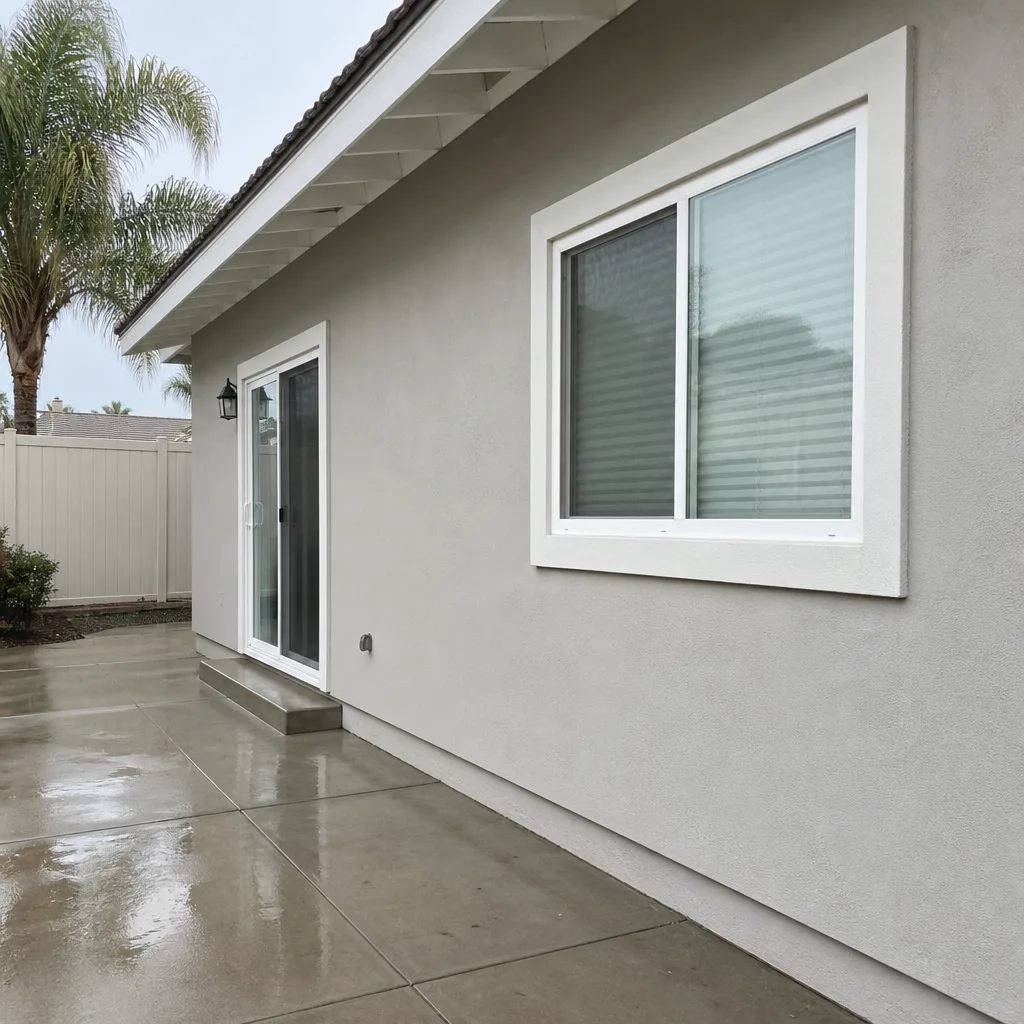 After
After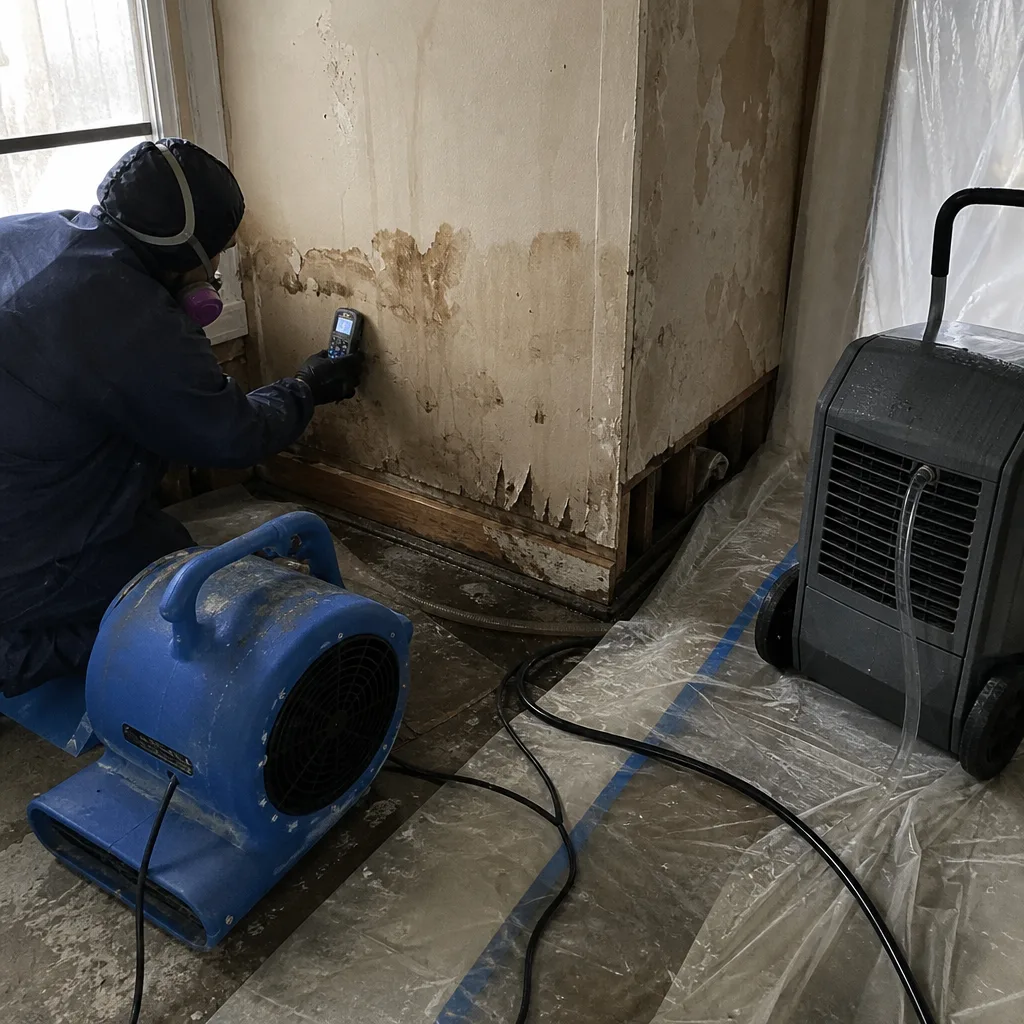 Before
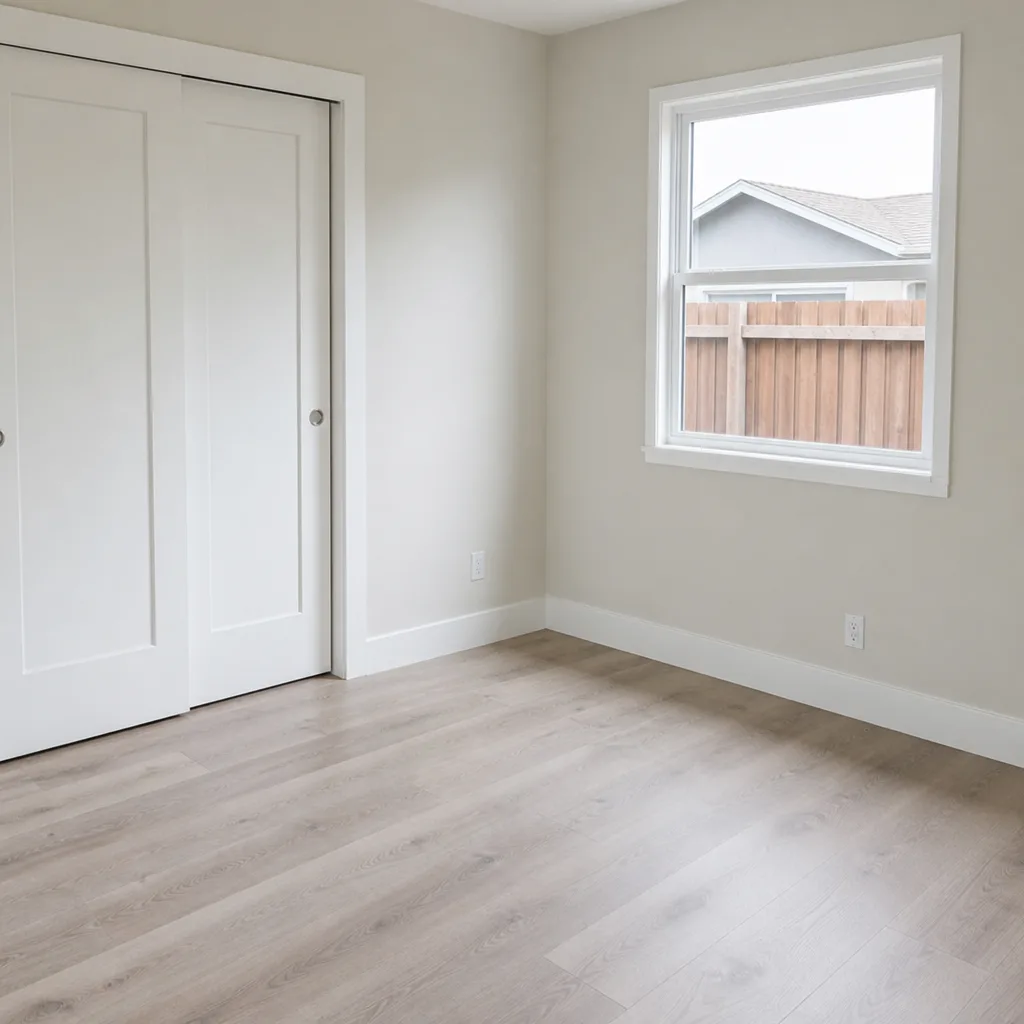 After
After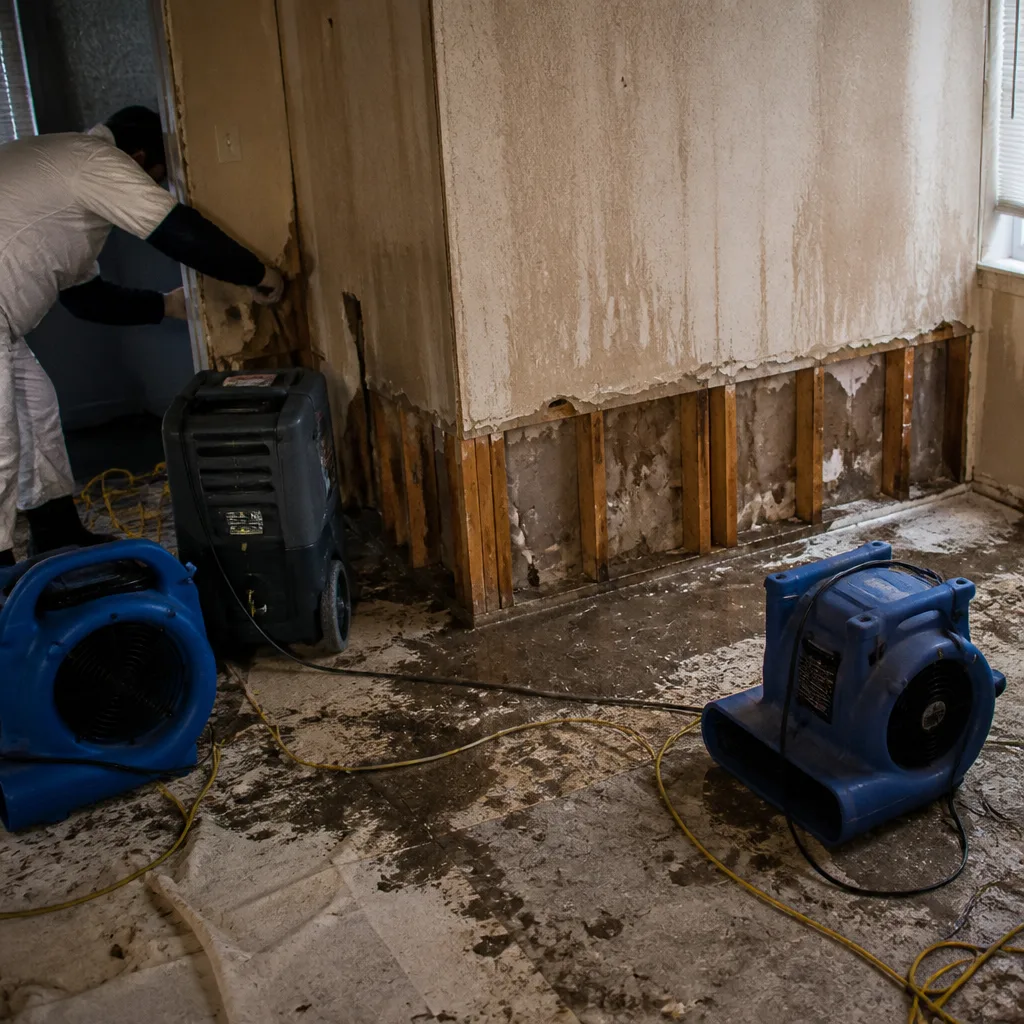 Before
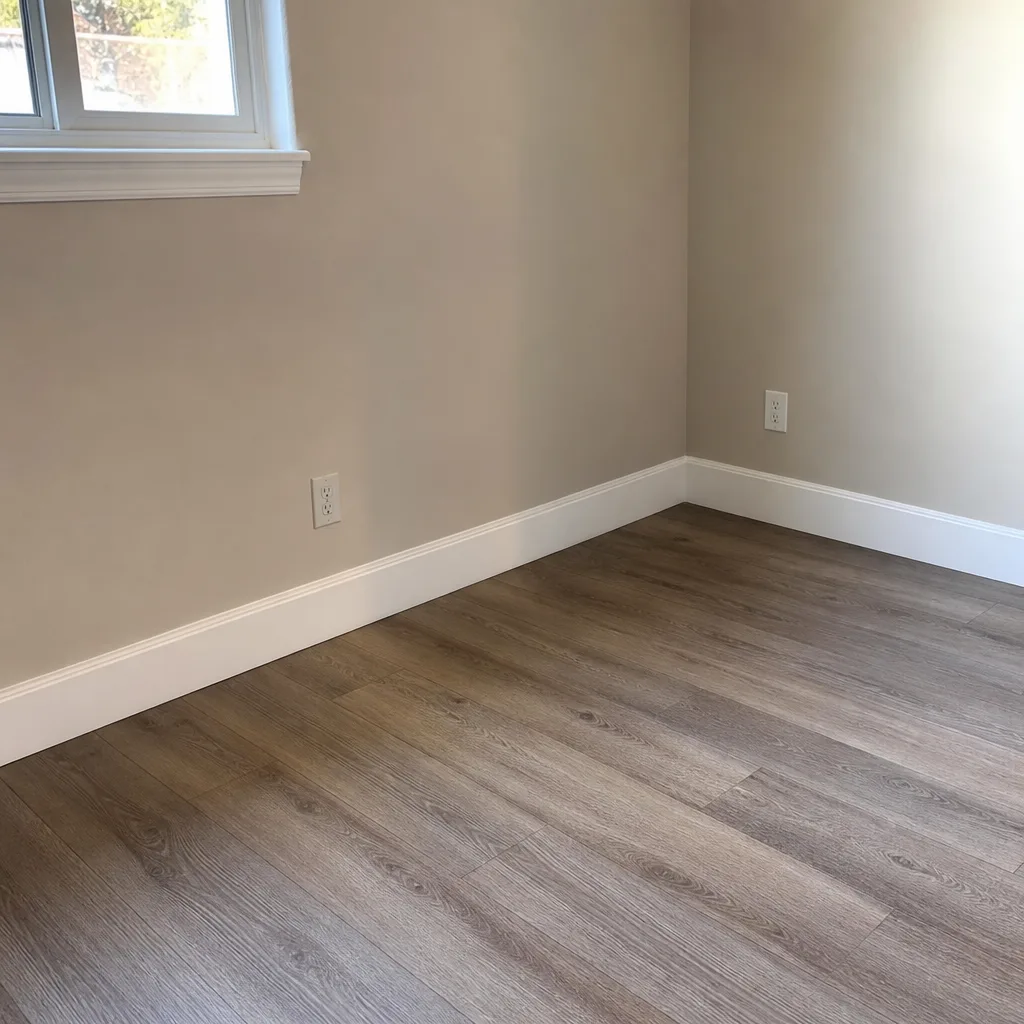 After
AfterFast, Reliable Fire & Smoke Damage Restoration Across San Diego
Fire and smoke damage restoration in San Diego typically costs between $3,200 and $14,500 depending on the size of the affected area, the materials burned, and whether water from firefighting requires additional mitigation. Most San Diego homeowners receive a written scope within 24 hours of our inspection, with emergency board-up and stabilization available the same day. Call (619) 604-5535 for a free written estimate - we dispatch from our San Diego office and carry the documentation-first approach that turns restoration invoices into paid claims.
We’re familiar with the specific challenges San Diego properties face: stucco-over-wood-frame construction that conceals smoke infiltration, pre-1980 homes with asbestos-containing materials, and the compounded damage when winter rains hit fire-scarred canyon soils. From Clairemont tract homes to master-planned communities in Rancho Bernardo, our crews document every moisture reading and photo before work begins under Haven Standard, Clause 1.
Why DryMark Restoration Santee Is San Diego’s Preferred Fire & Smoke Damage Restoration Company
Our reputation in San Diego is built on what we can show, not what we claim. We’ve restored more than 12,000 homes since 2011, every one with a written price before work started and a documented photo record when the crew left. San Diego homeowners review us carefully - they read the three-star reviews, ask about our drying logs, and verify that our technicians are background-checked, uniformed, and licensed before they arrive.
Response time matters after a fire, and we coordinate dispatch from our San Diego office to reach properties throughout the metro area. Live phone coverage is available 24 hours a day, 7 days a week with no voicemail on emergency lines - a real person answers every call.
Local knowledge separates a proper scope from a reopened claim. We know that smoke migrates through shared attic spaces in Scripps Ranch townhomes, that stucco facades in Allied Gardens hide moisture behind the wall assembly, and that the Santa Ana wind season can re-ignite smoldering materials or drive soot deeper into a structure. This is why our Fire & Smoke Damage Restoration team runs thermal imaging and destructive testing as standard practice, not upsells.
Our Fire & Smoke Damage Restoration Services in San Diego
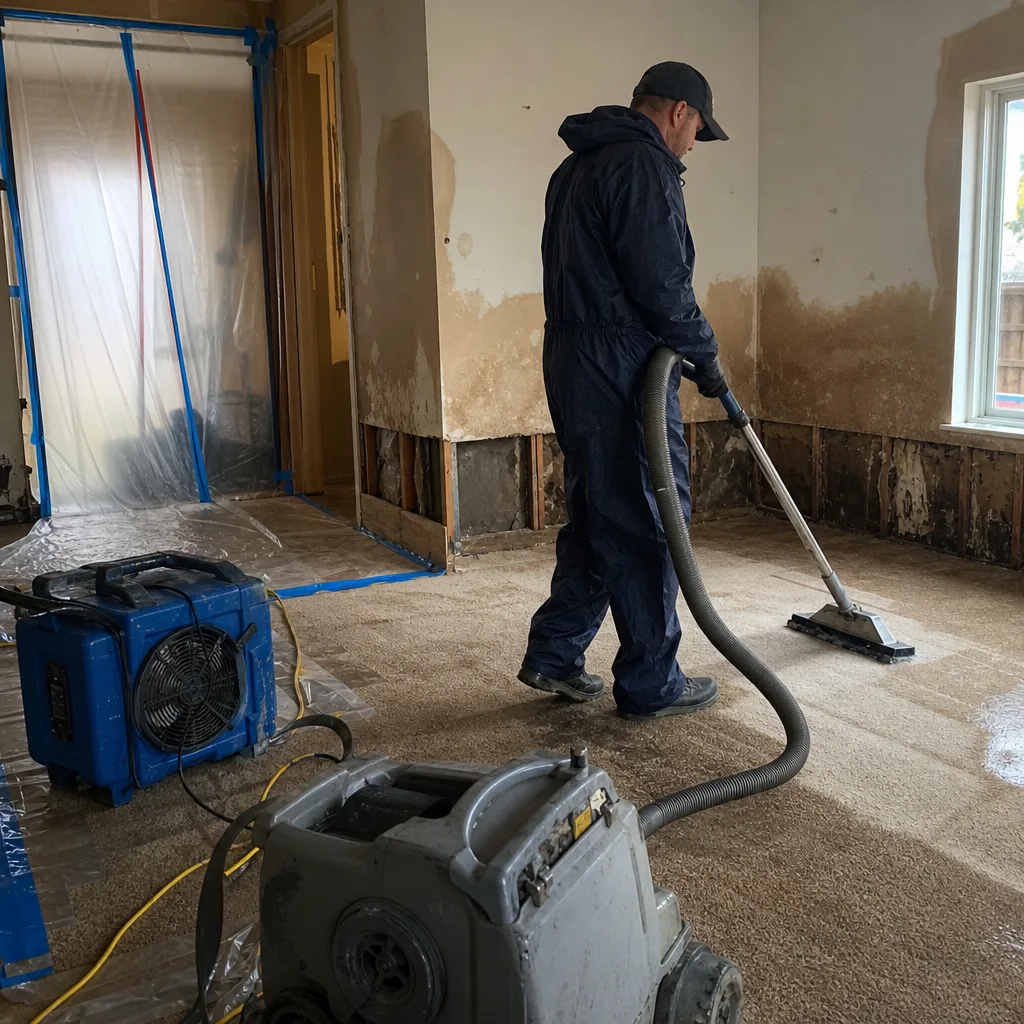
Fire Damage Cleanup
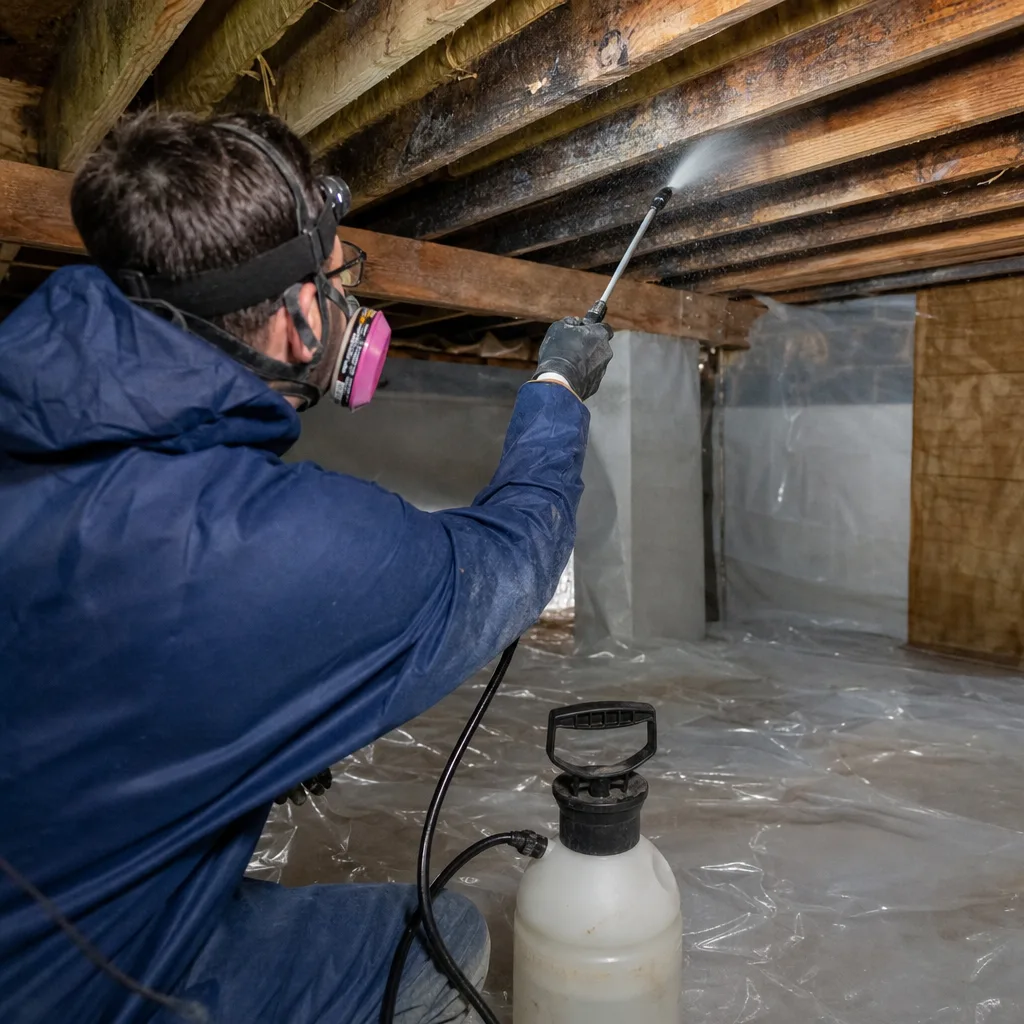
Fire damage cleanup in San Diego starts with stabilization and ends with a signed completion certificate. We board up compromised openings, tarp damaged roofs, and establish containment zones with negative air pressure to prevent cross-contamination. In San Diego’s stucco-over-wood-frame homes, we pay particular attention to the gap between cladding and framing where smoke and moisture collect - thermal imaging reveals what surface inspections miss. Our crews document every affected square foot, every material classification, and every moisture reading to IICRC standards so your carrier has the evidence needed to process the claim.
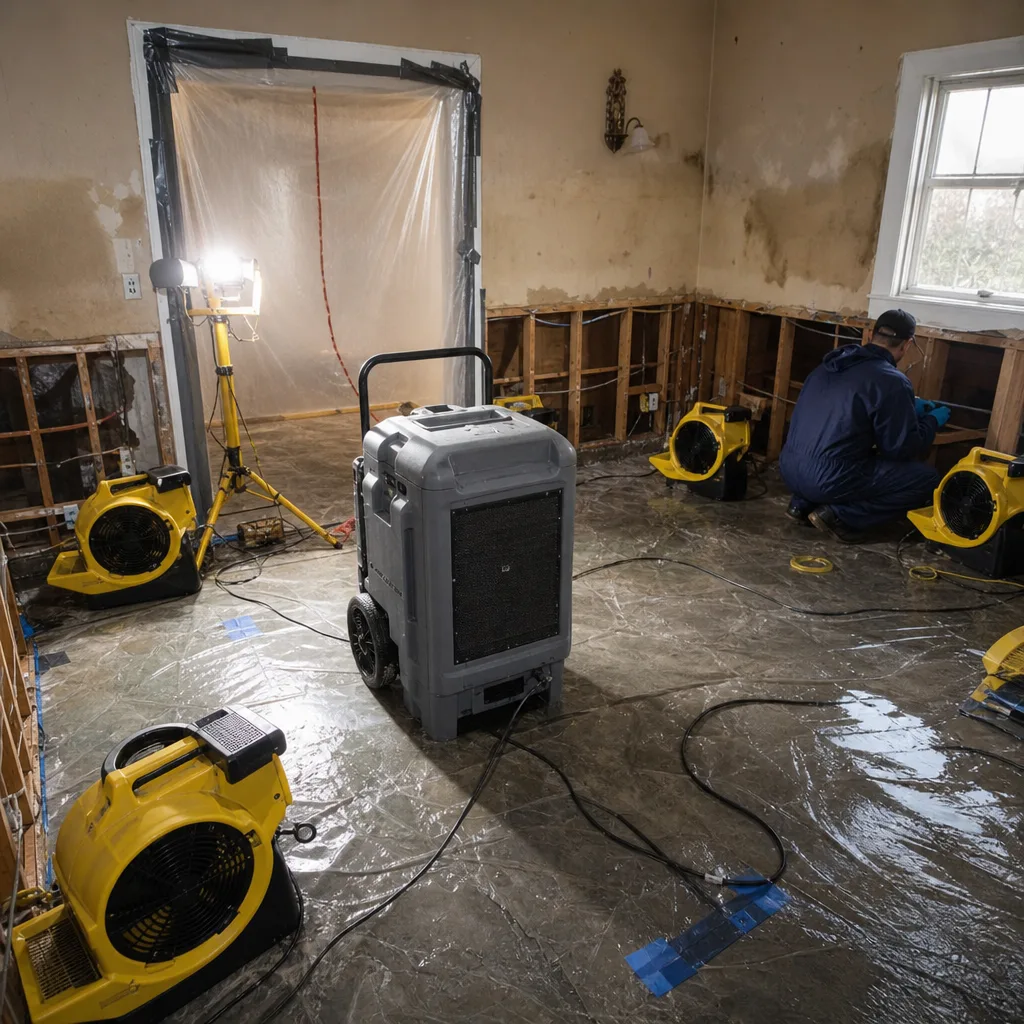
Smoke & Soot Removal
Smoke and soot removal is where most San Diego fire jobs require more than surface cleaning. Soot is acidic and begins etching finishes within hours; in humid coastal pockets like Ocean Beach, the marine layer accelerates this corrosion. We use HEPA vacuuming, chemical sponges, and targeted cleaning agents matched to the fire’s fuel source - protein fires from kitchens require different chemistry than synthetic fires from plastics and electronics. In Rancho Bernardo and Scripps Ranch, we’ve seen smoke travel through open floor plans and settle into upstairs spaces that appeared untouched. Our psychrometric data - measurements of temperature, humidity, and vapor pressure - guides the drying plan and proves the structure returned to pre-loss condition.
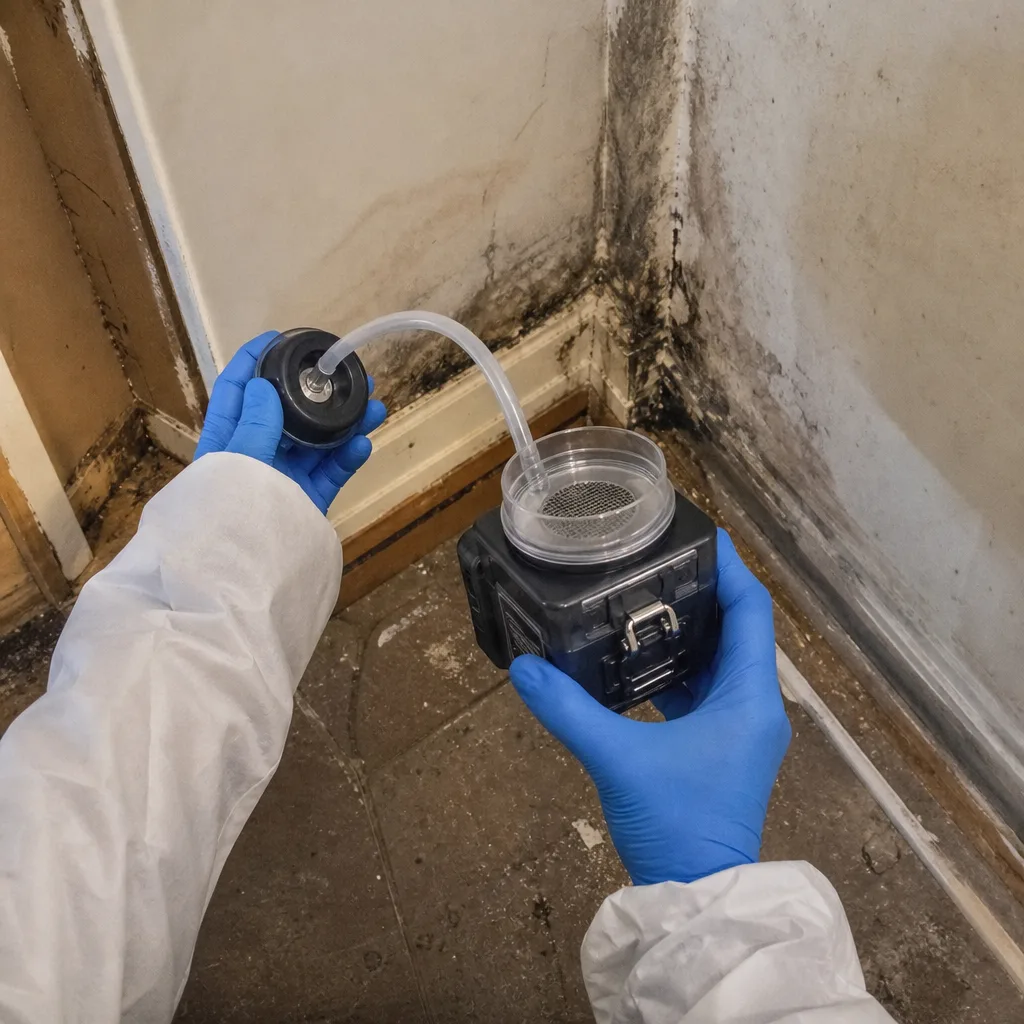
Odor Removal & Deodorization
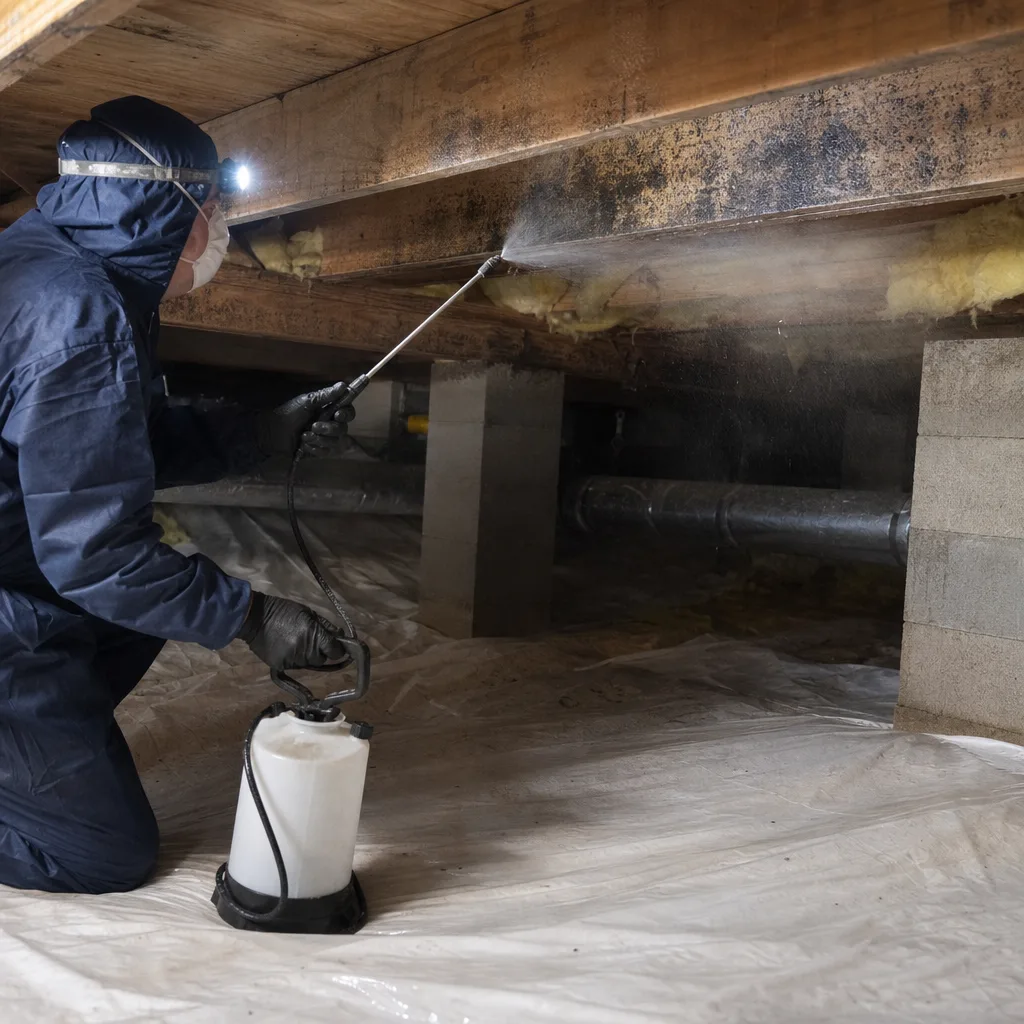
Odor removal in San Diego demands more than masking agents. We deploy thermal fogging, ozone treatment, and hydroxyl generators depending on the odor’s source and the home’s occupancy status. The real challenge in San Diego’s master-planned communities is that smoke odor migrates through shared attic spaces and stucco wall assemblies, sometimes surfacing weeks after the initial cleanup. In Scripps Ranch, we regularly work whole streets at once after wildfire events - the 2003 Cedar Fire destroyed roughly 2,200 homes mostly in that neighborhood, and the pattern of shared-space contamination persists. Our multi-day structural drying cycles with documented air mover and dehumidifier placement ensure odor doesn’t return after the carrier closes the claim.
Contents Cleaning & Pack-Out
Contents cleaning and pack-out protects salvageable belongings while the structure is restored. We inventory, photograph, and transport items to our cleaning facility where ultrasonic cleaning, deodorization chambers, and specialized textiles processing restore what smoke has touched. For San Diego homeowners in canyon-rim neighborhoods like Kensington and Mission Hills, pack-out also protects contents from the secondary disaster: when winter rains follow fire damage, fire-scarred hydrophobic soils shed water instantly, sending mud and debris into downslope homes. Our photo-documented pack-out creates the inventory record your adjuster needs, and our written scope before work begins - Haven Standard, Clause 1 - means no surprise charges when contents return.
What happens when you call
- 1
A real person answersNo phone trees - you reach a local pro.
- 2
You get an upfront price rangeHonest numbers before anyone is dispatched.
- 3
A background-checked tech heads outLicensed & insured, dispatched right away.
- 4
You approve before work beginsNothing starts until you say go.
 Before
 After
AfterTrusted Equipment and Documentation Standards We Use in San Diego
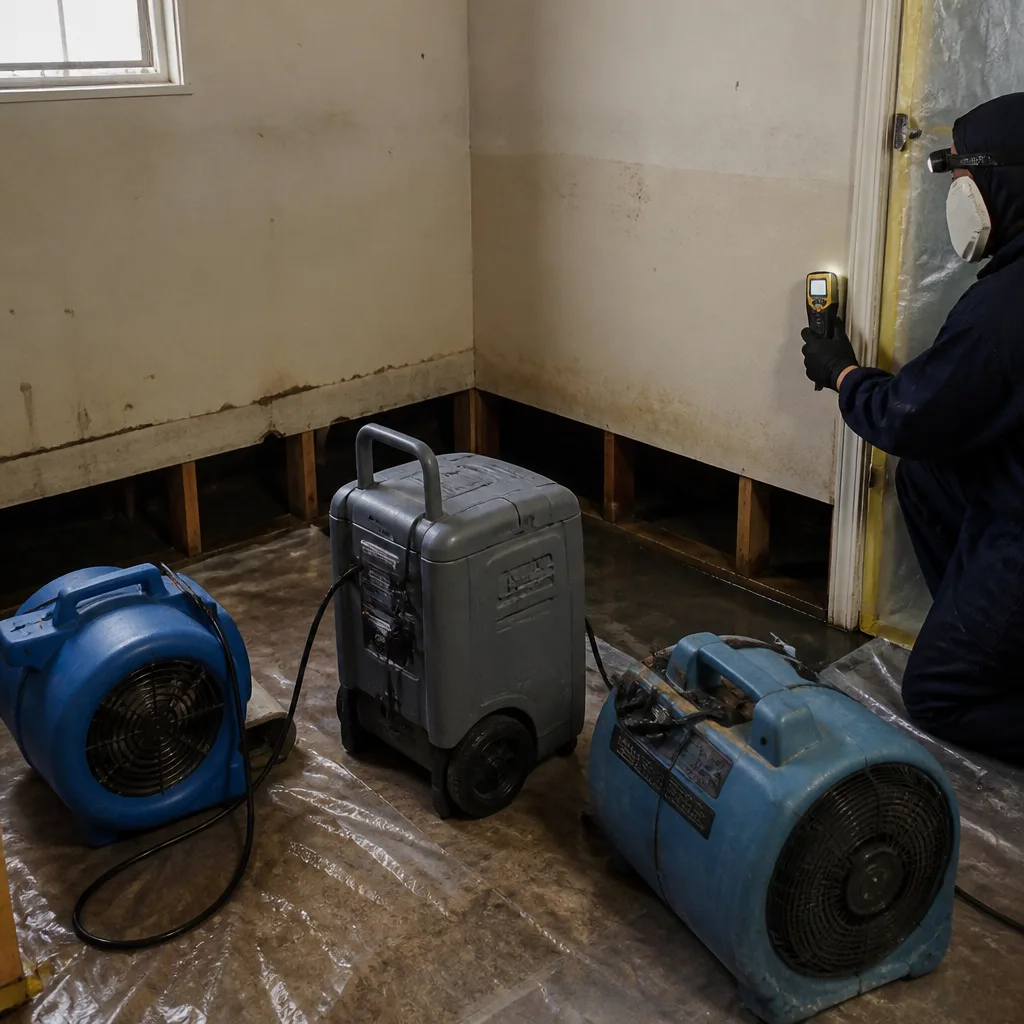
Our San Diego crews deploy professional-grade drying and air quality systems from XPOWER, B-Air, and Injectidry, documented to IICRC, RIA, and IFA standards. XPOWER air movers establish the airflow patterns that carry soot and moisture out of wall cavities; B-Air dehumidifiers maintain the specific humidity setpoints that prevent secondary mold growth; Injectidry systems deliver targeted drying to hardwood floors and cabinet bases without demolition. Every machine’s placement, runtime, and daily moisture reading is logged - this is the documentation that turns restoration invoices into payable insurance claims. We don’t ask carriers to trust our word; we show them the numbers.
Common Fire & Smoke Damage Restoration Problems We See in San Diego Homes
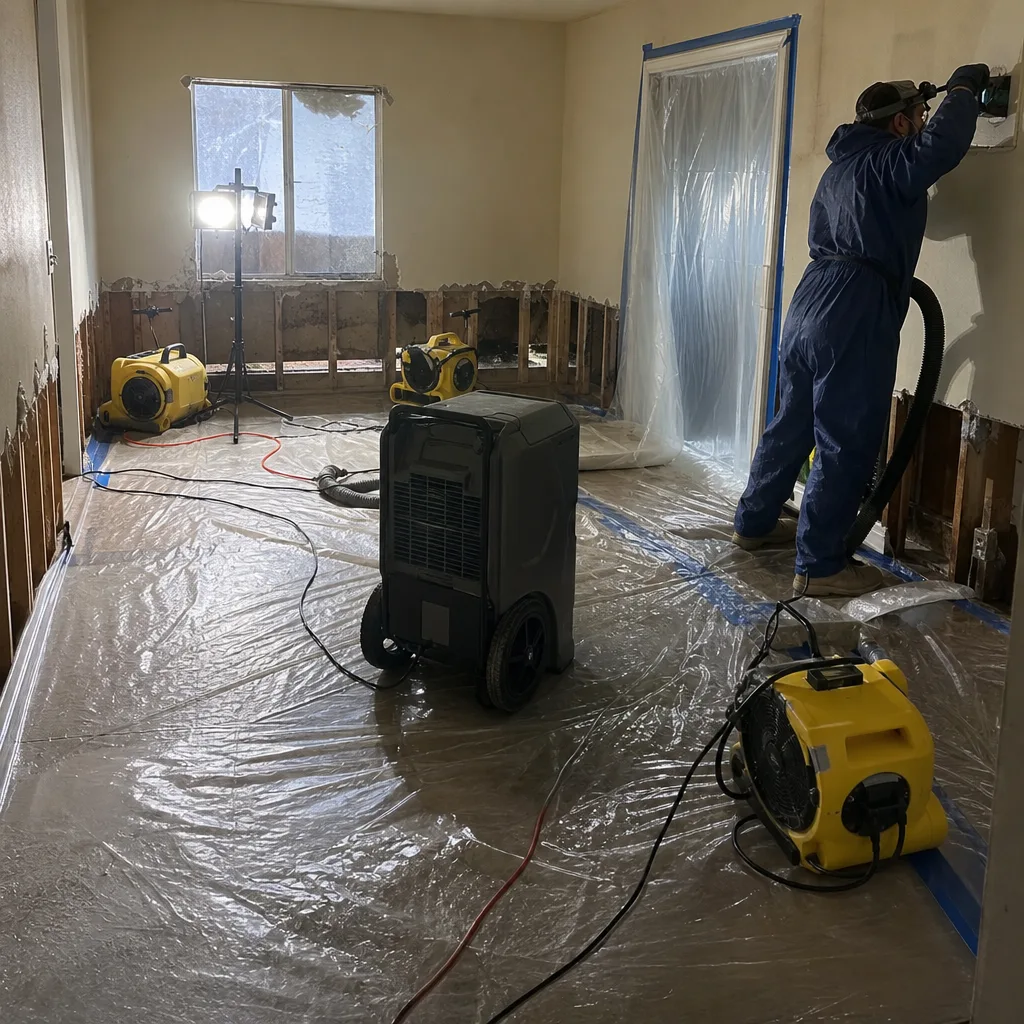
- Hidden damage behind stucco facades. San Diego’s dominant construction type - stucco cladding over wood-frame - readily conceals smoke infiltration and moisture intrusion. Skipped thermal imaging or destructive testing lets odor and mold return after the carrier closes the claim, especially in Clairemont and Allied Gardens tract homes built in the 1960s and 70s.
- Water category misclassification on fire scenes. Sprinkler and hose water sitting in a smoke-damaged Rancho Bernardo home can degrade from category 1 (clean) to category 2 or 3 (contaminated) within 24 to 48 hours. Treating it all as clean means wet drywall and insulation that should have been removed get dried in place, and the smell never leaves.
- Pre-1980 asbestos materials. Popcorn ceilings, floor tile mastic, and pipe insulation in older San Diego neighborhoods often contain asbestos. A fire or water scope without mandatory abatement steps stalls the job mid-mitigation when testing comes back positive, costing homeowners days and coverage disputes.
- Post-fire mudflow compound claims. In canyon-rim neighborhoods throughout San Diego, the “second disaster” follows the first: winter rains on fire-scarred, hydrophobic soils generate mud and debris surges that damage homes the fire never touched. These layered claims require meticulous documentation for insurers - separate causation, separate coverage, one coordinated scope.
Pricing for Fire & Smoke Damage Restoration in San Diego, CA
Fire and smoke damage restoration pricing in San Diego reflects the scope of damage, the materials involved, and the documentation required for insurance. Emergency board-up and stabilization typically runs $800-$2,400. Smoke and soot removal for a single affected room ranges $1,800-$4,500. Whole-home odor removal and deodorization with thermal fogging or ozone treatment runs $2,200-$6,000. Contents pack-out, cleaning, and storage adds $1,500-$5,500 depending on volume. Structural repairs and reconstruction after fire damage starts around $4,000 and can exceed $50,000 for extensive rebuilds.
What drives cost: the square footage affected, whether firefighting water requires water damage mitigation, the presence of asbestos or other hazardous materials, and whether odor has migrated through shared building assemblies. Every job is quoted in writing before work begins - Haven Standard, Clause 1 - with no scope-creep additions once the crew is inside. We also offer a Free Second Opinion on any competitor’s written estimate; bring their scope and we’ll review it at no charge. Call (619) 604-5535 for your written price.
We Also Serve Cities Near San Diego
Our San Diego office dispatches crews throughout the metro area, including Lemon Grove, Bonita, La Mesa, and Spring Valley. The same written-price guarantee, photo-documented record, and 365-Day Done Right Promise apply in every community we serve.
Serving San Diego, CA - Our Local Coverage Area
We’re based in the San Diego area and know this community well. Use the map below to see our service coverage - if you’re nearby, we can almost certainly help.
FAQs - Fire & Smoke Damage Restoration in San Diego
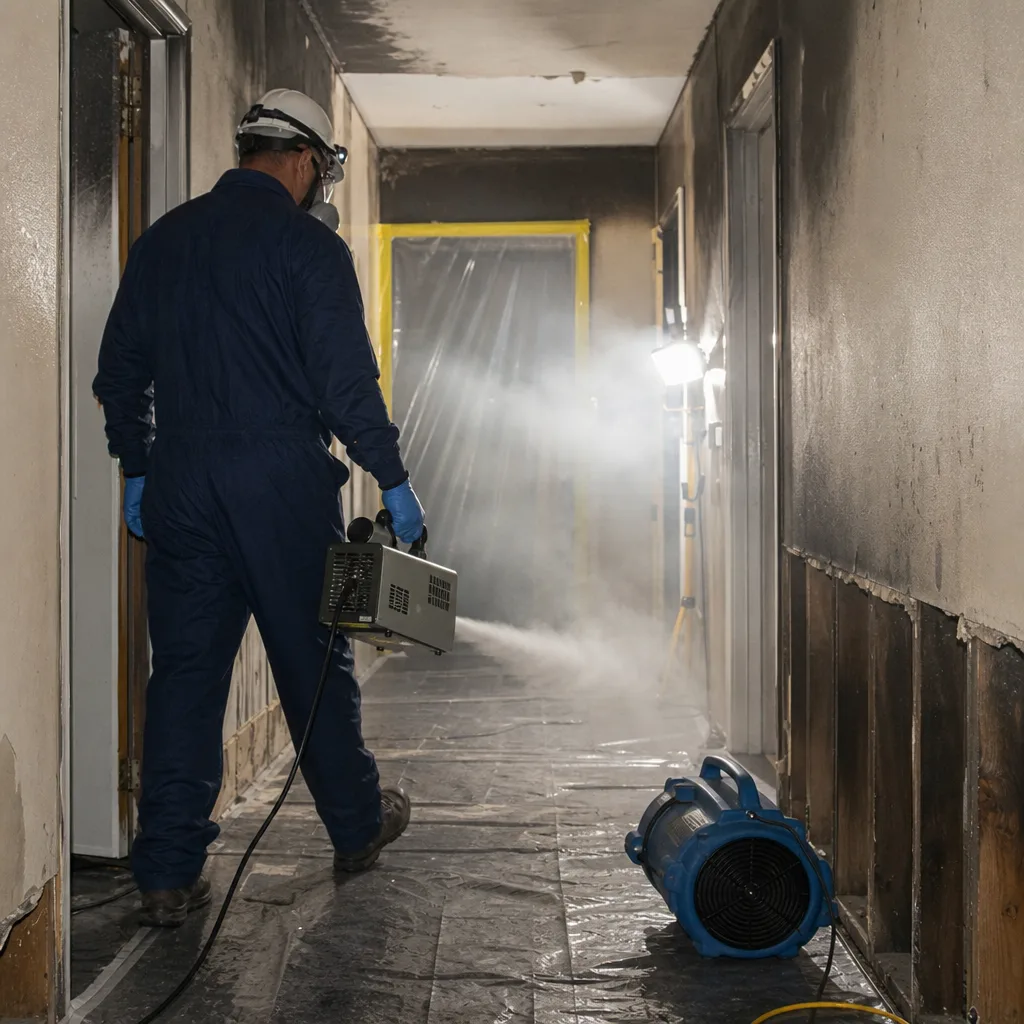
Smoke smell returns because soot and odor molecules penetrated porous materials or hidden cavities that weren’t properly cleaned or sealed. In Rancho Bernardo’s master-planned homes with open floor plans and shared attic spaces, smoke migrates farther than visible damage suggests; surface cleaning misses insulation, drywall backing, and the gap between stucco cladding and wood framing where odor compounds linger until humidity reactivates them. Our thermal imaging and destructive testing catch these hidden reservoirs before we close the job, and our drying logs document pre-loss condition so the carrier can’t deny subsequent claims. Call (619) 604-5535 for an inspection - estimates are free.
You may not need a full pack-out, but you do need a documented evaluation of what smoke has touched. In Scripps Ranch, we were called to a 1990s two-story on Semillon Boulevard after a kitchen fire - the flames were contained to the kitchen, but thermal imaging showed smoke had traveled through the open floor plan and settled into the upstairs hallway and bedrooms, so we set up containment with negative air and ran air movers plus dehumidification for a multi-day structural drying cycle. Because the house was stucco over wood frame, we caught hidden soot and moisture behind the wall assembly that a surface wipe-down would have missed, and our drying logs and moisture readings documented the pre-loss condition for the carrier. A partial pack-out of affected rooms may suffice; we’ll specify exactly what moves and what stays in your written scope before any work starts.
Mold can begin colonizing within 24 to 48 hours of water intrusion, and San Diego’s coastal marine layer in neighborhoods like Ocean Beach and Pacific Beach accelerates this timeline by maintaining ambient humidity above 60 percent. Firefighting water also carries contaminants that degrade water category and feed microbial growth faster than clean supply-line leaks. This is why we treat water on fire scenes as a separate mitigation line item with its own moisture readings, drying plan, and documentation - not an afterthought to the fire cleanup. Call (619) 604-5535 for same-day assessment.
The Santa Ana wind season, typically October through December, increases re-ignition risk from smoldering materials and drives soot deeper into building assemblies through pressure differentials and forced air entry. For San Diego homeowners, this means fire damage claims during this period often involve both initial fire damage and wind-driven secondary damage to roofing, siding, and interior finishes. Carriers may dispute causation between fire and wind coverage; our photo-documented record and material-classification notes provide the evidence to resolve these disputes. We scope and document each damage mechanism separately so your claim isn’t underpaid.
Yes - pre-1980 homes in Clairemont, Allied Gardens, and similar older San Diego neighborhoods should be tested for asbestos before demolition or aggressive cleaning begins. Popcorn ceilings, floor tile mastic, and pipe insulation from this era commonly contain asbestos, and disturbing these materials without abatement creates liability and health hazards that stop work mid-project. We build mandatory testing into our initial scope so there are no surprises; if asbestos is present, we coordinate certified abatement and document the chain of custody for your carrier. The cost of testing is far less than the cost of a stalled job and reopened claim. Call (619) 604-5535 to schedule - estimates are free.
Written by Alicia Brennan, Owner at Back to Dry Restoration, serving San Diego since 2011.