
Last updated September 23, 2026
Free visual inspection and a written scope of work before any mitigation begins - photos, moisture readings, and drying logs go in your claim file
The scope we write is the scope we bill. Anything new gets shown to you, in writing, before we touch it.
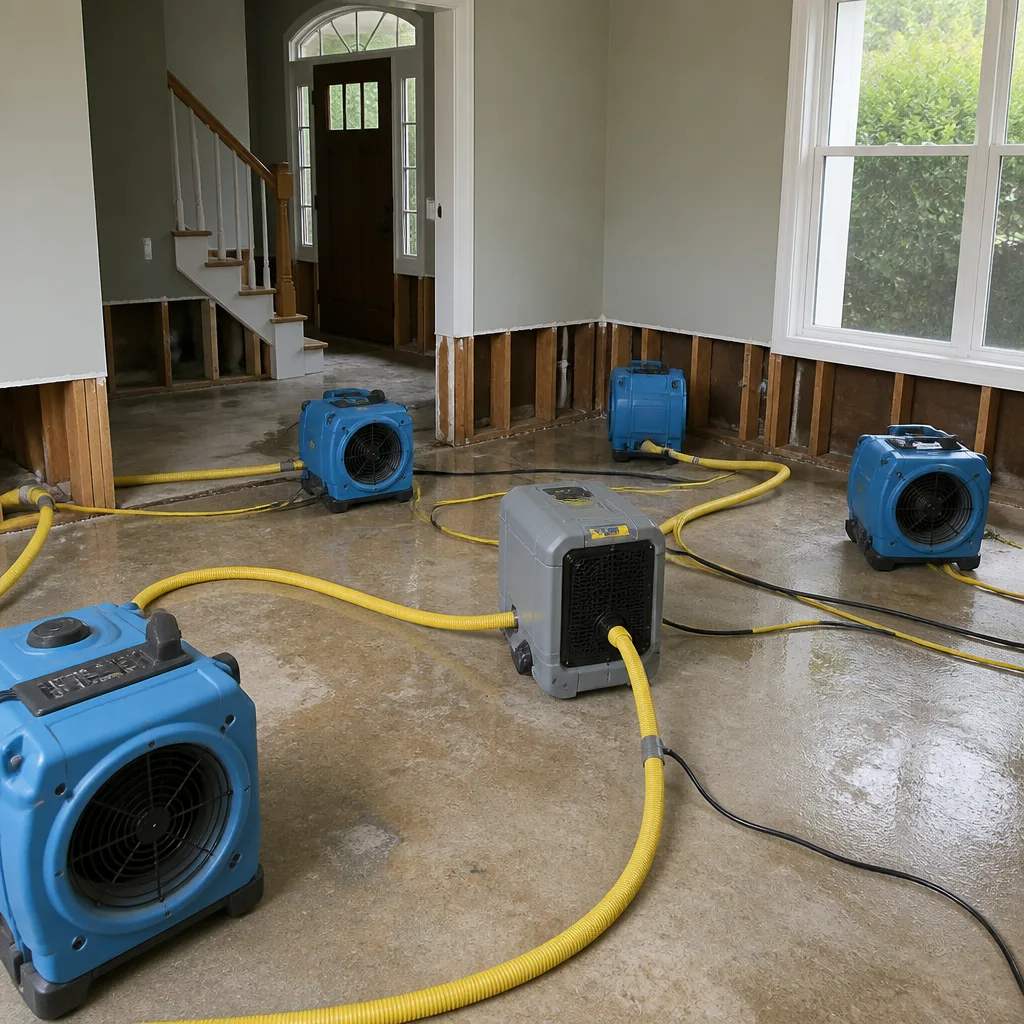
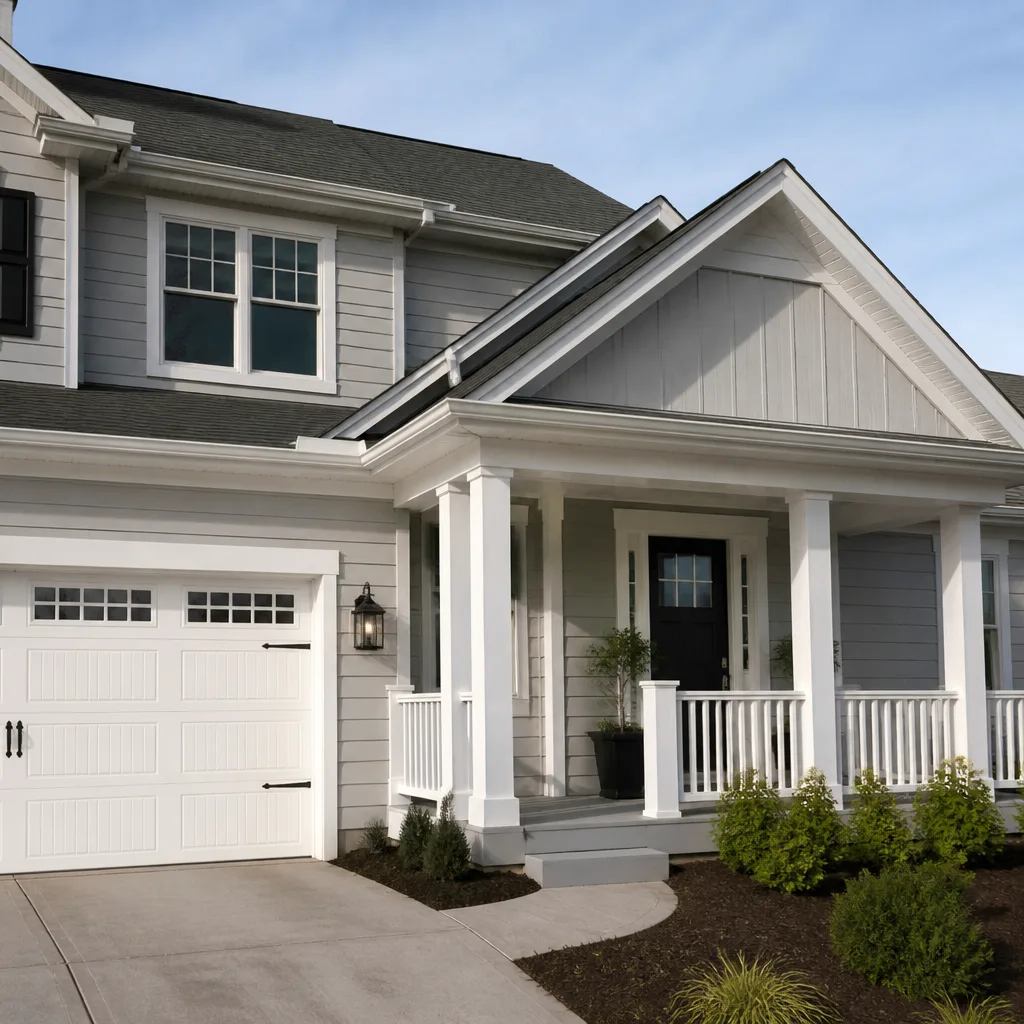
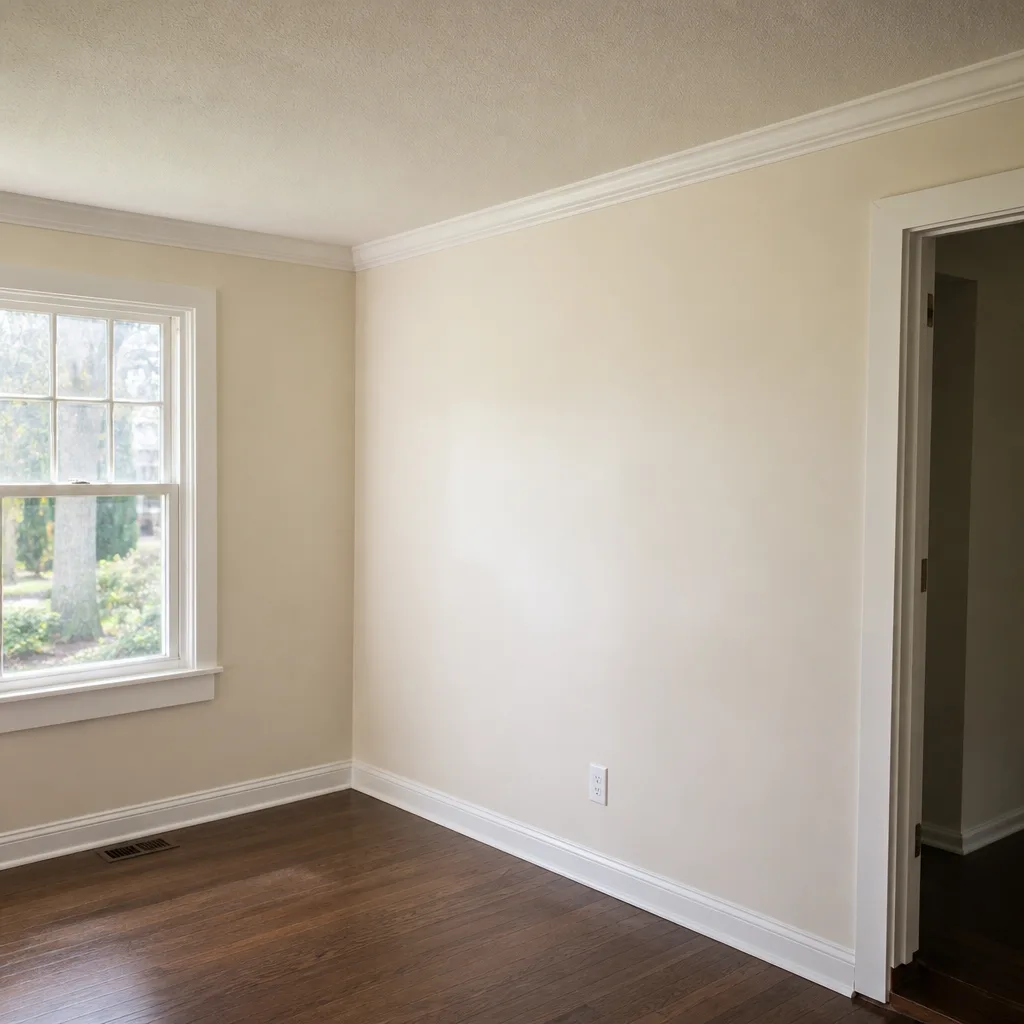
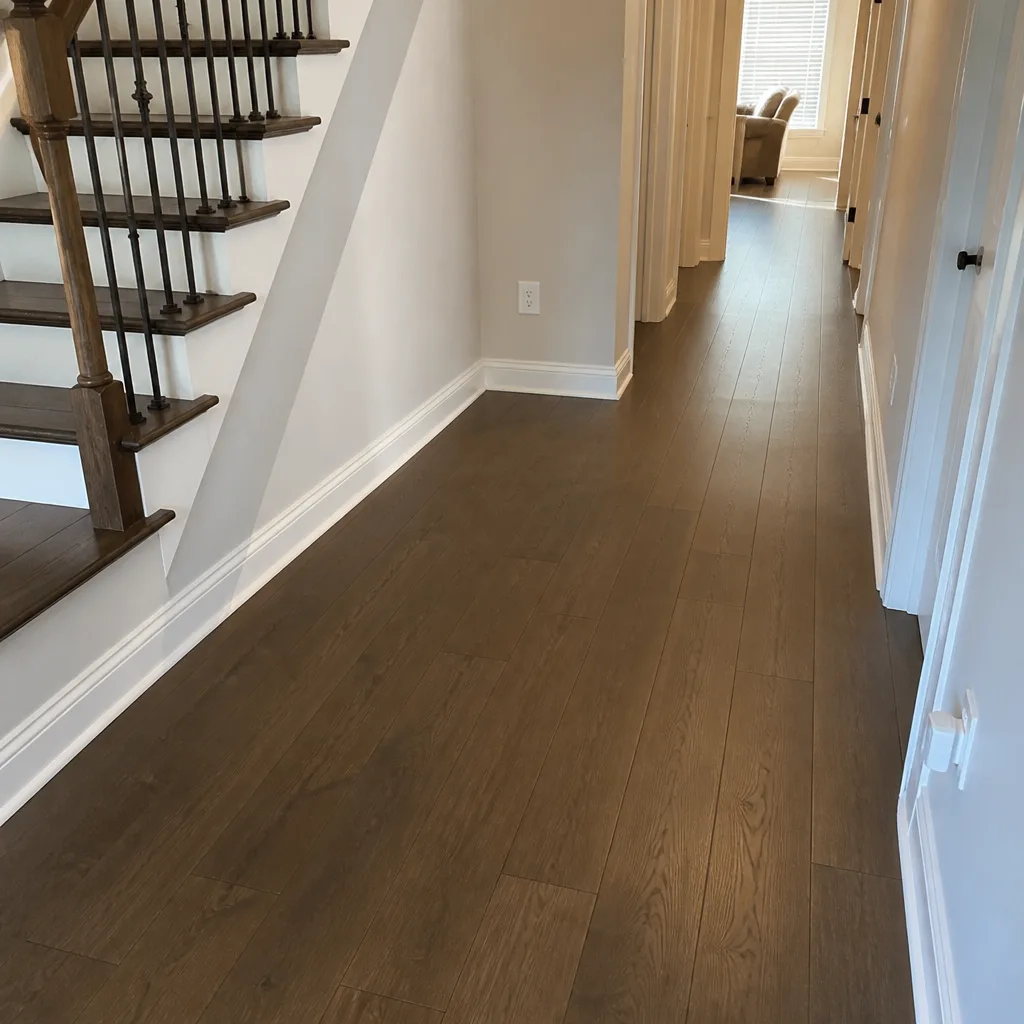
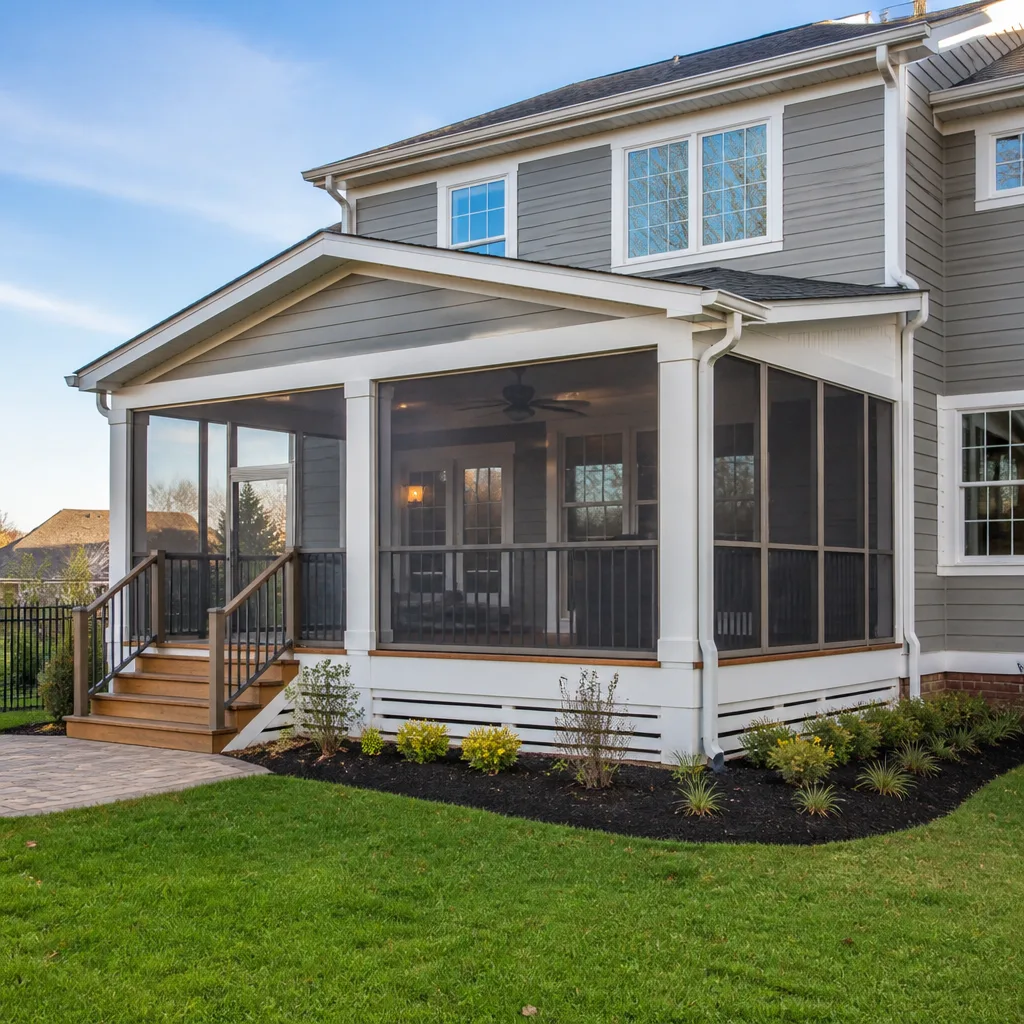
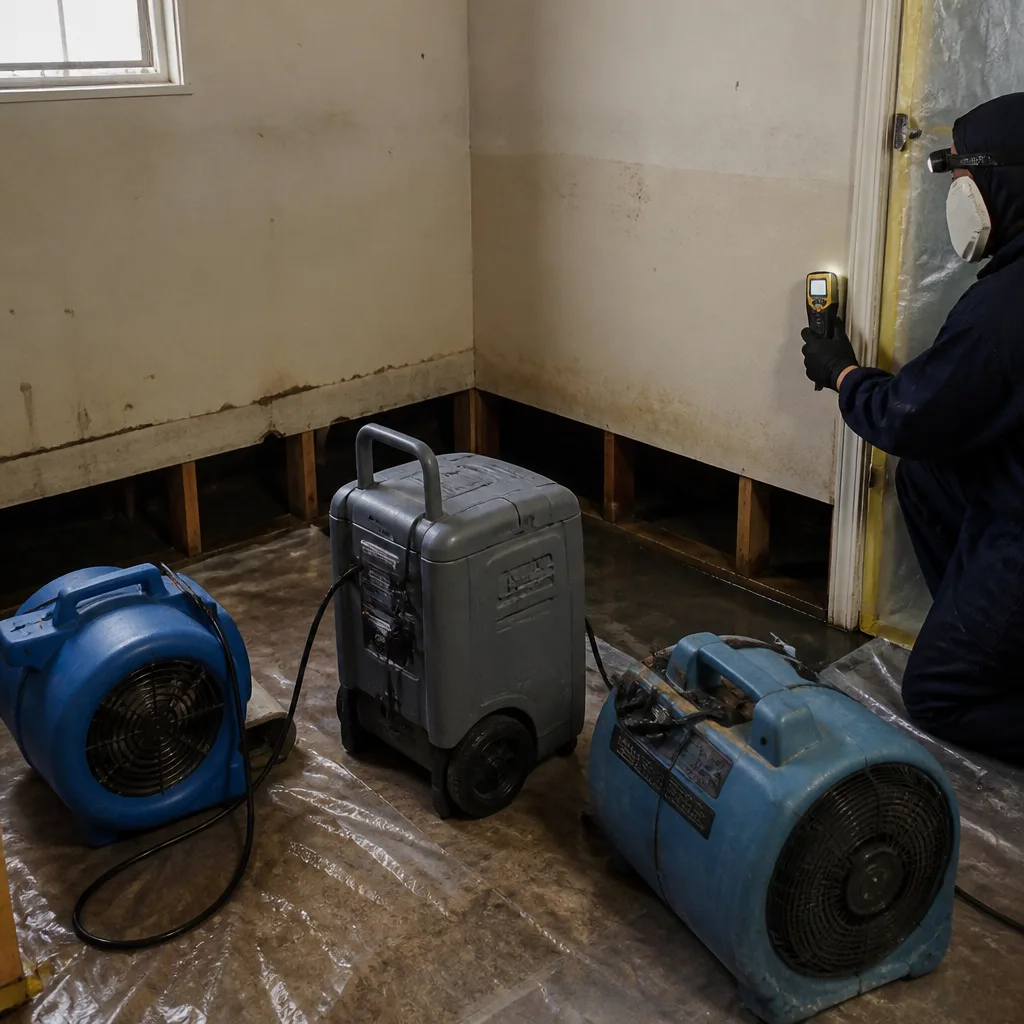 Before
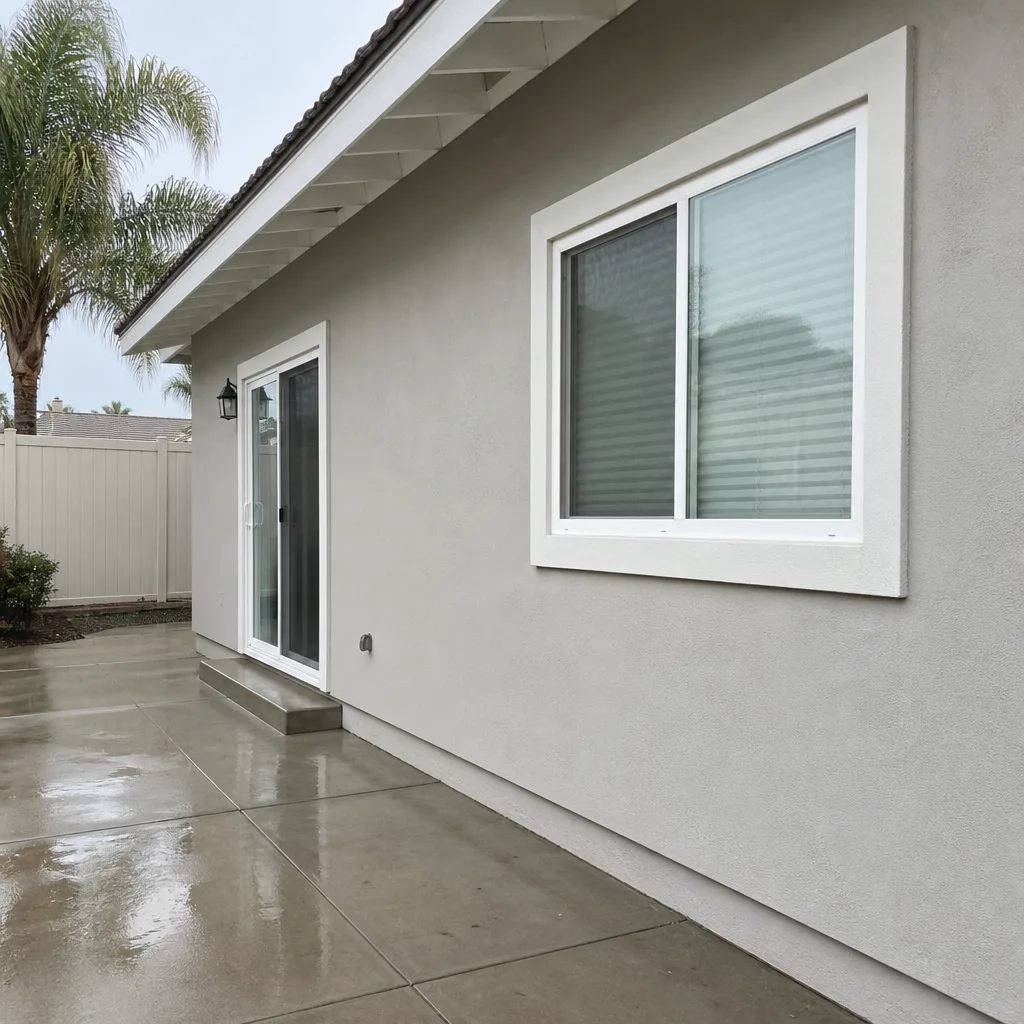 After
After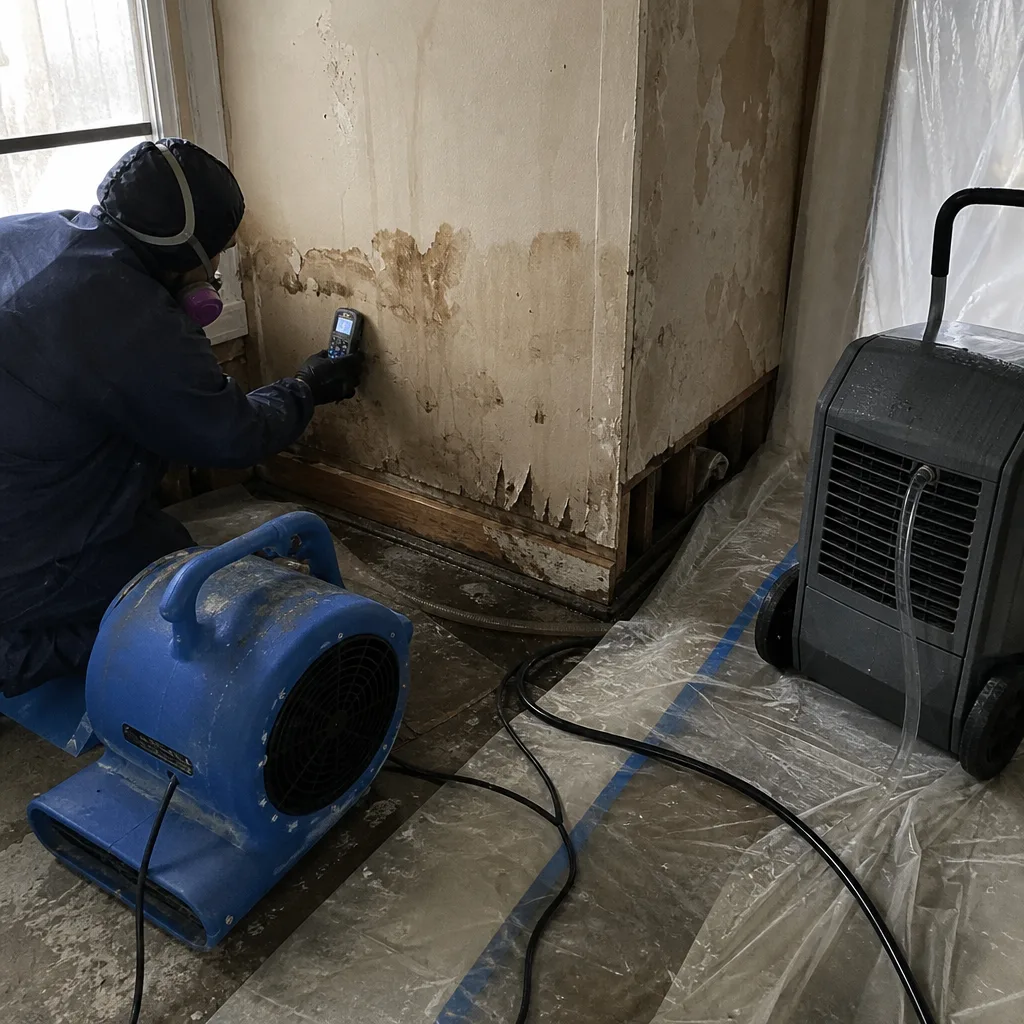 Before
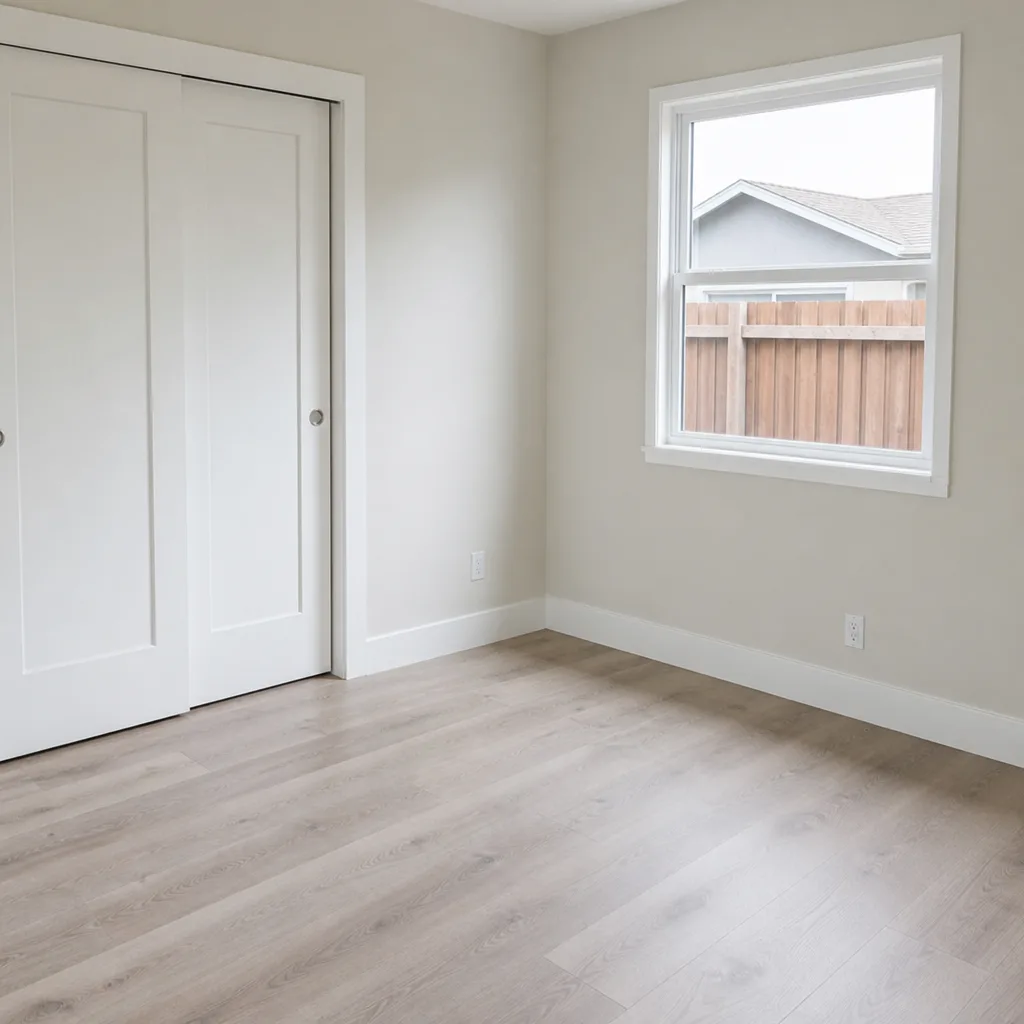 After
After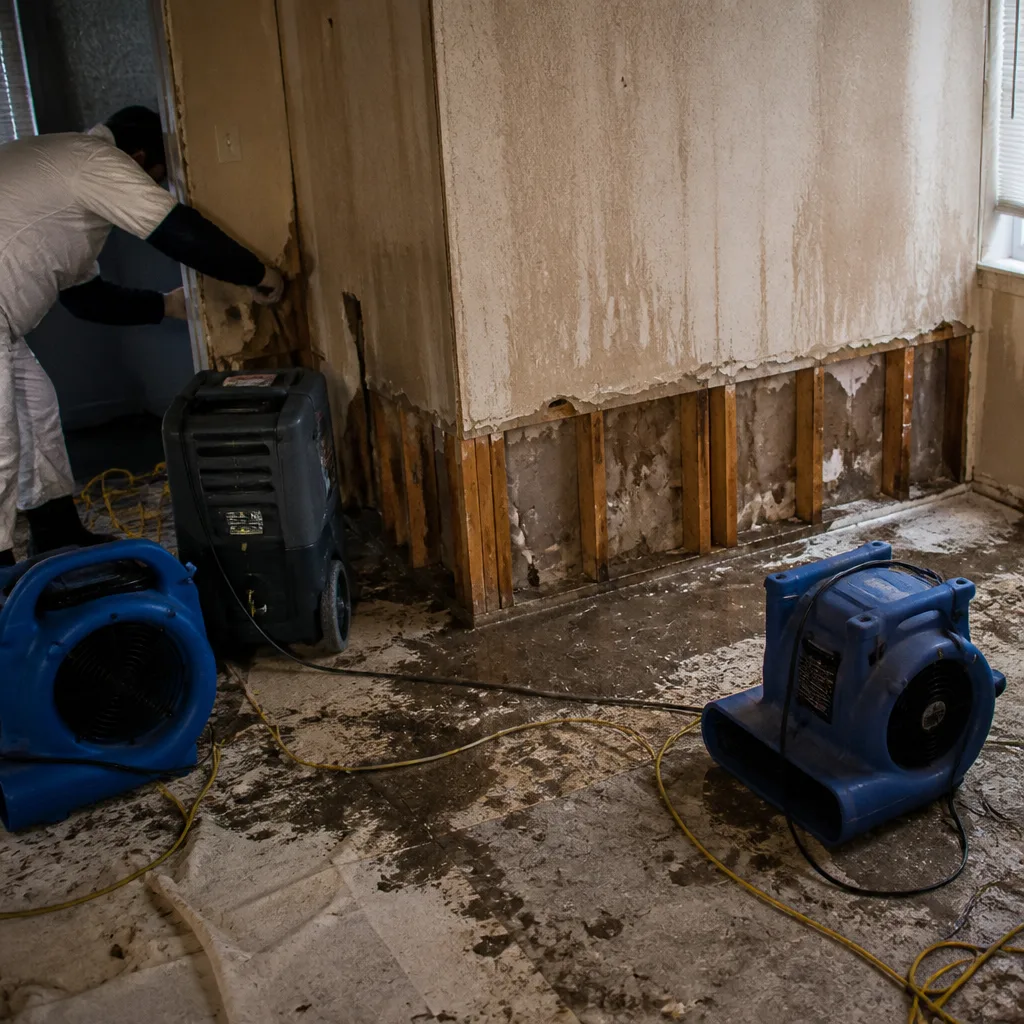 Before
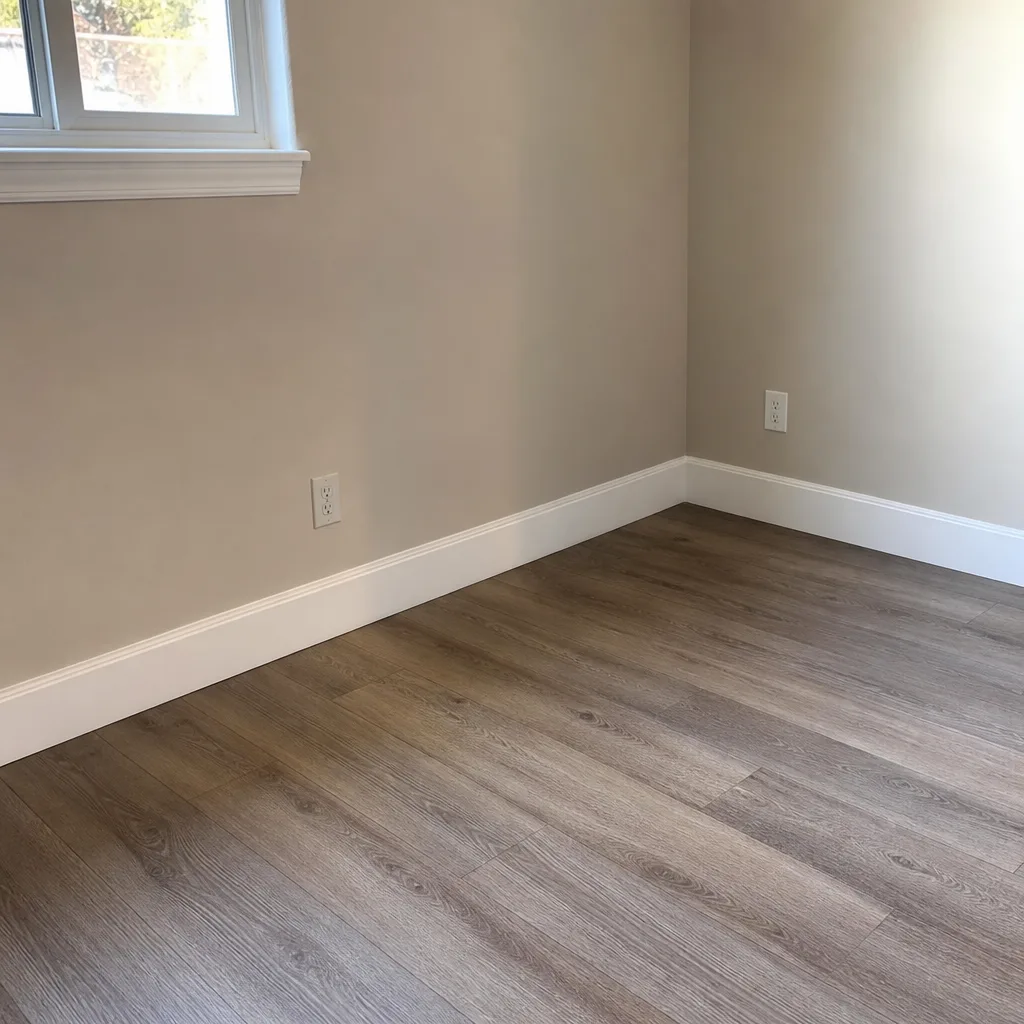 After
AfterDamage Restoration Cost Breakdown: The Santee Homeowner’s Reference for 2026
The single most expensive line item on many water damage invoices is “contents manipulation” - a charge that can range from $200 to $2,000 for moving furniture, with no standard unit that a homeowner can audit without knowing what to look for. In Santee, where many homes built between 1970 and 1995 contain finished basements, built-in storage, and dense furniture layouts, this ambiguous charge can balloon faster than the drying itself. This guide translates every major cost category on a restoration invoice into verifiable numbers, using the same Xactimate pricing database your insurer’s adjuster references. For more guides & resources on navigating insurance claims and restoration costs, visit our blog. You’ll learn which charges are protocol-required, which are negotiable, and how to read a written scope before anyone starts work.
Quick Answer
Water damage restoration in Santee typically runs $3.50-$6.50 per square foot for Category 2 extraction and drying, mold remediation averages $15-$30 per square foot of affected surface, and fire damage restoration starts around $4.50-$8.00 per square foot but varies widely based on structural involvement. Most Santee homeowners with standard HO-3 policies pay their deductible plus any depreciation gap on actual cash value coverage, while replacement cost value policies cover full restoration minus the deductible alone. A complete, itemized estimate should list every piece of equipment by day rate and quantity, every material by linear or square foot, and every labor classification by hour - anything less is incomplete under Haven Standard, Clause 1.
Table of Contents
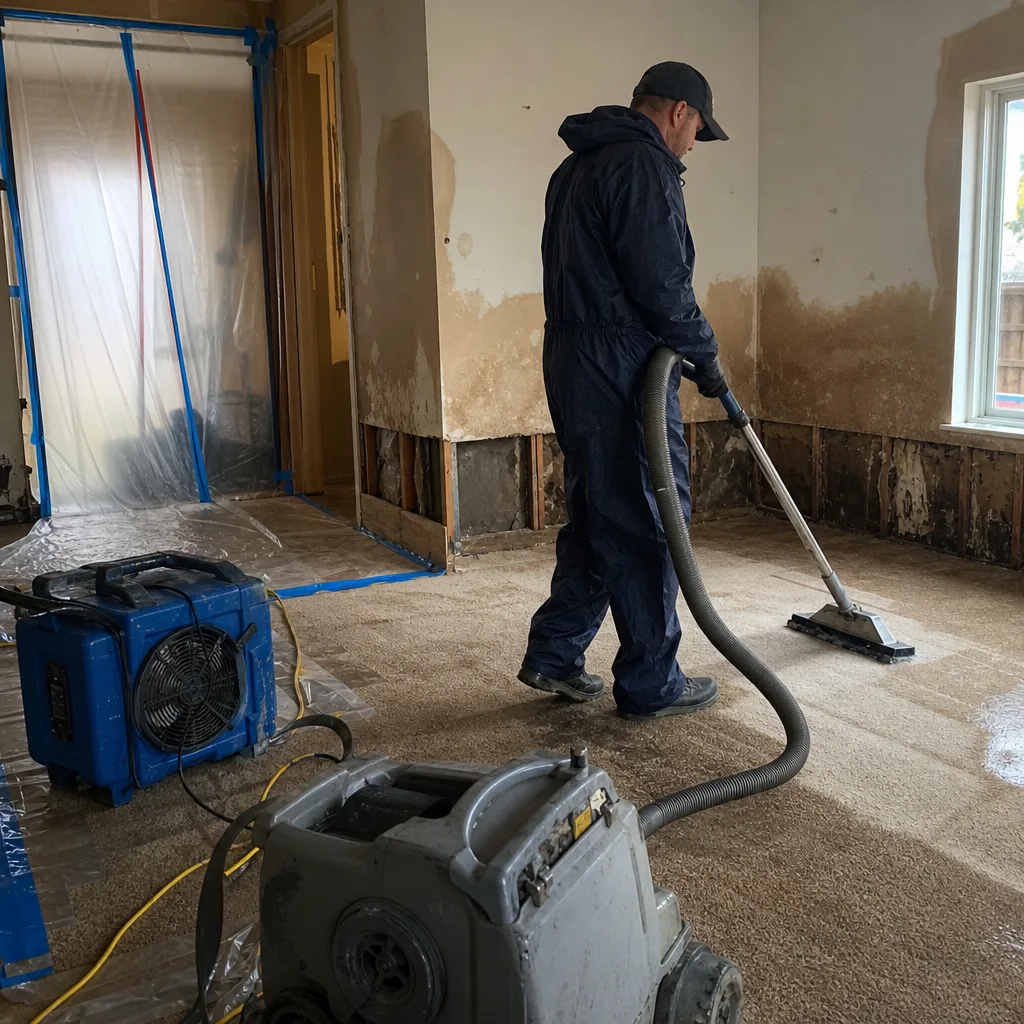
- 2026 Xactimate Benchmark Ranges for Santee Restoration
- Three Legitimate Cost Drivers in the Santee Market
- Non-Negotiable Protocol Items vs. Discretionary Add-Ons
- How Insurance Math Works: ACV, RCV, Depreciation, and Your Deductible
- What a Complete Written Estimate Looks Like
- Equipment, Drying Logs, and the Documentation That Gets Claims Paid
- Common Mistakes to Avoid
- When to Call a Professional
- Frequently Asked Questions
BeforeAfter2026 Xactimate Benchmark Ranges for Santee Restoration
Xactimate is the pricing engine that powers most insurance claims in North America. Adjusters, contractors, and dispute mediators all reference the same line-item database, updated quarterly. The figures below reflect San Diego County pricing tiers as of Q1 2026, which is what you’ll see on a properly prepared estimate in Santee.
Water Damage: Category 2 (Gray Water) Extraction and Structural Drying
| Line Item | Unit | 2026 Range |
|---|---|---|
| Water extraction (truck-mounted) | Per square foot | $0.75 - $1.25 |
| Water extraction (portable unit) | Per square foot | $0.55 - $0.95 |
| Structural drying (air movers) | Per day, per unit | $25 - $40 |
| Structural drying (LGR dehumidifiers) | Per day, per unit | $85 - $140 |
| Structural drying (desiccant dehumidifiers) | Per day, per unit | $175 - $325 |
| Injectidry hardwood floor drying system | Per day, per unit | $95 - $165 |
| Applied antimicrobial | Per square foot | $0.35 - $0.65 |
| Contents manipulation (furniture moving) | Per hour, per technician | $65 - $95 |
| Contents pack-out and storage | Per cubic foot, per month | $4.50 - $8.50 |
| Category 2 water loss, complete dry-out | Per square foot, total project | $3.50 - $6.50 |
A 1,200-square-foot single-story home in Santee with a slab leak affecting 400 square feet of living area, standard 8-foot ceilings, and no contents pack-out typically generates a drying invoice of $2,800-$4,200 over 3-5 days. Add a finished basement in a home near Walker Preserve, where we regularly see sump pump failures during winter storm sequences, and the same water source can double the affected cubic footage without changing the source classification.
Mold Remediation
| Line Item | Unit | 2026 Range |
|---|---|---|
| Containment build (poly sheeting, negative air) | Per linear foot | $8 - $15 |
| HEPA air scrubber rental | Per day, per unit | $75 - $125 |
| Mold remediation (non-structural, cleanable surfaces) | Per square foot | $15 - $22 |
| Mold remediation (semi-porous, controlled demolition) | Per square foot | $22 - $30 |
| Post-remediation verification (air sampling) | Per sample | $125 - $250 |
Santee’s mold pricing runs toward the higher end of San Diego County averages because of the canyon-adjacent microclimates. Homes near Mission Trails or along the San Diego River corridor experience higher sustained humidity in spring and fall, which extends drying times and increases the probability of secondary mold growth after a water loss. We’ve documented 72-hour mold colonization in Santee garages with failed water heaters where the ambient humidity stayed above 65% - a timeline that surprises homeowners who expect a 48-hour safe window.
Fire and Smoke Damage Restoration
| Line Item | Unit | 2026 Range |
|---|---|---|
| Structural cleaning (light smoke, wet washing) | Per square foot | $4.50 - $6.50 |
| Structural cleaning (heavy smoke, thermal fogging) | Per square foot | $6.50 - $8.00 |
| Contents cleaning (on-site, ultrasonic) | Per cubic foot | $6 - $12 |
| Ozone treatment | Per hour, per generator | $45 - $75 |
| Drywall tear-out (fire-damaged) | Per linear foot | $4 - $7 |
| Drywall replacement (standard 1/2″) | Per linear foot | $6 - $10 |
Fire restoration is the least predictable category because the scope depends heavily on what burned. A kitchen grease fire in a Santee townhome near Santee Town Center Center typically requires 200-400 square feet of cleaning and partial reconstruction. A wildfire exposure event, increasingly common in East County interface zones, can require whole-house cleaning even without structural flame contact because of the acidic, oily residue from burning vegetation.
Reconstruction and Build-Back
| Line Item | Unit | 2026 Range |
|---|---|---|
| Drywall tear-out (water-damaged, non-hazardous) | Per linear foot | $3.50 - $5.50 |
| Drywall installation and finish | Per linear foot | $6 - $10 |
| Baseboard removal and replacement | Per linear foot | $4.50 - $7.50 |
| Floating floor removal (laminate/LVP) | Per square foot | $1.50 - $2.50 |
| Carpet pad removal and disposal | Per square foot | $1.25 - $2.00 |
| Carpet reinstallation (existing carpet) | Per square foot | $2.50 - $4.00 |
Reconstruction is scoped and scheduled, not dispatched. A written price before work begins applies here just as it does for emergency mitigation, but the timeline is measured in weeks, not hours. In Santee, where many homes in neighborhoods like Sky Ranch and Carlton Hills were built with textured ceilings and custom trim profiles that are now discontinued, matching existing finishes can add 15-25% to standard replacement costs.
Three Legitimate Cost Drivers in the Santee Market
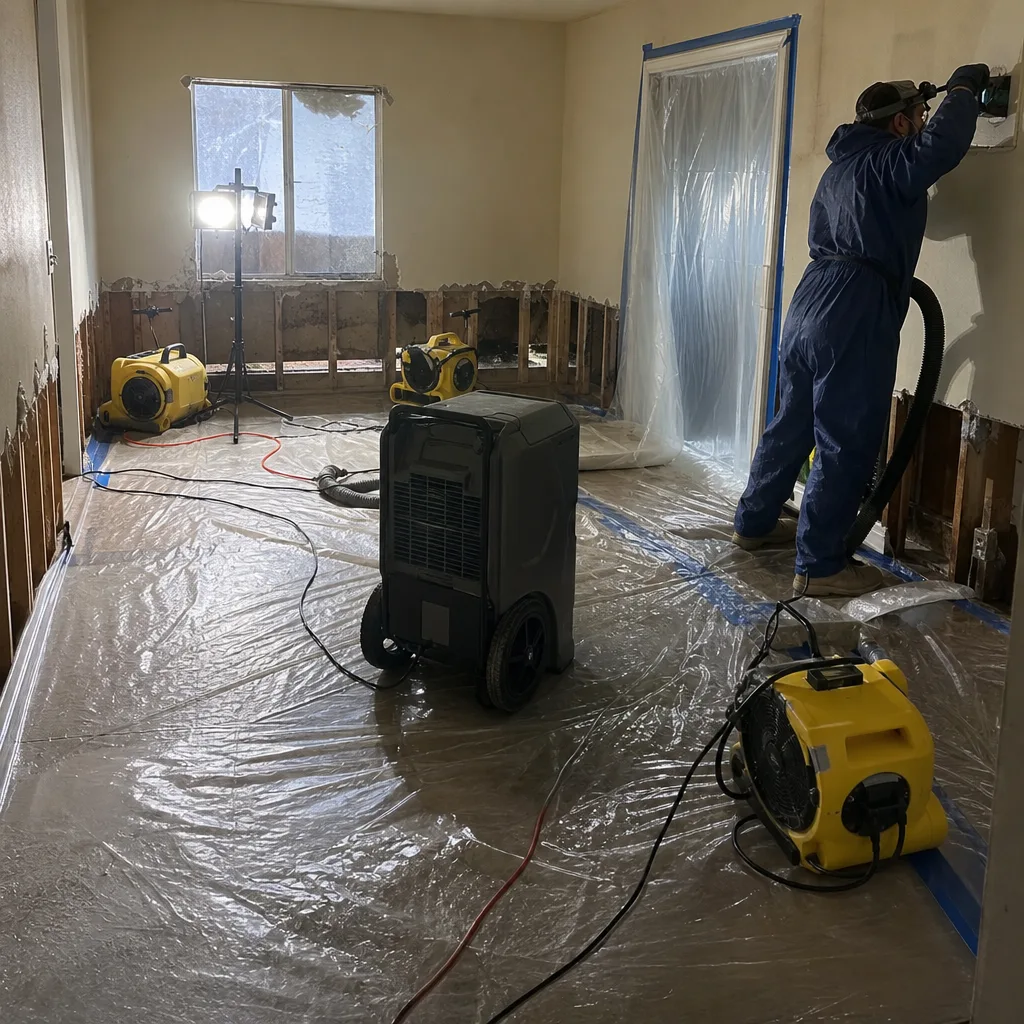
Not every high invoice is inflated. Three structural factors push Santee restoration costs above inland empire averages, and each one is verifiable on a properly itemized estimate.
1. Disposal Haul Distance
Santee sits 18-25 miles from the nearest construction and demolition debris facilities that accept water-damaged materials. The Miramar Landfill accepts limited C&D loads; most contaminated drywall, insulation, and carpet pad must travel to Otay Mesa or Riverside County transfer stations. Xactimate codes this as “dump fees” and “haul time,” but the per-ton rate in San Diego County runs $85-$140 versus $45-$70 in San Bernardino or Riverside. A 2,000-square-foot water loss with full drywall removal in a Santee home can generate 6-8 tons of debris. The haul distance adds $400-$900 to the invoice compared to an identical loss in Hemet or Temecula.
We document this on every estimate: the disposal facility name, the per-ton rate, and the loaded truck miles. It’s a line item you can verify with a phone call.
2. San Diego County Permit Fees
Any reconstruction involving electrical, plumbing, or structural repair requires permits and inspections through the County of San Diego or the City of Santee, depending on jurisdiction. Santee city limits overlap with county unincorporated areas in ways that confuse even experienced contractors. A home on Magnolia Avenue may fall under city inspection; one on Fanita Drive, three blocks away, may require county scheduling.
Permit fees themselves are modest - $150-$400 for most residential restoration scopes - but the inspection scheduling adds timeline risk. County inspections currently run 5-7 business days for framing and 7-10 days for final. Each delay extends temporary protective measures, rental equipment, or homeowner displacement costs. We flag jurisdiction on every written scope so the homeowner understands why a simple drywall repair might take two weeks from tear-out to paint.
3. Equipment Transport for Remote East County Addresses
Santee’s eastern neighborhoods - Dehesa, parts of Crest, and the rural-interface properties along Highway 94 - sit outside standard contractor response zones for San Diego-based firms. Equipment mobilization from our staging facility to a Crest property adds 35-45 minutes each way. For drying jobs requiring daily moisture readings and equipment rotation, that transport time converts to labor hours on the invoice.
Xactimate handles this through “trip charge” or “mileage” line items, but many contractors bury it in overhead rather than itemizing it. We list it separately: miles traveled, loaded rate per mile, and the technician name assigned. It’s not hidden, and it’s not marked up.
Non-Negotiable Protocol Items vs. Discretionary Add-Ons
The IICRC S500 (water damage) and S520 (mold remediation) standards establish minimum protocols. Following them is not optional if you want a dry structure and a paid claim. But within those standards, scope decisions exist that can raise or lower the invoice without compromising the outcome.
Non-Negotiable: IICRC Protocol-Required Items
- Moisture mapping and psychrometric documentation. Every drying job requires daily readings of temperature, relative humidity, and specific humidity, plotted against drying goals. Without this data, an insurer can deny the invoice as undocumented. The equipment - thermohygrometers, moisture meters, thermal imaging - is standard on every job we perform.
- Category-appropriate antimicrobial application. Category 2 and 3 water losses require EPA-registered antimicrobials on affected surfaces. The product choice varies by material sensitivity, but the application itself is not optional.
- Negative air containment for mold remediation. IICRC S520 mandates containment barriers and negative pressure differential (minimum -0.02 inches of water column) for any mold-impacted area exceeding 10 square feet. HEPA air scrubbers run continuously during remediation and for a documented clearance period afterward.
- Post-remediation verification. Mold jobs require either visual inspection with moisture confirmation or third-party air sampling before containment removal. We include this as a standard deliverable, never an upsell.
Discretionary: Scope Decisions That Affect Price
- Contents manipulation vs. pack-out. Moving furniture within the affected room costs $65-$95 per technician hour. Packing contents, transporting them to climate-controlled storage, and tracking them with photo documentation costs $4.50-$8.50 per cubic foot monthly plus transport. For a Santee home with 400 cubic feet of affected contents, that’s $1,800-$3,400 monthly versus perhaps 4-6 hours of in-place manipulation at $260-$570. The drying outcome is identical if the contents don’t block airflow. We scope this decision with the homeowner before work begins.
- Injectidry hardwood floor rescue vs. removal. The Injectidry system, which pulls moisture through fluted panels attached to a negative air manifold, can save original hardwood at $95-$165 per day for 5-10 days. Removal and replacement of the same floor runs $8-$14 per square foot installed. For a 300-square-foot living room, Injectidry rescue at $475-$1,650 often beats replacement at $2,400-$4,200. But if the hardwood is engineered with a compromised substrate, rescue fails and the homeowner pays both. We test substrate moisture before recommending either path.
- Desiccant vs. LGR dehumidification. Low-grain refrigerant (LGR) dehumidifiers handle most Santee residential drying at $85-$140 per day. Desiccant units, which use silica gel to achieve ultra-low specific humidity, run $175-$325 per day and are protocol-required only for dense structural materials (hardwood, plaster, concrete) or when outdoor dew points exceed indoor targets. A contractor placing desiccants on standard drywall drying is overscoping. We specify the dehumidifier type and the psychrometric justification on every drying log.
How Insurance Math Works: ACV, RCV, Depreciation, and Your Deductible
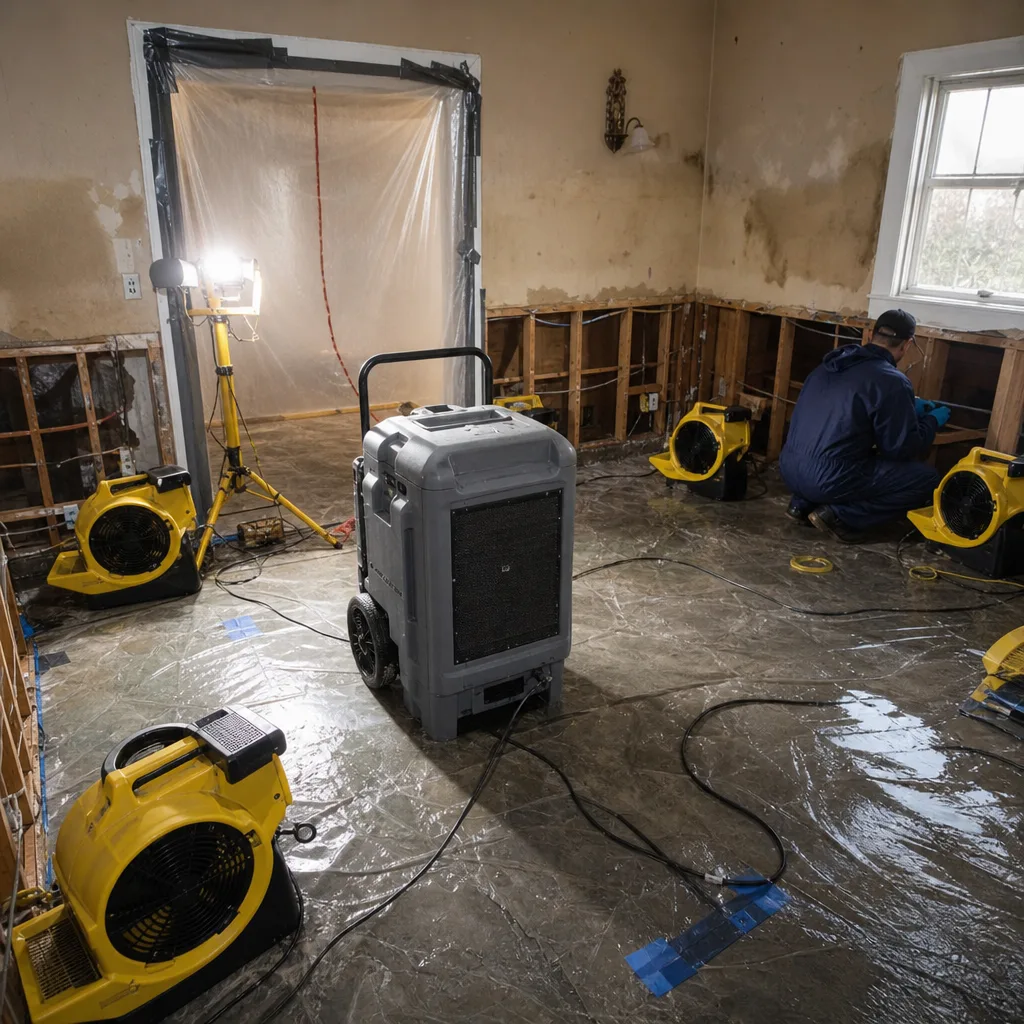
The gross invoice number and the homeowner’s out-of-pocket cost are rarely the same. Understanding the gap requires reading your policy’s loss settlement clause, which most homeowners do not do until after the loss.
Step 1: Determine Your Settlement Method
- Actual Cash Value (ACV): The insurer pays replacement cost minus depreciation based on age and condition. A 12-year-old water heater that caused the loss isn’t covered, but the 12-year-old drywall it destroyed is paid at depreciated value - perhaps 40-60% of replacement cost.
- Replacement Cost Value (RCV): The insurer pays full replacement cost, but typically holds back depreciation as a recoverable depreciation holdback until the work is completed and documented. You must spend the replacement amount to recover the holdback; if you settle for less, the insurer keeps the difference.
Step 2: Apply the Deductible
Your deductible - commonly $1,000, $2,500, or $5,000 for water damage in California - applies to the settlement amount, not the gross invoice. A $15,000 RCV loss with a $2,500 deductible generates a $12,500 insurance payment. The contractor’s invoice might be $14,500 or $16,000 depending on scope; the gap is the homeowner’s responsibility unless supplemental claims are filed and approved.
Step 3: Understand Depreciation Holdbacks
On an RCV policy, the initial payment is often ACV minus deductible. The recoverable depreciation - the holdback - is released when the insurer receives proof of completion: final invoice, photo documentation, and sometimes a certificate of completion. This is where documentation-first restoration becomes financially critical. A contractor who doesn’t produce daily drying logs, photo records, and a final moisture map gives the insurer grounds to delay or deny the holdback release.
We’ve handled supplemental claims for Santee homeowners whose initial adjuster scoped 12 linear feet of drywall replacement when 34 feet were actually wet. The difference - $132 versus $374 - seems small, but aggregated across flooring, insulation, paint, and trim, supplemental claims often run 20-40% of the original estimate. We document the discrepancy with moisture readings and photo evidence, then submit the supplemental directly to the adjuster. No documentation, no supplement. Haven Standard, Clause 4: photo record on every visit.
What a Complete Written Estimate Looks Like
Haven Standard, Clause 1 requires a written price before any work starts. Not a verbal range. Not a “we’ll bill time and materials.” A signed, itemized document that the homeowner can compare to the adjuster’s estimate line by line. Here’s what belongs in that document, and what its absence signals.
Required Elements
- Equipment quantities and day rates. “4 air movers @ $32/day, 2 LGR dehumidifiers @ $115/day, 1 Injectidry panel system @ $140/day.” Not “drying equipment: $1,200.”
- Labor classifications and hourly rates. Water damage technician, mold remediation specialist, reconstruction carpenter - each at a stated rate, with estimated hours per phase.
- Material specifications by trade name. “Antimicrobial: Fiberlock ShockWave, EPA Reg. No. 10324-93-63838” or equivalent. Not “disinfectant: $85.”
- Scope conditions and exclusions. “Estimate assumes accessible crawl space with minimum 18-inch clearance. If subfloor requires removal for access, additional scope to be written and signed before proceeding.”
- Timeline with milestones. “Day 1: extraction and equipment placement. Day 2-5: drying with daily monitoring. Day 6: post-dry verification and equipment removal.” Not “3-5 days estimated.”
Red Flags: What an Incomplete Estimate Omits
- No equipment quantities - you cannot verify daily rates without knowing how many units.
- No material brand or specification - you cannot cross-check unit pricing.
- No scope conditions - the contractor can claim “unforeseen conditions” to add 30% mid-job.
- No signature block for both parties - unilateral estimates are not contracts.
- No reference to IICRC, RIA, or IFA standards - the work may not meet insurer documentation requirements.
We provide this document on every job, every time, with no exceptions. If a competitor’s estimate lacks these elements, we offer a free second opinion - bring their written scope and we’ll review it against Xactimate benchmarks at no charge. Haven Standard, Clause 6.
Equipment, Drying Logs, and the Documentation That Gets Claims Paid
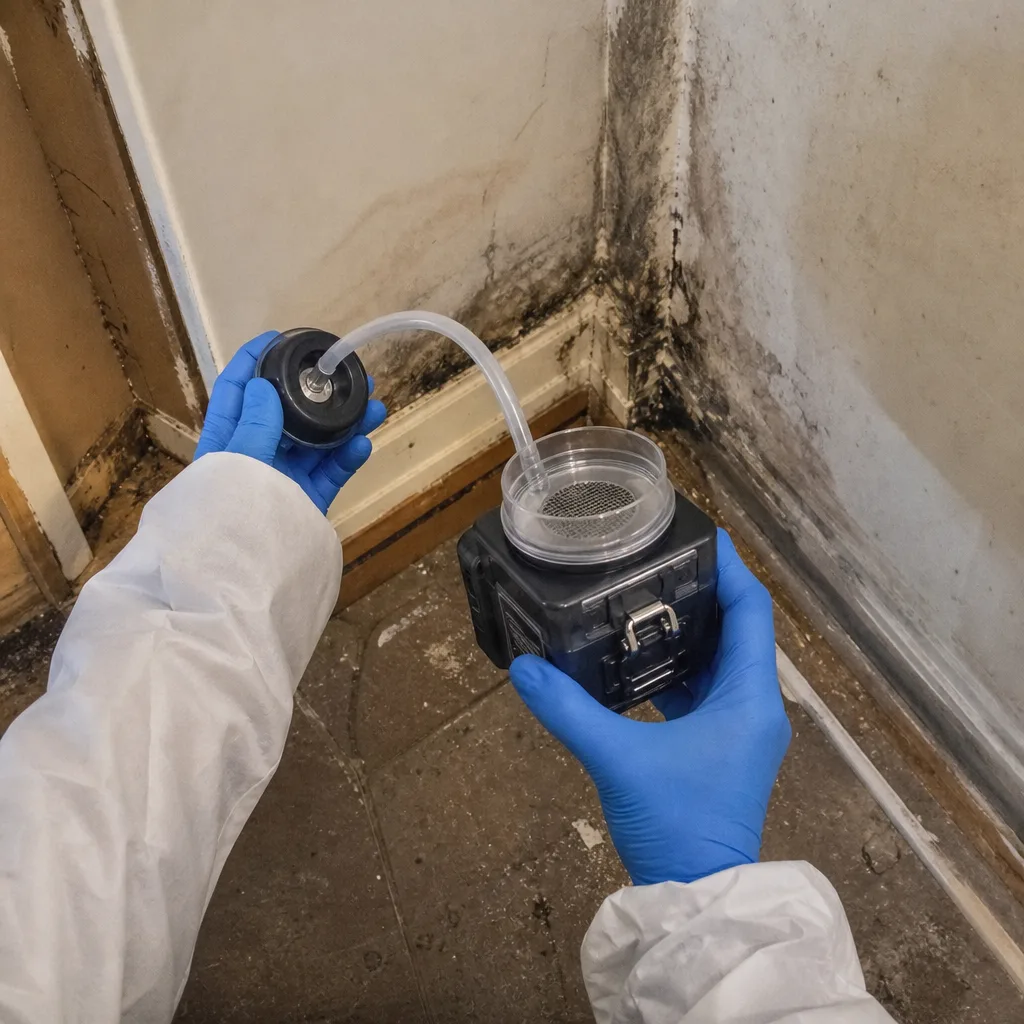
The equipment list on your estimate is not a formality. It is the basis for the daily drying log, which is the basis for the invoice, which is the basis for the insurance payment. Every piece of equipment should be justifiable by the affected cubic footage and the material class of the structure.
Air Mover Placement: The Rule of Thumb and the Reality
IICRC S500 suggests one air mover per 50-70 square feet of affected wet floor area, plus one for each wall offset or closet. A 400-square-foot open living area in a Santee ranch home might take 6-8 air movers. The same footage divided among four small bedrooms, a hallway, and a bathroom with a tub surround might take 10-12. The estimate should show the calculation, not just the total.
We use XPOWER and B-Air air movers on most residential jobs, with Dri-Eaz and Phoenix LGR dehumidifiers for standard drying. For dense materials or extended drying timelines, we deploy Injectidry systems for hardwood and subfloor drying, with psychrometric data justifying the selection. The brand name matters because it appears on the drying log, and the drying log appears in the claim file.
Psychrometric Data: What the Log Actually Records
Psychrometrics is the study of air and moisture relationships. In practical terms, it means tracking:
- Temperature (°F) at multiple points in the affected area
- Relative humidity (%RH) - the moisture the air is holding relative to its capacity
- Specific humidity (grains per pound) - the absolute moisture content, which is what actually changes as drying progresses
- Vapor pressure differential - the pressure difference between the wet material and the surrounding air, which drives evaporation
A drying log that only records “equipment on, equipment off” tells an adjuster nothing. A log that records daily grain depression - the reduction in specific humidity - proves the equipment was working and the structure was drying. We produce this log as a standard deliverable, formatted for direct submission to insurance.
Photo Documentation: The Standard, Not the Upsell
Every visit generates dated, geotagged photos: wide shots of the affected area, close-ups of moisture meter readings on the display, equipment placement with serial numbers visible, and post-dry verification shots with the same framing as the pre-dry photos. This is Haven Standard, Clause 4. Not a $150 add-on. Not “available upon request.” Included, every time, because sloppy documentation is how claims get denied and homeowners get stuck with invoices they thought were covered.
Common Mistakes to Avoid
- Accepting a lump-sum estimate without line-item detail. A single bottom-line number cannot be compared to Xactimate, cannot be supplemented if the adjuster disputes it, and cannot be audited if the scope changes. Haven Standard, Clause 1 exists to end this practice.
- Assuming all water is Category 1. A clean water source that sits for 72 hours becomes Category 2. A Category 2 loss that contacts soil or sewage becomes Category 3. The category determines antimicrobial protocol, disposal requirements, and insurance coverage. We test and document source and category on every job.
- Ignoring the crawl space or slab edge. Santee’s older homes, particularly in the river-adjacent neighborhoods near Mast Park, often have raised foundations with accessible crawl spaces or post-tension slabs with perimeter moisture wicking. Water travels horizontally under flooring and vertically through wall cavities. A scope that only addresses visible wet spots misses 30-50% of the actual moisture load.
- Letting the adjuster scope the job alone. Insurance adjusters are not restoration contractors. They estimate based on visible damage at a single point in time. Moisture mapping often reveals hidden damage that the adjuster’s initial scope omits. We meet adjusters on-site with our moisture readings and photo documentation, then submit a written scope for comparison.
- Signing a direction-to-pay without reviewing the scope. Some contractors ask homeowners to sign over insurance benefits directly. This removes your leverage if the work is incomplete or the invoice exceeds the scope. We do not use direction-to-pay arrangements; the homeowner retains control of the claim and pays us directly from insurance proceeds.
- Delaying the call to document. In Santee’s spring and fall humidity cycles, a 48-hour delay can convert a dryable structure into a mold remediation. But equally costly is starting demolition before photo-documenting the loss. We photograph before touching anything, because the “before” condition determines the restoration scope and the insurance payment.
When to Call a Professional
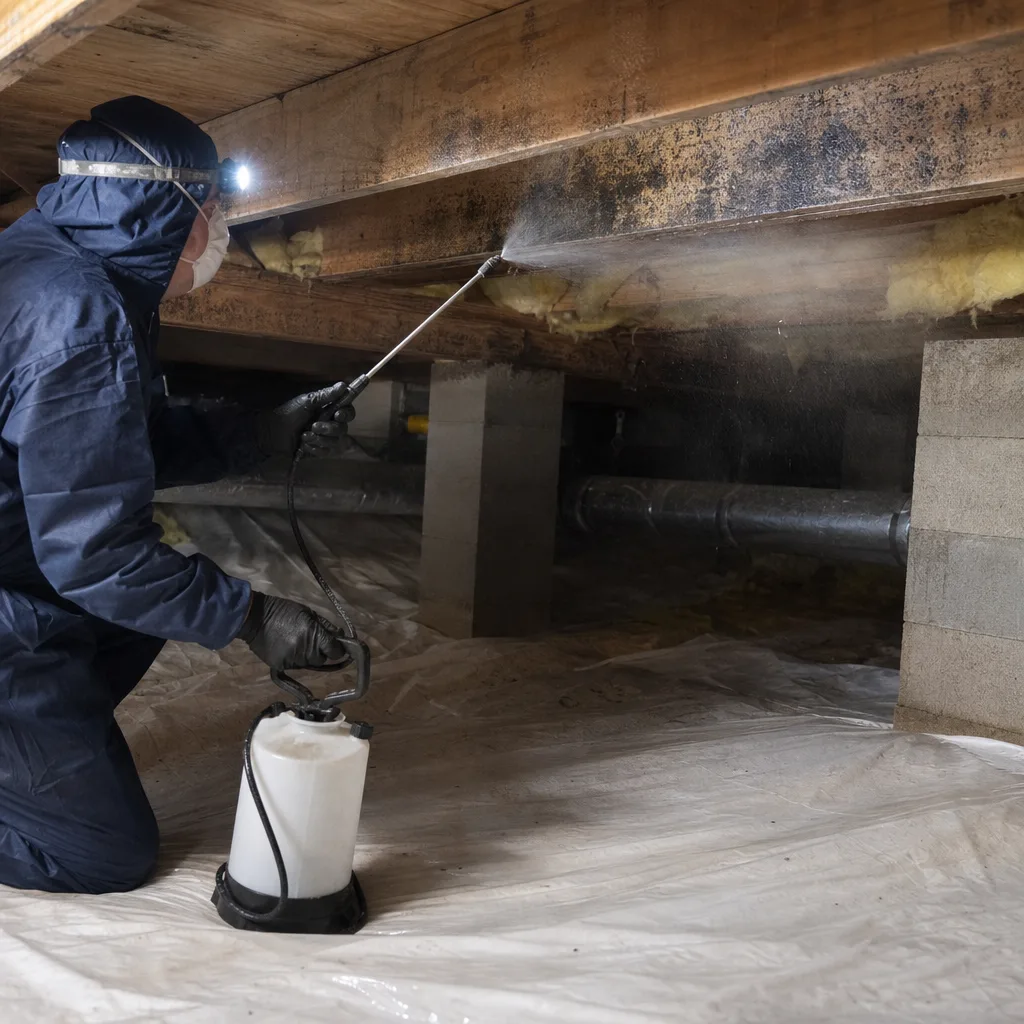
Call for professional assessment when water has affected more than a single small room, when you smell mustiness or see visible mold, when fire or smoke damage extends beyond a contained cooking incident, or when sewage or hazardous materials are involved. In Santee, where many homes sit on slabs with limited drainage or in canyon-adjacent zones with elevated humidity, water losses that seem minor often conceal significant moisture migration - see our Damage Restoration Warning Signs: A Santee Homeowner’s Reference Guide for what to watch for.
Water damage restoration in Santee requires same-day response to prevent secondary damage, and we provide live phone coverage 24 hours a day, 7 days a week with no voicemail on emergency lines. For mold, fire, or reconstruction needs, we schedule on-site assessments with written prices before work begins. DryMark Restoration Santee offers free estimates in Santee - call (619) 604-5535.
Frequently Asked Questions
Category 2 water extraction and structural drying in Santee typically runs $3.50-$6.50 per square foot of affected area, with the variation driven by ceiling height, material density, and whether contents manipulation or pack-out is required. Category 3 losses with sewage contamination run 40-60% higher due to disposal and antimicrobial protocols. Call (619) 604-5535 for an exact quote - estimates are free.
It depends on your policy’s loss settlement clause and your deductible. RCV policies cover full replacement cost minus deductible, with recoverable depreciation released upon documented completion. ACV policies pay depreciated value, leaving the homeowner responsible for the depreciation gap plus deductible. We review policy language with homeowners during our initial assessment and coordinate directly with adjusters to document scope. Call (619) 604-5535 to schedule a review.
We maintain live phone coverage 24 hours a day, 7 days a week with no voicemail on emergency lines. Response time to Santee addresses from our staging facility typically runs 45-90 minutes depending on traffic and the specific neighborhood. For water damage restoration in Santee, same-day equipment placement is standard; reconstruction is scheduled after written scope approval. Call (619) 604-5535 to confirm current availability.
IICRC S520 defines remediation as the removal, cleaning, sanitizing, demolition, or other treatment of mold-damaged materials, and it is required when mold growth exceeds 10 square feet or involves HVAC systems. Surface cleaning with household products is appropriate only for minor, non-porous contamination under that threshold. We assess visible growth and test hidden areas with moisture meters and thermal imaging before recommending either path. Call (619) 604-5535 for an assessment - estimates are free.
We do, with your authorization. Our documentation - daily drying logs, photo records, moisture maps, and written scopes - is formatted for direct adjuster submission. We meet adjusters on-site when possible, submit supplemental claims with evidence when the initial scope is insufficient, and keep the homeowner informed at each step. You retain control of the claim; we handle the technical documentation. Call (619) 604-5535 to discuss your specific claim.
A complete estimate lists every piece of equipment by quantity and day rate, every labor classification by hourly rate and estimated hours, every material by specification and unit cost, scope conditions and exclusions, and a timeline with milestones. Anything less is incomplete under Haven Standard, Clause 1, and you have the right to request detail or seek a second opinion. We provide this documentation on every job; we also review competitor estimates at no charge. Call (619) 604-5535 to schedule.
The Bottom Line
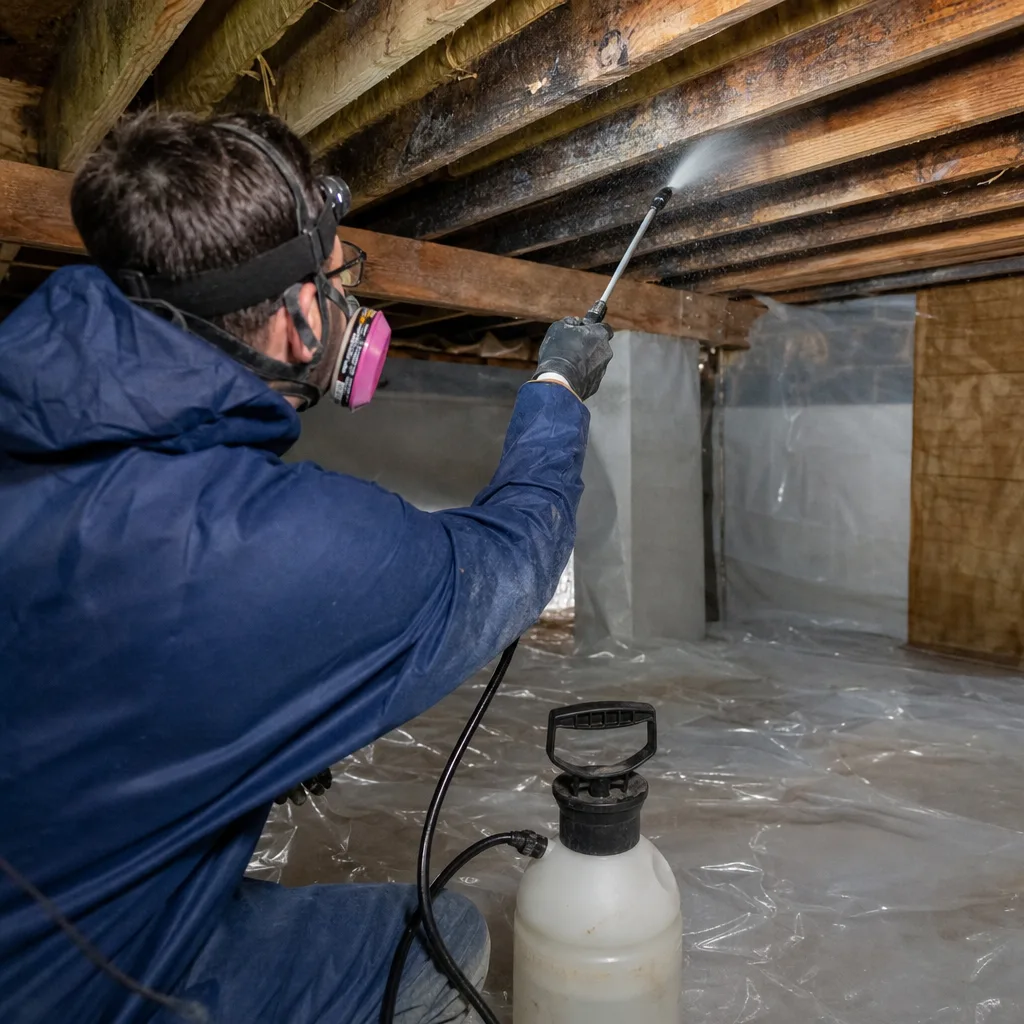
Restoration pricing in Santee is verifiable, line by line, against the same Xactimate database your insurer uses. The difference between a fair invoice and a disputed one comes down to documentation: equipment quantities stated upfront, daily psychrometric logs proving drying progress, photo records on every visit, and a written scope signed before work begins. High costs are legitimate when they’re itemized and justified; they’re suspect when they’re buried in lump sums or vague categories. Ask for the line items. Ask for the brand names. Ask for the drying log. Any contractor who can’t produce them is asking you to trust what you can’t verify - and in restoration, that’s where claims go unpaid.
Written by Alicia Brennan, Owner at DryMark Restoration Santee, serving Santee since 2011.