
Last updated September 23, 2026
Free visual inspection and a written scope of work before any mitigation begins - photos, moisture readings, and drying logs go in your claim file
The scope we write is the scope we bill. Anything new gets shown to you, in writing, before we touch it.
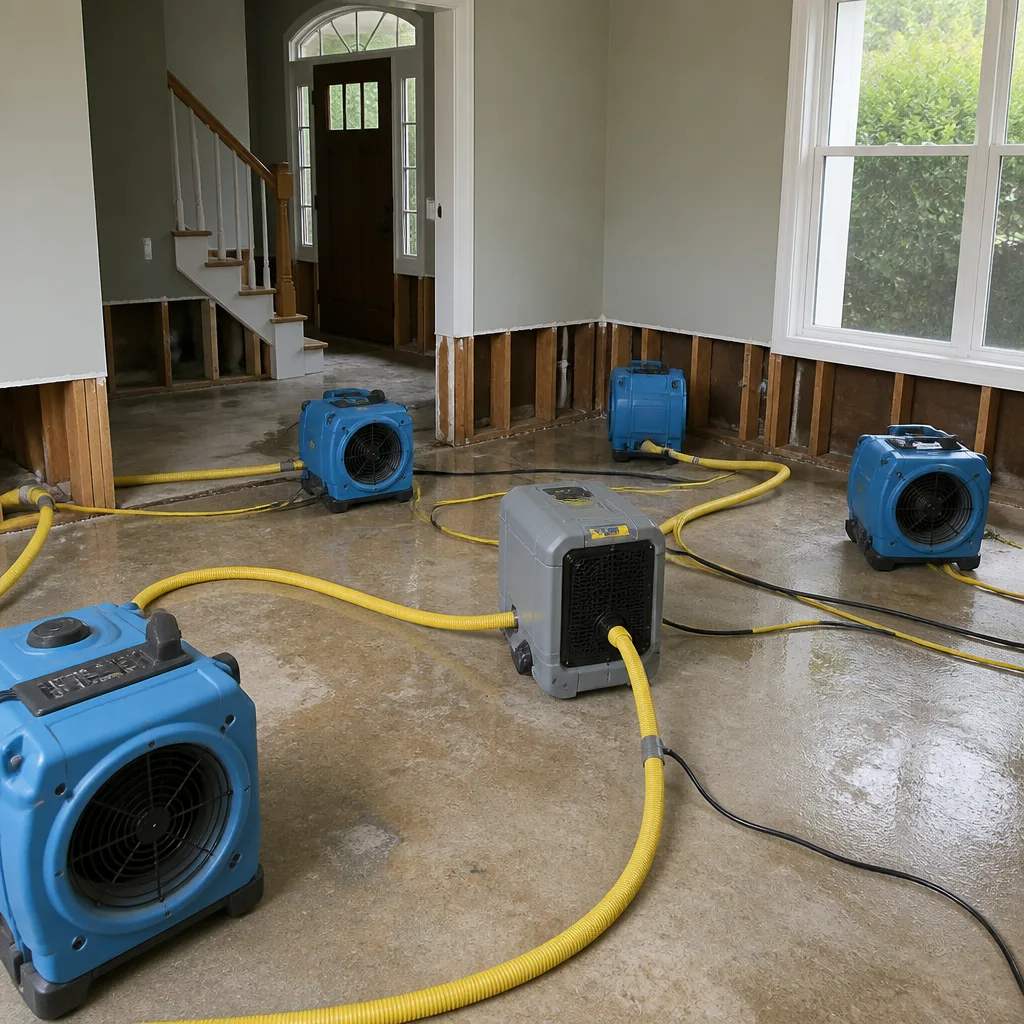
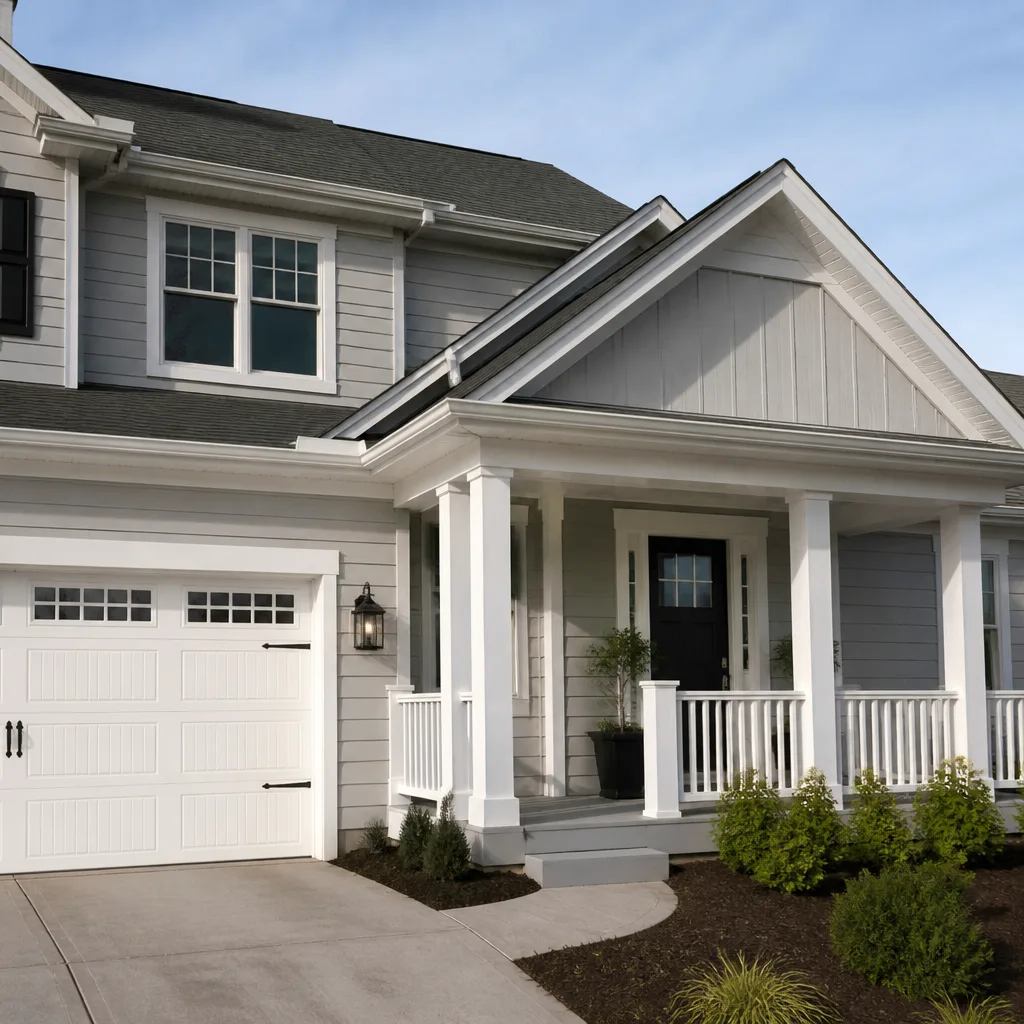
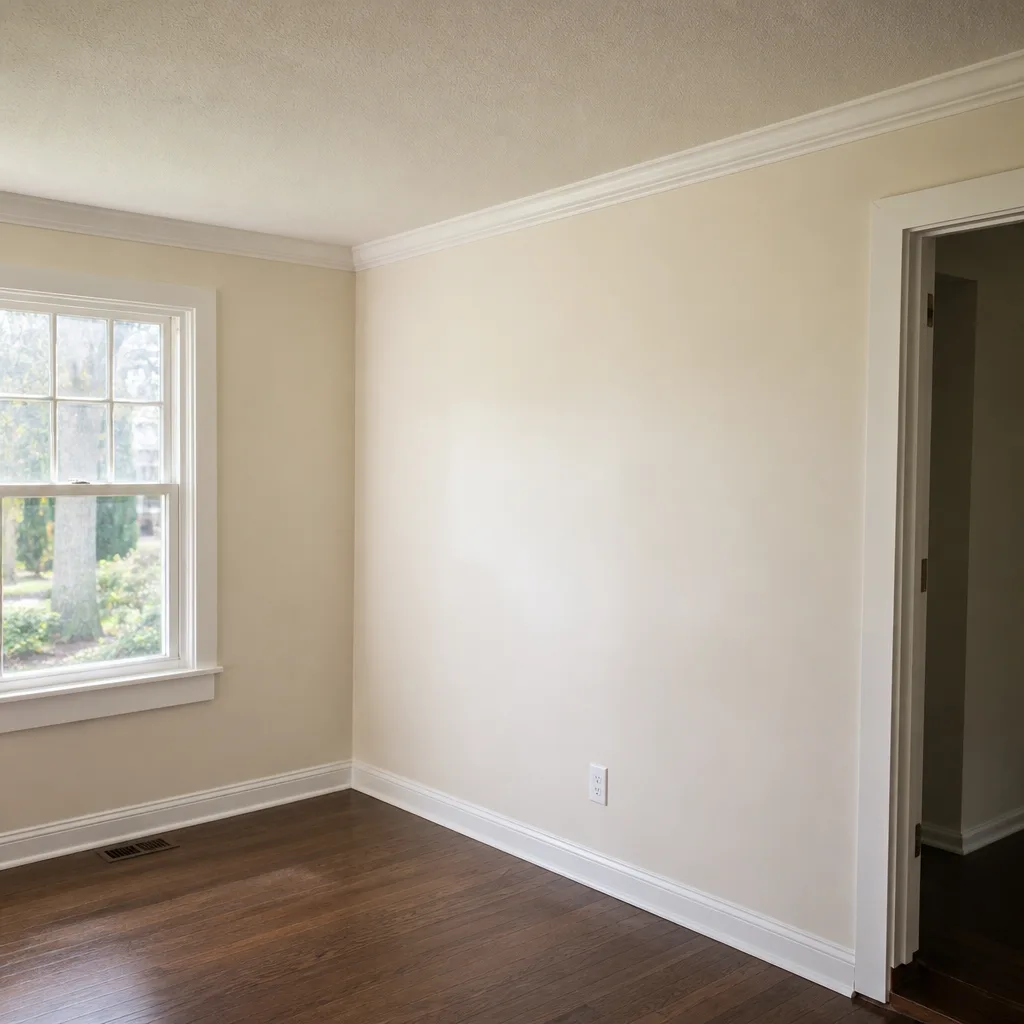
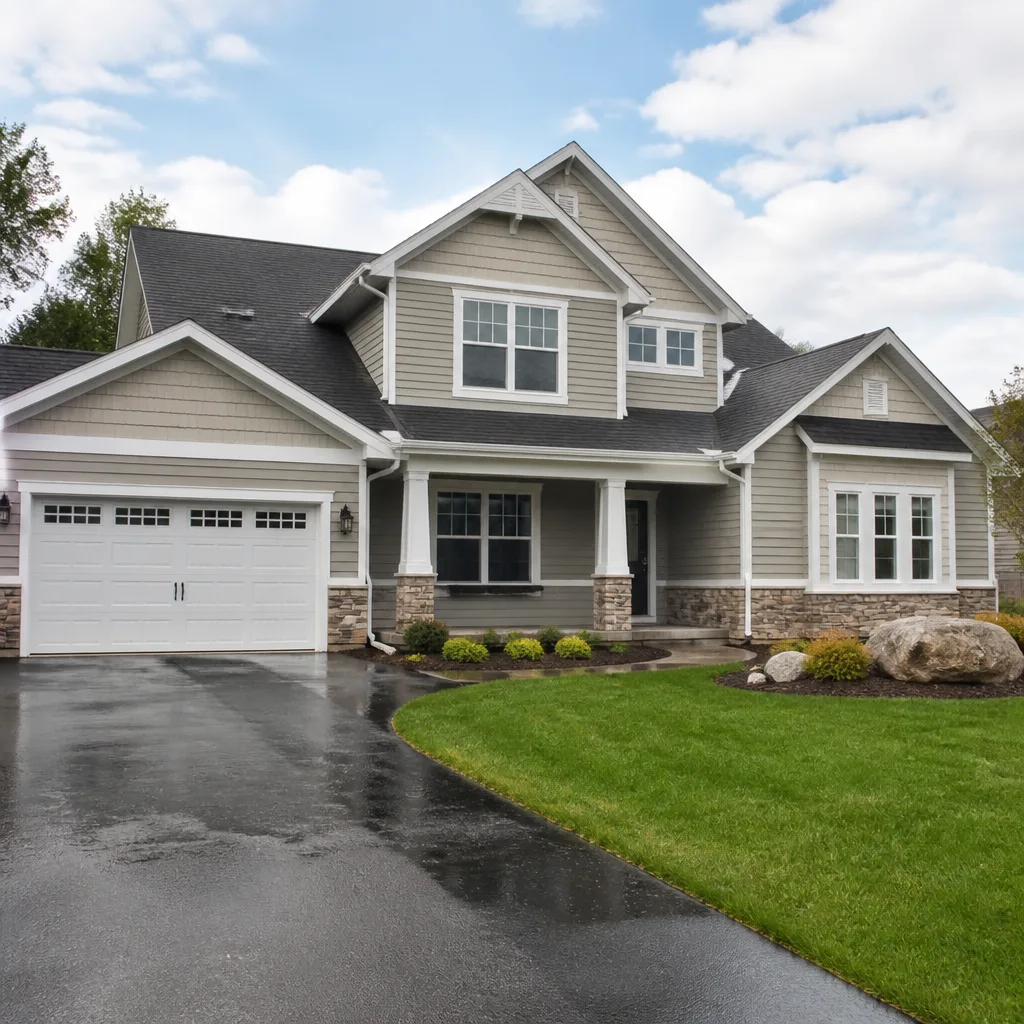
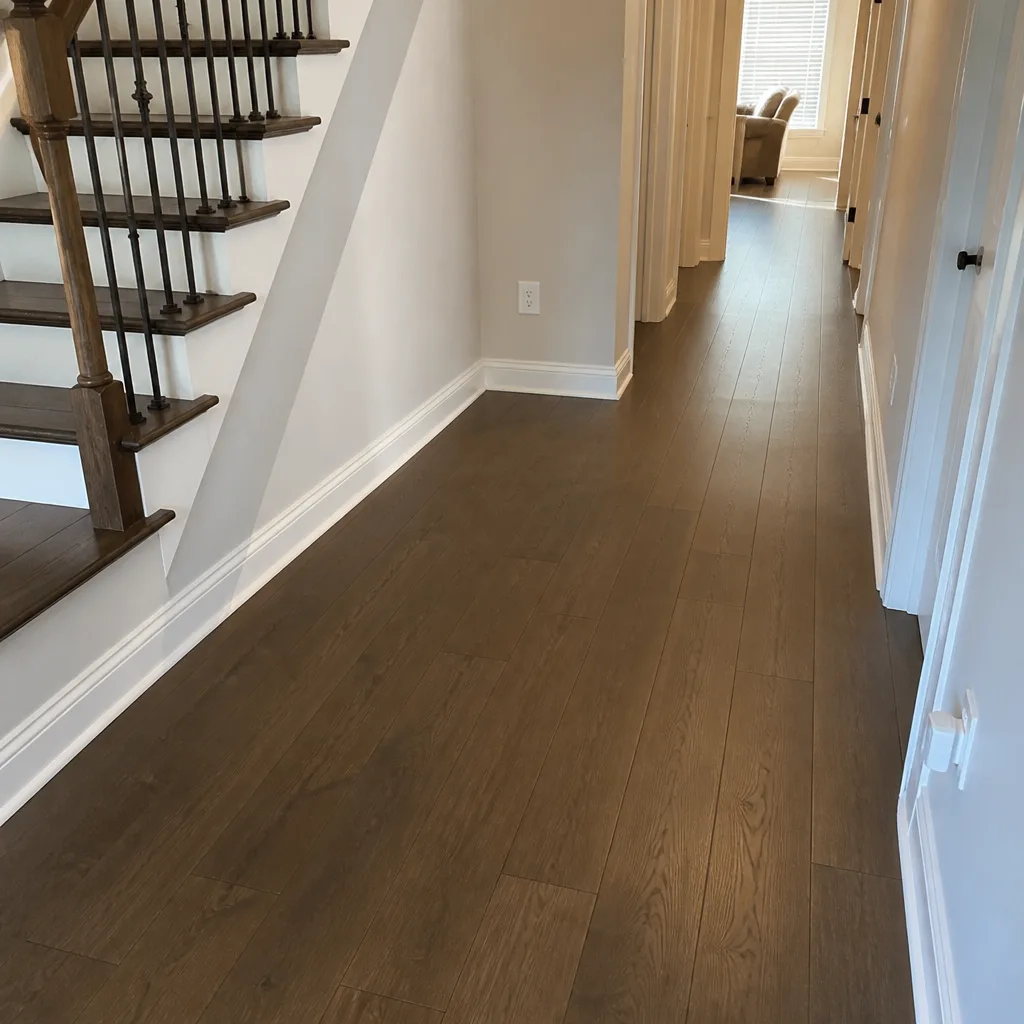
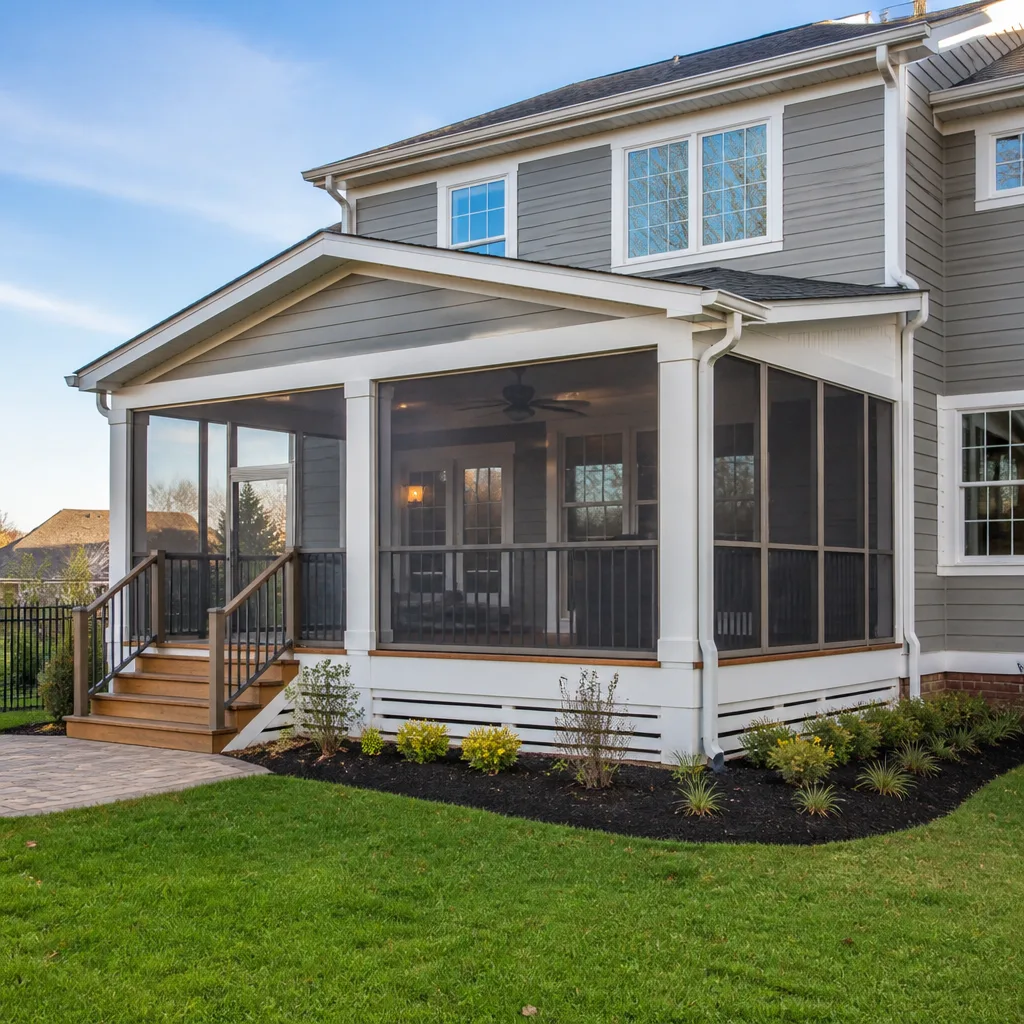
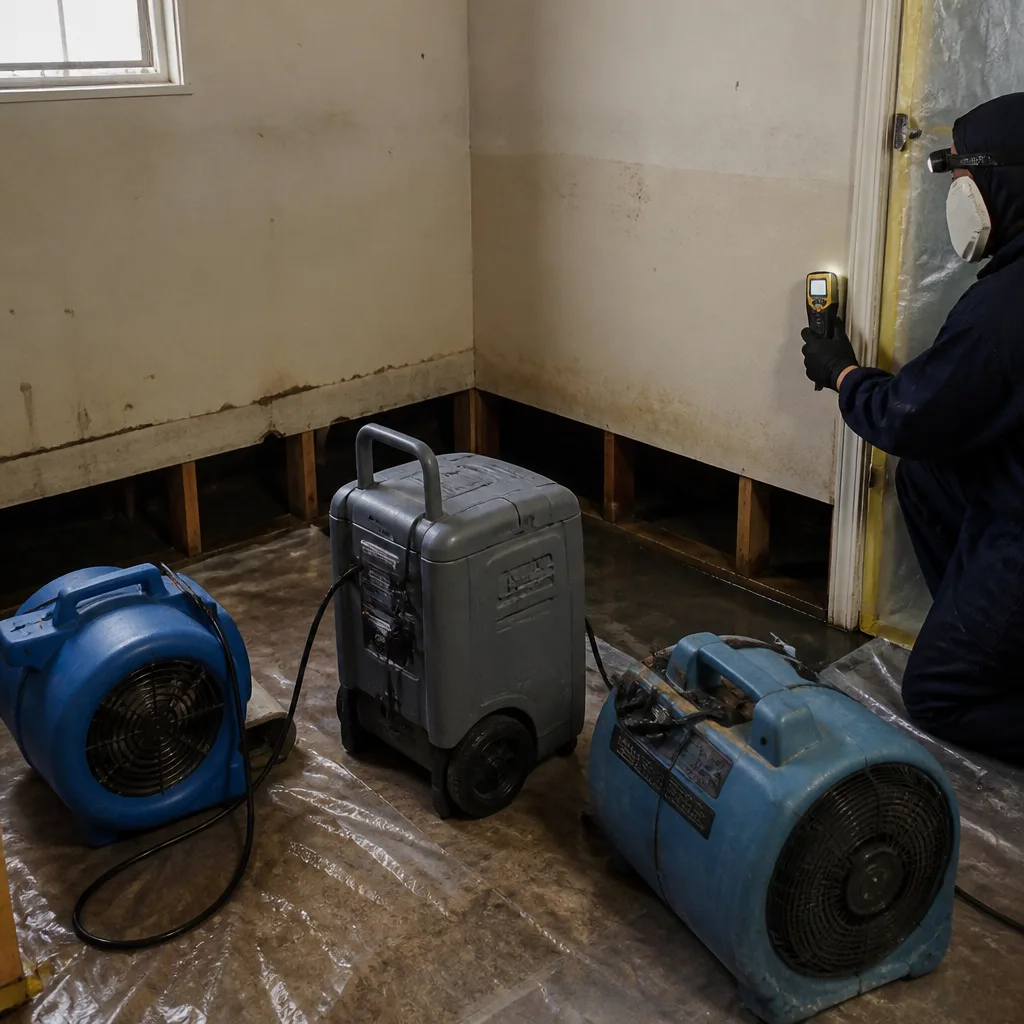 Before
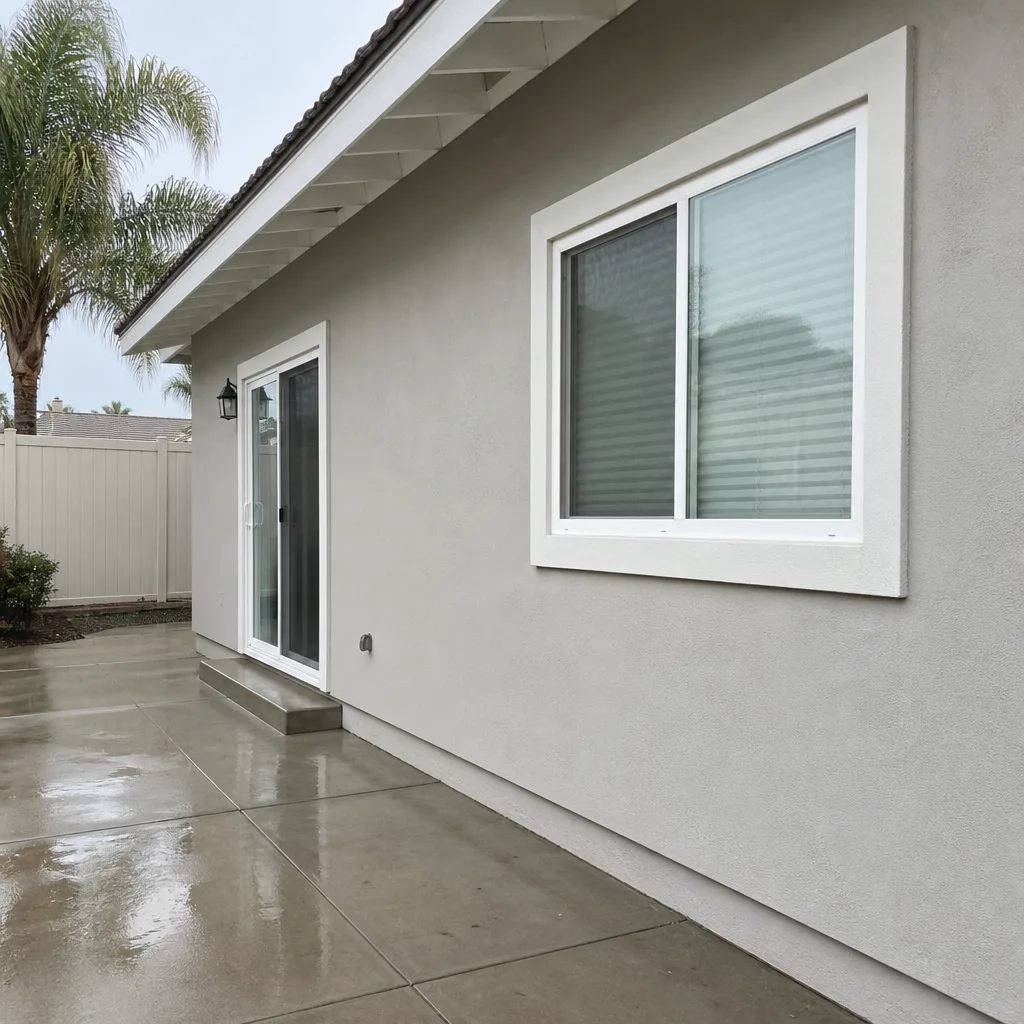 After
After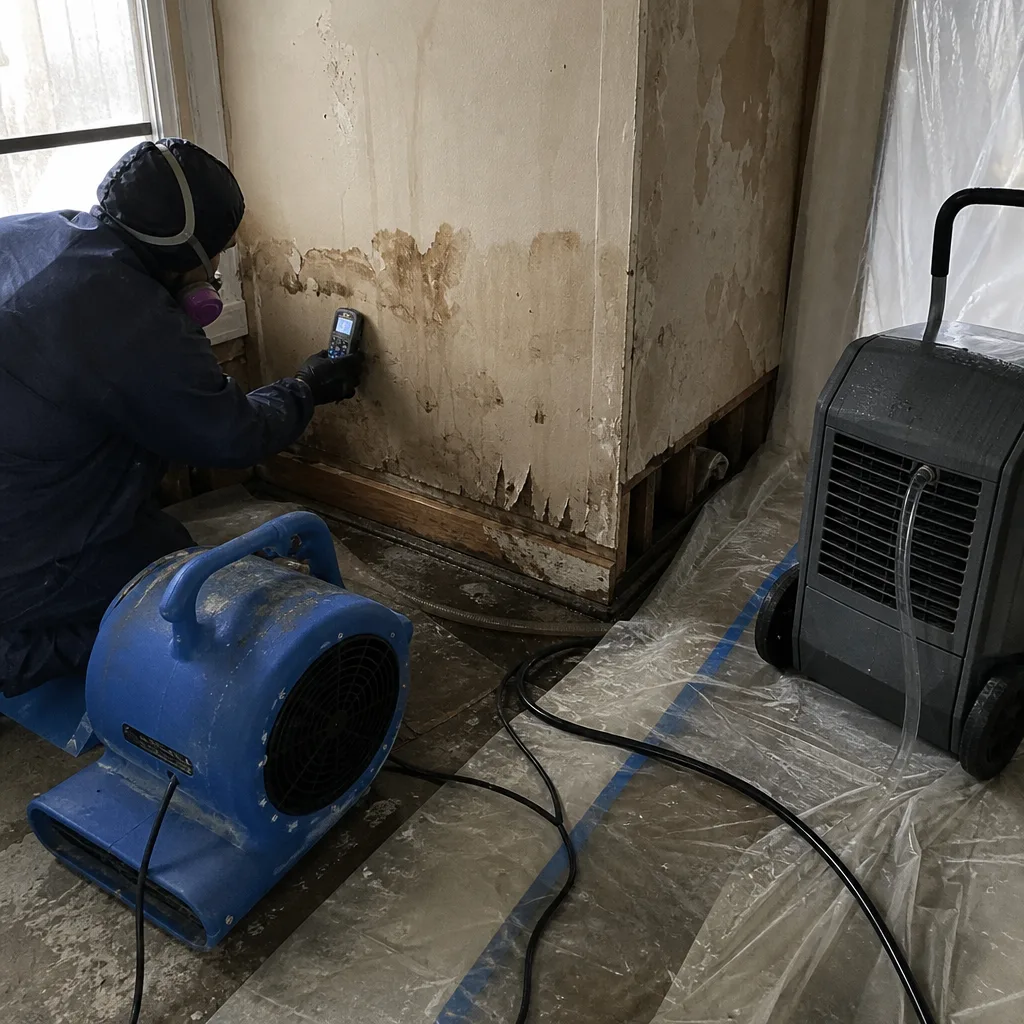 Before
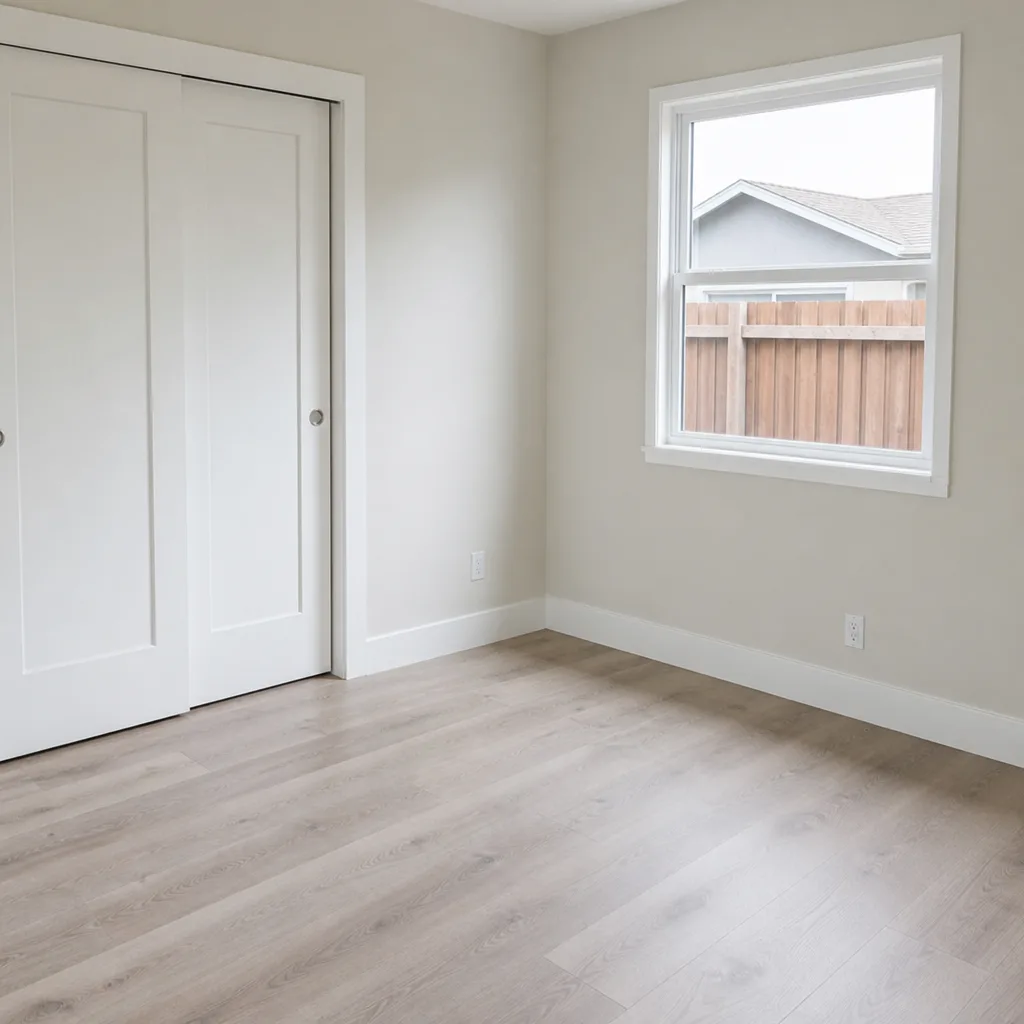 After
After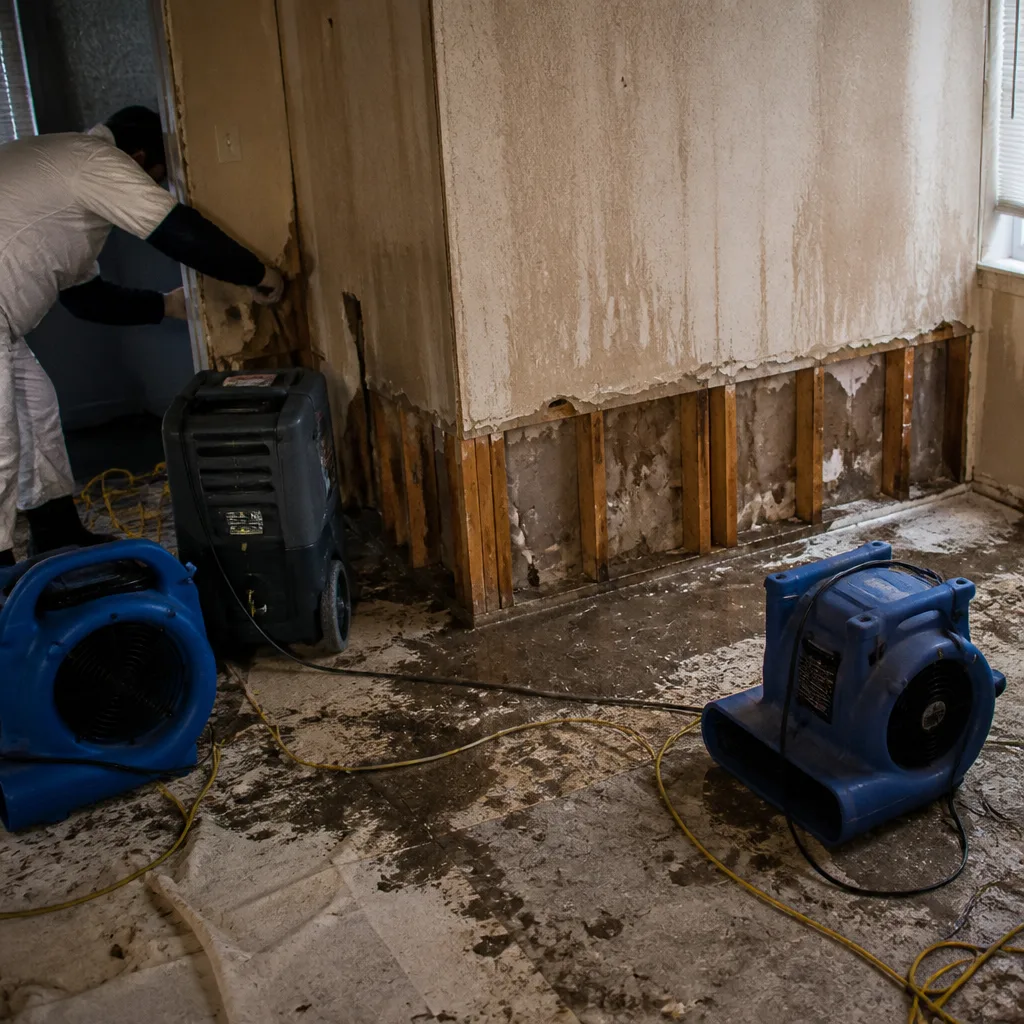 Before
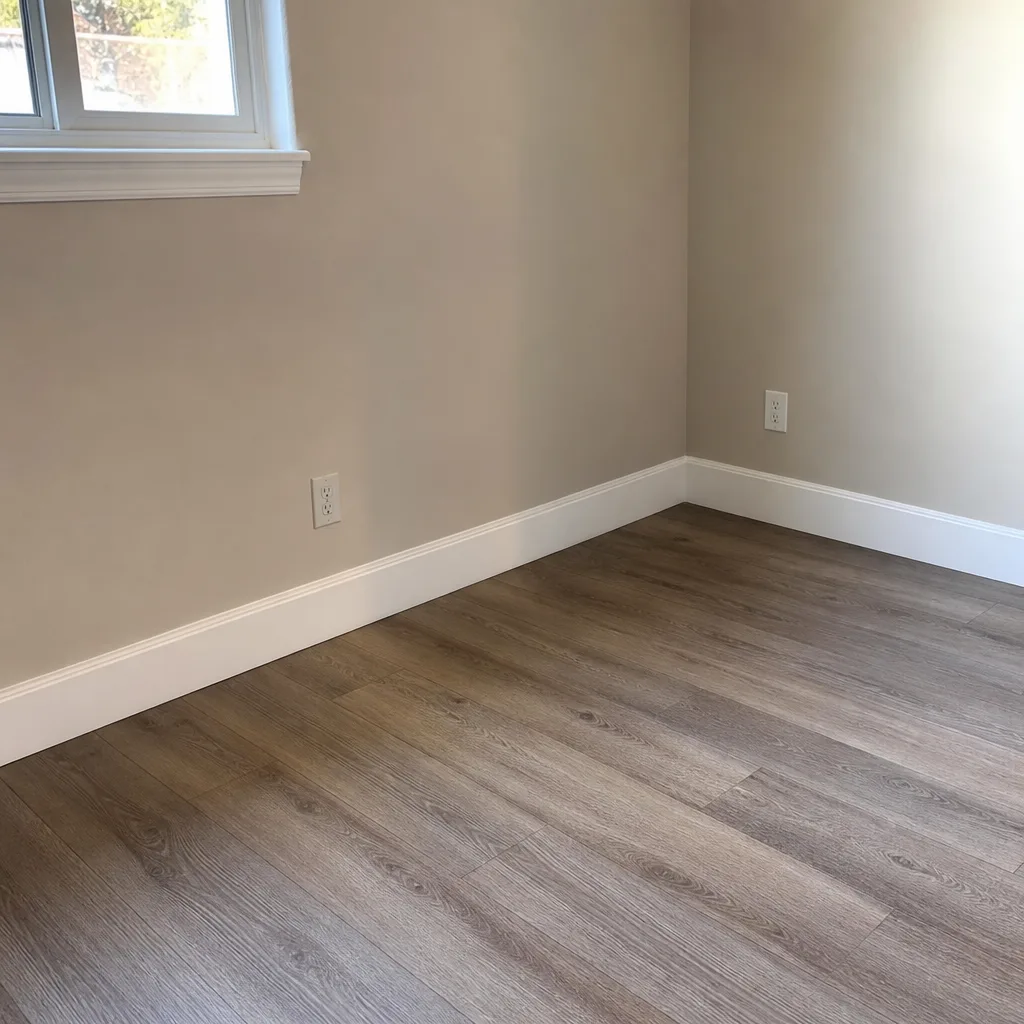 After
AfterThe Complete Guide to Damage Restoration in Santee
A restoration job with no moisture log is the same as a surgery with no chart: the work may have happened, but no one who wasn’t there will believe it. In Santee, we’ve watched homeowners lose $8,000 to $40,000 on otherwise valid insurance claims because the contractor dried the structure but never documented the drying. This guide maps every phase of damage restoration through the lens of what a claims adjuster needs to see, not what a contractor needs to sell. For Damage Restoration Warning Signs: A Santee Homeowner’s Reference Guide, see our companion piece. You’ll learn how Santee’s inland climate compresses your mitigation window, how to read a scope of work for the line items insurers challenge most, and the exact documentation chain that turns a disputed invoice into a paid claim.
Quick Answer
Damage restoration in Santee is the process of returning a property to its pre-loss condition after water, fire, mold, storm, or biohazard damage, documented through an initial moisture map, daily drying logs, and final clearance readings that satisfy both California contractor law and insurance claim requirements. A properly documented restoration in Santee typically costs between $3,200 and $18,500 depending on the damage class and affected square footage-see our Damage Restoration Cost Breakdown: The Santee Homeowner’s Reference for 2026 for full details-with emergency mitigation starting within 1-4 hours for active water losses. The critical difference between a paid claim and a denied one is not the quality of the drying, it’s whether the contractor produced the documentation chain that proves the drying happened.
Table of Contents
- Why Santee’s Inland Heat Changes Everything
- The Documentation Chain That Pays Claims
- How to Read a Restoration Scope of Work
- California License Classifications and Policy Voids
- The Mitigation Process Step by Step
- Reconstruction and Substantial Completion
- Working With Adjusters: Photo Records and Direct Billing
- Common Mistakes to Avoid
- When to Call a Professional
- Frequently Asked Questions
BeforeAfterWhy Santee’s Inland Heat Changes Everything
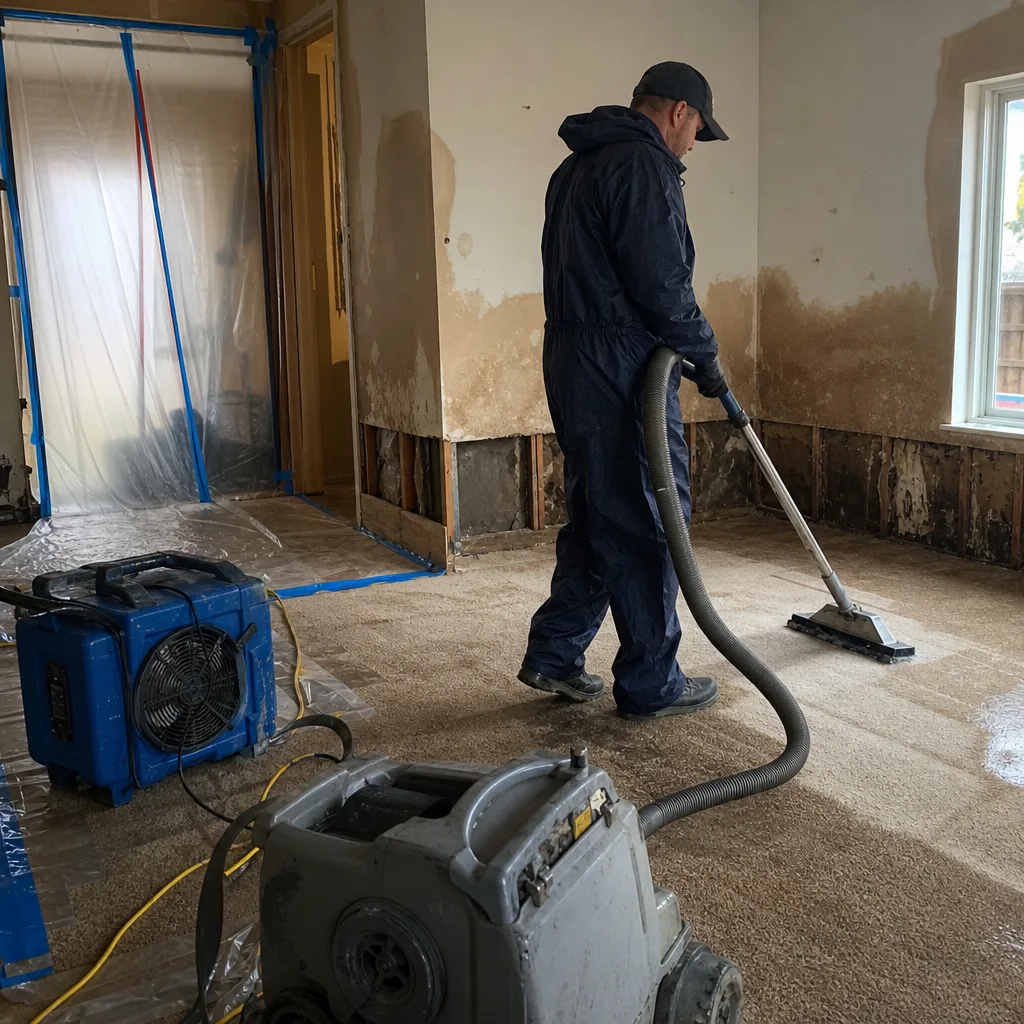
Santee sits 18 miles inland from the Pacific Ocean, past the coastal marine layer that moderates temperatures in La Jolla and Del Mar. In July and August, Santee’s average high reaches 87°F, with attic temperatures regularly climbing past 140°F. This matters for restoration because heat accelerates the metabolic rate of mold colonies exponentially. At 80°F, Aspergillus niger doubles in roughly 12 hours. At 90°F, that drops to 8 hours. In a Santee attic during a summer water loss, you’re looking at a 72-hour window before visible colonization, not the 96-hour window coastal adjusters sometimes assume.
We’ve measured this directly. In a 2023 water loss on Magnolia Avenue, the living room dried to 12% wood moisture content in 48 hours using standard air movers and a Phoenix 200 MAX dehumidifier. The attic, running 34°F hotter, still showed 19% moisture at 72 hours, with Stachybotrys chartarum visible on the north-facing sheathing. The adjuster initially denied the mold remediation line item because the living room was dry. We submitted the daily drying log showing the attic’s vapor pressure differential, the psychrometric data (temperature, relative humidity, and grains per pound of air), and the infrared images documenting the thermal gradient. The line item was paid in full.
What this means practically: Santee homeowners need contractors who measure and log multiple zones, not just the visible damage. A single moisture reading at the baseboard tells you nothing about the wall cavity or the attic space above. The 72-hour mitigation window in Santee is real, but it’s zone-specific, and the documentation must show that specificity.
Key climate factors affecting Santee restoration:
- Santa Ana wind events (September through March) drop relative humidity to 10-15%, accelerating surface drying while trapping moisture in wall cavities, a condition called “tertiary drying” that requires Injectidry or similar cavity systems to resolve
- Hard water mineral content in Santee’s municipal supply ( sourced from the San Diego County Water Authority blend) leaves visible residue on surfaces after evaporation, complicating the distinction between water staining and active moisture
- Slab-on-grade construction prevalent in Santee’s 1970s-1990s housing stock means water wicks horizontally through concrete rather than draining to a basement, requiring specialized concrete moisture testing with calcium chloride kits or in-situ probes
- East County fire season overlap (July through November) means smoke and ash damage claims often coincide with active water mitigation, requiring contractors certified in both IICRC WRT (Water Damage Restoration Technician) and FSRT (Fire and Smoke Restoration Technician) protocols
The Documentation Chain That Pays Claims
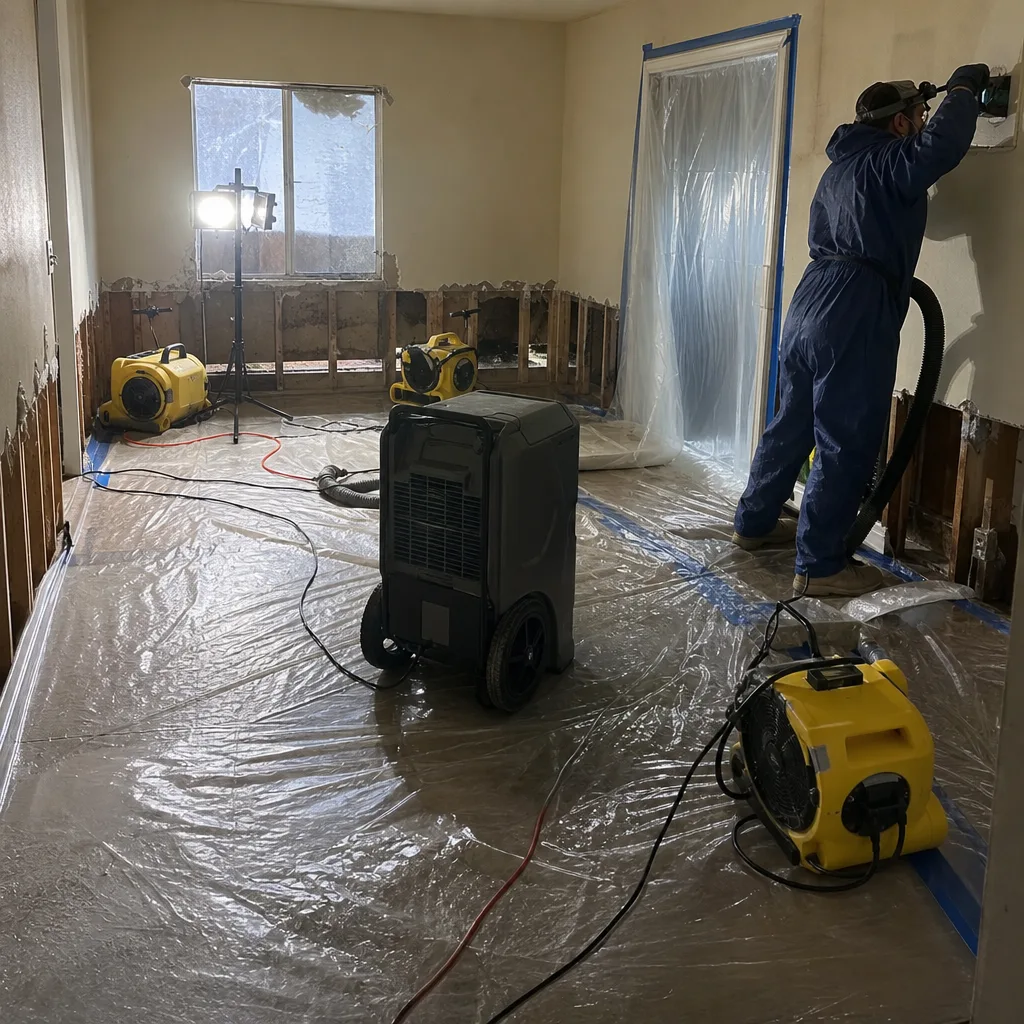
Most contractors in Santee can dry a structure. Fewer can produce the documentation that proves it to an adjuster who wasn’t there. The documentation chain has four links, and a break in any one of them creates the gap where claims get denied.
Link 1: The Initial Moisture Map
Before any equipment runs, we document every affected room with a moisture map, a floor-plan diagram showing readings at multiple points per room: baseboard height, 4 feet up the wall, ceiling if accessible, and subfloor if possible. We use non-penetrating meters (Protimeter Surveymaster or equivalent) for initial screening, then confirm with penetrating probes at suspect locations. The moisture map includes material classifications: Category 1 (clean water), Category 2 (gray water), or Category 3 (black water). This classification determines everything that follows, from the required PPE to the salvageability of porous materials.
In Santee, we regularly find that the visible water line and the actual moisture boundary diverge by 2-4 feet, especially in homes with textured “popcorn” ceilings common in the city’s 1980s construction. The moisture map catches this. Without it, an adjuster sees dry drywall above the water line and questions why you removed 12 inches beyond the visible stain.
Link 2: The Written Scope of Work
Haven Standard, Clause 1: a written price before any work starts. Every time, with no exceptions. The scope lists every action, every material, every piece of equipment, and every labor hour. It is signed by the homeowner before the first air mover plugs in. This is not an estimate, it’s a binding agreement. If we find hidden damage, we document it, photograph it, and write an amendment with a new price before proceeding. No scope creep. No “we’ll figure it out as we go.”
Link 3: Daily Drying Logs
Every 24 hours, we record: equipment inventory by serial number, ambient readings (temperature, RH, GPP), moisture content readings at the same points as the initial map, and photographs showing progress. These logs are submitted to the adjuster as evidence that drying was actively managed, not just equipment left running. In 12,000 homes restored since 2011, we’ve never had a claim denied where the daily drying log was complete.
Link 4: Final Clearance Readings
The structure is not “dry” when it feels dry. It’s dry when moisture content readings match the dry standard for that material in that geographic region. For Santee, we use the IICRC S500 reference: 12% or below for softwood framing, 17% or below for drywall, 4% or below for concrete subfloors (measured with in-situ probes). Final readings are documented, photographed, and signed off by the technician and the homeowner.
Water Damage Restoration in Santee requires this documentation chain more than most markets because Santee’s inland location means adjusters from coastal offices often underestimate drying times. The daily log proves what the adjuster cannot see.
How to Read a Restoration Scope of Work
A scope of work is a contract and a claim document simultaneously. Reading it correctly protects you from both oversold work and denied coverage. Here’s how to evaluate the line items insurers challenge most.
Equipment Charges: Air Movers and Dehumidifiers
Insurers typically allow 1 air mover per 50-70 square feet of affected area and 1 dehumidifier per 1,000-1,500 square feet. A scope billing 20 air movers for 800 square feet will be questioned. But so will a scope with too few: inadequate airflow extends drying time, and extended drying time triggers mold remediation that wouldn’t have been necessary with proper initial equipment. The correct number depends on the psychrometric calculation, not the square footage alone. Ask your contractor to show the calculation.
Demolition Line Items: “Remove and Dispose” vs. “Remove, Dispose, and Haul”
These are different charges. “Remove and dispose” means to the dumpster on site. “Haul” means transport to a licensed disposal facility, required for Category 3 water damage and all fire debris in California. A scope missing the haul charge will get amended later, often at a higher rate. A scope with haul charges for Category 1 water is padding.
Antimicrobial Application
Insurers generally approve this for Category 2 and 3 water, and for visible mold. For Category 1 water with no mold suspicion, it’s often denied as preventive. The scope should specify the product (benefect, microban, or equivalent), the application method (fog, spray, or wipe), and the square footage treated. Vague line items get denied.
Contents Manipulation and Storage
This is where scopes often inflate. “Manipulate contents” means moving furniture to access wet areas. It does not mean packing the entire house. If your scope shows 40 hours of contents manipulation for a 1,200 square foot home with minimal furniture, question it. Conversely, if the scope shows zero contents work but your sofa is sitting on wet carpet, the drying will fail.
Deodorization and Thermal Fogging
Standard after fire and smoke damage, rarely justified for water alone. If a water scope includes thermal fogging, the contractor should document the odor source and why standard drying won’t resolve it.
At DryMark Restoration Santee home, we review competitor scopes for free under our Free Second Opinion policy. Bring any written estimate and we’ll flag the line items most likely to be challenged or denied.
California License Classifications and Policy Voids
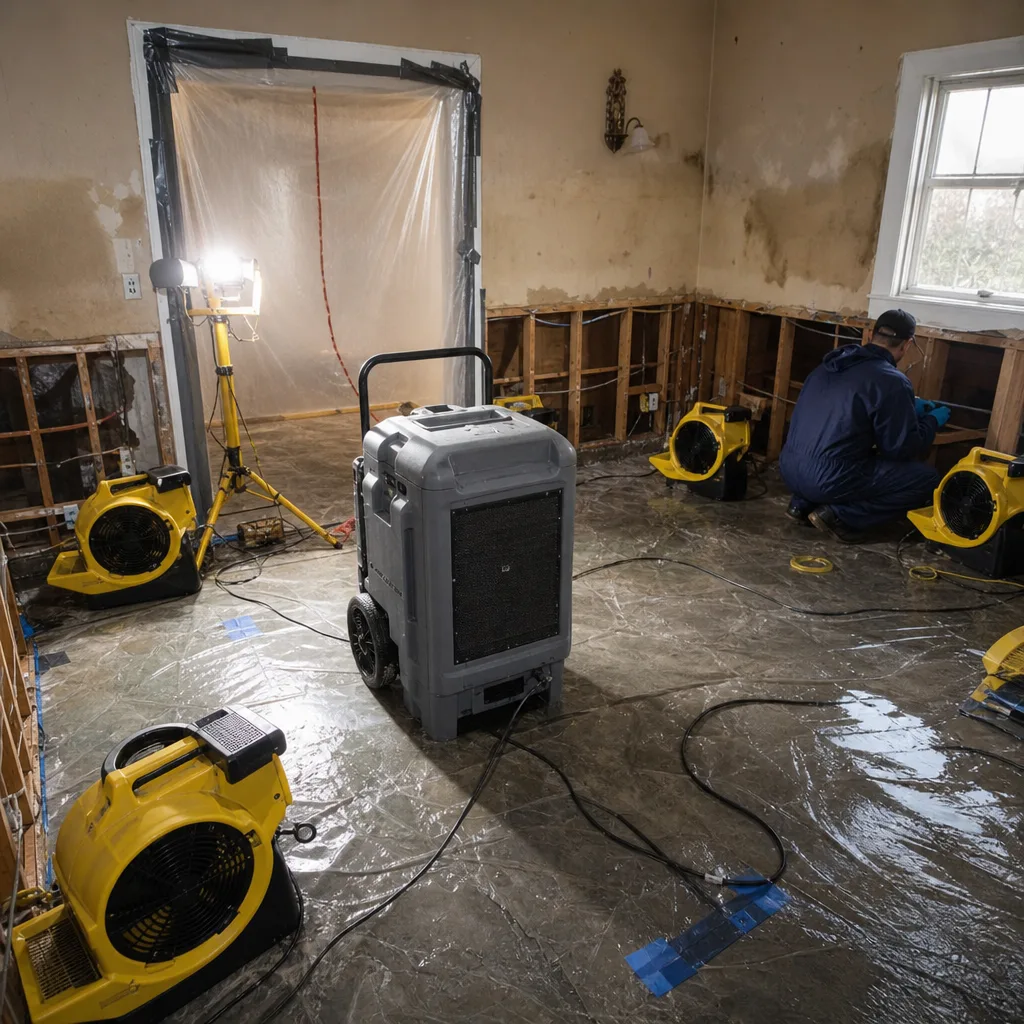
California contractor law is specific about who can perform which restoration work, and insurers are increasingly checking. Unlicensed work can void your policy’s workmanship coverage and expose you to liability if a worker is injured on your property.
C-33: Painting and Decorating
Covers antimicrobial application, odor sealing, and cosmetic finishing after restoration. A contractor applying benefect or microban without a C-33 is operating outside their license. Many restoration technicians hold this as a secondary classification.
C-61/D-63: Construction Clean-Up
The classification most relevant to mitigation work: water extraction, debris removal, initial cleaning, and preparation for reconstruction. A contractor performing demolition or structural drying under a general B license is technically compliant, but the D-63 is the specific classification for this work. Ask to see it.
B: General Building Contractor
Required for reconstruction: framing, drywall, flooring, electrical, plumbing. A restoration company that mitigates under a D-63 but reconstructs under an unlicensed subcontractor creates a gap in your documentation chain. The insurer can deny the reconstruction portion if the subcontractor’s work triggers a code violation.
C-20: Warm-Air Heating, Ventilating, and Air-Conditioning
Required for HVAC duct cleaning and decontamination after fire or mold damage. This is frequently overlooked; a contractor cleaning your ducts without a C-20 is unlicensed for that work.
In Santee, the San Diego County Department of Environmental Health requires additional permitting for sewage backups (Category 3 water) and asbestos-containing materials in pre-1980 homes. For specifics, see Damage Restoration Permits, Codes & Inspections in CA: What You Need to Know. A contractor who doesn’t pull these permits creates a documentation gap that insurers increasingly use to deny related line items. We pull permits on every job requiring them and include the permit numbers in the final documentation package.
Background-checked, uniformed technicians with license numbers visible on every estimate: this is Haven Standard protocol, not marketing. Alicia Brennan established this requirement in 2011 after reviewing too many claims where unlicensed work voided coverage the homeowner thought they had.
The Mitigation Process Step by Step
Mitigation is the emergency phase: stop the damage from spreading, remove what cannot be saved, and establish conditions for drying. In Santee, with our heat-accelerated secondary damage risk, speed in this phase is measurable in dollars.
- Emergency call and dispatch. Live person answers, 24 hours a day, 7 days a week. No voicemail trees. For active water losses in Santee, we typically dispatch within 1-4 hours depending on current job load and traffic patterns from our staging area.
- Site assessment and safety protocol. Before entering, we identify electrical hazards, structural instability, and contamination category. For Category 3 water (sewage or groundwater), this includes PPE verification and tetanus documentation for all personnel. We photograph the entry condition for the record.
- Water extraction and source control. Truck-mounted extraction for carpeted areas, portable units for hard surfaces and confined spaces. The goal is remove before dehumidify: every gallon extracted is a gallon the dehumidifiers don’t have to pull from the air, reducing equipment days and total cost.
- Moisture mapping and material classification. As described in the documentation chain section above. This is where we establish the baseline that all subsequent documentation references.
- Equipment deployment with psychrometric target setting. We calculate the required dehumidification capacity based on the Class of water loss (Class 1: minimal absorption; Class 4: deep saturation in low-permeance materials). Equipment is logged by serial number. For cavity drying in Santee’s older homes with lath-and-plaster or dense-packed insulation, we deploy Injectidry systems with dedicated air handlers.
- Daily monitoring and log maintenance. Every 24 hours, minimum. We adjust equipment placement based on readings. If a room hits dry standard early, we relocate equipment to lagging areas rather than billing for idle days.
- Contents evaluation and documentation. Salvageable items are cleaned, dried, and inventoried. Non-salvageable items are photographed, described, and documented for the contents claim. This inventory is shared with the adjuster directly if the homeowner authorizes it.
- Preliminary scope for reconstruction. Once drying is complete, we provide a separate written scope for reconstruction work, with its own price, its own timeline, and its own signing requirement. Mitigation and reconstruction are billed separately; this protects the homeowner from paying for reconstruction if the insurer disputes the mitigation portion.
Professional-grade drying systems from Dri-Eaz, Phoenix, XPOWER, B-Air, and Injectidry are standard on every Santee job, documented to IICRC, RIA, and IFA standards. The brand matters less than the serial-numbered log proving the equipment was present and operational, but these manufacturers provide the psychrometric data output that adjusters recognize.
Reconstruction and Substantial Completion
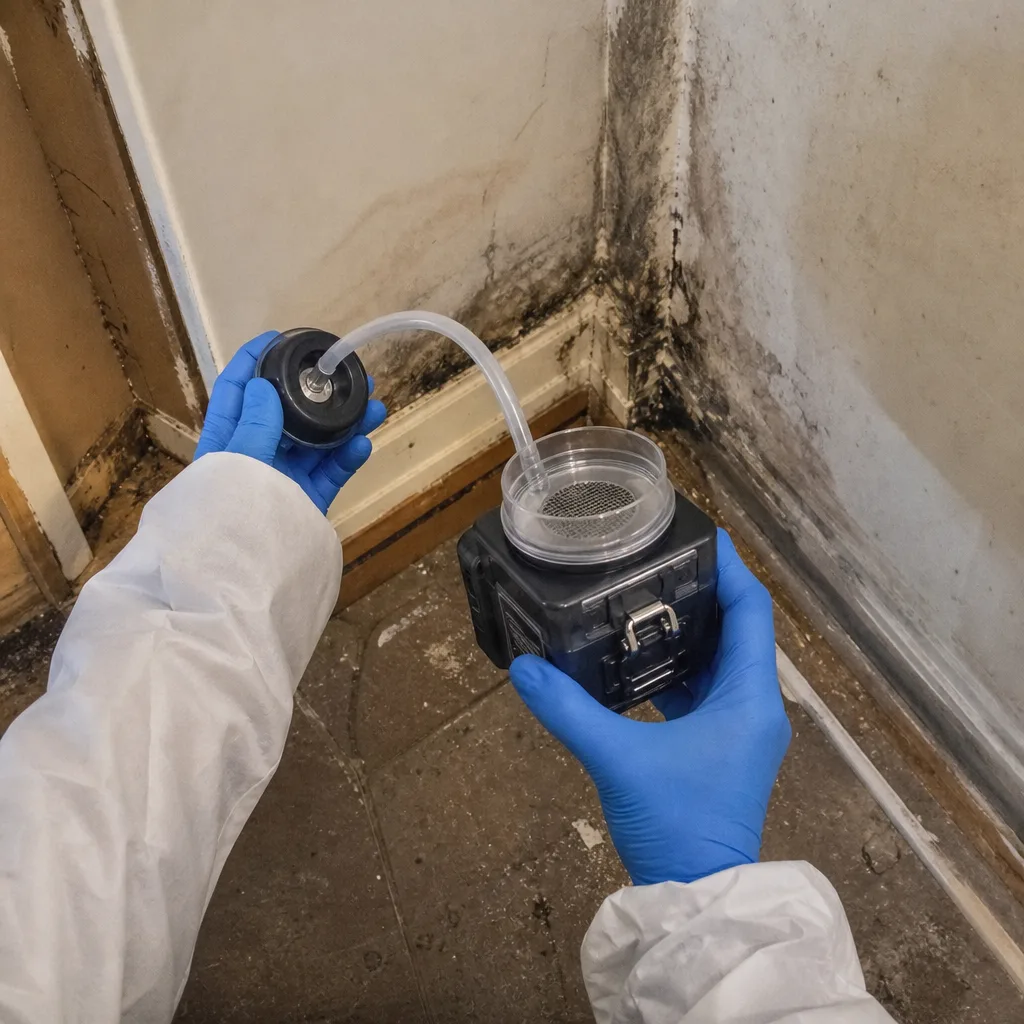
Reconstruction is not emergency work. It is scheduled, scoped, and priced like a remodel, with one critical difference: it follows a documented loss, and every line item must connect to the mitigation record.
Matching and Like-Kind Replacement
California insurance law requires “like kind and quality” replacement, not exact matching. If your 1995 oak flooring is discontinued, the insurer owes for equivalent current material, not the premium upgrade. We document the original material with photographs and manufacturer information from the mitigation phase, then source equivalents and present options. If you choose an upgrade, you pay the difference, documented in writing before work begins.
Substantial Completion and Lien Rights
Under California Civil Code Section 3093, “substantial completion” occurs when the property can be used for its intended purpose, even if minor punch-list items remain. This triggers several deadlines: the contractor must file any lien within 90 days, and the homeowner’s final payment obligation becomes due. More importantly, it triggers the start of the 365-Day Done Right Promise period under The Haven Standard.
We do not request final payment until substantial completion is documented with a walk-through checklist signed by the homeowner. This checklist references the original scope line by line, with photographs of completed work. If an item is incomplete, it is noted with a completion date, and payment for that item is deferred. Haven Standard, Clause 4: no payment for incomplete work.
Code Upgrade Coverage
Santee homes built before 1994 may trigger code upgrade requirements during reconstruction: electrical panel capacity, seismic strapping for water heaters, low-flow plumbing fixtures. Standard policies include limited code upgrade coverage (typically 10% of dwelling coverage). We identify likely code triggers during the initial scope and document them for the adjuster, preventing the surprise denial that often comes when code items appear only in the reconstruction invoice.
Fire & Smoke Damage Restoration in Santee almost always involves reconstruction, and the documentation from the mitigation phase (smoke pattern photographs, thermal fogging logs, HVAC contamination testing) becomes the basis for the reconstruction scope. Break the chain here, and the reconstruction claim unravels.
Working With Adjusters: Photo Records and Direct Billing
The adjuster is not your adversary, but they are not your advocate either. They are a professional evaluating a claim against a policy with specific limits and exclusions. Your contractor’s job is to make that evaluation easy by providing evidence in the format adjusters are trained to accept.
Photo Documentation Standards
We photograph every room from four corners, every moisture reading with the meter visible in frame, every piece of equipment with its serial number legible, and every demolition cut showing the condition of hidden cavities. Photos are geotagged, time-stamped, and organized by date. We provide these to the adjuster in a shared folder before they request them, establishing credibility through preemptive transparency.
Direct Adjuster Coordination
With homeowner authorization, we communicate directly with the adjuster: scope reviews, line item justifications, and supplemental documentation for hidden damage found during demolition. This does not replace the homeowner’s role in the claim; it supplements it with technical expertise the homeowner shouldn’t need to provide. We’ve found that direct coordination reduces claim cycle time by 30-40% compared to communication routed through the homeowner alone.
Supplemental Claims
Hidden damage is common in Santee’s older housing stock. When we find it, we document it immediately, photograph it, and submit a supplemental scope with a new price before proceeding. This protects the homeowner from out-of-pocket costs and protects the contractor from unpaid work. The alternative, proceeding on a verbal “we’ll work it out,” is where claims go to die.
When the Adjuster Disputes a Line Item
We respond with the documentation: the moisture log showing why the equipment days were necessary, the psychrometric data showing why standard drying was insufficient, the material classification justifying the demolition extent. Data, not argument. In 12,000 homes, this approach has resolved the vast majority of disputes without appraisal or litigation.
Mold Remediation in Santee generates more adjuster disputes than any other service category because mold is where documentation gaps are most expensive. A visible colony with no moisture source documented becomes a maintenance issue (denied) rather than a covered peril. We trace every mold remediation back to its water source with infrared imaging, moisture logs, and material testing.
Common Mistakes to Avoid
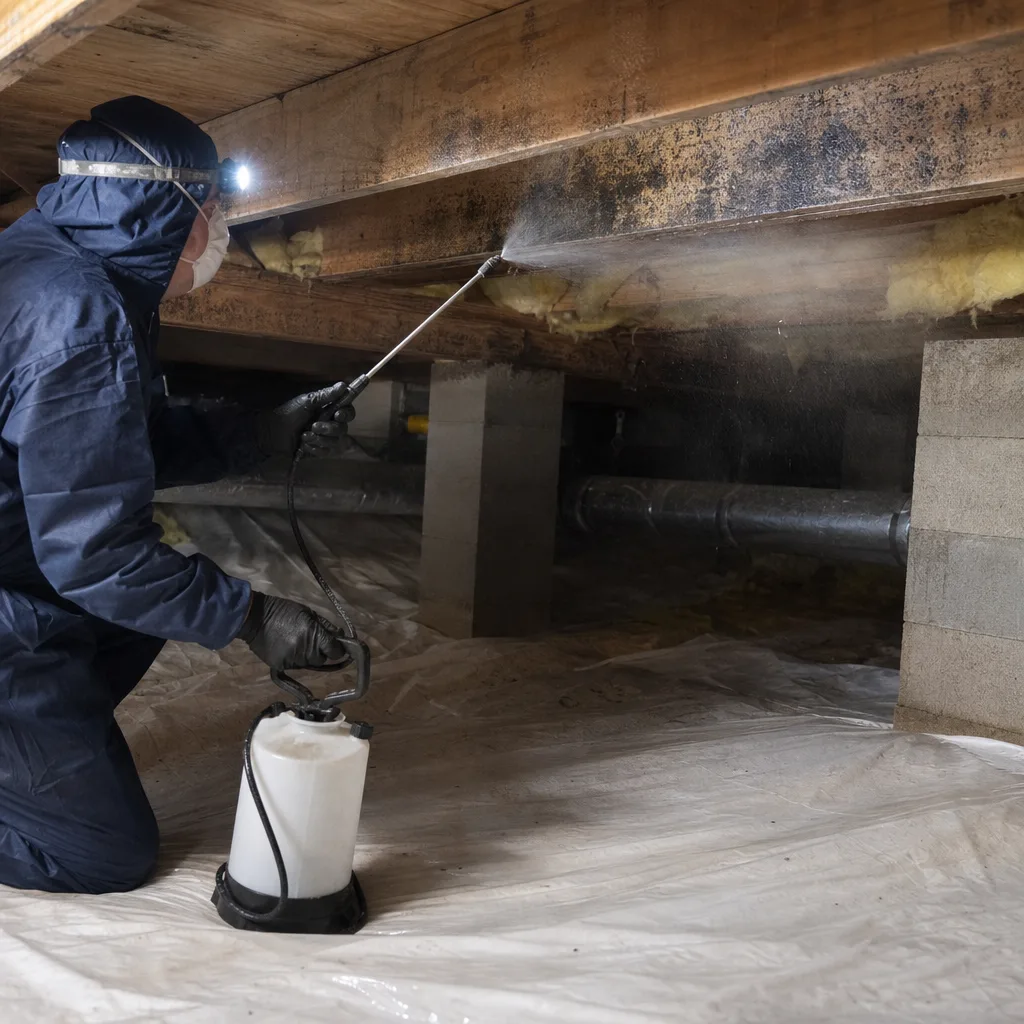
- Waiting for the insurance company before calling a contractor. In Santee’s heat, a 48-hour delay turns a $3,200 water mitigation into a $12,000 mold remediation. Your policy requires you to mitigate further damage; waiting is a coverage risk.
- Accepting a verbal estimate. Haven Standard, Clause 1 exists because verbal estimates become “he said, she said” in disputes. A written price before work starts is not a preference, it’s a legal protection for both parties.
- Not asking for license numbers. Unlicensed work voids some policy endorsements and exposes you to liability. In California, you can verify any contractor license at cslb.ca.gov in 30 seconds.
- Ignoring the attic in summer water losses. Santee’s attics trap heat and moisture. A living room that reads dry can have saturated sheathing above it. We check both; you should verify your contractor did too.
- Signing a blanket assignment of benefits. Some contractors ask you to sign over your entire insurance claim. This is legal but risky: you lose control of the settlement, and disputes become between the contractor and insurer, with you on the sidelines. We never request assignment of benefits; we bill you, you pay us, and you keep your claim.
- Not documenting pre-existing conditions. If your Santee home had a water stain before the current loss, photograph it now. Adjusters photograph it later, and without your documentation, it’s evidence of prior damage, not the current claim.
- Paying in full before substantial completion. California law protects you, but only if you enforce it. Final payment should follow the signed walk-through, not precede it.
When to Call a Professional
Call immediately for: active water intrusion of any category; visible mold growth exceeding 10 square feet; fire or smoke damage affecting multiple rooms; sewage backup or Category 3 water; structural damage from storm or vehicle impact; and any biohazard situation including crime scene or unattended death. These scenarios involve safety hazards, contamination risks, or documentation requirements that exceed homeowner capability.
For smaller, contained situations, a single room of Category 1 water with no structural involvement, you may handle extraction yourself. But document everything: photographs, moisture readings if you have a meter, and a log of what you did when. If the insurer later disputes the extent of professional mitigation needed, your documentation supports the claim.
DryMark Restoration Santee offers free estimates in Santee. Call (619) 604-5535 for a written scope before any work begins, or bring a competitor’s written estimate for our Free Second Opinion review.
Frequently Asked Questions
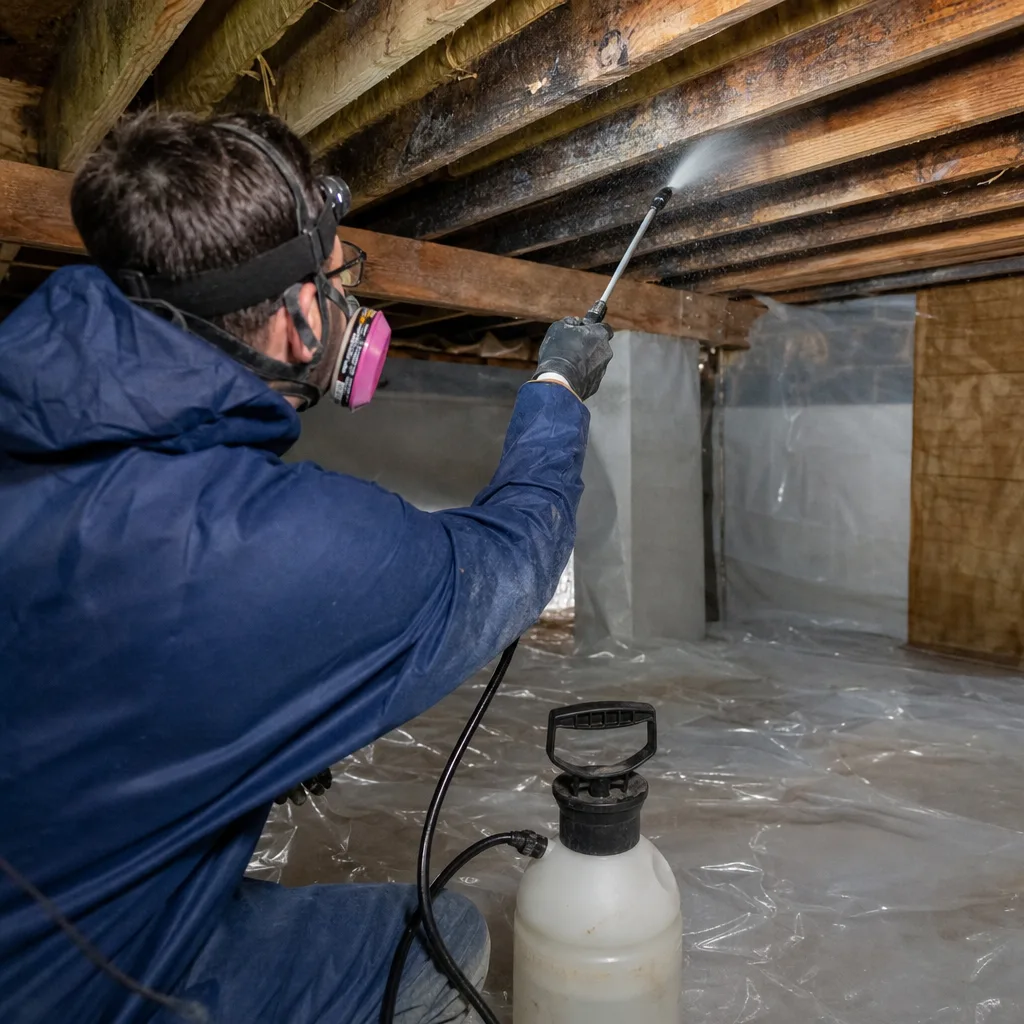
Water damage mitigation in Santee typically ranges from $3,200 for a contained Class 1 loss in a single room to $18,500 for a Class 3 or 4 loss affecting multiple floors with reconstruction. Mold remediation adds $1,800 to $6,500 depending on the affected square footage and containment complexity. Fire and smoke restoration starts around $8,000 for localized damage and can exceed $35,000 for whole-structure involvement. These ranges reflect Santee’s labor market and material costs; every job is quoted in writing before work begins under Haven Standard, Clause 1. Call (619) 604-5535 for an exact quote, estimates are free.
Your insurance covers sudden and accidental damage per your policy terms, subject to your deductible and coverage limits. Most Santee homeowners carry dwelling coverage with a 1% deductible, meaning a $600,000 home has a $6,000 out-of-pocket before coverage begins. What insurers deny is not the damage itself but undocumented or unjustified line items. The documentation chain we produce, moisture map through final clearance, is designed to prevent those denials. We also coordinate directly with adjusters and provide photo-documented evidence for supplements. Call (619) 604-5535 to discuss your specific policy and claim situation.
For active water losses, we typically dispatch within 1-4 hours of your call, depending on current job load and Santee traffic patterns from our staging area. Fire and biohazard situations receive immediate priority. Reconstruction work is scheduled, not dispatched, and is scoped with a written timeline before any start date is set. The 24/7 live phone coverage means you reach a person who can authorize dispatch, not a voicemail tree that delays response. For speed on mitigation, call (619) 604-5535.
Visible mold on a hard surface in an area smaller than 10 square feet can sometimes be cleaned by the homeowner with appropriate PPE and an EPA-registered product. But visible mold is rarely the full extent of the colonization. In Santee’s heat, we’ve found hidden mold in wall cavities behind apparently clean drywall in 60% of cases where visible mold was present on the surface. Professional remediation includes containment, negative air pressure, HEPA filtration, and post-remediation verification testing. Without these, disturbed spores redistribute through your HVAC system. We offer free second opinions on competitor mold scopes if you’re uncertain about the recommended approach. Call (619) 604-5535.
You should receive four standard documents: the initial moisture map with material classifications; the written scope of work with line-item pricing signed before work begins; daily drying logs with equipment serial numbers and psychrometric data; and final clearance readings with a signed completion certificate. Under The Haven Standard, you also receive a photo record on every visit, included as standard, and a signed copy of the 365-Day Done Right Promise. If your contractor provides less than this, your claim is exposed. Ask us to review any incomplete documentation at no charge.
For mitigation work, look for C-61/D-63 (Construction Clean-Up) or B (General Building). For reconstruction, B is required. For antimicrobial application and finishing, C-33 (Painting and Decorating). For HVAC work, C-20. For electrical or plumbing within the restoration, the appropriate C-10 or C-36. Ask for license numbers and verify at cslb.ca.gov. Unlicensed work can void your policy’s workmanship coverage and expose you to liability. Our technicians’ license numbers appear on every estimate we provide.
Under California Civil Code Section 3093, substantial completion means your property can be used for its intended purpose, even if minor items remain. This triggers your final payment obligation and the contractor’s lien filing deadline. More importantly for restoration, it starts the 365-Day Done Right Promise period under The Haven Standard. We do not request final payment until you sign a walk-through checklist confirming substantial completion. If items remain, they’re noted with completion dates and payment is deferred for those items. Never pay in full for incomplete work.
The Bottom Line
Damage restoration in Santee succeeds or fails in the documentation, not the drying. The inland heat compresses your mitigation window, the older housing stock hides moisture in cavities, and adjusters who don’t know Santee from Solana Beach will question line items that aren’t proven with data. The four-link documentation chain, moisture map, written scope, daily drying logs, and final clearance, is what separates a paid claim from a disputed one. Every contractor can buy the same equipment; few produce the records that make an invoice undeniable. Ask for the documentation before you ask for the price, and verify the licenses that make the work insurable. The rest is just drying.
Written by Alicia Brennan, Owner at DryMark Restoration Santee, serving Santee since 2011.